
CBD has become the wellness world’s favorite three-letter guest at the party. It shows up in oils, gummies, creams, drinks, bath bombs, dog treats, and, yes, vape pens. Search for “vaping CBD for pain, depression and anxiety,” and you’ll find a parade of big promises: fast relief, calm moods, better sleep, fewer aches, and possibly the confidence to organize your junk drawer. But here is the grown-up truth hiding behind the glossy packaging: CBD may be interesting, but vaping CBD is not risk-free, not well regulated, and not a proven treatment for pain, depression, or anxiety.
This article takes a practical, evidence-based look at CBD vape pens and CBD oils, what researchers know so far, what they do not know yet, and why anyone dealing with chronic pain, low mood, or anxiety should treat the trend with caution instead of blind enthusiasm. Think of it as a calm conversation with a skeptical friend who reads labels, asks annoying but useful questions, and refuses to believe that “natural” automatically means “safe.”
What Is CBD?
CBD, short for cannabidiol, is one of the many compounds found in the cannabis plant. Unlike THC, CBD does not usually cause the classic intoxicating “high” associated with marijuana. That difference is one reason CBD became so popular in wellness marketing. People wanted something that sounded plant-based, modern, and relaxing, without feeling impaired or accidentally turning a Tuesday afternoon into a couch-based documentary marathon.
In the United States, one prescription CBD medication has been approved by the FDA for certain rare seizure disorders. That approval matters because it shows CBD can have real biological effects. However, it does not mean every CBD oil, vape liquid, or pen sold online has been proven safe or effective for everyday pain, depression, anxiety, or sleep. Prescription medicine and over-the-counter CBD products are not the same animal. One is carefully tested and regulated; the other may be a mystery smoothie with a barcode.
CBD Vape Pens vs. CBD Oils: What Is the Difference?
The phrase “CBD oil” can be confusing because people use it to describe many different products. Some CBD oils are tinctures meant to be swallowed or placed under the tongue. Others are topical oils used on the skin. CBD vape liquids are different: they are made for inhalation through an electronic device. That difference matters because the lungs are not the stomach, and they do not politely process ingredients the same way.
CBD Vape Pens
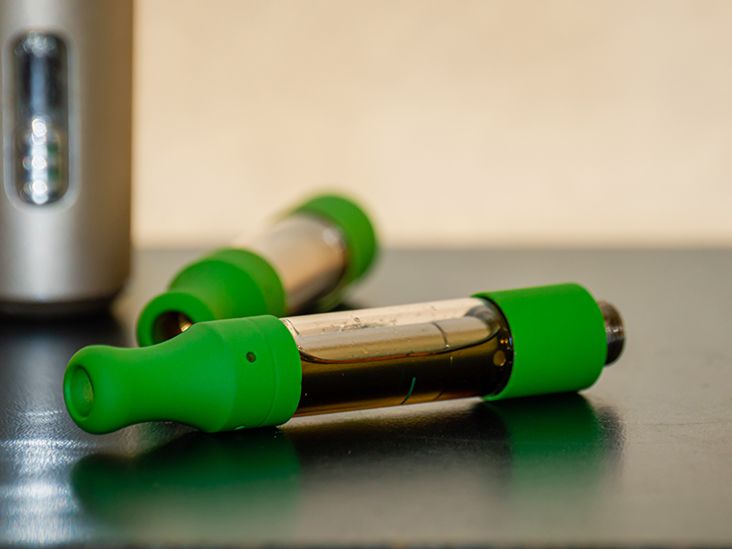
CBD vape pens are electronic devices that heat a CBD-containing liquid into an aerosol that can be inhaled. They may be disposable or refillable. Some products contain flavorings, thinning agents, carrier liquids, or other cannabinoids. The attraction is usually speed. Inhaled substances can enter the bloodstream quickly, so users often expect faster effects than with edible or swallowed CBD products. But faster does not automatically mean safer, better, or medically smarter.
CBD Oils and Tinctures
CBD oils and tinctures are typically taken by mouth. They may use carrier oils such as MCT oil, hemp seed oil, or olive oil. These products avoid direct lung exposure, but they still carry concerns: inconsistent labeling, possible THC contamination, medication interactions, side effects, and uncertain dosing. In other words, oil may sound cozy and harmless, but it still deserves a serious look.
Can Vaping CBD Help With Pain?
Pain is one of the most common reasons people explore CBD. Chronic pain can be exhausting, expensive, and emotionally draining. When standard options do not fully work, it is understandable that people start looking at alternatives. CBD research has explored inflammation, nerve signaling, sleep, and the body’s endocannabinoid system, all of which may relate to pain. However, the evidence for over-the-counter CBD products remains mixed and incomplete.
Some studies and patient reports suggest cannabinoids may help certain types of pain, especially neuropathic pain or pain linked with conditions such as multiple sclerosis. But CBD by itself is not a magic pain eraser. Many studies involve cannabis products that include THC, not pure CBD. Others are small, short-term, or use carefully measured products that are very different from what appears on retail shelves.
For someone with chronic back pain, arthritis, migraines, fibromyalgia, or nerve pain, the safest approach is not to grab a vape pen and hope for the best. Pain can signal underlying medical issues, and treatment should be based on diagnosis, not marketing copy written by someone who thinks “ancient botanical wisdom” is a substitute for clinical data.
Can CBD Help With Anxiety?
Anxiety is another major reason CBD became popular. The idea is tempting: take CBD, feel calm, stop overthinking that one text message from 2019. Some early research suggests CBD may have calming effects in specific settings, and scientists continue to study its potential role in anxiety disorders. Still, the evidence is not strong enough to call CBD a proven anxiety treatment for the general public.
There is also a practical problem: anxiety is not one single thing. Social anxiety, panic disorder, generalized anxiety, trauma-related symptoms, and stress from everyday life can look similar on the surface but require different care. A product that makes one person feel relaxed may make another feel sleepy, foggy, uncomfortable, or disappointed. Vaping also adds a lung-health concern to a mental-health question, which is like bringing a leaf blower to a yoga class: technically possible, but maybe not the peaceful solution people had in mind.
Can CBD Help With Depression?
Depression is serious, and it deserves more than wellness buzzwords. While researchers are interested in how cannabinoids may affect mood, CBD is not an FDA-approved treatment for depression. People living with depression may need therapy, lifestyle support, social connection, medical evaluation, or prescription treatment. For some, untreated depression can become dangerous, so delaying real care in favor of an unproven product is risky.
CBD may affect sleep, stress, or discomfort for some people, and those factors can influence mood. But that is not the same as treating depression itself. A person who feels persistently hopeless, numb, exhausted, or unable to function should speak with a qualified health professional. CBD should not be used as a substitute for mental health care, especially when symptoms are severe, worsening, or connected to self-harm thoughts.
The Big Safety Issue: Vaping Is Not Harmless
Many people assume vaping is just “water vapor.” It is not. E-cigarette aerosol can contain tiny particles, volatile organic compounds, metals, flavoring chemicals, and other substances that may irritate or damage the lungs. Even when a product does not contain nicotine, inhaling heated chemicals is not the same as breathing mountain air while deer nod approvingly in the distance.
The lung has a delicate job. It moves oxygen into the bloodstream and carbon dioxide out. It was not designed as a testing chamber for mystery liquids with dessert flavors. Public health agencies have warned that vaping can expose users to harmful substances, and researchers are still studying the long-term effects. The lack of long-term data should not be mistaken for proof of safety. It simply means the full bill may not have arrived yet.
CBD Product Quality Can Be a Mess
One of the biggest concerns with CBD products is labeling accuracy. Studies have found that some products contain more or less CBD than advertised. Some may contain THC even when the label suggests otherwise. Others may include contaminants such as pesticides, heavy metals, residual solvents, or unwanted additives. That is a problem for anyone, but it is especially serious for people who are drug tested, take medications, have liver disease, are pregnant, or have lung conditions.
CBD vape products can be particularly concerning because anything in the liquid may be inhaled. A mislabeled gummy is not ideal. A mislabeled vape liquid can be a bigger respiratory gamble. When a label says “pure,” “clean,” or “premium,” remember: those words are not magical safety shields. They are marketing adjectives wearing expensive shoes.
Possible Side Effects of CBD
CBD is often described as well tolerated, but “well tolerated” does not mean “impossible to regret.” Reported side effects include drowsiness, fatigue, dry mouth, diarrhea, reduced appetite, and changes in alertness. CBD can also affect liver enzymes and interact with medications, including blood thinners, seizure medicines, antidepressants, sedatives, and some pain medicines.
This is especially important for people using CBD for pain, depression, or anxiety, because those same people may already be taking medications. Mixing CBD with alcohol, sleep aids, anti-anxiety drugs, or other substances that slow brain activity can increase sedation and accident risk. Before using CBD in any form, adults should discuss it with a clinician or pharmacist who understands their health history and medication list.
Who Should Be Especially Cautious?
Some people should be extra careful with CBD and avoid vaping products entirely unless a qualified medical professional says otherwise. This includes children, teens, pregnant or breastfeeding people, people with lung disease, people with liver problems, people with a history of substance use disorder, and anyone taking medications with serious interaction risks.
Teens and young adults deserve special mention. Vaping products are not safe for young people, and many e-cigarettes contain nicotine even when users do not expect it. The developing brain is more vulnerable to substances that affect mood, attention, learning, and impulse control. Even when the product is marketed as CBD, contamination or mislabeling can create additional risk.
Why “Fast Relief” Can Be a Misleading Promise
CBD vape pens are often marketed around fast effects. Speed sounds attractive when someone is in pain or panicking before a presentation. But a fast effect is not the same as a reliable medical benefit. Caffeine works fast too, and nobody calls three iced coffees a treatment plan.
Fast onset can also encourage repeated use. If a person feels temporary relief, they may reach for the vape again and again without addressing the cause of the pain or anxiety. Over time, that habit may become less about wellness and more about chasing short-lived comfort. For mental health concerns, quick fixes can be especially tricky because they may delay therapy, diagnosis, or healthier coping strategies.
CBD, THC, and the “No High” Assumption
CBD itself is not typically intoxicating, but products may contain THC. Full-spectrum CBD products can legally contain small amounts of THC under certain rules, and mislabeled products may contain more than expected. For sensitive users, even small amounts of THC may cause anxiety, dizziness, mood changes, or impairment. THC exposure can also matter for workplace drug testing.
Anyone considering CBD should understand the difference between CBD isolate, broad-spectrum CBD, and full-spectrum CBD. But even those categories are only useful when the product is honestly labeled and properly tested. Without trustworthy testing, the label is more of a suggestion than a guarantee.
Better Questions to Ask Before Considering CBD
Instead of asking, “Which CBD vape pen should I use?” a safer question is, “What problem am I trying to solve, and what has the best evidence for that problem?” Pain, depression, and anxiety each deserve a clear plan.
For Pain
What type of pain is it? How long has it been happening? Is it nerve pain, muscle pain, joint pain, inflammatory pain, or pain from an injury? Physical therapy, sleep improvement, exercise guidance, anti-inflammatory strategies, medical evaluation, and proven medications may be more appropriate depending on the cause.
For Anxiety
Is the anxiety occasional stress, panic attacks, social anxiety, trauma-related symptoms, or constant worry? Evidence-based options may include cognitive behavioral therapy, breathing techniques, sleep changes, reduced caffeine, exercise, mindfulness, and medication when needed.
For Depression
How long have symptoms lasted? Are they affecting school, work, relationships, appetite, energy, or sleep? Depression should be treated with real care, not brushed aside with a wellness product. Therapy, social support, medical evaluation, and appropriate treatment can make a meaningful difference.
Is CBD Ever Worth Discussing With a Doctor?
Yes, CBD can be worth discussing with a doctor, especially if someone is already interested in it and wants to avoid risky choices. A clinician can help evaluate medication interactions, liver concerns, pregnancy risks, mental health symptoms, and whether CBD might interfere with existing treatment. The conversation should be honest. Doctors have heard stranger things than “I’m curious about CBD.” They have removed objects from ears, decoded rashes from hot tubs, and survived WebMD printouts. CBD will not shock them.
The key is to discuss CBD before using it, not after side effects appear. This is particularly important for people with chronic illness or people taking multiple medications. CBD is biologically active, which is exactly why it deserves respect.
Common Myths About Vaping CBD
Myth 1: “It’s natural, so it’s safe.”
Poison ivy is natural. So are jellyfish. Nature is beautiful, but she does not come with a customer service department. CBD may come from a plant, but safety depends on the product, the person, the dose, the route, and the health context.
Myth 2: “Vaping CBD is just flavored air.”
Vaping creates an aerosol that can contain chemicals and tiny particles inhaled deep into the lungs. The lungs are sensitive, and long-term effects remain uncertain.
Myth 3: “CBD cures anxiety and depression.”
CBD is not a proven cure for anxiety or depression. Research is ongoing, but marketing is far ahead of the science. Mental health conditions deserve evidence-based care.
Myth 4: “If it says THC-free, it is always THC-free.”
Product testing has shown that labels can be inaccurate. Some CBD products may contain THC or other unexpected ingredients. This matters for safety, impairment, and drug testing.
Experiences Related to Vaping CBD: What People Often Report
People’s experiences with vaping CBD vary widely, which is one reason the topic is so confusing. Some adults say they feel calmer within minutes. Others say they notice almost nothing except a flavored cloud and the quiet feeling that they may have overpaid. Some describe temporary relaxation after a stressful workday, while others report coughing, throat irritation, dizziness, sleepiness, or feeling mentally foggy.
For pain, anecdotal experiences are mixed. A person with muscle tension may feel that relaxing helps them notice pain less. Someone with nerve pain may report no meaningful change. Another person may sleep better and then feel less pain the next day, not necessarily because CBD directly treated the pain, but because better rest improved their coping. That distinction matters. Feeling better is real, but the reason behind it can be complicated.
For anxiety, some users report a softer emotional landing, like turning the volume down on racing thoughts. Others feel uneasy because the act of vaping itself can make them focus on breathing, coughing, heart rate, or whether the product contains THC. For people prone to panic, uncertainty can become fuel. A product bought for calm can accidentally become a tiny anxiety machine with a blinking battery light.
For depression, experiences are even less predictable. Some people say CBD helps them sleep or unwind, which may indirectly improve mood. But depression is not simply a bad mood that needs a scented vapor cloud. It can involve brain chemistry, trauma, isolation, grief, medical conditions, and life stress. A person may feel briefly soothed while the deeper issue remains untreated. That is why relying on CBD alone for depression can be risky.
Another common experience is disappointment with product consistency. One bottle or cartridge may feel different from the next, even when the label looks similar. Because many over-the-counter CBD products are not regulated like prescription medicines, consistency can vary. People may switch brands, increase use, or combine products, which can increase side effects and confusion.
There is also the social side. Some people feel awkward using a vape pen because it looks similar to nicotine or cannabis vaping. Others worry about smell, workplace rules, travel restrictions, or judgment from family. A wellness choice that was supposed to reduce stress can add a new layer of “Where can I use this?” and “Is this allowed?” That is not exactly spa-day energy.
The most useful takeaway from real-world experiences is this: CBD vaping is not a guaranteed shortcut for pain, depression, or anxiety. Some adults report temporary comfort, but others report side effects, no benefit, or new concerns. The safest experience is usually the one that starts with a medical conversation, realistic expectations, and a willingness to choose proven care over trendy promises.
Conclusion: CBD Vaping Deserves Caution, Not Hype
CBD is an interesting compound, and research into cannabinoids may eventually lead to better treatments for pain, anxiety, sleep, and other conditions. But vaping CBD is not a proven therapy for pain, depression, or anxiety. It also carries real concerns, including lung exposure, product mislabeling, possible THC contamination, medication interactions, liver effects, and uncertain long-term safety.
For adults who are curious about CBD, the smartest first step is not buying a pen or chasing the strongest product. It is asking a health professional whether CBD makes sense for their situation at all. For young people, people with lung conditions, pregnant or breastfeeding people, and anyone taking medications, extra caution is essential. Wellness should not require gambling with your lungs.
In the end, the best health advice is often boring because it has survived contact with reality: get a diagnosis, use evidence-based treatment, protect your lungs, read labels skeptically, and never let a shiny product promise replace professional care. CBD may have a place in future medicine, but hype is not a treatment plan, and your body is not a beta-testing app.