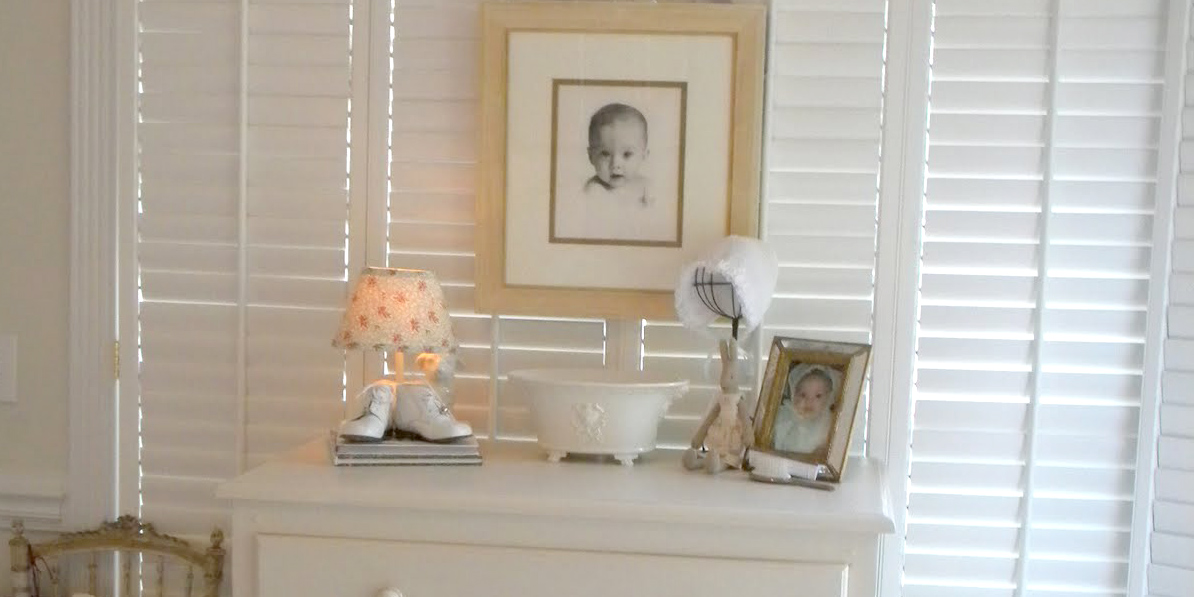

A Swedish-style girls bedroom has a special talent: it can look calm enough for a design magazine while still surviving dolls, books, socks, craft projects, and the mysterious collection of tiny objects children insist are absolutely priceless.
The beauty of Swedish bedroom design is balance simplicity, functionality, natural materials, and comfort. Light colors help rooms feel airy, while pale woods and cozy textiles keep minimalism from becoming cold or clinical. Swedish style girls bedroom, the goal is to build a room that feels bright, peaceful, playful, and easy to use. Think warm white walls, birch-colored furniture, soft dusty colors, baskets, clever storage, and just enough personality to prove an actual child lives there.
Here is how to create that relaxed Nordic feeling without buying a plane ticket to Stockholm or learning how to pronounce every furniture name in an IKEA catalog.
Start With the Swedish Design Philosophy
Before choosing paint or bedding, understand the basic idea behind Scandinavian interior design: everything should have a reason for being in the room.
That does not mean every stuffed rabbit must submit a written application. It simply means furniture should be useful, movement through the bedroom should feel easy, and decoration should support the atmosphere instead of creating visual noise.
Choose simplicity without making the room boring
Swedish style favors clean lines and uncomplicated furniture. A simple wood bed, compact nightstand, wall shelf, and practical dresser can create a stronger Nordic look than an elaborate matching bedroom suite.
Use empty space intentionally. You do not need to decorate every wall, corner, and horizontal surface. Leaving a section of wall blank gives favorite artwork and personal treasures more visual importance.
Remember that Swedish style should feel cozy
Minimal does not have to mean chilly. Scandinavian interiors typically introduce warmth with rugs, blankets, wood, woven materials, and layers of tactile fabrics. Better Homes & Gardens and The Spruce both emphasize the combination of restrained design and soft, cozy elements in Scandinavian rooms. oom, this might mean a crisp white bed paired with a quilted cotton coverlet, a chunky knit throw, linen curtains, and a wool-look rug. Suddenly, the room whispers, “Please relax,” rather than, “Please do not touch anything.”
Build a Light and Gentle Color Palette
Color is one of the easiest ways to establish a Swedish bedroom aesthetic. Begin with a bright neutral foundation, then introduce a small family of muted accent colors.
Warm white makes an excellent base
White walls are common in Scandinavian-inspired rooms because they enhance the impression of light and provide a flexible background. In a girl’s bedroom, however, a slightly warm white or soft cream often feels friendlier than a sharp, blue-white shade.
Consider carrying the pale color across most walls and major furniture pieces. The result is a visually quiet background that allows textiles, artwork, books, and toys to bring the room to life.
Add dusty colors instead of candy-bright shades
A Swedish style girls bedroom can absolutely use pink. The trick is to think “faded wildflower” instead of “exploding bubble gum factory.”
Good accent colors include:
- Dusty rose
- Pale blush
- Muted sage green
- Soft gray-blue
- Butter yellow
- Warm beige
- Clay or muted terracotta
Neutral foundations are particularly useful in children’s rooms because interests and favorite colors may change over time. A flexible background allows accessories to evolve without requiring a complete redesign. bine cream walls with pale wood furniture and dusty rose bedding. Add sage-green bookends and a muted yellow pillow. The colors are clearly playful, but the room still feels cohesive and restful.
Bring In Pale and Natural Wood
Natural wood is practically the friendly handshake of Scandinavian design. It instantly adds warmth to light walls and introduces an organic texture without requiring elaborate decoration.
Look for furniture with the appearance of birch, ash, beech, or light oak. A simple wood bed frame can become the visual anchor of the bedroom.
Avoid overly heavy furniture
Large, dark, highly ornate pieces may visually dominate a small child’s room. Swedish-inspired furniture tends to work best when silhouettes are simple and proportions feel relatively light.
A bed raised on visible legs, for instance, may appear less bulky than a solid platform stretching to the floor. The open area underneath can also accommodate storage boxes, making the design attractive and practical. Scandinavian children’s room examples frequently use blonde wood, flexible furniture, and defined storage areas to maintain a calm environment. natural finishes
Do not worry about purchasing every piece from a single furniture collection. In fact, a more natural Swedish look can come from mixing pale wood with white-painted furniture.
Try a birch bed, white dresser, natural wood peg rail, and a small vintage desk. Repeating similar undertones through baskets and picture frames will visually connect the pieces.
Choose a Simple Bed and Layer the Textiles
The bed usually occupies a lot of visual real estate, especially in a smaller bedroom. Treat it as the main soft, cozy feature of the space.
Keep bedding relaxed
Start with breathable-looking fabrics and uncomplicated patterns. White, cream, pale gray, blush, or washed blue bedding works beautifully. Small florals, narrow stripes, gingham, and simple botanical motifs can add personality.
A practical combination might include white sheets, a muted rose duvet, two patterned pillows, and one textured throw blanket folded casually across the bottom of the bed.
And yes, “casually folded” sometimes means you spent seven minutes arranging the throw to look as if nobody arranged it. Interior design has its secrets.
Mix textures, not dozens of colors
If the palette is restrained, texture becomes particularly important. Combine smooth cotton with linen, quilted fabric, chunky knitting, wool-like rugs, and woven baskets.
The different surfaces give the room depth while preserving a visually peaceful color scheme.
Use Smart Storage to Preserve the Calm
A Scandinavian bedroom looks orderly partly because storage is considered early in the design process. Trying to “decorate away” clutter rarely works. A decorative pillow has never successfully defeated 87 loose building blocks.
Create storage children can actually reach
Child-height storage encourages independence. Place frequently used books, toys, and art supplies in easy-to-access locations.
Low shelving can hold fabric bins or woven baskets. Wall-mounted book ledges can display favorite covers. Hooks or a wooden peg rail give sweaters, bags, and dress-up clothes an obvious home.
Rooms designed around focused zones and accessible storage can support both play and quieter activities without sacrificing the simple Scandinavian appearance. gory a home
Divide belongings into simple categories: books, dolls, art supplies, building toys, dress-up clothing, and small treasures.
Then assign one storage solution to each category. Do not create a complex organization system requiring seventeen labels and a master’s degree in logistics. The easier the system is, the greater the chance it will actually be used.
Hide some clutter, display some personality
Swedish minimalism does not require hiding everything. Instead, choose what deserves to remain visible.
Display a few attractive books, a handmade doll, a ceramic animal, or a small collection of favorite objects. Place miscellaneous toys in closed bins or baskets.
This balance makes the bedroom feel personal rather than sterile.
Create Functional Zones Within the Bedroom
Even a modest room can benefit from simple zones. The bedroom might include a sleeping area, reading corner, creative space, and clothing storage area.
Make a cozy reading corner
Place a small chair, floor cushion, or padded bench beside a book ledge. Add a reading lamp and a soft rug.
A canopy is optional. If you use one, choose a simple lightweight style that complements the calm palette rather than creating an elaborate princess theme. A pale linen-look canopy in blush, beige, or dusty blue can add softness.
Build a simple creative station
A small wood or white desk provides space for drawing, homework, journaling, and collecting very important stickers.
Keep the desktop mostly clear. Use a wall rail, small organizer, or a few cups for pencils and craft tools. A corkboard or magnetic board can display current artwork without covering every wall.
Protect floor space for play
Children need room to move. Avoid filling the center of the bedroom with unnecessary furniture.
Pushing storage toward walls and using a simple furniture layout preserves open floor space. Add a soft rug that visually defines the play area and makes sitting on the floor more comfortable.
Decorate the Walls With Swedish-Inspired Personality
Wall decoration is where a Swedish style girls bedroom can become distinctly hers.
Choose simple artwork
Botanical illustrations, abstract shapes, woodland animals, line drawings, alphabet prints, and small landscapes complement Scandinavian interiors.
For a more personal room, frame the child’s own artwork. Use matching light wood or white frames to give even the most enthusiastic crayon masterpiece a gallery-like appearance.
Try a small gallery wall
Instead of covering the entire room with decorations, arrange three to five framed pieces over a dresser or desk.
Mix one larger illustration with smaller art prints. Keep some visual breathing room between frames. The collection should feel playful, not like the walls are competing for attention.
Add subtle pattern
Wallpaper can work beautifully when the pattern is restrained. Consider tiny flowers, scattered leaves, delicate stars, or simple geometric shapes.
An accent wall behind the bed may be enough. Another option is wallpapering a reading nook or the interior of open shelving.
Invite Nature Into the Room
Scandinavian interiors have a strong connection to natural materials and nature-inspired design. Architectural Digest describes Nordic design and related styles as emphasizing simplicity, craftsmanship, natural elements, and an indoor-outdoor connection. into a girl’s bedroom through wood, botanical artwork, natural textures, and nature-inspired colors.
A small plant can be charming for an older child who can care for it appropriately. For younger children, botanical prints or fabric leaf motifs can create the same visual connection with less risk of discovering potting soil in a shoe.
Woven seagrass-style baskets, cotton textiles, wooden toys, and simple branches displayed safely in a vase can reinforce the organic aesthetic.
Use Lighting to Make the Bedroom Feel Warm
Lighting deserves more attention than one lonely ceiling fixture.
Maximize available daylight
Keep window treatments visually light. Simple curtains in white, cream, or a pale natural color support the airy Swedish look.
Avoid placing bulky furniture directly in front of the window when the layout allows. Natural daylight can make pale walls and light wood feel brighter.
Layer evening lighting
Add a bedside lamp or wall-mounted reading light and, when appropriate, a small desk lamp. Warm, gentle illumination helps the bedroom transition from active daytime use to a quieter nighttime atmosphere.
Decorative lighting should remain simple. A paper-look pendant or clean globe fixture can contribute to the Nordic style without stealing attention from the entire room.
Do Not Forget Child Safety
A beautiful room must also function as a real child’s bedroom. Tall or drawer-based furniture should be secured appropriately. The U.S. Consumer Product Safety Commission advises anchoring furniture with drawers, doors, or shelves to help prevent tip-over incidents. CPSC guidance also recommends keeping children’s beds and furniture away from accessible window-covering cords. lation instructions for shelving, dressers, wardrobes, and wall-mounted accessories. Use suitable hardware for the actual wall material.
Also consider the child’s age when selecting decor. Small decorative items, unstable floor accessories, and breakable objects may not be appropriate for younger children.
Swedish style values practical design. Safety is not an ugly interruption to the aesthetic; it is part of making the bedroom genuinely functional.
Let the Bedroom Grow With Her
A common decorating mistake is designing a room around one extremely specific childhood interest.
A seven-foot unicorn mural may seem like destiny on Tuesday. By September, dinosaurs could be running the household.
Invest in a flexible foundation
Choose simple furniture and neutral walls for the expensive or difficult-to-change parts of the room. Express current interests through pillows, artwork, blankets, and easily replaced accessories.
For example, a cream-and-birch bedroom can support a ballet theme today and a forest theme three years later. Change the wall prints and bedding accents, and the entire mood evolves.
Include the child in the decisions
A Swedish-inspired bedroom should not become an adult design exercise performed around the child who actually sleeps there.
Offer a small selection of coordinated options. Ask her to choose between blush and sage bedding, three artwork themes, or two rug patterns.
This approach gives her ownership while preventing a spontaneous request for neon orange walls, purple carpeting, and fourteen glitter chandeliers. Negotiation is an important design material.
A Sample Swedish Style Girls Bedroom Plan
Imagine a 10-by-11-foot bedroom with one window and a standard closet.
Paint the walls a warm soft white. Position a simple pale wood twin bed against the longest uninterrupted wall. Dress it with cream bedding, a dusty rose quilt, and a small sage-green accent pillow.
Place a flat woven rug beneath the lower two-thirds of the bed, allowing enough rug to extend into the open floor area. Use a small white nightstand with one drawer and add a simple reading lamp.
Across from the bed, install a low storage unit with labeled or color-coordinated baskets. Above it, hang three botanical and woodland prints in light wood frames.
Near the window, create a small creative station with a pale wood desk and white chair. Add a compact wall organizer for pencils and paper.
Finish the room with linen-look curtains, a wooden peg rail, a round mirror, and one basket for extra blankets.
The result is clearly a girl’s room, but it does not rely on clichés. It feels youthful, warm, practical, and easy to update.
My Experience Creating a Swedish Style Girls Bedroom: What Actually Works
The most important lesson I have learned from planning Scandinavian-inspired children’s rooms is that the first version is usually too decorated.
It is incredibly easy to fall in love with the Swedish aesthetic, open twelve inspiration photos, and immediately decide the bedroom requires a canopy, five art prints, a mushroom lamp, three baskets, wooden rainbows, a cloud shelf, a miniature chair, and perhaps a decorative goose wearing a scarf.
Then everything arrives, and the room somehow looks busier than it did before.
The better approach is to build the bedroom in layers. I start with the largest surfaces: walls, floor, bed, and major storage. Once those elements work together, I add textiles. Only after living visually with that combination do I think about decorative accessories.
In one Swedish-style room concept, the initial palette included warm white, blush pink, sage green, pale yellow, dusty blue, and natural wood. Every individual color looked appropriate. Together, however, they made the bedroom feel like a very polite rainbow.
Reducing the main accents to dusty rose and sage made an enormous difference. Pale yellow stayed only in a small artwork detail. The room immediately felt calmer.
I have also found that practical storage creates more Scandinavian atmosphere than decorative shopping. This sounds terribly unexciting until you see the difference. A room with beautiful Nordic accessories and toys scattered across the floor looks cluttered. A room with simple furniture, a good rug, and three correctly placed storage baskets often looks convincingly Scandinavian before you add a single decorative object.
Accessible storage matters too. Adults often put children’s organization solutions at adult height because the arrangement looks tidy in photographs. Then we wonder why the child does not hang up her backpack.
In a successful girl’s bedroom layout, I prefer a peg rail or hooks positioned where the child can comfortably reach them. Everyday books stay low. A favorite basket has one clear purpose. Less frequently used belongings can go higher.
Another lesson involves pink. I used to think a sophisticated Scandinavian room required avoiding stereotypically feminine colors. That is unnecessary. Blush, dusty rose, and muted berry tones can look wonderful against pale wood and warm white.
The key is proportion.
Instead of painting every surface pink, I might use the color on a quilt, one pillow, and an art print. The room feels feminine without turning into the interior of a strawberry milkshake.
I also recommend resisting the urge to purchase a complete matching furniture set. Rooms feel warmer when there is slight variation. A natural wood bed can sit beside a painted nightstand. A modern storage unit can share space with a small vintage chair.
What unifies these pieces is usually color, scale, and simplicity rather than identical construction.
The child’s participation can completely change the success of the room. I have seen beautifully coordinated concepts fail emotionally because the bedroom reflected an adult’s taste and none of the child’s interests.
A better solution is controlled choice. Let her select artwork from several suitable options. Ask which blanket feels best. Give her a shelf for strange treasures that may make no aesthetic sense whatsoever.
That last part is important. Children collect shells, stones, plastic animals, paper stars, friendship bracelets, and objects adults occasionally identify only as “a thing.” A small personal display area gives those possessions a legitimate home without allowing them to take over every surface.
Finally, I have learned not to judge a Swedish style girls bedroom by how perfectly it photographs on the first day. The real test comes later.
Can she reach her books? Can toys be cleaned up without adult engineering support? Is there enough floor space to play? Does the bedroom still feel pleasant when the bed is imperfectly made?
The best Swedish-inspired children’s room is not the one that remains frozen in magazine condition. It is the room that absorbs real daily life while keeping a sense of calm.
Conclusion: Create Calm, Then Add Her Personality
Creating a Swedish style girls bedroom is less about copying a specific Scandinavian room and more about following a useful design philosophy. Begin with light, flexible colors. Add pale wood and simple furniture. Use texture to create warmth, and plan storage before clutter becomes the unofficial roommate.
Then introduce personality thoughtfully. Dusty pink bedding, botanical artwork, favorite books, playful accessories, and a few carefully chosen objects can make the bedroom unmistakably hers.
Most importantly, create a space that works. A Swedish-inspired bedroom should make daily life easier while providing a comfortable place to sleep, read, imagine, and grow.
Keep the foundation simple, allow the details to evolve, and remember: a little empty space is not a decorating emergency. Sometimes it is exactly what makes the entire room breathe.
Note: This article is original editorial content synthesized from established U.S. interior-design, children’s-room organization, color, furniture, and consumer-safety guidance.


