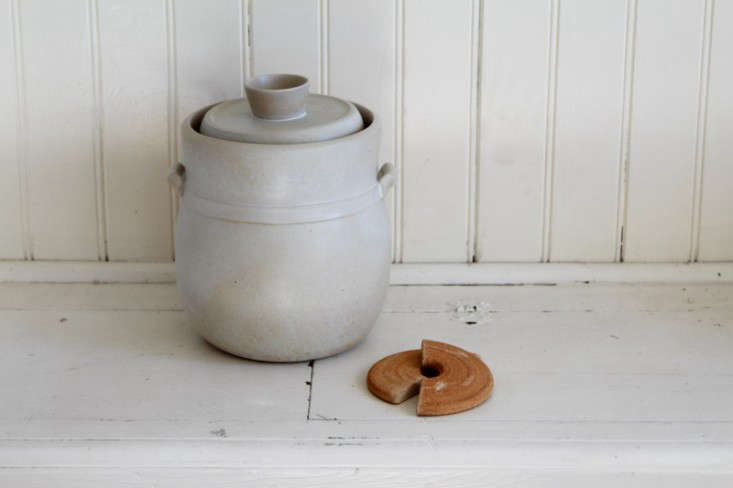

The Sarah Kersten Large Fermentation Jar is not the kind of kitchen object that quietly hides in a cabinet next to the lonely fondue pot. It is a handmade stoneware fermentation vessel designed to work hard, look beautiful, and help home cooks turn cabbage, radishes, cucumbers, peppers, lemons, and other produce into tangy, bubbling, flavor-packed ferments. In a world full of plastic tubs and screw-top jars, this ceramic crock feels like a return to something slower, sturdier, and frankly, a little more charming.
At its core, the jar is built for lacto-fermentation, the traditional method behind sauerkraut, kimchi, fermented pickles, hot sauce, preserved lemons, and many other foods that taste like they had a tiny culinary adventure while you were sleeping. The large version is especially useful for people who want more than a small experiment. With a capacity of about 5.75 quarts and a height of roughly 11 inches, it is made for serious batches: the kind you share with family, friends, neighbors, or that one person who suddenly becomes very interested in your kitchen when they smell homemade kimchi.
What Is the Sarah Kersten Large Fermentation Jar?
The Sarah Kersten Large Fermentation Jar is a ceramic water-seal fermentation crock made by Sarah Kersten Studio, an Oakland, California ceramics studio known for durable, intentionally designed stoneware. The studio describes its work as a blend of modern and traditional processes, with custom designs, molds, clay bodies, and glaze formulas made in-house. That matters because fermentation is not just decorative kitchen theater. The vessel needs to be food-safe, stable, easy to clean, and practical enough to handle salt, acidity, brine, gas, vegetables, time, and the occasional overly enthusiastic batch of cabbage.
The large jar sits within Sarah Kersten Studio’s family of fermentation jars, alongside smaller and medium versions. The large size is aimed at fermented food lovers who want to make generous batches of sauerkraut, kimchi, or other vegetable ferments. Each jar comes with stoneware weights, which are essential for keeping vegetables submerged under the brine. If fermentation had a golden rule, it would be: keep the vegetables under the liquid. The weights help make that rule much easier to follow.
Why the Water-Lock Seal Matters
The standout feature of the Sarah Kersten Large Fermentation Jar is its water-lock seal. Instead of relying on a flat lid or a loose cloth covering, the jar uses a channel at the mouth that is filled with water. Once the lid is placed into the channel, the water creates a seal that allows carbon dioxide to escape while helping prevent oxygen from entering the ferment.
This matters because lacto-fermentation works best in a low-oxygen environment. Fresh vegetables naturally carry beneficial lactic acid bacteria. When vegetables are salted and packed beneath brine, those bacteria begin converting sugars into lactic acid. That acid gives ferments their tangy flavor and helps preserve the food. Oxygen, on the other hand, can encourage mold, yeast growth, and off-flavors. In short: friendly bacteria love the briny cave; mold prefers the oxygen party upstairs.
A water-seal crock gives the ferment a more controlled environment than many basic open-crock setups. It also helps reduce odors. That does not mean kimchi will smell like a bouquet of roseslet’s not insult kimchi by pretendingbut it does mean the jar is designed to contain the process more gracefully than a bowl covered with a towel and good intentions.
Design, Materials, and Aesthetic Appeal
One reason people search for the Sarah Kersten Large Fermentation Jar is that it is as attractive as it is useful. Many fermentation tools are practical but not exactly display-worthy. Some look like laboratory equipment. Others look like something inherited from a basement. This jar, by contrast, belongs on the counter. It has the visual warmth of handmade ceramics and the kind of understated design that fits beautifully in modern, rustic, farmhouse, minimalist, and chef-inspired kitchens.
The large jar is available in studio glazes that may include options such as Classic White, Gunmetal Black, Fig, and Klamath Wheat, depending on current availability. These finishes make the jar feel less like a gadget and more like a permanent kitchen companion. It is the rare fermentation crock that can sit beside a cutting board, a stack of linen towels, and a bowl of lemons without ruining the vibe.
The ceramic body also has a practical advantage: it is opaque. Unlike clear glass jars, which expose ferments to light, ceramic crocks help create a darker environment. For many vegetable ferments, a cool, dark location is preferred. The thick ceramic form also gives the vessel a sense of stability. When a jar is full of nearly six quarts of cabbage and brine, “stable” is a very attractive word.
Best Uses for the Large Fermentation Jar
Sauerkraut
Sauerkraut is probably the classic use case for a large fermentation crock. Cabbage shreds down dramatically once salted and massaged, but a generous batch still takes space. The large Sarah Kersten jar is ideal for making enough kraut to eat over several weeks. A basic sauerkraut can be as simple as cabbage and salt, but you can add caraway, juniper berries, garlic, shredded apple, turmeric, ginger, or chili flakes for personality. Think of cabbage as the quiet friend who becomes hilarious with the right seasoning.
Kimchi
Kimchi is another excellent match for this jar. Napa cabbage, radish, scallions, garlic, ginger, gochugaru, and salted seasoning paste need room to mingle. The stoneware weights help press everything down, while the water-lock seal supports the low-oxygen environment that vegetable fermentation prefers. Because kimchi can be aromatic, the water-seal design is especially welcome. Your kitchen may still smell alive, but it should not smell like the kimchi is trying to move in permanently.
Fermented Pickles
Cucumbers, garlic, dill, grape leaves, peppercorns, and brine can become crisp, sour pickles with patience and the right container. A larger crock allows you to ferment enough cucumbers for gatherings, meal prep, or snack emergencies. The key is to choose fresh, firm cucumbers and keep them fully submerged. Soft pickles are a heartbreak best avoided.
Fermented Hot Sauce
For hot sauce lovers, a large fermentation jar opens up big-batch possibilities. Peppers can be fermented with garlic, onions, carrots, fruit, or spices before blending into sauce. A fermented hot sauce often tastes rounder and more complex than a quick vinegar sauce. It has heat, yes, but also depth. It is the difference between someone shouting “spicy!” and someone telling a story with chili peppers.
Preserved Lemons and Specialty Ferments
The jar can also handle preserved lemons, fermented beets, curtido, giardiniera-style vegetables, fermented carrots, and seasonal experiments. If you shop farmers markets or maintain a garden, the large size gives you a way to preserve abundance before it becomes compost with a guilt complex.
How to Use the Sarah Kersten Large Fermentation Jar
Using the jar is simple, but precision helps. First, wash the vessel, lid, and weights with hot, soapy water and rinse well. Prepare your vegetables according to the recipe. For dry-salted ferments like sauerkraut, salt draws liquid from the vegetables to create brine. For brined vegetables like pickles, you prepare a saltwater solution separately.
Pack the vegetables firmly into the jar, pressing out air pockets as you go. Add enough brine so the vegetables are covered. Place the stoneware weights on top to keep everything submerged. Then set the lid into the water channel and fill the channel with water to create the seal. As fermentation begins, carbon dioxide will form and escape through the water-lock system.
During fermentation, check the water channel regularly and top it off if needed. Evaporation happens, especially in dry kitchens. Also keep an eye on temperature. Many sauerkraut guidelines recommend fermenting around 70 to 75 degrees Fahrenheit for good quality results. Cooler temperatures slow fermentation, while warmer temperatures can make vegetables soften too quickly. Fermentation is alive, which means it has opinions about the weather.
Safety Tips for Better Fermentation
Safe fermentation is not complicated, but it does reward good habits. Use clean equipment, fresh produce, and the correct salt ratio for the recipe. Do not dramatically reduce salt in tested fermentation recipes, because salt helps select for the beneficial bacteria that drive the process while discouraging unwanted microbes. In other words, salt is not just there for flavor; it is part of the safety team.
Keep vegetables covered by brine throughout fermentation. If pieces float above the liquid, remove them or push them back under the weights. Floating bits are where problems often begin. The brine should sit above the produce, and the weights should hold solids down securely. If you are fermenting shredded vegetables, press them firmly so there are fewer trapped air pockets.
Trust your senses, but do not romanticize obvious spoilage. A healthy ferment smells sour, tangy, vegetal, funky, or pleasantly sharp. It should not smell rotten, putrid, or like a dare. Some surface yeast can occur in fermentation, but fuzzy mold, slimy textures, or foul odors are warning signs. When in doubt, throw it out. No jar of cabbage is worth a dramatic digestive plot twist.
Sarah Kersten Large Jar vs. Mason Jars and Plastic Containers
Mason jars are affordable and great for small batches. They are easy to find, easy to clean, and perfect for beginners testing sauerkraut or carrots. However, large batches can become cumbersome in multiple jars, and basic lids do not manage gas and oxygen as elegantly unless you add airlock accessories.
Plastic fermentation containers can be lightweight and practical, especially for kimchi. Some modern designs include inner plates or airlock systems that keep vegetables submerged. Still, plastic can hold odors, scratch over time, and may not appeal to cooks who prefer ceramic or glass. A ceramic water-seal jar is heavier, more expensive, and less portable, but it offers beauty, durability, darkness, and a traditional fermentation feel.
The Sarah Kersten Large Fermentation Jar is best suited for someone who knows they will ferment regularly or wants a long-lasting, display-worthy vessel. It is not the cheapest path into fermentation. It is the “I have become the kind of person who owns a beautiful crock” path. There is no shame in that. Frankly, it sounds delicious.
Who Should Buy the Sarah Kersten Large Fermentation Jar?
This jar makes the most sense for home cooks who already love fermented foods or want to move beyond tiny countertop experiments. If you make sauerkraut once a year, a smaller jar might be enough. But if you cook seasonally, shop in bulk, grow vegetables, meal prep for a family, or dream about a refrigerator full of homemade pickles, the large size is practical.
It is also a strong fit for design-conscious cooks. Some tools work well but look like they were assembled during a hardware-store emergency. The Sarah Kersten jar offers a different experience: it is functional stoneware that you can leave out without apologizing to your backsplash. It turns fermentation from a hidden science project into part of the kitchen landscape.
Care and Cleaning
After each batch, empty the jar and remove the weights. Wash the interior, lid, and weights with hot, soapy water, then rinse thoroughly. Let all parts dry completely before storing. Pay attention to the water channel, because salt and brine can collect there. Avoid harsh abrasives that may damage the surface. A soft brush or sponge is usually enough.
If strong aromas linger, air-drying the jar fully can help. Fermented garlic, chilies, and kimchi are not shy. Some cooks dedicate particular vessels to especially aromatic ferments. That may be overkill for casual users, but if you plan to rotate between preserved lemons and extra-garlicky kimchi, your nose may appreciate the strategy.
Is It Worth It?
The Sarah Kersten Large Fermentation Jar is a premium piece, not a bargain-bin starter kit. Its value comes from the combination of function, handmade ceramic craftsmanship, capacity, and counter-worthy design. It gives you a traditional water-seal fermentation system, included weights, and enough room for family-size batches. For people who ferment often, those qualities can justify the investment.
For beginners, the question is not whether the jar works; it is whether you will use it. If your fermentation curiosity begins and ends with one jar of carrots, start smaller. If you already bookmark sauerkraut recipes, buy cabbage in multiples, and have strong opinions about brine clarity, the large jar may feel like an upgrade you will use for years.
Conclusion
The Sarah Kersten Large Fermentation Jar is more than a pretty crock. It is a thoughtful tool for making generous batches of sauerkraut, kimchi, pickles, hot sauce, preserved lemons, and other brined vegetables. Its water-lock seal helps maintain the low-oxygen environment that fermentation needs, while its stoneware weights keep vegetables tucked safely under brine. The ceramic body brings stability, darkness, and a handmade beauty that makes the jar feel at home on the counter.
For cooks who want an inexpensive first experiment, a Mason jar setup may be enough. But for committed fermenters, seasonal cooks, and anyone who wants a fermentation vessel that looks as good as it performs, the Sarah Kersten Large Fermentation Jar earns its place in the kitchen. It is practical, durable, elegant, and quietly dramaticin the best possible way. After all, if cabbage is going to transform into something magical, it might as well do it in a beautiful house.
Experience Notes: Living With the Sarah Kersten Large Fermentation Jar
Using a large ceramic fermentation jar changes the rhythm of home fermentation. With small jars, fermenting can feel like a tiny side project squeezed between breakfast dishes and yesterday’s coffee mug. With the Sarah Kersten Large Fermentation Jar, the process feels more intentional. You clear counter space. You buy several heads of cabbage. You sharpen the knife, pull out the cutting board, and suddenly the kitchen feels like it has a purpose beyond reheating leftovers.
The first practical experience is scale. A large jar encourages you to think in batches rather than samples. Instead of making one pint of sauerkraut that disappears after two sandwiches and a forkful stolen from the fridge, you can make enough to eat, share, and age. This is especially useful for families or anyone who eats fermented vegetables daily. A full batch becomes part of the meal plan: kraut with sausages, kimchi fried rice, pickles with lunch, fermented carrots beside roast chicken, hot sauce on nearly everything except maybe cereal.
The second experience is confidence. The water-lock seal removes some of the awkward improvisation that beginners often face. There is no need to build a tower of small jars, plates, and suspiciously clean rocks to keep vegetables submerged. The included stoneware weights do their job, and the lid-and-channel design makes the setup feel complete. You still need to check the water level and follow a sound recipe, but the jar gives the process a calmer, more professional feeling.
Another noticeable detail is how beautiful the waiting becomes. Fermentation requires patience, and patience is easier when the vessel looks good. A plastic tub in the corner can make a kitchen feel cluttered. A handmade ceramic jar looks deliberate. Guests may ask about it, which gives you the pleasure of saying, with casual confidence, “Oh, that’s my kimchi.” This sentence is surprisingly satisfying. It carries the same energy as “I baked the bread” or “Those herbs are from my garden.”
There are also a few real-life lessons. First, do not overfill the jar. Ferments bubble, expand, and produce brine movement. Leave room for the weights, the lid, and the natural enthusiasm of carbon dioxide. Second, place the jar somewhere stable before filling it. A nearly six-quart crock full of vegetables and brine is not something you want to casually relocate while pretending your wrists are stronger than they are. Third, label your batch with the date and recipe details. Future you will not remember whether you used 2% salt, extra ginger, or that mystery chili blend. Future you is charming but unreliable.
The best part of using a jar like this is the moment you open it after several days or weeks and taste the result. Good fermentation feels like collaboration. You did the chopping, salting, packing, and waiting; the microbes did the invisible work. The Sarah Kersten Large Fermentation Jar simply gives that collaboration a well-designed place to happen. It turns vegetables into pantry treasures and turns the cook into someone who checks a crock like gardeners check seedlings. Quietly, proudly, and maybe a little too often.


