
Note: This article is written for web publication and synthesizes real U.S. home organization, retail, and installation guidance into original content.
A utility shelf with hooks is one of those humble home upgrades that does not ask for applause, yet somehow fixes three problems before breakfast. It gives your keys a home, stops dog leashes from performing interpretive dance on the floor, and creates a landing zone for the daily items that usually end up on chairs, counters, stair rails, or, in extreme cases, “somewhere safe” forever.
At its simplest, a utility shelf with hooks combines a flat storage surface with hanging space underneath. The shelf holds small baskets, mail, hats, décor, cleaning supplies, gloves, or everyday tools. The hooks hold coats, backpacks, tote bags, towels, aprons, umbrellas, pet gear, garden tools, and other grab-and-go essentials. That two-in-one design is why it works beautifully in entryways, mudrooms, laundry rooms, bathrooms, garages, kitchens, closets, dorm rooms, apartments, workshops, and even small offices.
In a world full of oversized storage systems and mysterious plastic bins labeled “miscellaneous,” the wall-mounted utility shelf with hooks is refreshingly direct. It uses vertical space, keeps frequently used items visible, and adds just enough structure to make a busy area feel intentional instead of mildly attacked by belongings.
What Is a Utility Shelf with Hooks?
A utility shelf with hooks is a wall-mounted organizer that includes at least one shelf and a row of hooks. Some models are decorative, such as farmhouse-style entryway shelves with wood boards and black metal hooks. Others are more heavy-duty, made for garages, laundry rooms, or utility closets with metal frames, wire shelves, baskets, and tool hooks.
The best part is its versatility. In an entryway, it becomes a compact coat rack with a shelf for keys and sunglasses. In a laundry room, it stores detergent, stain removers, clothespins, and hang-dry items. In a bathroom, it can hold folded towels on top and robes underneath. In a garage, it can organize gloves, extension cords, hand tools, garden accessories, and those random bungee cords that seem to multiply when no one is looking.
Why This Small Shelf Solves Big Clutter Problems
Most household clutter is not caused by laziness. It is caused by homeless objects. When there is no obvious place for a backpack, it lands on the floor. When keys do not have a hook, they begin a daily career in hide-and-seek. When cleaning sprays have no shelf, they gather under the sink like a tiny chemical convention.
A utility shelf with hooks gives everyday objects a designated zone. This is especially helpful in transition areas, such as the front door, garage entrance, laundry room, or back hallway. These are the places where people arrive, drop things, leave things, forget things, and then ask everyone else where those things went.
It Saves Floor Space
Wall-mounted storage is ideal for small homes, apartments, narrow hallways, and compact mudrooms because it turns empty wall space into useful storage. Unlike a freestanding cabinet or hall tree, a utility shelf with hooks does not demand floor space. That matters when your entryway is less “grand foyer” and more “please step sideways.”
It Keeps Essentials Visible
Closed cabinets are great for hiding clutter, but they are not always great for remembering things. A shelf with hooks keeps your daily essentials in sight. You can see the dog leash, the umbrella, the gym bag, and the reusable grocery totes before you leave the house. Visibility is not just convenient; it can save you from the tragic parking-lot realization that the grocery bags are still at home.
It Adds Style Without Wasting Space
Modern utility shelves come in many looks: rustic wood, matte black metal, white farmhouse, industrial pipe, minimalist Scandinavian, warm walnut, bamboo, wire basket, and sleek contemporary designs. That means the organizer can blend into your home instead of looking like it escaped from a supply closet.
Best Places to Use a Utility Shelf with Hooks
Entryway or Foyer
The entryway is the natural home for a utility shelf with hooks. Use the hooks for coats, scarves, hats, purses, backpacks, and dog leashes. Use the shelf for a small tray, keys, sunglasses, wallets, outgoing mail, and a decorative item that says, “Yes, this home has its life together,” even if there are sneakers under the console table.
Mudroom
A mudroom shelf with hooks can become a family command center. Assign one hook to each person for bags and jackets. Add labeled baskets on the shelf for gloves, school forms, sunscreen, bug spray, or seasonal accessories. If you have kids, install the shelf low enough that they can hang their own items. This does not guarantee they will, but it removes one excellent excuse.
Laundry Room
In the laundry room, a shelf with hooks can hold detergent, dryer balls, stain remover, lint rollers, mesh wash bags, and folded cleaning cloths. Hooks can hold hangers, laundry bags, brushes, delicates, ironing accessories, or a small drying rack. It is a smart way to turn a blank wall into a working surface without installing cabinets.
Kitchen
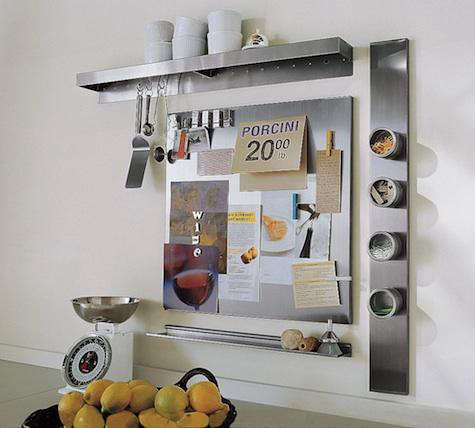
A kitchen utility shelf with hooks is perfect for mugs, measuring spoons, aprons, dish towels, small baskets, spices, or coffee station supplies. In a small kitchen, it can free cabinet space and make frequently used items easier to grab. Just avoid overloading it with every pan you own unless the shelf is specifically rated for heavy cookware.
Bathroom
In a bathroom, the shelf can store folded washcloths, jars, skincare products, candles, or small baskets. Hooks can hold robes, towels, loofahs, hair tools, or shower caps. Choose moisture-resistant materials such as metal, sealed wood, bamboo, or painted finishes that can handle humidity better than raw wood.
Garage or Workshop
For garages, look for a heavy-duty utility shelf with hooks made of steel, powder-coated metal, wire shelving, or reinforced brackets. Use it for work gloves, small toolboxes, chargers, extension cords, helmets, garden tools, paint accessories, and shop towels. Garage storage should prioritize strength and safety over cuteness, although a good-looking garage shelf deserves its moment too.
How to Choose the Right Utility Shelf with Hooks
1. Measure the Wall First
Before buying anything, measure the width, height, and depth of the wall area. A shelf that looks compact online may feel like an aircraft carrier in a narrow hallway. Check door swings, cabinet doors, light switches, thermostats, and walking clearance. For entryways, leave enough room so coats and bags do not slap people as they pass.
2. Match the Shelf to the Load
Think about what the shelf needs to hold. Keys and scarves require far less strength than backpacks, winter coats, tools, or storage baskets. Look at the manufacturer’s weight rating for both the shelf and the hooks. A shelf may hold décor beautifully but still not be suitable for heavy bags or garage tools.
3. Pick the Right Material
Wood shelves add warmth and work well in entryways, bedrooms, kitchens, and living spaces. Metal shelves are durable and often better for garages, laundry rooms, and utility areas. MDF or engineered wood can be budget-friendly and attractive, but it should be kept away from heavy moisture unless properly sealed. Wire shelves are practical in laundry rooms, pantries, and garages because they allow airflow and are easy to clean.
4. Choose Hook Style Carefully
Single hooks are clean and simple. Double hooks provide more hanging capacity in the same footprint. Peg hooks give a casual, traditional look. S-hooks and utility hooks work well for tools, cords, and garage storage. For family use, rounded hooks are often easier and safer than sharp or narrow hooks, especially at child height.
5. Consider the Shelf Depth
A shallow shelf around 4 to 6 inches deep is great for keys, small baskets, mail, and décor. A deeper shelf can hold folded towels, bins, cleaning supplies, or larger accessories. In tight spaces, shallow is your friend. In laundry rooms or garages, deeper storage may be more useful.
6. Think About Installation
A secure installation matters more than the shelf’s style. For heavier use, mount the shelf into wall studs whenever possible. If studs are not available in the right position, use appropriate wall anchors rated for the combined weight of the shelf and the items you plan to store. Adhesive hooks may work for lightweight temporary items, but they are not the right choice for a loaded shelf.
Installation Tips for a Safer, Stronger Shelf
Installing a utility shelf with hooks is usually a beginner-friendly project, but it deserves careful attention. Start by reading the manufacturer’s instructions. Then gather a tape measure, pencil, level, stud finder, drill, screws, anchors if needed, and a second person if the shelf is wide or heavy.
- Find the studs. Use a stud finder to locate wall studs and mark them lightly with pencil.
- Plan the height. For adult coats, hooks are often comfortable around shoulder height. For kids, lower hooks encourage independence.
- Use a level. A crooked shelf will bother you every time you walk past it. It may also make items slide.
- Drill pilot holes. Pilot holes help guide screws and reduce splitting in wood or strain on the wall.
- Secure the shelf firmly. Attach the shelf to studs or proper anchors, then test it gently before loading it.
- Load gradually. Add items slowly and keep heavier pieces near the mounting points when possible.
If you are installing a shelf on tile, brick, plaster, or concrete, use hardware designed for that surface. When in doubt, ask a hardware specialist or hire a handyman. Gravity is not known for forgiveness.
Utility Shelf with Hooks Ideas by Room
Small Apartment Entry
Choose a narrow wall shelf with three to five hooks. Add a small tray for keys, a mini basket for sunglasses, and one decorative item such as a plant or framed print. Keep the hooks limited to daily-use items only. The goal is convenience, not recreating a winter coat museum.
Family Drop Zone
Install a longer shelf with multiple hooks near the garage door or back entrance. Add labeled baskets for each family member. Hooks can hold backpacks, lunch bags, jackets, sports caps, and pet leashes. A nearby shoe bench or boot tray completes the system.
Rustic Laundry Organizer
Use a wood shelf with metal hooks above the washer and dryer. Store detergent pods, dryer sheets, clothespins, stain remover, and small jars on top. Hang hangers, mesh laundry bags, and cleaning brushes below. Add one funny laundry sign if you must, but remember: the socks are still missing.
Garage Tool Station
Use a metal utility shelf with heavy-duty hooks mounted into studs. Store safety glasses, gloves, small bins, battery chargers, and spray cans on the shelf. Hang cords, hand tools, helmets, garden gloves, or lightweight equipment on the hooks. Group similar items together so the garage becomes a workspace, not a treasure hunt.
Bathroom Towel Shelf
Install a shelf with hooks near the shower or vanity. Roll hand towels or washcloths on the shelf and hang robes or bath towels underneath. Choose finishes that resist moisture and wipe the shelf regularly to prevent dust and humidity buildup.
Common Mistakes to Avoid
Overloading the Hooks
Hooks are useful, but they are not magic. A hook rated for light coats should not be asked to support a loaded backpack, a toolbox, and your emotional baggage. Follow weight limits and spread items evenly.
Installing Too High
If the shelf is too high, people will not use it. If hooks are too high for children, their coats will still end up on the floor. Install based on real users, not just what looks good in a product photo.
Ignoring Wall Type
Drywall, plaster, brick, tile, and concrete all require different mounting strategies. Using the wrong anchor can lead to loose screws, wall damage, or a dramatic shelf collapse. Choose hardware for your wall material and load.
Letting It Become a Clutter Magnet
A utility shelf should simplify your space, not become a tiny attic. Keep only active-use items on it. Rotate seasonal accessories and remove anything that has been sitting untouched for weeks. The shelf should say “organized,” not “I am where receipts go to retire.”
Design Tips for Making It Look Good
A utility shelf with hooks can be practical and attractive at the same time. Use matching baskets to hide small items. Pick hooks that coordinate with nearby hardware, such as door handles, cabinet pulls, or light fixtures. If the shelf is in a visible entryway, add one decorative element: a plant, candle, framed photo, small art piece, or ceramic bowl.
Color also matters. White shelves brighten small spaces. Black metal adds contrast and works well with modern or industrial interiors. Natural wood brings warmth. Dark walnut or espresso finishes feel polished and traditional. Wire shelves are less decorative but extremely functional in working rooms.
Maintenance and Cleaning
Utility shelves are low-maintenance, but they still need occasional attention. Dust the shelf weekly or whenever you notice a tiny gray sweater forming on top. Wipe hooks with a damp cloth, especially in kitchens, laundry rooms, and garages. Check screws every few months if the shelf holds heavy items or gets daily use.
For wood shelves, avoid soaking the surface. Use a lightly damp cloth and dry it quickly. For metal shelves, watch for scratches or rust in humid spaces. For painted or MDF shelves, clean gently so the finish does not chip or peel.
Buying Checklist
- Measure the wall width, height, and walking clearance.
- Check shelf depth and hook projection.
- Confirm total weight capacity and hook capacity.
- Choose material based on room conditions.
- Make sure mounting hardware is included or buy the correct hardware separately.
- Match the style to your home’s finish, color, and mood.
- Read reviews for stability, ease of installation, and real-life durability.
Personal Experience: Living with a Utility Shelf with Hooks
After using a utility shelf with hooks in different spaces, the biggest lesson is simple: the best organizer is the one placed exactly where the mess already happens. I once installed a shelf with hooks near a back door because the family kept dropping keys, jackets, umbrellas, and dog leashes on a nearby chair. At first, the shelf looked almost too small to make a difference. It had one modest top ledge and five hooks. Nothing dramatic. No grand renovation reveal. No choir of organized angels.
But within a week, the chair was free again. Keys landed in a small bowl on the shelf. The dog leash went on the same hook every time, which made walks faster and eliminated the daily “Who moved the leash?” investigation. A reusable grocery bag lived on another hook, so it actually made it to the store instead of staying home like a forgotten houseplant. The shelf did not change anyone’s personality, but it changed the path of least resistance. That is the secret of good storage.
In a laundry room, the experience was different but just as useful. A shelf with hooks above the washer created a compact station for stain remover, dryer balls, extra hangers, lint rollers, and a small basket for stray socks. The hooks held mesh bags and a clothes brush. Before that, laundry supplies were scattered across the machine tops, which meant everything vibrated around during spin cycles like it was trying to escape. Once the shelf went up, the room felt calmer and cleaning became easier because the washer and dryer surfaces stayed clear.
The garage taught another lesson: choose strength before style. A decorative shelf that looks adorable in an entryway may not belong in a tool zone. For garage use, a stronger metal unit with properly rated hooks is worth it. When storing work gloves, extension cords, small garden tools, and cleaning accessories, the shelf must feel solid. Mounting into studs made a noticeable difference. The shelf did not wiggle, the hooks held their shape, and the area became easier to maintain.
The only real downside is that a utility shelf with hooks can become too popular. Everyone sees an empty hook and thinks, “Wonderful, I shall place this here forever.” The solution is a quick weekly reset. Remove anything that does not belong, return seasonal items to closets, and keep the shelf focused on daily essentials. The shelf should support routines, not collect random objects from every room.
From personal use, the ideal setup includes one small tray, one basket, and enough hooks for real daily habits. Do not overdecorate it. Do not overload it. Do not install it where people never naturally stop. Put it beside the door, above the laundry counter, near the garage entrance, by the bathroom shower, or wherever life already piles up. A utility shelf with hooks works best when it quietly catches the clutter before the clutter gets ambitious.
Conclusion
A utility shelf with hooks is a small upgrade with an impressive ability to organize daily life. It combines shelf storage and hanging space in one compact design, making it ideal for entryways, mudrooms, laundry rooms, kitchens, bathrooms, garages, and small apartments. The right shelf can keep essentials visible, reduce floor clutter, improve routines, and add style without taking over the room.
To choose the best one, start with your space and habits. Measure carefully, check weight limits, choose the right material, and install it securely. Then give every item a clear job and location. When used well, a utility shelf with hooks becomes more than a wall accessory. It becomes the tiny household manager you did not know you needed.


