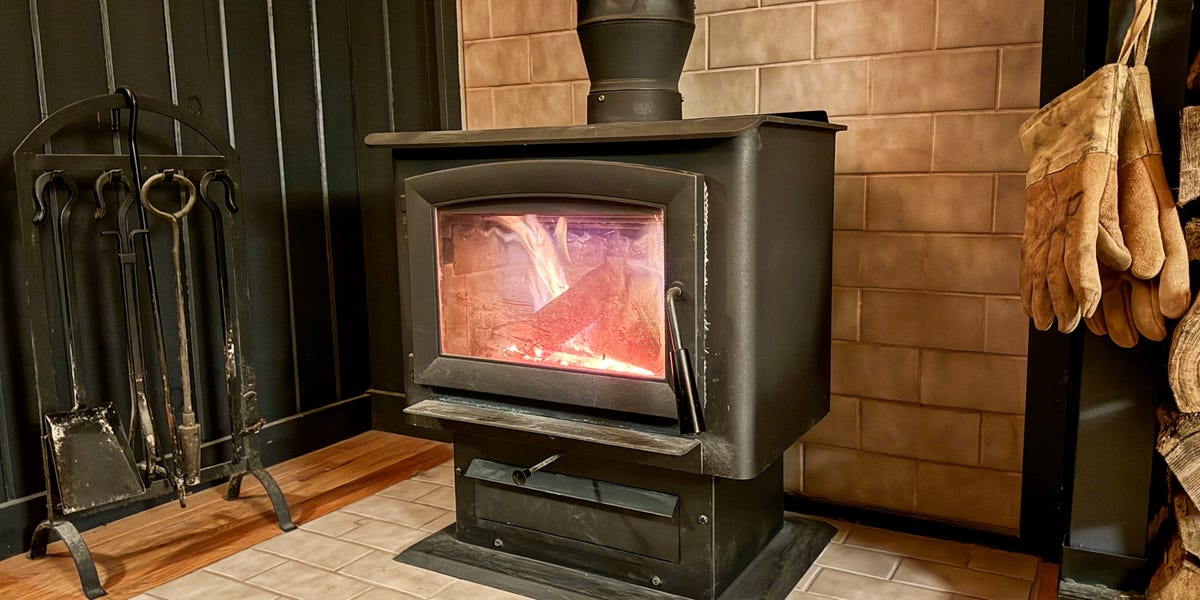

A good wood stove is basically a tiny, well-mannered dragon you keep in your living room: it eats logs, breathes heat, and occasionally demands attention at the least convenient time (usually when you’re in socks). The best part? Modern EPA-certified wood stoves are dramatically cleaner and more efficient than the smoky antiques of decades pastmeaning more warmth from less wood, fewer “why does my house smell like a campfire?” moments, and a lot less guilt when your neighbor’s laundry is on the line.
This 2024 guide cuts through the noise and focuses on stoves people actually buy, install, and live with. You’ll get clear wood stove recommendations across budgets and home sizes, plus a simple buying guide so you don’t end up with a stove that’s either too small (hello, chilly toes) or too big (hello, sauna).
Quick Picks: Best Wood Stoves in 2024 (At a Glance)
- Best overall long-burn, low-emissions: Blaze King Princess 32 (catalytic)
- Best value for larger spaces: Drolet Escape 1800 (non-catalytic)
- Best “buy it once” premium hybrid: Woodstock Soapstone Progress Hybrid
- Best classic cast-iron centerpiece: Jøtul F 500 V3 Oslo
- Best steady, gentle heat (soapstone comfort): Hearthstone Heritage
- Best made-in-USA steel workhorse: Lopi Liberty NexGen-Fyre
- Best medium-size daily driver: Pacific Energy Super 27
- Best compact modern look: Drolet Deco Nano
- Best budget/small cabin option: US Stove Logwood / US1269E style stoves
- Best fireplace insert upgrade: Regency Cascades i2500 (hybrid insert) or Drolet Escape 1800-I (insert)
How These Wood Stove Recommendations Were Selected
“Best” depends on your house, your climate, and how you burn. So instead of pretending there’s one magical stove for everyone, these picks are organized by real use cases: long burn time, budget heating, premium performance, classic looks, or converting an old fireplace into an actual heater.
Every recommendation prioritizes modern, EPA-certified designs, practical usability (loading, ash handling, glass cleanliness, control), and strong brand support. You’ll also see a mix of burn technologies: non-catalytic, catalytic, and hybrid stovesbecause your patience level matters just as much as your floor plan.
Wood Stove Buying Guide: Choose the Right Stove (Without Regret)
1) Size it right: heating area, firebox size, and realistic expectations
Wood stove sizing is the fastest way to turn a great product into a frustrating experience. Too small, and the stove runs hot all the time while your far rooms stay cold. Too big, and you end up “idling” the stove (a.k.a. choking the air down) just to stay comfortablewhich can make for dirtier burns and more creosote.
Use manufacturer heating ranges as a starting point, then adjust for your reality: insulation quality, ceiling height, how open your layout is, and how serious your winters get. A “2,000 sq ft” stove in a drafty farmhouse with tall ceilings may behave like a “1,300 sq ft” stove. Meanwhile, in a tight newer build, the same stove can feel like it’s trying to melt your furniture.
2) Catalytic vs. non-catalytic vs. hybrid
Here’s the simple version:
- Non-catalytic wood stoves burn smoke using secondary combustion (hot air + good design). They’re usually simpler, often less expensive, and can be very effectiveespecially for people who don’t want extra parts to monitor.
- Catalytic wood stoves use a combustor (the “cat”) to burn smoke at lower temperatures. In real life, that can mean longer burn times, steadier heat, and very low emissionsat the cost of a little extra operational know-how and periodic combustor maintenance.
- Hybrid wood stoves combine both approaches. Think of it as performance plus flexibility: strong clean burns across a wider range of outputs, often with excellent efficiency.
3) Materials: steel, cast iron, soapstone (and why your preferences matter)
Steel stoves tend to heat up quickly and are often more affordable. Cast iron stoves are the classic “heirloom” lookbeautiful, durable, and great at holding heat once hot. Soapstone (or stoves lined with it) is the comfort king: it absorbs heat and releases it slowly for a gentler, more even warmth. If you’re the type who hates temperature swings, soapstone is your love language.
4) Installation and safety: the stuff that matters more than paint color
A wood stove is not a plug-and-play toaster. Proper venting, clearances to combustibles, hearth protection, chimney condition, and outside-air considerations can make or break your experience. If you want a stove to be safe and perform well, budget for professional installation or at least professional inspection of your plan.
Also: burn the right wood. Dry, seasoned firewood is not a “nice to have”it’s the difference between clean heat and a smoky mess. If your wood is wet, your stove will work harder, smoke more, and build creosote faster.
5) Efficiency, emissions, and (maybe) a tax credit
Modern EPA-certified stoves are designed to meet stringent emissions standards, which helps reduce smoke and fine particulate pollution. Efficiency matters toonot just for your wallet, but for how often you’ll be hauling wood.
If you’re shopping in 2024, you may also see mention of the federal biomass stove tax credit for qualifying high-efficiency appliances. Rules and eligibility can change, so treat this as a “nice bonus,” not the reason to buy the stove.
The Best Wood Stoves in 2024: Detailed Recommendations
1) Blaze King Princess 32 Best Overall for Long Burns and Set-It-and-Forget-It Heat
If you want a stove that behaves like a calm, responsible adult, the Blaze King Princess 32 is a top-tier pick. It’s a catalytic wood stove with a built-in thermostat controlmeaning it can automatically regulate heat output without electricity. That’s a big deal for steady comfort, overnight burns, and folks who don’t want to babysit a fire every time they blink.
- Why it shines: very low emissions for its class, long burn potential, stable heat output, deep firebox design.
- Watch-outs: catalytic stoves reward good burning habits; plan for periodic combustor care.
- Best for: primary heat in cold climates, people who value long burn time and consistency.
2) Drolet Escape 1800 Best Value “Big Heat” Stove
The Drolet Escape 1800 is the friend who helps you move and only asks for pizza. It delivers a lot of heating capability for the money, with a straightforward non-catalytic design that’s easy to live with. It’s a common choice for medium-to-larger spaces where you want serious warmth without stepping into premium pricing.
- Why it shines: strong output and heating range, modern EPA-certified performance, practical day-to-day operation.
- Watch-outs: like many budget-friendly workhorses, fit-and-finish isn’t always “designer showroom.”
- Best for: households that want a high-performance heater with a sensible price tag.
3) Woodstock Soapstone Progress Hybrid Best Premium Hybrid for Efficiency and Comfort
This is the “I cook my own sourdough and actually have a plan for my weekend” stove. The Progress Hybrid is a hybrid wood stove that blends catalytic performance with secondary combustion, wrapped in the slow, cozy warmth of soapstone. In practice, that can mean clean burns across a wide range of heat outputs and a wonderfully even heat feelless blast furnace, more “wow, the whole house feels nice.”
- Why it shines: excellent efficiency, low emissions, premium build, gentle heat character.
- Watch-outs: heavyweight stove (plan install logistics); premium pricing.
- Best for: people treating a stove like a long-term investment and a lifestyle upgrade.
4) Jøtul F 500 V3 Oslo Best Classic Cast-Iron Statement Piece
Some stoves are heaters. This one is furniture that happens to heat your house. The Jøtul Oslo has that iconic cast-iron look, a generous fire viewing area, and the kind of build that makes you want to say things like “they don’t make ’em like they used to” (even though this one is modern inside).
- Why it shines: timeless design, strong heating capacity, large-log flexibility, very low emissions reported for its model class.
- Watch-outs: cast iron is premium; pay attention to clearances and hearth requirements.
- Best for: living rooms, great rooms, and anyone who wants beauty plus serious heat.
5) Hearthstone Heritage Best Soapstone “Slow Heat” Comfort
If you love the idea of warmth that lingerslike the stove is giving your home a blanket instead of a hair dryer the Hearthstone Heritage is a standout. Soapstone’s slow release can smooth out peaks and valleys in temperature, which many people find more comfortable for everyday living.
- Why it shines: steady, even heat; premium look; strong efficiency for a comfort-focused stove.
- Watch-outs: heavier stove; give it time to come up to temperature (that’s the point).
- Best for: families who want “cozy all day,” not just “hot right now.”
6) Lopi Liberty NexGen-Fyre Best Made-in-USA Steel Workhorse
The Liberty is for people who want a stove that does its job without drama. It’s a large steel stove designed for substantial spaces, and it’s often chosen by folks who burn a lot and want a simple, robust heater with strong brand infrastructure behind it.
- Why it shines: heats large areas, practical output range, brand known for solid engineering.
- Watch-outs: large stove means large planningclearances, hearth size, and wood supply.
- Best for: bigger homes, open layouts, and serious winter heating.
7) Pacific Energy Super 27 Best Medium-to-Large “Daily Driver”
The Pacific Energy Super 27 is a popular choice for good reason: it’s built for regular use, sized for many typical homes, and engineered to burn cleanly without a catalytic combustor. If you want something that feels balanced not tiny, not enormous, not fussythis is a strong contender.
- Why it shines: dependable performance, clean-burn design, great fit for many mid-size heating needs.
- Watch-outs: non-catalytic stoves still need dry wood and good draft to stay clean and efficient.
- Best for: people upgrading from a fireplace or older stove to a modern, efficient heater.
8) Quadra-Fire 2100 Millennium Best for Straightforward, Mid-Size Heating
The Quadra-Fire 2100 Millennium is a practical, approachable stove that aims for easy operation and solid heating in a mid-size footprint. It’s a good option for households that want a reliable heater without overthinking every detail of burn technology.
- Why it shines: mid-size heating range, easy operation, widely supported brand ecosystem.
- Watch-outs: smaller firebox means shorter burn windows compared to larger stoves.
- Best for: smaller homes, cabins, workshops, or zone heating a main living area.
9) Drolet Deco Nano Best Compact Stove with a Modern Look
Not everyone needs a stove that can heat a small airport terminal. The Drolet Deco Nano is a compact, modern-looking option that makes sense for smaller homes, tighter installations, or spaces where you want a clean aesthetic without sacrificing real wood heat.
- Why it shines: compact footprint, modern styling, practical heat for smaller spaces.
- Watch-outs: smaller firebox means you’ll reload more oftenespecially in deep winter.
- Best for: small houses, ADUs, cabins, or zone heating a specific area.
10) US Stove Logwood / US1269E-Style Small Stoves Best Budget Option for Small Spaces
If your goal is simple, affordable heat for a smaller footprintthink cabins, workshops, hunting camps, or a modest square-footage homeUS Stove’s smaller EPA-certified models are often on the shortlist. They’re typically uncomplicated: load wood, control air, enjoy warmth.
- Why it shines: accessible price range, compact size, classic “wood stove” vibe.
- Watch-outs: small stoves can run hot; choose wood size and loading habits carefully.
- Best for: small spaces where you want real heat without a premium spend.
11) Best Wood Stove Inserts in 2024 Turn a Drafty Fireplace into a Heater
If you have an existing masonry fireplace, a wood stove insert can be the most dramatic “before and after” upgrade imaginable. Fireplaces are cozy, but they’re usually terrible heaters. An insert can seal up drafts and send heat into the room where you actually live.
- Regency Cascades i2500 (hybrid insert): a catalytic-assisted design aimed at longer burn times and very low emissionsgreat for households that want premium insert performance.
- Drolet Escape 1800-I (insert): a high-output, budget-friendly insert option designed to make a masonry fireplace far more useful.
Care, Feeding, and Keeping Your Wood Stove Happy
Burn dry wood (seriously)
If you only adopt one “expert” habit, make it this: burn wood that’s actually dry. Use a moisture meter, split a log, and measure the freshly exposed face. Dry wood burns hotter and cleaner, makes more usable heat, and reduces the smoke and creosote that lead to chimney problems.
Build hot starts, then cruise
A smoky start-up is like trying to run a marathon in flip-flops: technically possible, but everyone suffers. Start with dry kindling and a small, hot fire to establish draft. Once the stove is hot and the flue is warmed, you can dial in the air for efficient cruising.
Chimney maintenance isn’t optional
Even the best wood stove will produce some creosoteespecially during shoulder season, when people try to “sip” heat from small fires. Annual inspections and cleaning as needed are a safety baseline. If you burn as a primary heat source, more frequent checks can be smart.
FAQ: Wood Stove Questions People Actually Ask
What’s the biggest mistake wood stove buyers make?
Oversizing. People assume bigger is always better, then struggle to keep the stove from overheating the house. A properly sized stove used well is cleaner, safer, and more comfortable.
Do catalytic stoves always burn longer?
Often, yesespecially at lower output levels. But a long burn still depends on wood quality, draft, and how you run the stove. Catalytic designs reward consistency and good technique.
Is a wood stove insert worth it?
If you already have a masonry fireplace and you want real heating, inserts can be one of the best home upgrades in terms of comfort per dollar (and less drafty misery).
How do I know if my wood is “seasoned”?
The quickest truth-teller is a moisture meter. Many pieces that “look dry” are still too wet inside. Aim for reliably dry wood, stacked and stored properly.
What about air quality restrictions?
Some areas restrict wood burning during poor air quality events or have special rules for new installations. Always check local regulations before buying, especially in regions prone to winter inversions.
Conclusion
The best wood stove in 2024 is the one that fits your home, your climate, and your tolerance for tinkering. If you want ultra-steady heat and long burns, a catalytic stove like the Blaze King Princess is hard to ignore. If you want big heat for a sensible price, the Drolet Escape 1800 is a standout value. If you’re going premium, hybrid and soapstone designs can deliver the kind of comfort that makes winter feel like a feature, not a bug.
Choose a stove that matches your space, invest in a safe installation, and feed it dry wood. Do that, and you’ll get the kind of warmth that makes you forget electric bills even existat least until you open your email.
Bonus: Real-World Wood Stove Experience (About )
Let’s talk about what happens after the shiny new stove is installed and your friends stop saying, “Oooh, it’s so cozy!” because this is where real life begins. The first lesson most people learn is that a wood stove is less like a thermostat and more like cooking. You can follow a recipe, but you still have to taste the sauce.
Week one usually goes like this: you load it up because you’re excited, crank the air because you want flames, and accidentally turn your living room into a tropical destination. Then you do the oppositechoke it down too early and wonder why the glass looks like it was wiped with a dirty sock. The fix is boring but magical: start hot, establish draft, let the stove body heat up, and then cruise. Once you stop trying to “force” the stove and start working with it, everything gets easier.
Lesson two: wood quality is the boss. People swear they have “seasoned wood,” and then a moisture meter gently tells the truth. A stack that sat outside for a while isn’t automatically dry. Split wood dries faster than rounds, and covering only the top (not the sides) prevents trapping moisture. The first time you burn truly dry wood, your stove will feel like it got an upgrade. More heat. Less smoke. Easier starts. Cleaner glass. You’ll wonder how you ever tolerated the old routine.
Lesson three: shoulder season is creosote season. In fall and spring, you’re tempted to run low, lazy fires. That’s when deposits can build because flue temps stay lower. Many experienced burners do quick, hot fires to take the chill off instead of smoldering all day. It’s also why chimney checks are worth itespecially after your first season, when you’re still dialing in habits.
Lesson four: airflow matters more than you think. Opening an interior door, running a ceiling fan on low (winter setting), or adding a simple floor fan to push cool air toward the stove can help the whole house feel warmer. Heat moves best when you help it circulate. Also: don’t ignore gaskets and door seals. A tiny air leak can turn your stove into a runaway train.
Finally, the “grown-up” lesson: safety gear is not optional. A wood stove is a controlled fire in your home. Smoke alarms and carbon monoxide detectors should be non-negotiable. Keep ashes in a covered metal container outside. And if you ever hear the words “chimney fire” and “whoa” in the same sentence, call professionals and learn what went wrongbecause the goal is cozy, not cinematic.
Once you get past the learning curve, wood heat becomes a rhythm. You’ll know when to reload by the sound and look of the coals. You’ll stack wood like a person with opinions. And you’ll discover a strange joy in coming inside, cracking the stove door, and feeling the house exhale into warmth. It’s old-school comfort, upgraded for modern efficiencyand it’s hard to beat.