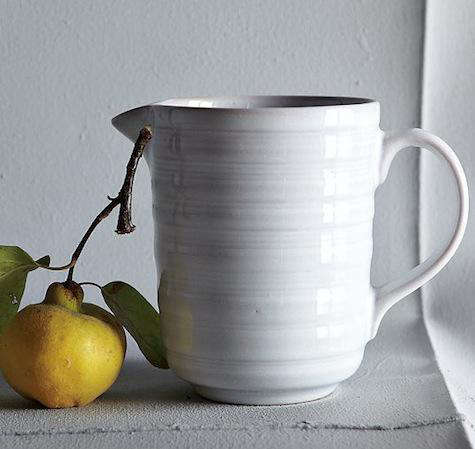

Some dinnerware walks into a room quietly. Some clinks, shines, stacks, and practically asks for a candlelit dinner. West Elm’s Flow Ceramics sit somewhere in the charming middle: understated enough for Tuesday-night pasta, textured enough for a dinner party where someone inevitably says, “Wait, where did you get these plates?”
The Flow collection is best remembered for its organic stoneware look, soft white glaze, and subtle concentric ridges that ripple across the surface like a calm pond after a very stylish pebble drop. It is not fussy. It is not trying to impersonate your grandmother’s wedding china. It is modern tabletop design with a handmade soulsimple, tactile, and refreshingly easy to live with.
Although West Elm’s archived Flow Dinnerware page lists some pieces as no longer available, the collection remains a useful design reference for anyone who loves modern ceramic dinnerware, white stoneware plates, relaxed table settings, and that popular “perfectly imperfect” home style. In other words: Flow Ceramics may not be the loudest guest at the table, but it definitely knows how to make the meal look better.
What Are West Elm Flow Ceramics?
West Elm Flow Ceramics refer to a tabletop and dinnerware line made with a stoneware-inspired aesthetic. The collection has been described as having an organic appeal, with subtle ridged rings and translucent glazes. That combination gives each piece visual movement without making the table look busy.
The official West Elm product details for Flow Dinnerware describe the pieces as crafted with concentric rings and finished with a transparent white glaze. The design was intended to be durable enough for everyday dining while offering enough subtle texture to dress up for special occasions. That is the sweet spot many households want: dinnerware that can handle soup, cereal, leftovers, guests, and the occasional “I forgot we invited people over” scramble.
The collection included familiar tabletop pieces such as dinner plates, salad plates, cereal bowls, soup bowls, and mugs. Older references to the Flow series also mention coordinating pieces like a pitcher, measuring cups, and mixing bowls, which helped extend the look from the dining table into the kitchen.
Why the Flow Design Still Feels Fresh
Design trends come and go, but some ideas age better than others. The Flow Ceramics look works because it avoids two common tabletop mistakes: being too plain and being too decorative. A completely flat white plate can feel sterile if the rest of the table lacks warmth. A heavily patterned plate can be delightful, but it may fight with colorful food, printed linens, or seasonal decor. Flow lands in the balanced zone.
The concentric rings add quiet texture. They catch light. They give sauces, salads, fruit, and pasta a more thoughtful frame. Yet the transparent white glaze keeps everything versatile. A plate like this does not demand a full dining room makeover. It plays nicely with wood tables, linen napkins, matte black flatware, clear glassware, woven chargers, and even that one mismatched serving bowl everyone pretends was “intentional.”
The Beauty of Subtle Texture
Texture is one of the easiest ways to make a table feel styled without making it feel overworked. The ridged surface of Flow Ceramics adds dimension, almost like a ceramic version of ripples in water. This is especially helpful with white dinnerware. White dishes are classic because they make food pop, but without shape or texture, they can sometimes look too basic. Flow solves that problem with a quiet design detail that rewards a closer look.
A Soft White Glaze That Works With Everything
The transparent white glaze is another reason the collection feels flexible. It can lean casual with cotton napkins and tumblers. It can look elevated with linen, candles, and stemware. It can support a minimalist table or soften a bolder one. This makes Flow Ceramics a strong inspiration point for anyone building a modern dinnerware collection around neutral, layered pieces.
Stoneware, Ceramic, and Everyday Durability
To understand the appeal of Flow Ceramics, it helps to understand stoneware. Stoneware is a type of ceramic dinnerware fired at high temperatures. Compared with earthenware, it is generally denser, less porous, and better suited to daily use. It often has a thicker, more grounded feel than porcelain, which can be thinner and more refined.
This is why stoneware dinnerware has become a favorite for modern homes. It feels substantial in the hand without looking clunky. It can look artisanal without being too delicate. And when finished with the right glaze, it bridges casual and polished dining beautifully.
That said, stoneware is not magical armor. It should still be handled with care. Avoid dramatic temperature shifts, stack pieces gently, and check manufacturer instructions before using any ceramic dinnerware in the microwave, dishwasher, oven, or freezer. West Elm’s archived Flow Dinnerware details list the pieces as microwave and dishwasher safe, but smart care habits will always help extend the life of ceramic tableware.
Key Pieces in the Flow Dinnerware Look
A well-designed dinnerware collection is not only about the dinner plate. It is about how the pieces work together during real meals. Flow Ceramics had the advantage of offering multiple tabletop essentials, each with a useful role.
Dinner Plates
The dinner plate is the anchor. In the Flow collection, the dinner plate measured about 10.6 inches in diameter according to West Elm’s archived specifications. That size works well for main courses without turning the table into a plate parade. The gentle ridges help frame food naturally, whether the meal is roasted chicken, grain bowls, grilled vegetables, or takeout sushi that has been “plated with intention.”
Salad Plates
The salad plate, listed at about 8.1 inches in diameter, is one of the most versatile pieces. Yes, it can hold salad. But it also works for desserts, toast, snacks, appetizers, breakfast, and those tiny lunches eaten while standing near the counter pretending this counts as self-care. A textured white salad plate is especially helpful because it layers beautifully over a dinner plate for casual entertaining.
Cereal and Soup Bowls
The Flow cereal bowl and soup bowl were both listed with 20-fluid-ounce capacities, making them useful for more than their names suggest. A cereal bowl can handle oatmeal, yogurt, rice bowls, noodles, and ice cream. A shallow soup bowl can work for pasta, risotto, stews, or composed salads. This flexibility matters because modern dinnerware should not require a new dish for every possible menu item. Your cabinets are not a museum.
Mugs
The Flow mug, listed at about 14 fluid ounces, fits the generous modern coffee habit. It is big enough for a real morning cup, not one of those decorative thimbles that makes you refill it six times before answering email. The ridged ceramic texture also gives the mug a satisfying hand feel, which is a small but meaningful pleasure in daily use.
How to Style Flow Ceramics on the Table
Flow Ceramics shine when they are allowed to be simple. The goal is not to bury the texture under too many accessories. Think of the dinnerware as the calm base layer, then add contrast through materials, colors, and small details.
For Everyday Meals
For a weeknight table, pair Flow-style white stoneware with natural wood, clear glasses, and cotton napkins. Keep the palette soft: oatmeal, cream, warm gray, pale blue, or muted sage. This creates a relaxed table that feels considered but not staged. Add a small bowl of lemons, a low vase of greenery, or a candle if you want atmosphere without effort.
For Casual Entertaining
For a casual dinner party, layer a salad plate over the dinner plate and use woven placemats or a linen runner. The ridges in the ceramics will echo other natural textures, especially rattan, wood, linen, and stone. Keep centerpieces low so guests can actually see each other. A dinner party should not require talking through a shrubbery.
For Seasonal Tables
White ceramic dinnerware is a dream for seasonal styling. In spring, add pale florals and light green linens. In summer, bring in blue glassware, citrus, and relaxed napkins. In fall, use amber tumblers, dried grasses, or warm terracotta accents. In winter, add candles, evergreen sprigs, and matte metallic touches. The Flow look adapts because its base is neutral but not boring.
Why White Stoneware Is a Smart Tabletop Choice
White stoneware remains popular for a simple reason: it gives you freedom. Food looks better on white plates because colors read clearly. A tomato salad looks brighter. Pasta looks richer. A chocolate tart looks like it has arrived with a small public relations team. At the same time, stoneware adds warmth that pure glossy porcelain sometimes lacks.
The Flow collection’s white glaze and organic ridges make it especially friendly for mixed table settings. You can combine it with patterned appetizer plates, vintage serving bowls, colorful napkins, or modern flatware. Because the design is textural rather than graphic, it does not clash easily.
Care Tips for Ceramic and Stoneware Dinnerware
Good ceramic dinnerware can last for years, but it appreciates basic respect. Even dishwasher-safe pieces should be loaded with enough space so plates and bowls do not knock into each other. Use gentle detergent when possible, and avoid harsh scouring pads on glazed surfaces.
Microwave-safe does not mean “immune to all kitchen chaos.” Some stoneware can become hot in the microwave, so use a towel or oven mitt when removing bowls or mugs. Avoid moving ceramic pieces directly from the refrigerator to a hot oven or from high heat to a cold stone countertop. Sudden temperature changes can create thermal shock, which may cause cracking or breakage.
When stacking plates, consider placing a soft liner or napkin between special pieces if you are worried about scratches. This is especially useful for textured or glazed dinnerware. It may sound fancy, but it is really just a tiny blanket for your plates. Plates deserve boundaries too.
Who Will Love Flow Ceramics?
Flow Ceramics appeal to people who like modern design but do not want their dining table to feel cold. They suit apartments, family homes, open kitchens, farmhouse-modern spaces, coastal interiors, Scandinavian-inspired rooms, and minimalist dining areas that need a little softness.
This style is also ideal for people who prefer dinnerware that works across occasions. If you do not want separate everyday dishes and special-occasion dishes, Flow-style white stoneware is a practical compromise. It is easygoing enough for breakfast and polished enough for guests.
Collectors and design fans may also appreciate Flow Ceramics because the line represents a specific West Elm tabletop moment: organic modern design, affordable style, and everyday usability. Even if the original pieces are difficult to find now, the look remains highly relevant.
How to Recreate the Flow Ceramics Look Today
If you cannot find original West Elm Flow pieces, you can still recreate the style. Look for white or off-white ceramic dinnerware with subtle ridges, hand-thrown details, organic edges, or translucent glazing. Search for terms like “white stoneware dinnerware,” “ridged ceramic plates,” “organic dinnerware,” “textured white bowls,” and “modern ceramic tabletop.”
Prioritize open-stock options if possible. Open-stock dinnerware lets you buy individual plates, bowls, and mugs instead of committing to a rigid boxed set. This is useful when you break a piece, expand your table for guests, or realize you need more bowls because bowls are somehow always the first thing to disappear into the dishwasher.
Also pay attention to dimensions and capacity. A beautiful dinner plate may be too large for your cabinets or dishwasher. A cereal bowl may be too shallow for soup. A mug may look lovely but hold only a polite sip of coffee. Real life should win over fantasy styling every time.
Specific Tabletop Examples Using Flow-Inspired Ceramics
The Weeknight Pasta Table
Use Flow-style dinner plates or shallow bowls with a linen runner, stainless flatware, and clear tumblers. Add grated cheese in a small ceramic bowl and a wooden pepper mill. The ridged white surface makes tomato sauce, pesto, or creamy pasta look restaurant-ready without requiring tweezers, foam, or a culinary degree.
The Sunday Brunch Setup
Layer salad plates over dinner plates, place mugs to the upper right, and use cereal bowls for yogurt, berries, or granola. Add a pitcher of orange juice and a small vase of flowers. The table feels fresh, bright, and casual. Bonus: white ceramics make croissants look like they have their own lighting director.
The Small-Space Dinner Party
For apartments or compact dining tables, keep the setup simple. Use one plate, one bowl if needed, one glass, and one folded napkin per guest. Let the texture of the dinnerware do the decorative work. A low candle or two adds warmth without stealing elbow room. In small spaces, restraint is not boringit is survival.
Design Analysis: Why Flow Ceramics Work Visually
The strongest design feature of Flow Ceramics is rhythm. The concentric rings create repetition, and repetition creates calm. Because the rings are raised or visually present but not overly bold, they add a handcrafted feeling while keeping the surface clean. This makes the pieces feel approachable rather than precious.
The second strength is contrast. The ceramics are white, but the ridges create shadow. The glaze is simple, but the form has movement. The pieces are modern, but the texture hints at handcraft. These contrasts make the dinnerware more interesting than plain white dishes and more versatile than decorative patterns.
The third strength is emotional. People increasingly want homes that feel lived-in, warm, and personal. Flow-style ceramics support that mood. They do not scream for attention. They help the table feel gathered, layered, and human. That matters because the best tabletop design is not only about how plates look empty. It is about how they make meals feel when people sit down together.
My Experience With the Flow Ceramics Style
Living with Flow-style ceramics is a bit like having a reliable friend who also happens to dress well. They do not require a dramatic lifestyle change. You do not suddenly become the kind of person who labels homemade jam and says “tablescape” before breakfast. But you do start noticing how much better ordinary meals look when the dinnerware has texture, weight, and a quiet point of view.
The first thing I appreciate about this style is how forgiving it is. A textured white plate makes simple food look intentional. Scrambled eggs, roasted vegetables, leftover noodles, a sandwich cut diagonally because we are civilized peopleall of it looks better on a plate with subtle movement. The concentric ridges create a natural frame, so the food feels centered instead of abandoned in the middle of a blank ceramic field.
The bowls are especially useful. In real life, bowls do most of the heavy lifting. They hold cereal, soup, rice, pasta, snacks, chopped fruit, late-night ice cream, and occasionally keys when someone ignores the entryway tray. A 20-ounce bowl capacity is practical because it gives enough room for generous portions without turning every meal into a serving basin situation. The shape feels casual, but the texture keeps it from looking utilitarian.
The mugs are another everyday pleasure. A 14-ounce mug feels right for modern coffee drinkers who prefer one satisfying cup over several tiny refills. The ceramic texture gives the mug a tactile quality, which matters more than people admit. A good mug should feel comfortable in the hand. It should make coffee feel like a pause, not just a delivery system for caffeine and emotional stability.
Styling Flow-inspired ceramics is easy because they are neutral but not flat. For weekday dinners, I like them with plain glasses, a wood board, and soft napkins. For guests, I would add a linen runner, low flowers, and maybe amber or smoke-colored glassware. The pieces can move from casual to polished with only a few supporting details. That flexibility is valuable, especially for anyone who does not want to store five different dish sets for five different versions of themselves.
The main care lesson is simple: treat ceramics like durable objects, not indestructible ones. I would not slam them into the sink, stack them carelessly, or expose them to sudden temperature changes. Dishwasher-safe is wonderful, but careful loading is still smart. Microwave-safe is convenient, but hot stoneware can surprise you, so grab a towel. Dinnerware should serve daily life, but a little attention helps it stay beautiful longer.
What I like most about the Flow Ceramics concept is that it makes the table feel calm. In a world full of visual noise, there is something satisfying about a white ceramic plate with just enough texture to feel alive. It says, “Dinner is ready,” not “Please admire my complicated design decisions.” That is exactly the charm. Flow Ceramics bring ease, warmth, and a little quiet drama to the tabletopthe good kind of drama, not the family-group-chat kind.
Conclusion
West Elm’s Flow Ceramics remain a memorable example of modern organic tabletop design. With ridged concentric rings, a transparent white glaze, and practical stoneware appeal, the collection balances beauty and usefulness in a way that still feels current. Whether you are searching for original Flow pieces, recreating the look with similar white stoneware dinnerware, or simply studying what makes a table feel welcoming, this collection offers a helpful lesson: the best dishes do not need to shout. They just need to make food, conversation, and everyday rituals feel a little more special.


