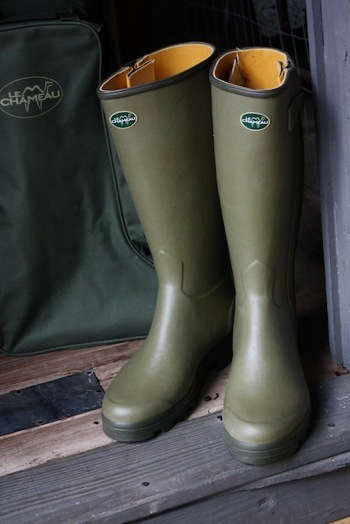

If a regular rubber boot is a raincoat for your feet, the Le Chameau Chasseur Boot is the tailored wool overcoat, leather gloves, and “yes, I absolutely know where the good coffee is” version of a wellington. It is not the boot you buy because the forecast says “chance of drizzle.” It is the boot you buy because mud, wet grass, cold mornings, long walks, dogs, garden gates, country weekends, and unpredictable weather have formed a committee and elected your ankles as chairperson.
The Le Chameau Chasseur is one of the brand’s most recognized premium zip wellington boots. Handcrafted with supple natural rubber, finished with a full-length waterproof side zip, and available with luxurious linings such as full-grain leather or insulating neoprene, it sits in that rare category of outdoor gear that is both practical and quietly stylish. It can step through a puddle without drama, stroll across a muddy field without squeaking like a bargain-bin toy, and still look polished enough for a country lunch afterward.
But is the Chasseur worth its premium price? Who is it actually for? And what makes it different from cheaper rubber boots that also claim to be waterproof? Let’s walk through the detailspreferably without losing a boot in the mud.
What Is the Le Chameau Chasseur Boot?
The Le Chameau Chasseur Boot is a high-end, zip-up rubber wellington designed for demanding outdoor use. The name “Chasseur” means “hunter” in French, but the boot’s appeal reaches far beyond traditional country pursuits. It is worn by people who spend real time outdoors: farmers, gardeners, dog walkers, equestrians, travelers, estate workers, fishing enthusiasts, and anyone who has learned the hard way that wet socks can ruin a morning faster than a dead phone battery.
Unlike many basic rain boots, the Chasseur is built around fit, comfort, and long-term durability. Its signature feature is the full-length waterproof side zip, which makes it easier to put on and take off while maintaining a close, supportive shape around the calf. Depending on the model, it may come with full-grain leather lining for year-round comfort or neoprene lining for additional warmth in colder conditions.
A Short Look at Le Chameau’s Heritage
Le Chameau has been associated with handcrafted rubber boots since 1927. The brand built its reputation on traditional bootmaking skills, supple rubber, and designs made for outdoor professionals rather than occasional puddle tourists. The Chasseur model, in particular, became famous because it introduced a more refined approach to the classic wellington: a tall rubber boot with a waterproof zip, supportive sole, and a more elegant silhouette.
That heritage matters because premium wellington boots are not just about looking fancy in the rain. Rubber quality, seam construction, lining choice, sole support, and calf fit all affect how the boot performs after hours of walking, bending, crouching, cleaning, and repeating the same routine in weather that clearly did not check your calendar.
Key Features of the Le Chameau Chasseur Boot
Handcrafted Natural Rubber Construction
The Chasseur is typically made using Le Chameau’s supple Chamolux rubber, a flexible natural rubber compound designed to move with the leg rather than fight it. This matters because stiff rubber boots can feel fine for ten minutes and then become ankle prisons by lunchtime. A more flexible upper helps the boot bend naturally while walking, which is especially useful on uneven ground, wet paths, farm lanes, garden beds, and grassy slopes.
Full-Length Waterproof Side Zip
The waterproof side zip is the Chasseur’s party trick. It allows the boot to fit closer to the leg without requiring the wearer to wrestle it on like an alligator in a changing room. The zip is usually paired with a press-stud strap or fastening tab at the top, helping secure the boot and protect the zip area from strain.
This feature is especially helpful if you tuck in trousers, waterproof pants, or thicker socks. It also makes removal easier after a long day outside, when your patience is low and your boots are covered in half the countryside.
Leather or Neoprene Lining Options
The leather-lined Le Chameau Chasseur Boot is often praised for comfort, breathability, and a refined feel. Full-grain leather lining gives the boot a smooth interior and can make it easier to slide the foot in and out. It also helps reduce the clammy feeling that cheaper rubber boots often create.
The neoprene-lined Chasseur, on the other hand, is built for colder conditions. Neoprene adds insulation and cushioning, making it a better choice for winter mornings, cold wet grass, and long periods standing outside. If the leather version is the elegant all-rounder, the neoprene version is the one that brings a thermos and knows where the spare gloves are.
Reinforced Front and Durable Build
Many Chasseur models include reinforcement at the front of the boot to help protect against abrasion. This is useful because outdoor boots regularly scrape against rocks, brush, roots, stable floors, garden tools, and the mysterious sharp object that somehow appears exactly where your toe lands.
A premium boot should not feel fragile. The Chasseur is designed for real outdoor movement, not just looking good next to a waxed jacket in a lifestyle photo.
Supportive Sole and Arch Comfort
One of the biggest differences between the Chasseur and cheaper rubber boots is the sole. Many low-cost wellingtons are waterproof but flat, unsupportive, and tiring over distance. The Chasseur commonly features a dual-density, shock-absorbing outsole with arch support and a reinforced shank for stability.
That structure matters during long walks. A better sole reduces foot fatigue, improves grip on varied terrain, and makes the boot feel more like outdoor footwear and less like a rubber bucket with ambitions.
Comfort: Where the Chasseur Earns Its Reputation
Comfort is where the Le Chameau Chasseur Boot separates itself from ordinary rain boots. The close fit around the leg reduces the loose, slapping movement many people associate with wellingtons. That means fewer blisters, less rubbing, and a more stable feel when walking across uneven ground.
The leather-lined version feels smooth and polished inside, while the neoprene-lined version feels warmer and more cushioned. Both are designed for people who may wear boots for hours, not just dash from the car to the porch.
However, fit is important. Because the Chasseur is more tailored than a basic rubber boot, calf size and foot width matter. Some wearers may prefer sizing carefully, measuring the calf while wearing typical socks and trousers, and considering whether they want room for thicker winter layers.
Le Chameau Chasseur Boot Sizing and Fit Tips
The Chasseur is known for offering multiple calf fittings in many versions, which is one reason it feels more customized than standard wellingtons. This is not a “one tube fits all” boot. A better calf fit improves comfort, reduces movement, and helps the waterproof zip sit properly.
How to Choose the Right Fit
When choosing the Le Chameau Chasseur, measure your calf while seated with your foot flat on the floor and your knee at roughly a right angle. Wear the same socks and trousers you expect to use with the boots. This gives a more realistic measurement than standing barefoot and pretending you will never wear thick socks in January.
If you are between calf sizes, consider how you will use the boot. For slim trousers and everyday country walking, a closer fit may feel better. For winter layering, thicker socks, or waterproof overtrousers, extra room can make the boot more practical.
Leather-Lined vs. Neoprene-Lined Chasseur
The two most popular versions of the Chasseur serve slightly different needs. Choosing between them depends on climate, activity level, and whether your feet tend to run hot or cold.
Choose Leather Lining If…
The leather-lined Chasseur is ideal if you want a premium all-season boot that feels refined, breathable, and comfortable for long walks. It is especially appealing in moderate climates where insulation is useful but not the main priority. Leather also gives the boot a luxurious interior feel, which is one reason many wearers describe the Chasseur as more like a country boot than a simple rain boot.
Choose Neoprene Lining If…
The neoprene-lined Chasseur is better for colder weather. It provides additional warmth and cushioning, making it suitable for frosty mornings, winter dog walks, wet fields, and long outdoor sessions where standing still can make your toes question your life choices.
The trade-off is that neoprene may feel warmer than necessary in mild weather. If you live somewhere with cool, wet winters, neoprene makes sense. If your climate is mostly damp but not cold, leather may be more versatile.
Performance in Wet and Muddy Conditions
A premium wellington must do one job before all others: keep water out. The Chasseur is designed as a waterproof boot, with careful testing and a waterproof zip system. This makes it suitable for wet grass, puddles, mud, rain, and messy outdoor tasks.
The outsole grip is also important. On slippery ground, a boot needs more than waterproofing. It needs traction, balance, and enough sole structure to keep you from performing an unplanned interpretive dance in front of the neighbors. The Chasseur’s all-terrain sole is designed to help with stability across fields, gravel, woodland tracks, garden paths, and wet yards.
Style: Why It Looks More Elegant Than Most Wellies
Let’s be honest: many rubber boots look like emergency equipment. The Le Chameau Chasseur looks more tailored. The slim profile, side zip, subtle branding, and premium finish create a boot that feels appropriate in both practical and polished settings.
It pairs naturally with jeans, field trousers, waxed jackets, fleece layers, quilted vests, and outdoor coats. The green version has classic country appeal, while black can look sleeker and more urban. This is one of the few rubber boots that can go from muddy morning walk to casual lunch without looking like you accidentally wandered in from a drainage project.
Who Should Buy the Le Chameau Chasseur Boot?
The Chasseur is best for people who regularly need waterproof footwear and care about comfort, fit, and durability. It makes the most sense if you spend serious time outdoors: walking dogs, managing property, gardening, working around animals, traveling to rainy countryside areas, or simply living somewhere the weather treats sunshine as a rumor.
It may not be necessary if you only need boots once or twice a year. For occasional use, a cheaper wellington may be enough. But if you wear rubber boots weeklyor daily during wet seasonsthe Chasseur can feel like an upgrade in every step.
Potential Downsides to Consider
No product is perfect, not even one with a French name and a zip that sounds like it has its own passport. The first downside is price. The Le Chameau Chasseur Boot is expensive compared with ordinary rubber boots. Buyers are paying for handcrafted construction, premium materials, a tailored fit, and brand heritage.
The second consideration is fit. Because the boot is more structured, it may feel snug if you choose the wrong calf size or plan to wear very thick socks. The side zip is convenient, but like all zips, it benefits from care. Mud should be cleaned away, and the zip should not be forced if fabric or grit is caught.
Finally, premium rubber still requires maintenance. Natural rubber can dry, crack, or degrade if stored near heat, left dirty for long periods, or exposed to harsh chemicals. A boot this nice deserves better than being thrown into a damp garage corner like a forgotten garden gnome.
How to Care for Le Chameau Chasseur Boots
Good care can extend the life of the Chasseur. After use, rinse away mud with clean water and wipe the boot with a soft cloth. Avoid harsh detergents, solvents, or aggressive cleaning products. Let the boots dry naturally away from direct heat sources such as radiators, fireplaces, or strong sunlight.
Using a rubber boot care spray can help preserve flexibility and restore the finish. A boot jack is also useful because pulling boots off by the heel with the other foot can damage the rubber over time. Store the boots upright, dry, and away from damp conditions. In other words, treat them less like a shovel and more like footwear that costs real money.
How the Chasseur Compares With Ordinary Rubber Boots
Compared with standard rubber boots, the Le Chameau Chasseur offers a more refined fit, better support, premium lining, and easier entry through the side zip. Ordinary boots may be fine for quick garden chores, but they often become uncomfortable over distance. They can feel loose around the calf, flat underfoot, and clammy inside.
The Chasseur is designed for longer wear. The difference becomes obvious when walking several miles, standing outdoors for hours, or moving between wet grass, gravel, and mud. It is not just about waterproofing; it is about making waterproof footwear feel less like punishment.
Is the Le Chameau Chasseur Boot Worth It?
For the right buyer, yes. The Le Chameau Chasseur Boot is worth considering if you want a premium waterproof boot that combines function, comfort, and classic style. It is especially valuable for people who use wellingtons often and need a boot that can handle long walks, wet ground, and changing weather without feeling clunky.
For occasional users, the price may be hard to justify. But for regular outdoor wear, the Chasseur’s tailored calf fit, waterproof side zip, leather or neoprene lining, supportive sole, and durable rubber construction make it a serious long-term option.
Real-World Experience: Living With the Le Chameau Chasseur Boot
The first thing most people notice about the Chasseur is that it does not feel like a normal rubber boot. A normal welly often has a loose, hollow feeling, as if your foot is renting space inside a plastic chimney. The Chasseur feels more shaped. The foot sits securely, the calf feels supported, and the zip makes the whole process of getting ready much less dramatic.
On a wet morning walk, that fit becomes important quickly. When grass is soaked and the ground is soft, loose boots can pull at the heel and make every step feel heavier. The Chasseur stays closer to the leg, so the boot moves with you rather than behind you. It feels especially useful when walking uphill, crossing uneven ground, or stepping through sticky mud that wants to keep your footwear as a souvenir.
The leather-lined version gives a smooth, almost riding-boot-like sensation. It feels polished and comfortable, particularly with medium-weight socks. The interior does not have the sweaty plastic feeling common in cheaper boots, which makes it better for longer wear in mild weather. For someone who walks dogs every morning or spends weekends outside, that comfort adds up. Your feet may not write you a thank-you note, but they will stop complaining quite so loudly.
The neoprene-lined version feels different. It is warmer, softer, and more protective in cold weather. On frosty mornings, wet fields, or chilly outdoor chores, the neoprene lining makes the boot feel more insulated and forgiving. The downside is that it can feel too warm if the day turns mild. This is why choosing the right lining matters. Leather is the more elegant all-rounder; neoprene is the cold-weather specialist.
Another real-world advantage is the zip. It sounds simple, but once you get used to a full-length side zip on tall wellingtons, returning to pull-on boots can feel like going back to dial-up internet. The zip makes it easier to tuck trousers neatly inside, especially waterproof pants or bulkier outdoor clothing. It also makes removal cleaner and faster at the end of the day.
In mud, the outsole provides reassuring grip, though no boot can defeat every slippery surface. Wet clay, mossy stone, and steep muddy slopes still deserve caution. The Chasseur performs best when treated as premium outdoor footwear: strong, capable, and comfortable, but not magic. Sadly, it will not stop you from stepping in the one puddle deeper than expected. It will, however, give you a much better chance of keeping your socks dry while your dignity negotiates terms.
The biggest lesson from using boots like the Chasseur is that premium wellingtons reward people who actually wear them. If they sit in a closet for eleven months, they are an expensive decoration. But if they become part of regular outdoor lifemorning walks, garden work, rainy travel, muddy errands, weekends awaythe value becomes easier to understand. Comfort, fit, and durability are not flashy features, but they are exactly what matter when the weather turns rude.
Conclusion
The Le Chameau Chasseur Boot is not just a waterproof rubber boot with a luxury label. It is a carefully built outdoor boot for people who expect comfort, support, and dependable protection in wet conditions. With its handcrafted natural rubber construction, waterproof side zip, premium lining choices, reinforced structure, and supportive sole, it offers a polished alternative to ordinary wellingtons.
It is expensive, and it requires proper sizing and care. But for regular outdoor wear, the Chasseur delivers a rare combination: rugged enough for mud, refined enough for town, and comfortable enough that you may stop thinking about your boots altogetherwhich is exactly what great footwear should do.
SEO Tags
Note: This article is written for web publishing in standard American English and is based on current real-world product information, retailer specifications, and user-focused performance details.


