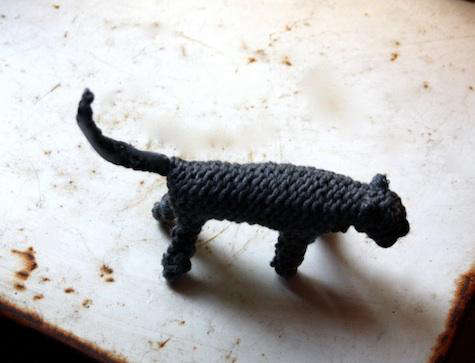

A knitted charcoal gray cat sounds simpleuntil you realize it is secretly the tuxedo jacket of handmade toys. It is soft, moody, elegant, slightly mysterious, and unlikely to judge you for owning too much yarn. Whether you are shopping for one, making one, gifting one, or staring at a half-finished cat body on your couch wondering why it looks like a potato with ears, this guide will walk you through what makes a knitted charcoal gray cat so charming.
In the handmade world, a knitted cat is more than a stuffed animal. It can be a nursery accent, a cozy shelf companion, a memorial keepsake for a beloved pet, a decorative toy for a cat lover, or a beginner-friendly knitting project with just enough personality to keep things interesting. The charcoal gray color gives it extra versatility: it works with farmhouse decor, minimalist interiors, modern nurseries, cozy reading corners, Halloween displays, and “I swear this room has a theme” living rooms.
This article explores design ideas, yarn choices, knitting methods, safety details, care tips, styling suggestions, and real-world experiences related to the knitted charcoal gray cat. Think of it as a warm cup of tea for crafters, gift buyers, and anyone who believes a tiny handmade cat can improve the emotional stability of a bookshelf.
What Is a Knitted Charcoal Gray Cat?
A knitted charcoal gray cat is usually a handmade or hand-finished cat-shaped soft toy, plush figure, pillow, ornament, or decorative craft made from yarn. The word “knitted” matters because knitting creates a flexible fabric made from interlocking loops. That fabric can stretch, squish, drape, and form soft curvesperfect for a cat body, rounded paws, triangular ears, and a tail that may or may not develop its own personality during assembly.
The “charcoal gray” part refers to a deep gray shade that sits between medium gray and black. It is less harsh than black, warmer than steel gray, and easier to match with other colors. On a knitted cat, charcoal gray can look like smoky fur, storm-cloud fluff, or the dignified coat of a feline who definitely has opinions about your furniture.
Why Charcoal Gray Works So Well for a Knitted Cat
Color is one of the biggest reasons this little project has so much appeal. A bright pink cat may be adorable, but a charcoal gray cat has range. It can be cute, sophisticated, rustic, spooky, modern, or sentimental depending on the pattern and finishing details.
It Looks Realistic Without Being Too Literal
Many real cats have gray coats, from soft blue-gray domestic shorthairs to dramatic smoky tabbies. A knitted charcoal gray cat captures that familiar feline look without needing complex colorwork. Add embroidered whiskers, a tiny nose, or subtle striping, and suddenly the toy has the quiet confidence of a cat who has already knocked one mug off the counter and regrets nothing.
It Fits Almost Any Home Decor Style
Charcoal gray is a neutral color, which means it plays nicely with cream, white, tan, navy, blush, sage green, mustard, and natural wood tones. A small knitted gray cat can sit on a nursery shelf, office desk, entryway bench, or guest bed without looking like it accidentally wandered in from a carnival booth.
It Makes Details Pop
Light-colored embroidery stands out beautifully on charcoal yarn. Cream whiskers, pale pink inner ears, golden eyes, or a tiny red scarf all become more visible against the dark base. This contrast helps the cat feel expressive without making the design overly busy.
Best Yarn Choices for a Knitted Charcoal Gray Cat
The best yarn depends on the purpose of the finished cat. A decorative cat can use fuzzy, delicate, or textured yarn. A child-friendly toy needs stronger stitching, washable fibers, secure features, and fewer small parts. A pet-themed keepsake might use premium wool or a blend with a beautiful hand feel.
Acrylic Yarn: Practical and Beginner-Friendly
Acrylic yarn is a popular choice for knitted toys because it is affordable, widely available, easy to wash, and comes in many shades of gray. It also resists moth damage better than wool. If the knitted charcoal gray cat is meant for frequent handling, travel, or gifting to a family with kids, acrylic is often the drama-free option. It is the yarn equivalent of “I brought snacks and a backup plan.”
Cotton Yarn: Crisp and Durable
Cotton creates a firmer knitted fabric with less stretch. That can be helpful for small stuffed toys because the shape stays defined. Cotton also gives embroidered details a clean look. The tradeoff is that cotton can feel less plush than acrylic or wool, and it may show uneven tension more clearly. For a modern charcoal gray cat with neat lines, cotton is a strong choice.
Wool Yarn: Warm, Classic, and Shapeable
Wool has natural elasticity, which makes it lovely for knitting rounded toy shapes. It can be lightly felted for a denser surface, and it gives a handmade cat a traditional heirloom feeling. However, wool requires more careful washing and may not suit people with wool sensitivities. For a decorative cat, wool can be gorgeous. For a toddler’s everyday cuddle toy, washable wool or acrylic may be safer and easier.
Chenille or Plush Yarn: Extra Soft, Extra Sneaky
Plush yarn can turn a knitted cat into a cloud with ears. It is soft, squishy, and giftable. But it can be harder to work with because stitches are more difficult to see, especially in dark charcoal. Beginners may find themselves whispering motivational speeches to their needles. If you choose chenille or faux fur yarn, use a simple pattern and good lighting.
Recommended Knitting Styles and Construction Methods
There is no single correct way to make a knitted charcoal gray cat. Some patterns are knit flat and seamed. Others are knit in the round. Some are shaped like realistic animals, while others are simple pillow-style cats with embroidered faces. The best method depends on your skill level and the look you want.
Flat-Knit Cat
A flat-knit cat is usually made in separate pieces, then sewn together and stuffed. This method is friendly for newer knitters because it often uses basic stitches, simple shaping, and straightforward seams. The downside is that assembly matters. A beautifully knitted body can become slightly lopsided if the seams are rushed. Fortunately, cats are naturally lopsided in spirit, so a little wonkiness can pass as character.
Knit-in-the-Round Cat
Knitting in the round reduces seams and creates a smoother finish. It is excellent for rounded bodies, legs, tails, and heads. This method may use double-pointed needles, circular needles, or the magic loop technique. It is ideal for knitters who want a polished toy and do not mind keeping track of increases and decreases.
Square or Pillow Cat
The easiest version is a simple rectangular or square pillow cat. Knit two panels, sew them together, stuff them, pinch or shape the ears, and add a face. This design works well for beginners, classroom crafts, charity projects, and quick handmade gifts. It may not win a realism contest, but it will absolutely win “most likely to be hugged during a movie.”
Design Details That Bring the Cat to Life
The magic of a knitted cat lives in the finishing. A plain charcoal body becomes a personality once you add the eyes, nose, whiskers, ears, paws, and tail. Small design choices can make the cat sleepy, curious, mischievous, fancy, shy, or fully prepared to supervise your entire household.
Eyes
For decorative cats, plastic safety eyes can create a glossy, alert expression. For babies or children under three, embroidered eyes are usually the better choice because small detachable parts can pose choking risks. Embroidered eyes also give the cat a softer handmade look. Try sleepy crescent eyes for a calm cat, round eyes for a playful cat, or tiny angled stitches for a cat who has seen your browser history and has questions.
Nose and Mouth
A small pink, black, or cream embroidered nose works beautifully on charcoal gray yarn. For a realistic look, use muted rose or dark gray. For a storybook look, use blush pink. Add a simple “Y” shape for the mouth, or keep it minimal with just a nose and whiskers.
Whiskers
Whiskers can be embroidered, stitched with fine yarn, or made with thread. Keep them short and secure if the cat will be handled often. White or cream whiskers stand out sharply against charcoal gray, while silver whiskers create a more subtle effect.
Ears
Triangular ears are classic. You can knit them separately and sew them on, or shape them from the body if the pattern allows. Adding pale gray or soft pink inner-ear details gives the cat dimension. Make sure both ears are placed evenly unless you intentionally want that “I woke up from a nap in a laundry basket” look.
Tail
The tail can be long and curled, short and stubby, or gently curved along the body. A poseable tail is not recommended for young children if it uses wire inside, but for decor, a wire-supported tail can help the cat sit neatly on a shelf. For a soft toy, stuffing and stitching alone are safer and cuddlier.
Safety Tips for Handmade Knitted Cat Toys
If the knitted charcoal gray cat is purely decorative, you have more freedom with buttons, beads, ribbons, and plastic features. If it is intended for a baby, toddler, or pet, safety becomes the boss of the project. And safety, unlike a cat, does not accept negotiation.
For young children, avoid loose buttons, beads, bells, long ribbons, wires, and any small parts that could detach. Embroider the eyes and nose instead of using plastic pieces. Stitch seams firmly, weave in ends thoroughly, and choose washable stuffing. If gifting the cat, include a simple care note and age guidance.
For pets, remember that a knitted cat toy may be chewed, clawed, dragged under furniture, or treated like prey in a tiny living-room safari. Avoid plastic eyes, long strings, and stuffing that can easily escape. Supervised play is best, especially with cats or dogs that destroy toys quickly.
How to Style a Knitted Charcoal Gray Cat at Home
A knitted charcoal gray cat is surprisingly easy to style. It is small enough to move around but expressive enough to make a space feel more personal. Think of it as decor with whiskers.
Nursery Shelf
Pair the cat with wooden blocks, framed art, soft blankets, and neutral baskets. Charcoal gray works especially well in modern nurseries with white, sage, beige, or dusty blue palettes. Choose embroidered features for child-safe charm.
Reading Nook
Place the cat beside a stack of books, a ceramic mug, and a small lamp. The effect says, “This corner is peaceful,” even if the rest of the house currently contains laundry negotiations.
Halloween Decor
A charcoal gray knitted cat can easily become seasonal decor. Add a tiny orange scarf, a miniature witch hat, or a pumpkin-colored blanket. Unlike plastic Halloween decorations, a knitted cat feels cozy rather than chaotic.
Memorial Display
For someone who has lost a gray cat, a handmade knitted version can be a gentle keepsake. Use a similar shade of yarn, add a small collar, or embroider a tiny initial. Keep it tasteful and soft. The goal is comfort, not a museum exhibit with whiskers.
Gift Ideas for Cat Lovers
A knitted charcoal gray cat makes a thoughtful gift because it feels personal without being overly complicated. It can suit birthdays, holidays, housewarmings, baby showers, teacher gifts, coworker gifts, or “you survived Monday” gifts.
To make the gift feel complete, pair the cat with a handwritten tag, a small blanket, a cat-themed mug, or a book. If the recipient owns a gray cat, you can customize the toy with eye color, collar color, or markings. A little personalization turns a cute object into a keepsake.
For knitters selling handmade items online, good product photos matter. Photograph the charcoal gray cat against a light background so the details do not disappear. Show scale by placing it next to a mug, book, or hand. Include care instructions, materials, size, and whether the item is decorative or child-safe.
Care and Cleaning Tips
Care depends on the yarn and stuffing. Acrylic and cotton cats are often easier to spot clean or gently hand wash. Wool cats may need cooler water and careful reshaping. Plush yarn cats can mat if scrubbed aggressively, so gentle cleaning is best.
For most handmade knitted cats, spot cleaning is the safest first step. Use a damp cloth, mild soap, and light pressure. If a deeper clean is needed, hand wash in cool water, press out moisture with a towel, reshape the body, and let it air dry completely. Avoid twisting the toy like a dish rag unless you want your cat to come out looking like it heard shocking gossip.
Store the knitted cat in a dry place away from direct sunlight. Dark gray yarn can fade over time if left in harsh sun. If made from wool, protect it from moths by keeping it clean and stored properly when not displayed.
Common Mistakes to Avoid
Using Yarn That Is Too Dark for a Detailed Pattern
Charcoal gray is beautiful, but very dark yarn can hide stitch definition. If your pattern includes cables, stripes, shaping, or tiny details, choose a charcoal shade with a little heathering or softness. It will photograph better and make your stitches easier to see.
Overstuffing the Body
Stuffing gives shape, but too much can stretch the stitches and make the filling visible. Add small amounts at a time. The cat should feel firm enough to hold its shape but soft enough to cuddle. Aim for “pleasant squish,” not “yarn-covered bowling ball.”
Rushing the Face
The face is where the cat becomes a character. Before stitching permanently, mark the eye and nose placement with pins or scrap yarn. A few millimeters can change the expression from sweet kitten to suspicious tax accountant.
Ignoring Gauge Completely
Gauge may not be as strict for toys as it is for sweaters, but it still matters. If your stitches are too loose, stuffing can show through. If they are too tight, the toy may feel stiff and be difficult to shape. Use a needle size that creates a dense, even fabric.
of Experience: Living With, Making, and Gifting a Knitted Charcoal Gray Cat
The first time you make or receive a knitted charcoal gray cat, you may underestimate it. At first, it looks like a small craft object. Cute, yes. Soft, probably. Life-changing? That seems dramatic. Then you place it on a shelf, and suddenly the room has a tiny guardian. Not a loud one. Not a flashy one. Just a calm little gray cat quietly improving the emotional weather.
One of the best experiences with this kind of handmade item is watching personality appear during the finishing stage. While knitting the body, you may only see rows and shaping. The project can look confusing, like a gray dumpling with ambition. But once the ears are attached, the tail curves into place, and the face is embroidered, the whole thing wakes up. The eyes tilt slightly, the whiskers stretch out, and there it is: a cat. Not just any cat, either. Your cat. Your slightly uneven, deeply charming, charcoal-colored yarn creature.
Gifting one is even better. A knitted charcoal gray cat has the rare ability to feel both handmade and tasteful. It does not scream for attention. It quietly says, “Someone spent time on this.” That matters. In a world of instant checkout buttons and same-day delivery, a handmade cat carries evidence of patience. Every stitch says someone sat down, counted rows, corrected mistakes, and possibly muttered at a tail seam for twenty minutes.
For cat lovers, the emotional connection can be surprisingly strong. Gray cats have a particular fan club. Some people associate them with calmness, intelligence, or that classic feline habit of appearing in doorways like tiny fog machines with opinions. If the knitted cat resembles a pet, the gift becomes even more meaningful. A charcoal gray body, green embroidered eyes, and a tiny collar can turn a simple toy into a soft portrait.
There is also comfort in the texture. Unlike plastic figurines or mass-produced decor, a knitted cat invites touch. You can pick it up, squeeze it, reposition it, or tuck it beside a pillow. It makes a desk feel less corporate and a bedroom feel more personal. During stressful days, having a small handmade object nearby can be oddly grounding. It reminds you that not everything needs to be digital, urgent, or rechargeable.
Of course, the experience is not always graceful. Dark yarn can be hard to knit at night. Embroidering a symmetrical face can test your character. Sewing on ears may lead to intense debates with yourself about whether the left ear is “playfully tilted” or simply wrong. But those imperfections often become the best part. A handmade knitted charcoal gray cat does not need factory precision. It needs warmth, balance, secure stitching, and just enough feline mischief to look alive.
In the end, the knitted charcoal gray cat works because it combines simplicity with feeling. It is neutral but not boring, cute but not childish, decorative but still touchable. It can be a craft project, a gift, a comfort object, or a tiny mascot for a home office. And unlike a real cat, it will not sit on your keyboard during an important emailthough somehow, it may still look responsible.
Conclusion
A knitted charcoal gray cat is more than a soft toy. It is a blend of craft, color, personality, and practical design. The charcoal shade gives it timeless appeal, while knitted texture adds warmth and handmade charm. Whether you are creating one from scratch, buying one as a gift, or styling one in your home, the details matter: choose the right yarn, keep the stitching secure, finish the face carefully, and match the design to its purpose.
For decor, you can lean into texture, accessories, and expressive details. For children or pets, keep safety first with embroidered features and strong seams. For sentimental gifts, personalize the cat with colors, markings, or a tiny collar. However you use it, this little gray feline proves that handmade objects still have a special kind of magic. It may be small, but it brings softness, humor, and quiet character wherever it sits.
Note: This article is written as original web content and synthesizes real knitting, yarn selection, toy safety, handmade gift, and care practices into a natural SEO-friendly guide.


