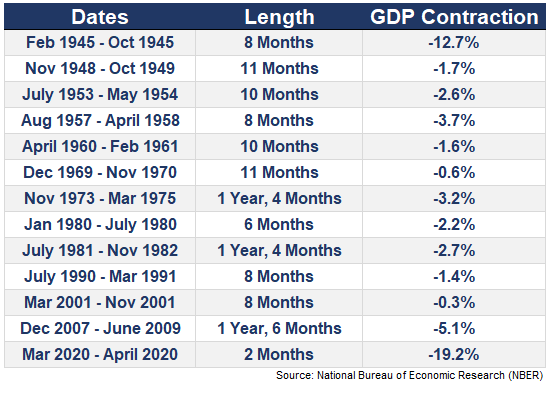

A recession is one of those economic words that sounds like it should come with thunder, dramatic violin music, and a banker staring out a rainy window. In real life, it is usually less cinematic but still stressful: companies slow hiring, layoffs become more common, investments may wobble, and household budgets suddenly feel like they are wearing jeans fresh out of the dryer.
The good news? You do not need to predict the exact date of the next recession to prepare for one. In fact, trying to forecast recessions perfectly is a bit like trying to teach a cat to respect your houseplants: possible in theory, exhausting in practice. The smarter move is to build financial resilience before uncertainty arrives.
This guide explains how to prepare for a recession with practical, realistic steps. You will learn how to strengthen your emergency fund, manage debt, protect your job and income, adjust your budget, review investments, and make calmer money decisions when the economy gets noisy.
What Is a Recession, Really?
A recession is generally understood as a significant, widespread decline in economic activity that lasts for more than a few months. It can affect employment, business profits, consumer spending, borrowing conditions, housing, and investment markets. For regular households, the most important question is not “What is the technical definition?” but “How could this affect my paycheck, bills, savings, and plans?”
During a recession, you may see companies freeze hiring, cut hours, reduce bonuses, delay raises, or lay off employees. Credit may become harder to access. Investment portfolios may decline. Customers may spend less, which can hurt small businesses, freelancers, and commission-based workers. Even people who keep their jobs can feel pressure from higher prices, tighter budgets, or reduced confidence.
Preparing for a recession is not about panic. It is about giving yourself more options. Cash gives you breathing room. Lower debt gives you flexibility. A strong resume gives you mobility. A clear budget gives you control. And a calm plan keeps you from making expensive decisions because a headline yelled at you before breakfast.
Start With a Recession-Ready Budget
The first step in recession preparation is knowing where your money goes. This sounds basic, but many people only discover their real spending pattern when the economy tightens and their bank account starts sending distress signals.
Separate Needs, Wants, and “How Did This Happen?” Spending
Divide your expenses into three categories. Needs include rent or mortgage payments, groceries, utilities, insurance, transportation, minimum debt payments, and essential medical costs. Wants include dining out, streaming services, shopping, travel, upgrades, and entertainment. The third category is mystery spending: subscriptions you forgot, impulse buys, delivery fees, and random purchases that seemed tiny until they formed a tiny army.
Once you identify these categories, you can make a recession budget. This is not necessarily the budget you use every day. Think of it as your “storm mode” budget: the version you could activate if income dropped, hours were reduced, or your job became uncertain.
Build a Lean Monthly Number
Your lean monthly number is the minimum amount you need to cover essential living costs. For example, if your normal monthly spending is $4,500 but your true essentials are $3,100, your emergency fund target becomes much clearer. You are not just guessing; you are calculating.
This number helps you answer important questions: How long could I manage if I lost income? Which expenses could I pause quickly? How much do I need in emergency savings? A budget is not a punishment. It is a flashlight. It shows you where the furniture is before the power goes out.
Build an Emergency Fund Before You Need It
An emergency fund is one of the most powerful tools for preparing for a recession. It is money set aside for unexpected expenses or income disruptions, such as job loss, car repairs, medical bills, urgent home repairs, or a temporary reduction in hours.
A common goal is to save three to six months of essential expenses. If that feels impossible right now, do not quit before starting. Begin with a starter emergency fund of $500 or $1,000. Then build toward one month of expenses, then three months, and eventually more if your income is unstable.
Where Should Emergency Savings Go?
Your emergency fund should be easy to access, safe, and separate from your daily spending money. A high-yield savings account, money market account, or other insured deposit account can be useful. The goal is not to chase huge returns. The goal is to make sure the money is there when life throws a financial raccoon into your kitchen.
Avoid putting emergency savings into volatile investments like stocks or crypto. If the market drops at the same time you lose income, you may be forced to sell at the worst possible moment. Emergency money has one job: to be boring, stable, and available.
Automate Your Savings
Set up automatic transfers after each paycheck, even if the amount is small. Ten dollars, twenty-five dollars, or fifty dollars per pay period can add up. Automation removes the drama. You do not have to negotiate with yourself every Friday while your brain whispers, “But what about tacos?”
Attack High-Interest Debt
High-interest debt becomes especially dangerous during a recession because it limits flexibility. Credit cards, payday loans, personal loans, and other expensive balances can eat cash flow at the exact moment you need breathing room.
Start by listing every debt, including the balance, interest rate, minimum payment, and due date. Then choose a repayment strategy. The avalanche method focuses on the highest interest rate first, saving the most money over time. The snowball method focuses on the smallest balance first, building motivation through quick wins. Both can work. The best method is the one you will actually follow.
Do Not Drain All Cash to Pay Debt
Paying down high-interest debt is smart, but do not empty your emergency fund completely to do it. If you use every dollar of savings to reduce debt, one surprise expense can push you right back onto a credit card. Balance matters. Keep a starter emergency fund while paying down expensive debt, then increase savings once the worst balances are under control.
Call Lenders Before You Fall Behind
If your income drops, contact lenders, credit card issuers, landlords, utility companies, or service providers early. Some may offer hardship programs, payment plans, temporary pauses, or lower rates. It is easier to negotiate before you are months behind. Waiting until the financial smoke alarm is screaming rarely improves your options.
Protect Your Credit Before the Economy Slows
Your credit score can matter during a recession. It may affect your ability to refinance debt, rent an apartment, qualify for a loan, or access better interest rates. While a recession does not directly damage your credit, missed payments, rising balances, and collection accounts can.
Pay at least the minimum on all accounts by the due date. Keep credit utilization as low as possible, especially on revolving accounts like credit cards. Review your credit reports for errors. Set payment reminders or autopay minimums to avoid accidental late payments.
Also be cautious about opening new debt. A recession is not the ideal season to finance a lifestyle upgrade, buy the fanciest couch in the county, or take on a payment because “future me will figure it out.” Future you deserves better.
Strengthen Your Job Security
You cannot fully control layoffs, but you can improve your position. Recession preparation includes career preparation, especially if you work in an industry sensitive to economic slowdowns, such as real estate, hospitality, retail, construction, advertising, tech startups, or commission-heavy sales.
Become More Valuable Where You Are
Look for ways to become harder to replace. Learn a skill that saves your employer money, improves efficiency, supports customers, or increases revenue. Document your achievements. Keep track of projects, metrics, compliments, responsibilities, and results. If layoffs happen, performance is not the only factor, but being clearly useful helps.
Update Your Resume Now
Do not wait until you need a job to update your resume. Refresh your LinkedIn profile, gather references, build a small portfolio if relevant, and reconnect with professional contacts. Networking is less awkward when it starts before you need something. Think of it as maintaining a bridge, not building one while chased by wolves.
Create a Backup Income Plan
A backup income plan does not have to mean launching a business empire from your kitchen table. It could mean freelance work, tutoring, part-time weekend work, consulting, selling unused items, renting equipment, or learning a skill that can generate income. The goal is to create options, not to burn yourself out.
Review Your Investments Without Panicking
Recessions often come with market volatility. Watching your investment balance fall can feel like riding a roller coaster designed by an accountant with a grudge. But panic selling can turn temporary declines into permanent losses.
If you are investing for long-term goals, such as retirement decades away, a diversified portfolio and consistent contributions can help you stay on track. Review your asset allocation, risk tolerance, and timeline. If your investment plan only feels comfortable when markets rise, it may be too aggressive.
Keep Short-Term Money Out of the Market
Money you need within the next one to three years should generally be kept in safer, more liquid places. This includes emergency savings, upcoming tuition, a home down payment, or money for major planned expenses. Long-term money can usually handle more volatility. Short-term money needs a seat belt.
Avoid Market Timing
Trying to jump out before every downturn and jump back in before every recovery is extremely difficult. Many of the market’s strongest days happen close to its worst days. Missing those rebounds can hurt long-term returns. Instead of reacting emotionally, rebalance when needed and follow a written investment plan.
Delay Big Purchases Unless They Are Truly Necessary
Before or during a recession, cash flexibility matters. That does not mean you must cancel every life plan and live under a blanket eating beans by candlelight. It means you should think carefully before making large commitments.
Consider postponing major purchases such as a new car, luxury renovation, expensive vacation, or large furniture upgrade if your job or income feels uncertain. If you must make a big purchase, compare prices, avoid high-interest financing, and calculate how the payment would feel under a lower-income scenario.
Ask yourself: Would I still be comfortable with this payment if my income dropped by 20 percent? If I lost my job, would this purchase make life harder? If the answer is yes, pause. Sometimes the most powerful financial move is not doing something.
Recession-Proof Your Household Systems
Preparing for a recession is not only about bank accounts. It is also about making your household easier and cheaper to run.
Audit Recurring Bills
Review phone plans, internet service, insurance policies, subscriptions, memberships, software, delivery services, and utilities. Cancel what you do not use. Negotiate what you can. Shop around for better rates. Recurring bills are sneaky because they do not ask permission every month; they simply stroll into your account and take a chair.
Build a Pantry and Household Buffer
Keeping basic pantry staples, toiletries, cleaning supplies, and household essentials on hand can reduce emergency spending. This does not mean panic-buying 400 cans of soup. It means slowly building a practical buffer when items are on sale, so you are less vulnerable to price spikes or tight weeks.
Maintain What You Own
Preventive maintenance can save money. Change air filters, maintain your car, protect appliances, fix small leaks, and keep important documents organized. Recessions are much less charming when your budget is already strained and your water heater decides to audition for a disaster movie.
Prepare Emotionally, Not Just Financially
Money stress can lead to rushed choices. People may sell investments at a loss, ignore bills, take on bad debt, or make fear-based decisions. A written recession plan helps reduce panic because you already know what to do.
Write down your action steps in order. For example: cut dining out, pause subscriptions, reduce savings temporarily if needed, contact lenders, apply for unemployment benefits if eligible, use emergency savings, and search for temporary income. A plan turns chaos into a checklist.
Also talk with your household before a crisis. Discuss which expenses would be cut first, who would handle calls, what documents are needed, and how you would support each other. Financial teamwork is not always glamorous, but neither is arguing over a streaming subscription while stressed.
Common Mistakes to Avoid When Preparing for a Recession
Waiting Too Long
The best time to prepare for a recession is before one arrives. The second-best time is today. Waiting until layoffs begin or credit tightens can leave you with fewer options.
Hoarding Cash While Ignoring Debt
Cash is important, but high-interest debt can quietly drain your finances. Build savings and reduce expensive balances together.
Making Fear-Based Investment Moves
A scary headline is not an investment strategy. Review your plan, but avoid dramatic moves based only on panic.
Assuming Your Job Is Completely Safe
Confidence is healthy. Overconfidence can be expensive. Keep your resume current, maintain contacts, and continue learning.
Cutting Every Joy From Your Budget
A recession budget should be lean, not miserable. Keep low-cost pleasures where possible. A budget that makes you feel like a financial monk living in a spreadsheet cave may not last.
Conclusion: The Best Recession Plan Is Built Before You Need It
Learning how to prepare for a recession is not about predicting doom. It is about building a life that can bend without breaking. You do not need to be rich to become more resilient. You need awareness, a plan, steady habits, and the willingness to make small improvements before they become urgent.
Start with your budget. Build emergency savings. Reduce high-interest debt. Protect your credit. Strengthen your career. Keep investments aligned with your timeline. Delay unnecessary big purchases. Create a household plan. These steps may not make a recession enjoyable, but they can make it survivableand sometimes even manageable.
Economic cycles come and go. Your goal is not to control the entire economy, because unless you secretly run the Federal Reserve from your garage, that is not on the menu. Your goal is to control what you can: your cash, choices, skills, spending, and mindset. That is where real financial confidence begins.
Real-World Experiences: What Recession Preparation Looks Like in Daily Life
In real life, recession preparation rarely feels dramatic. It often looks like ordinary people making slightly wiser choices on repeat. One family might start by reviewing three months of bank statements and realizing that food delivery has become a second rent payment. They do not ban takeout forever; they simply choose Friday as takeout night and cook simple meals the rest of the week. Within two months, they have their first $600 emergency cushion. Nothing magical happened. No one discovered buried treasure under the laundry basket. They just redirected money that was leaking quietly.
Another common experience is the “resume wake-up call.” Someone feels secure at work until rumors of budget cuts begin. Instead of panicking, they update their resume, list measurable achievements, reconnect with former coworkers, and take a short online course related to their field. Even if they never lose the job, they gain confidence. If they do need to search, they are not starting from zero while emotionally exhausted.
For freelancers and small business owners, recession preparation may involve studying client concentration. Imagine a designer who earns 70 percent of income from one client. That client may be wonderful, but depending on one payer is risky. A practical recession plan could include reaching out to past clients, creating a referral offer, building a three-month cash buffer, and reducing business expenses that do not directly support revenue. The goal is not to become fearless. It is to become less fragile.
Many people also learn that emotional spending increases during uncertainty. When the news feels stressful, buying something can create a quick sense of control. The problem is that the feeling fades and the credit card balance remains, sitting there like a raccoon with a receipt. A useful habit is the 48-hour rule: wait two days before nonessential purchases above a certain amount. Often, the urge passes. If it does not, the purchase can be planned instead of impulsive.
Another experience comes from people who lived through previous downturns: cash reduces panic. Those with even one month of essential expenses saved often describe feeling calmer than those with none. They still worry, of course. But they can make decisions with a little more oxygen. They can search for a better job instead of accepting the first bad option. They can fix a car without using a high-interest card. They can sleep better, which is underrated financial technology.
Finally, recession preparation teaches a valuable lesson: simple systems beat heroic willpower. Automatic savings, calendar reminders, a written budget, separate accounts, updated documents, and a clear debt plan are not exciting. They will not trend on social media. But when the economy gets shaky, boring systems become beautiful. They are the financial equivalent of sturdy shoes: not flashy, but exactly what you want when the road gets rough.
Note: This article is for educational purposes only and should not be treated as personalized financial, tax, legal, or investment advice. Readers should consider their own circumstances and consult qualified professionals when making major financial decisions.


