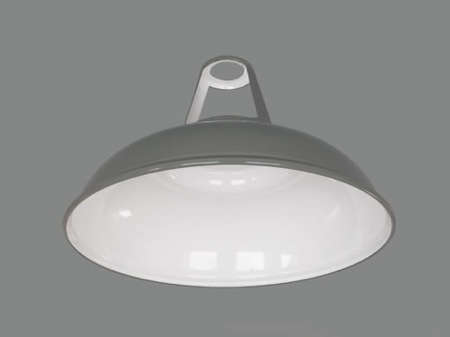

A gray enamel lampshade is one of those home details that quietly walks into a room, straightens its jacket, and makes everything look more intentional. It is not loud. It does not beg for applause. It simply hangs above a kitchen island, desk, reading corner, dining table, or workshop-style nook and says, “Yes, I have excellent taste, but I also know how to pay the electric bill.”
At its best, a gray enamel lampshade combines function, durability, and timeless style. The enamel finish gives it a smooth, slightly glossy surface, while the gray color keeps it flexible enough to work with farmhouse kitchens, industrial lofts, minimalist apartments, vintage-inspired offices, and even coastal spaces that prefer foggy-sky elegance over beach-house clichés. In short, it is the lighting equivalent of a great pair of gray jeans: practical, stylish, and surprisingly hard to replace once you find the right one.
This guide explores what makes a gray enamel lampshade special, how to choose one, where to use it, how to care for it, and why this humble shade has remained popular from old factories to modern homes.
What Is a Gray Enamel Lampshade?
A gray enamel lampshade is usually a metal lampshade finished with a hard enamel coating. In many cases, enamel refers to a glass-like coating fused to metal at high heat. The result is a surface that can feel smoother, more durable, and easier to wipe clean than ordinary painted metal. While modern products may vary by manufacturer, the classic enamel shade is closely associated with workshop lights, warehouse pendants, schoolhouse fixtures, and vintage industrial lighting.
The color gray adds another layer of appeal. Unlike black, which can feel bold and graphic, or white, which can look crisp but sometimes too bright, gray settles comfortably in the middle. It softens metal, hides dust better than bright finishes, and blends with stainless steel appliances, concrete countertops, wood cabinets, brass accents, and matte black hardware. Gray is the diplomat of the design world; it shakes hands with almost everyone.
Why Gray Enamel Lampshades Stay Popular
They Have Real Industrial Roots
Enamel-style metal shades were commonly used in practical spaces such as workshops, garages, factories, barns, and utility rooms because they were strong, focused light downward, and could handle daily use. That working-history background is part of their charm. A gray enamel lampshade does not feel fragile or fussy. It feels like it has seen a few honest days of work and still showed up on time.
Today, homeowners use that same industrial personality in softer ways. A gray enamel pendant above a butcher-block island can make a kitchen feel grounded. A pair of gray metal lampshades over a long desk can make a home office feel sharper. One large shade above a breakfast table can add just enough vintage character without turning the room into a movie set called “Grandpa’s Hardware Store, 1938.”
They Balance Warm and Cool Interiors
Gray is a bridge color. In warm rooms with oak, walnut, terracotta, cream walls, or aged brass, a gray enamel lampshade adds contrast without looking harsh. In cooler rooms with concrete, stainless steel, marble, chrome, or blue undertones, gray feels natural and calm. That flexibility makes it especially useful for open-plan homes, where one fixture may need to coordinate with several areas at once.
They Offer Focused Light
Many enamel lampshades are dome-shaped, cone-shaped, or warehouse-style. These forms help direct light downward, which is useful over kitchen counters, dining tables, workbenches, desks, and reading spots. A shade with a pale or white interior can reflect more light onto the surface below, while a darker interior may create a moodier, more concentrated glow. Translation: the shape is not just there to look cute in product photos.
Best Places to Use a Gray Enamel Lampshade
Kitchen Islands
The kitchen island is probably the natural habitat of the gray enamel lampshade. Install two or three gray enamel pendant lights above the island, and suddenly the room looks more finished. For most kitchen islands, the bottom of the pendant shade usually works best around 30 to 36 inches above the countertop. That height helps keep the light useful without blocking sightlines or making tall family members feel personally attacked by the ceiling fixture.
For spacing, many designers recommend placing pendants roughly 24 to 30 inches apart, measured from the center of one fixture to the center of the next. Leave some breathing room at the ends of the island so the layout feels balanced. A row of gray enamel shades can create rhythm, structure, and a satisfying sense of order, even if the junk drawer is currently hosting seventeen batteries of unknown origin.
Dining Rooms and Breakfast Nooks
A single wide gray enamel shade can look beautiful over a round or rectangular dining table. It brings a relaxed, slightly vintage feeling without requiring a full farmhouse renovation. For dining spaces, choose a bulb that feels warm and flattering. A 2700K or 3000K LED bulb is usually a comfortable range for home dining because it gives food and faces a soft, inviting glow. Nobody wants dinner lighting that makes soup look like it is being interrogated.
Home Offices and Creative Studios
Gray enamel lampshades are also excellent in workspaces. Their downward light helps with writing, drawing, packaging orders, repairing small items, or pretending to organize your desk while actually just moving papers into a more confident-looking pile. A pendant can free up desktop space, while a table or wall-mounted version gives a more traditional task-lighting effect.
Entryways, Mudrooms, and Laundry Rooms
Because gray enamel shades have a practical personality, they work especially well in transitional spaces. A mudroom with hooks, storage benches, boots, and a gray enamel ceiling light feels purposeful. A laundry room with a gray metal shade can look charming instead of purely utilitarian. It may not fold the towels for you, but it will make the room look less like a punishment zone.
How to Choose the Right Gray Enamel Lampshade
Consider the Shape
The shade shape changes both the look and the lighting effect. A shallow dome spreads light more broadly and looks casual. A deeper cone creates more focused light and stronger industrial character. A bell-shaped enamel lampshade can feel vintage and soft, while a wide warehouse shade makes a bigger statement. If the fixture will hang above a work surface, choose a shape that directs enough light downward. If it is mainly decorative, you can focus more on proportion and style.
Choose the Right Size
Scale matters. A tiny pendant over a large kitchen island can look lonely, like it missed the group text. A giant shade over a small table can feel heavy and awkward. For kitchen islands, smaller pendants often work well in multiples, while wider shades may only need two fixtures. For dining tables, the shade should feel visually connected to the table without overpowering it.
Before buying, measure the room, the ceiling height, the surface below, and the surrounding furniture. Also check the shade diameter, total fixture drop, cord or rod length, and canopy size. A beautiful gray enamel lampshade is less charming when it arrives and you discover it has the proportions of a UFO.
Look at the Interior Finish
Many enamel lampshades have a white or light-colored interior to help reflect light downward. This is a smart choice for kitchens, desks, and work zones. A dark interior can look dramatic, but it may absorb more light and create a moodier effect. Neither option is wrong; they simply serve different purposes. Choose the interior based on how much brightness you need.
Match the Hardware Thoughtfully
Gray enamel pairs well with several hardware finishes. Brushed nickel and chrome make it feel clean and modern. Brass adds warmth and a slight vintage glow. Matte black increases contrast and gives the fixture a more industrial edge. Bronze can make the shade feel rustic or farmhouse-inspired. The goal is not to match every finish in the room perfectly. In fact, a little contrast often looks more natural than a room where every metal finish appears to have signed a legal agreement.
Bulb Choice: The Secret Ingredient
The lampshade may get the attention, but the bulb does the actual heavy lifting. For most residential spaces, LED bulbs are a smart choice because they are energy-efficient, widely available, and come in many brightness levels and color temperatures.
For a gray enamel lampshade in a kitchen, 3000K often works well because it feels warm but still crisp enough for chopping vegetables, reading recipes, and locating the lid that somehow fits none of your containers. For dining rooms and cozy corners, 2700K can feel softer and more relaxed. For workshops or task-heavy areas, a brighter bulb may help, but avoid going so cool that the room starts to feel like a dentist’s office with better cabinets.
Also check whether the fixture supports dimmable bulbs. A dimmer lets the same gray enamel pendant serve different moods: bright for homework, medium for dinner, low for late-night tea, and very low for pretending you do not see the dishes.
Style Ideas for Gray Enamel Lampshades
Modern Farmhouse
Pair gray enamel lampshades with shaker cabinets, white walls, butcher-block counters, warm wood floors, and simple black or brass hardware. The shade adds a hardworking touch that keeps farmhouse style from becoming too sweet.
Industrial Loft
Use larger gray enamel pendant lights with exposed brick, concrete floors, open shelving, metal stools, and black-framed windows. This combination leans into the shade’s factory-inspired history without requiring actual factory noise, which is a win.
Scandinavian Minimalism
Choose a soft gray enamel shade with pale wood, white walls, linen textiles, and uncluttered surfaces. The result is calm, functional, and warm enough to avoid feeling sterile.
Vintage Cottage
A slightly weathered gray enamel lampshade can look beautiful with beadboard, aged wood, ceramic tile, open shelves, and collected vintage pieces. Minor patina can add charm, especially if the shade is genuinely old. Just make sure the wiring and fixture components are safe and appropriate for modern use.
Cleaning and Caring for a Gray Enamel Lampshade
One of the best things about a gray enamel lampshade is that it is generally easy to maintain. Dust it regularly with a soft microfiber cloth or feather duster. For light grime, wipe the surface gently with a damp cloth and mild soap, then dry it completely. Avoid abrasive pads, harsh chemicals, or aggressive scrubbing because they can dull or scratch the finish.
If the shade hangs in a kitchen, it may collect grease over time. In that case, remove dust first, then use a mild dish-soap solution on a soft cloth. Do not soak electrical parts, and never clean a fixture while it is hot or powered on. Let bulbs cool before touching the shade. If a fixture is hardwired or difficult to access, be sensible: a sturdy step ladder and a calm adult are better than a chair with one wobbly leg and a heroic attitude.
For vintage enamel shades, small chips may be part of the appeal. However, deep rust, damaged sockets, brittle wiring, or loose fittings should be handled carefully. If the shade is part of an old fixture, have it inspected or rewired by a qualified professional before installation.
Common Mistakes to Avoid
Choosing Style Before Function
A gray enamel lampshade should look good, but it also needs to light the space properly. Think about what happens beneath it. Reading? Cooking? Eating? Folding laundry? Staring dramatically into the middle distance? The activity should guide the size, brightness, and placement.
Ignoring Ceiling Height
Always check total fixture height before buying. A pendant that looks perfect online may hang too low in a room with an 8-foot ceiling. Adjustable cords or rods can help, but only if the minimum and maximum lengths work for your space.
Using the Wrong Bulb Temperature
A beautiful gray enamel lampshade can look cold under the wrong bulb. Warm white or soft white bulbs usually make residential spaces feel more inviting. Cool daylight bulbs can be useful in task areas, but they may make gray finishes look sharper and less cozy.
Skipping Safety Checks
For hardwired pendant lights, use properly rated fixtures and follow local electrical codes. Look for tested and certified components when available. When in doubt, hire a licensed electrician. Lighting is supposed to brighten your home, not add suspense.
Buying Checklist for a Gray Enamel Lampshade
Before purchasing, review the key details. Confirm the shade material, finish type, diameter, height, interior color, bulb base, maximum wattage, cord or rod length, canopy size, and installation requirements. If the shade is sold separately from the pendant kit, make sure it is compatible with your socket and mounting hardware.
Also consider where the shade will live. A kitchen pendant needs good downward light and easy cleaning. A bedroom lamp shade should feel softer and less glaring. A workshop shade should prioritize durability and brightness. A dining fixture should create atmosphere without blocking conversation. The right gray enamel lampshade is not just the one that looks best in a product photo; it is the one that behaves well in your actual room.
Real-World Experiences with a Gray Enamel Lampshade
Living with a gray enamel lampshade teaches you that small design decisions can change the whole mood of a room. One of the most common experiences homeowners mention is how quickly the shade makes a space feel more “finished.” Before the fixture goes up, a kitchen island may look perfectly fine, maybe even attractive. After two gray enamel pendants are installed, the island suddenly feels like a destination. People gather there. Coffee tastes slightly more official. Even a bowl of cereal seems to have better lighting management.
Another practical experience is the joy of easy cleaning. Fabric lampshades can collect dust and stains in ways that make you question your housekeeping skills. A gray enamel lampshade is more forgiving. A quick wipe with a microfiber cloth usually handles regular dust. In kitchens, where steam and cooking residue like to form tiny alliances, the smooth surface is a relief. It still needs attention, but it does not require a cleaning ritual involving twelve products and emotional support.
Color flexibility is another pleasant surprise. Gray may sound plain at first, but in real rooms it changes character depending on what surrounds it. Next to white subway tile, it feels crisp and classic. Against dark green cabinets, it becomes moody and sophisticated. Above a reclaimed wood table, it feels rustic and honest. Near stainless steel appliances, it looks coordinated without being too matchy. This adaptability makes it easier to update other parts of a room later without replacing the light fixture.
There are a few lessons learned the hard way, too. Size matters more than expected. A shade that looks medium online can feel huge once it is hanging at eye level. Measuring before buying saves regret, return shipping, and the awkward moment when your pendant looks like it is trying to land. Height also matters. Hang a gray enamel pendant too low over a table, and it interrupts conversation. Hang it too high, and the light spreads out before reaching the surface where you need it.
Bulb choice can also make or break the experience. A warm LED bulb can make a gray enamel shade feel cozy and inviting. A harsh daylight bulb can turn the same shade into something that belongs in a warehouse aisle. Dimmers are especially useful because enamel shades often direct light downward strongly. With a dimmer, the fixture can move from practical task lighting to relaxed evening ambiance with one small adjustment.
Finally, a gray enamel lampshade tends to age gracefully. Minor marks, small chips, or gentle wear do not always ruin it; sometimes they add character. That is part of the appeal. Unlike overly trendy fixtures that announce their expiration date the moment a new catalog arrives, gray enamel shades have a steady, durable personality. They feel useful, stylish, and unpretentious. In a world full of design objects trying very hard to be noticed, the gray enamel lampshade wins by simply doing its job beautifully.
Conclusion
A gray enamel lampshade is more than a decorative cover for a bulb. It is a practical design tool with vintage roots, modern flexibility, and everyday usefulness. It can sharpen a kitchen, warm up a dining nook, organize a workspace, or add charm to a mudroom. Its enamel-style finish is easy to care for, its gray color works with many palettes, and its focused light makes it as functional as it is attractive.
Whether you love industrial lighting, farmhouse style, minimalist interiors, or vintage-inspired details, a gray enamel lampshade offers a reliable way to add character without making the room feel overdecorated. Choose the right size, pair it with the right bulb, hang it at the right height, and it may become the quiet design hero of your home. Not bad for a shade that started out looking like it belonged in a workshop.


