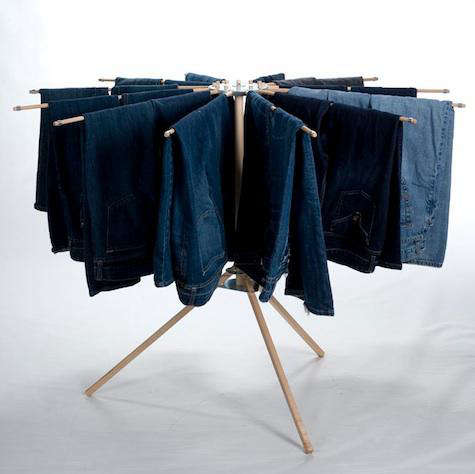

There are two kinds of laundry people in this world: those who toss everything into the dryer and hope for the best, and those who read care labels like tiny fabric fortune cookies. Somewhere in the practical, money-saving middle sits a humble household hero: the drying rack. And not just any wobbly, plastic, “please don’t breathe near me” drying rack. We are talking about Best Drying Rack from Columbia, Missouri, a small U.S.-based laundry equipment business with a refreshingly old-school mission: make air drying simple, sturdy, attractive, and actually usable.
The phrase “domestic science” may sound like something from a 1912 schoolhouse handbook, but it fits perfectly here. Drying clothes is not glamorous, yet it involves real science: airflow, humidity, surface area, fabric care, heat damage, and energy use. A good clothes drying rack makes those ideas work quietly in the corner while your sweaters keep their shape and your utility bill avoids unnecessary drama.
This in-depth guide looks at why the Best Drying Rack brand from Columbia, Missouri has earned attention among people who care about durable home goods, indoor air drying, sustainable laundry routines, and laundry-room organization. We will also compare it with common rack styles, explain what makes a drying rack worth buying, and add real-life experience-based advice for getting the most from air drying at home.
What Is Best Drying Rack from Columbia, Missouri?
BestDryingRack.com is a laundry equipment company located in Columbia, Missouri, selling indoor drying racks, outdoor umbrella clotheslines, clothespins, and manual washing tools. Its product line is built around a simple idea: people will use better laundry habits when the tools are strong, easy to set up, and not ugly enough to scare the dog.
The company is associated with Baka Specialties LLC and founder Greg Baka, whose engineering-minded approach appears throughout the product descriptions. Instead of chasing disposable, featherweight racks that collapse under wet jeans, the brand focuses on long-lasting items made from materials such as maple wood, aluminum, and corrosion-resistant metal components. Several items are made in the United States, including Amish-made wooden drying racks from Pennsylvania.
The most distinctive product is the round tripod clothes drying rack. It is an indoor rack with 16 arms and about 32 feet of hanging capacity. When open, it measures roughly 54 inches across and 42 inches tall; when folded, it shrinks to about 8 inches around and 27 inches tall. In plain English: it opens like a laundry umbrella, holds a serious amount of clothing, and then folds small enough to tuck away without demanding its own zip code.
Why Drying Racks Still Matter in Modern Homes
At first glance, a drying rack may seem unnecessary in a world of large-capacity dryers and smart appliances that beep, sing, and occasionally sound more confident than we feel. But air drying remains one of the easiest ways to protect clothing, reduce energy use, and handle garments that should not be tumble-dried.
Dryers are convenient, but heat and tumbling can be tough on fabric. Cotton may shrink, synthetics may lose stretch, delicate garments may weaken, and sweaters can become tragic little versions of themselves. Many care labels recommend line drying, flat drying, or low-heat drying for good reason. A reliable drying rack gives you a practical place to follow those instructions without draping laundry over chairs, doors, lamps, or that one treadmill nobody talks about.
There is also the energy angle. The U.S. Department of Energy and ENERGY STAR both emphasize that efficient drying depends on preventing over-drying, improving airflow, and using lower-energy methods when possible. Air drying uses no electricity once the rack is purchased. It is not always the fastest method, but it is wonderfully simple: wet clothes plus moving air plus patience equals dry clothes. The patience part is free, though sometimes emotionally expensive.
Product Spotlight: The Round Tripod Clothes Drying Rack
Design and Capacity
The round tripod rack is the product most closely connected with the “Best Drying Rack” name. Its 16 arms create a circular drying layout that lets clothing hang freely instead of lying in damp layers. That matters because airflow is the secret sauce of air drying. If garments touch too much, they dry slowly, wrinkle more, and may develop that “forgotten gym bag” smell that can humble any household.
With about 32 feet of hanging space, this rack can handle more than a few socks and one apologetic T-shirt. It is designed for larger items such as jeans, shirts, towels, and everyday laundry. The rotating top makes loading easier because you can stand in one place and spin the rack as you hang garments. That small detail is surprisingly useful, especially when your laundry basket is full and your motivation is running on battery saver mode.
Materials and Stability
The rack uses maple and aluminum construction, with thick rectangular arms. Maple is smooth, sturdy, and handsome enough to avoid the “college dorm emergency purchase” look. The tripod base gives the rack better stability than many narrow accordion-style racks, especially when the weight is balanced around the circle.
One important detail: clothespins do not fit well on the thick arms of this round rack. That is not a flaw so much as a design trade-off. The arms are built for draping garments directly over them. If your routine depends heavily on pinning socks or small items, you may want a secondary rack, a small clip hanger, or one of the brand’s outdoor clothesline options.
Storage
A drying rack is only useful if it does not become furniture by accident. The round tripod rack folds down to a compact shape, making it easier to store in a closet, laundry room corner, utility room, or behind a door. This is a major advantage for apartments, small homes, and anyone who has ever lost a hallway to laundry day.
Another Strong Option: The Large Amish Wooden Drying Rack
Best Drying Rack also sells a large Amish-made wooden drying rack. This model is more traditional in appearance, standing about 52 inches tall, 36 inches long, and 17 inches wide. It offers around 30 feet of hanging space and uses smooth white maple rods and frame construction. It weighs about 12 pounds and folds for storage.
This tall rack is better for people who prefer a classic ladder-style or accordion-style layout. It provides multiple horizontal rods and a familiar structure for shirts, towels, baby clothes, workout gear, and linens. Because it is tall, it gives longer garments more breathing room than a short, compact rack.
The trade-off is floor footprint. While the round tripod rack spreads laundry outward in a circular pattern, the large wooden rack uses a rectangular footprint. It may fit better along a wall or beside a sunny window. For people with a laundry room, basement, mudroom, or spare corner, the large rack can feel like a permanent upgrade to the home laundry system.
What Makes a Drying Rack “Best”?
The best clothes drying rack is not always the biggest or the cheapest. It is the one that matches your laundry habits, space, and patience level. Before buying any rack, consider these core features.
1. Drying Capacity
Capacity matters because wet clothing needs space. A small rack is fine for delicates, but it becomes frustrating if you regularly wash towels, jeans, uniforms, or family laundry. The round tripod rack and large Amish rack both offer around 30 feet or more of hanging space, which puts them in the serious-use category rather than the “one sweater and a prayer” category.
2. Airflow
Airflow is the difference between fresh laundry and damp regret. A good rack separates garments so air can move around them. Circular, winged, and tall racks usually perform better than cramped racks where clothing overlaps. For indoor drying, place the rack near a fan, open window, HVAC vent, or well-ventilated room. Do not crowd garments together like commuters on a Monday train.
3. Stability
Wet laundry is heavier than dry laundry. This is obvious until a cheap rack folds itself into modern art. Look for a wide base, strong joints, smooth bars, and materials that do not sag easily. Stability is especially important if you dry denim, bath towels, hoodies, or children’s clothes in bulk.
4. Fabric Friendliness
Smooth bars reduce snags and creases. Wood, coated metal, and quality aluminum can all work well when finished properly. Avoid rough edges, exposed screws, brittle plastic joints, or thin wires that leave sharp creases in delicate fabrics. Knits and sweaters should often dry flat or be draped carefully so they do not stretch at the shoulders.
5. Storage Convenience
A drying rack should fold easily and store without a wrestling match. If it is annoying to open, close, or move, you will stop using it. Then it becomes an expensive wooden sculpture called “Laundry Guilt.” Compact folding designs are especially helpful in apartments and homes without dedicated laundry rooms.
Best Uses for the Columbia, Missouri Drying Rack
For Delicates and Clothing That Should Avoid Heat
Activewear, bras, wool sweaters, linen pieces, cotton shirts, and many synthetics last longer when they avoid high heat. Air drying helps preserve elasticity, reduce shrinkage, and prevent unnecessary wear. The Best Drying Rack products are especially useful for garments you actually like and therefore do not want to sacrifice to the dryer gods.
For Families Trying to Cut Dryer Use
A large-capacity rack can reduce the number of dryer loads per week. You may still use the dryer for towels, bedding, or emergency school-night laundry, but air drying part of each load can save energy and reduce fabric damage. Even shifting workout clothes, jeans, and delicate tops to a rack can make a noticeable difference over time.
For Apartments and Small Homes
Not everyone has a backyard clothesline or a giant laundry room. Indoor racks make air drying possible in rentals, condos, dorm-style spaces, and homes with strict outdoor line rules. The round tripod rack is useful because it folds compactly but opens into a high-capacity drying station.
For People Who Appreciate Made-to-Last Household Tools
There is something satisfying about a household item that does one job well for years. Best Drying Rack leans into that philosophy. The wood-and-metal construction, Amish-made options, and simple mechanical design appeal to people who are tired of replacing flimsy plastic racks every time a pair of wet jeans looks at them aggressively.
Indoor Drying Tips for Better Results
Indoor air drying is easy, but a few small habits make it faster and fresher.
Shake Garments Before Hanging
Give shirts, pants, and towels a quick shake before placing them on the rack. This reduces wrinkles, separates fabric layers, and helps garments dry more evenly. It also makes you feel like you know what you are doing, which is half the battle in laundry.
Use the Washing Machine’s Spin Cycle Wisely
The wetter the clothes, the longer drying takes. A strong final spin removes extra water before items reach the rack. For delicate fabrics, use the appropriate gentle cycle, but for sturdy cottons and synthetics, an effective spin can make indoor drying much faster.
Leave Space Between Items
Air drying works best when air can circulate. Hang heavy items on separate arms or rods. Avoid stacking two damp towels over the same bar. If you must dry a full load indoors, rotate items after a few hours so damp spots get better exposure.
Mind Humidity
Indoor drying adds moisture to the air. In dry winter weather, that can be welcome. In humid rooms, basements, or closed bathrooms, it can slow drying and encourage musty smells. Use a fan, open a window when weather allows, or run a dehumidifier in damp spaces. Good airflow is not optional; it is the unpaid intern doing all the work.
Dry Heavy Items Strategically
Jeans, hoodies, and towels need more space and time. Hang jeans by the waistband or drape them evenly so the thick seams get air. Flip towels once during drying. For hoodies, open the body and sleeves so damp fabric is not folded into itself.
How It Compares With Common Drying Rack Types
Cheap accordion racks are easy to find and often affordable, but they can be unstable under heavy loads. Winged racks provide more room for sheets and longer garments, but they can take up a wide footprint. Mesh racks are excellent for sweaters and delicates that need flat drying, though they are not ideal for full laundry loads. Wall-mounted racks save floor space but usually offer limited capacity.
The round tripod rack from Best Drying Rack sits in a different category. It is portable, foldable, high-capacity, and visually nicer than many metal or plastic models. Its biggest strengths are stability, generous hanging space, rotating convenience, and compact storage. Its main limitations are price, indoor-only use, and thick arms that do not work with standard clothespins.
The large Amish wooden rack is better for people who like a traditional rack shape and want strong horizontal rods. It is sturdy, attractive, and practical for heavy everyday use, but it needs more dedicated floor space when open.
Is Best Drying Rack Worth the Price?
For occasional use, a budget rack may be enough. If you only air dry one blouse every three months, you probably do not need a premium wooden rack. But if you air dry weekly, care about clothing longevity, want to reduce dryer use, or simply hate flimsy household tools, Best Drying Rack becomes much more compelling.
The value comes from durability, capacity, and ease of use. A rack that holds more laundry, folds neatly, and does not wobble under towels is more likely to become part of your routine. That routine can help lower dryer dependence, protect garments, and make laundry day less chaotic.
It is also a good fit for people who prefer buying fewer, better household items. The Columbia, Missouri connection gives the brand a small-business feel, while the Amish-made and U.S.-made product details add appeal for shoppers who care about domestic manufacturing.
Buying Advice: Who Should Choose Which Rack?
Choose the Round Tripod Rack If…
You want a distinctive, compact-folding rack with high capacity. It is ideal for shirts, pants, towels, everyday laundry, and households that want a rack that opens quickly and stores small. It is also a smart choice if you like the idea of rotating the rack while loading clothes.
Choose the Large Amish Wooden Rack If…
You prefer a classic shape, want multiple rods, and have enough floor space for a taller rectangular rack. This model is especially useful for families, heavy laundry users, and anyone who wants a sturdy wooden rack that feels more like a household fixture than a temporary gadget.
Choose an Outdoor Umbrella Clothesline If…
You have outdoor space and want the fastest natural drying method. Sun and breeze are hard to beat for sheets, towels, and large loads. Outdoor drying is weather-dependent, of course, because rain remains laundry’s most sarcastic enemy.
Experience Notes: Living With a Better Drying Rack
The first thing you notice when using a serious drying rack is not the energy savings. It is the absence of panic. With a flimsy rack, every wet towel feels like a structural engineering exam. You hang one pair of jeans, the rack leans. You add a sweatshirt, it sighs. You place a towel on the side, and suddenly you are negotiating with gravity. A sturdier rack changes the mood immediately.
A round tripod-style drying rack feels especially efficient when dealing with mixed loads. Shirts can go around the outside, pants can take the stronger arms, and lighter pieces can fill the gaps. Because the top rotates, loading becomes less awkward. Instead of walking around the rack like you are orbiting a damp planet, you spin the rack toward you. It is a small convenience, but small conveniences are why humans invented drawers, wheels, and snacks.
In everyday use, the biggest lesson is spacing. The temptation is to use every inch of hanging capacity, but better drying happens when clothing has breathing room. A full rack can work well if garments are staggered and heavier items are spread out. Towels should not be doubled over too thickly unless you plan to wait until the next presidential administration. Jeans dry better when opened up at the waistband and arranged so the seams get airflow.
Indoor placement matters more than many people expect. A rack in a closed bathroom may dry slowly, especially after showers. A rack near a sunny window, ceiling fan, or lightly ventilated room performs much better. In winter, indoor drying can add a bit of welcome humidity, but in already damp spaces, a fan or dehumidifier helps prevent mustiness. The goal is fresh laundry, not a science fair project about mildew.
Another pleasant surprise is how air drying changes the way you treat clothes. You start checking labels. You notice which shirts keep their shape better. You stop sacrificing workout gear to high heat. Sweaters no longer emerge from the dryer with the emotional energy of doll clothing. Even towels, though sometimes less fluffy when line-dried, can be finished briefly in the dryer if softness is important. Air drying does not have to be all or nothing; it works beautifully as part of a hybrid laundry routine.
The best experience comes from making the rack easy to access. If it is buried behind boxes, you will not use it. If it folds neatly near the laundry area, it becomes automatic. Wash, shake, hang, walk away. That rhythm is the quiet beauty of domestic science: simple tools, repeated well, making daily life a little cheaper, gentler, and less wasteful.
For households in Columbia, Missouri or anywhere else in the United States, the appeal of Best Drying Rack is not that it reinvents laundry. It does something better: it respects laundry as a real household task. It gives wet clothes room to dry, gives fabrics a break from heat, and gives people a tool that feels built for years instead of seasons. In a world full of overcomplicated appliances, there is something wonderfully refreshing about a rack that opens, holds clothes, folds, and minds its own business.
Conclusion
Domestic Science: Best Drying Rack from Columbia, Missouri is more than a nostalgic nod to old-fashioned laundry. It is a practical reminder that good household tools still matter. The round tripod rack and large Amish wooden rack stand out because they combine capacity, stability, durable materials, and compact storage in ways that cheaper racks often fail to deliver.
If you regularly air dry clothes, want to protect delicate fabrics, reduce dryer use, or simply upgrade your laundry routine, Best Drying Rack deserves serious consideration. It is not the cheapest option, but it offers the kind of usefulness that becomes obvious after repeated use. The best drying rack is the one you actually reach for every week, and this Columbia, Missouri brand makes a strong case for earning that spot in your home.


