
Some bathroom accessories shout. They arrive in glossy gold, twist into dramatic shapes, and behave as though a toothbrush holder deserves its own red-carpet entrance. Then there are anonymous accessories: quiet, useful, almost invisible pieces that do their job so well you forget they are working. That is not an insult. In a bathroom, “forgettable” can be a superpower.
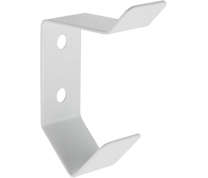
The idea behind Bath: Anonymous Accessories is simple: the best bath accessories do not always need to become the star of the room. Sometimes a white double hook, a clean shelf-and-towel rail, a restrained toilet-roll holder, or a discreet toilet brush holder can make a bathroom feel calmer, smarter, and more complete. Think of them as the stage crew of good design. They are not taking a bow, but without them, the whole production gets weird fast.
This article explores the design logic behind anonymous bathroom accessories, inspired by the minimalist all-white bathroom line associated with Emiliana Design Studio and the broader movement toward practical, refined bath hardware. We will look at materials, placement, storage, style, small-space strategy, and how to choose bath accessories that create order without turning your wall into a hardware showroom.
What Are “Anonymous Accessories” in the Bathroom?
Anonymous accessories are bathroom pieces designed to blend into the space rather than dominate it. They usually have simple forms, quiet finishes, and clear functions. A hook is a hook. A shelf holds things. A towel rail lets towels dry. A toilet brush holder politely hides the least glamorous tool in the house. No drama, no decorative cartwheels, no unnecessary flourishes.
In the original design context, the Anonymous bathroom line was praised for its all-white simplicity and zinc-coated stainless-steel construction. The collection included everyday essentials such as a double hook, a magazine rack and toilet-roll holder, a shelf with towel rail, and a toilet brush holder. None of these items sound thrilling at first. But that is exactly the point. The collection treats ordinary bathroom hardware as something that can be elegant because it is restrained.
Anonymous design does not mean boring design. It means disciplined design. It asks, “What does this object need to do?” and then removes the visual noise around that answer. In a bathroom, where there are already mirrors, faucets, tile lines, grout, towels, bottles, switches, outlets, and occasionally a rubber duck with too much confidence, restraint is refreshing.
Why Quiet Bathroom Accessories Work So Well
Bathrooms are small rooms with big responsibilities. They must handle water, steam, grooming tools, towels, cleaning supplies, cosmetics, toiletries, and daily routines that happen before coffee. Because the space is often compact, every object has a louder visual presence than it would in a living room or bedroom. A bulky towel bar, mismatched soap dispenser, or shiny toilet paper holder can throw off the entire design.
Quiet bath accessories work because they reduce visual friction. White accessories on white walls feel architectural. Matte or powder-coated finishes soften reflections. Simple geometry creates a sense of calm. When accessories are coordinated, the bathroom feels intentional rather than assembled during three separate panic trips to the home improvement store.
The goal is not to make a bathroom sterile. The goal is to let the useful pieces support the atmosphere. If your bathroom is modern, anonymous accessories keep the lines clean. If it is traditional, they can act as neutral punctuation. If it is tiny, they prevent clutter from visually shrinking the room. If it is a guest bath, they quietly prevent visitors from performing the awkward “Where is the towel?” dance.
The Core Pieces: What Every Bathroom Actually Needs
1. Hooks That Earn Their Wall Space
A double hook is one of the most practical bathroom accessories you can install. It can hold a towel, robe, washcloth, shower cap, or the outfit you were absolutely sure would not fall on the floor. In family bathrooms, hooks often outperform towel bars because each person can have a designated spot. In children’s bathrooms, hooks are especially forgiving because hanging a towel on a bar requires a level of folding discipline most adults only pretend to have.
For an anonymous look, choose hooks with smooth edges, minimal projection, and a finish that matches or deliberately complements other hardware. White hooks on a white wall create a built-in effect. Chrome or brushed nickel hooks can coordinate with faucets. Matte black adds contrast but should be used carefully; it is stylish, but in a small room it can quickly become the design equivalent of using bold text for every sentence.
2. A Shelf and Towel Rail Combo
A shelf with an integrated towel rail is a small-space hero. The shelf can hold folded towels, a small basket, or daily toiletries, while the rail underneath gives a towel a dedicated place to dry. This type of accessory is especially useful in bathrooms with limited vanity space or no linen closet nearby.
The key is proportion. A shelf that is too deep can become a forehead hazard. A rail that is too short creates bunched towels that dry slowly. A good shelf-and-rail unit should feel like it belongs to the architecture of the room, not like it was added after someone lost a battle with countertop clutter.
3. Toilet Paper Holder With a Little Dignity
The toilet paper holder is not glamorous, but it is non-negotiable. A well-designed holder should be easy to reach, easy to reload, and visually calm. The best versions do not draw attention to themselves. They simply prevent the spare roll from living on the tank like a sad little hat.
Some designs combine a magazine rack with a toilet-roll holder, which can work well in a guest bath or powder room. Today, that magazine rack might hold a small book, extra rolls, or neatly folded guest towels. The old joke is that bathrooms are where magazines go to retire. The modern update is that storage should justify itself.
4. The Toilet Brush Holder Nobody Wants to Discuss
Every bathroom needs cleaning tools, yet many people design the room as if a toilet brush will never exist. Then reality arrives, usually in a plastic holder that looks like it was designed during a lunch break. An anonymous toilet brush holder solves this problem by hiding the tool in plain sight.
Look for a holder that is stable, easy to clean, ventilated enough to dry properly, and visually consistent with the rest of the bath accessories. A clean white or stainless-steel version can sit quietly beside the toilet without announcing itself. That is the highest possible achievement for a toilet brush holder: to be useful and emotionally invisible.
Materials Matter: Why Stainless Steel Still Makes Sense
Bathrooms are humid, splashy environments. Accessories need to survive steam, wet towels, soap residue, cleaning products, and the occasional toothpaste explosion. Stainless steel is popular because it is strong, moisture-resistant, and easy to wipe clean. Zinc-coated stainless steel adds another protective layer, which is useful for pieces exposed to damp conditions.
Powder-coated finishes can also work well because they create a smooth, durable surface and offer a softer appearance than polished metal. White powder-coated accessories are especially good for anonymous design because they visually recede against light tile or painted walls. The bathroom feels less like a hardware aisle and more like a calm, edited room.
That said, no material is magic. Even high-quality accessories need basic care. Wipe off standing water. Avoid harsh abrasive cleaners unless the manufacturer specifically approves them. Do not let wet towels sit in a permanent soggy bundle. Bathroom accessories are tough, but they are not superheroes wearing tiny capes.
Placement: The Difference Between Elegant and Annoying
Good bathroom accessories are not just chosen; they are placed. A beautiful towel hook installed three steps away from the shower is not thoughtful. It is cardio. A toilet paper holder mounted too far forward or too low becomes a daily reminder that someone skipped the planning stage.
Common placement guidelines can help. Towel bars are often installed around 48 inches from the floor. Toilet paper holders are commonly placed around 26 inches from the floor and within easy reach of the toilet. Robe hooks are often placed higher, around 70 inches from the floor, though the right height should suit the people using the room. For children, shorter adults, or anyone with limited mobility, adjust the placement for comfort rather than blindly obeying a number.
Before drilling, test locations with painter’s tape. Stand in the room. Pretend to reach for the towel. Sit where you would sit. Open the door. Check whether a towel will block a light switch or rub against painted drywall. This five-minute rehearsal can prevent years of mild irritation, which is the most common design flaw in human civilization.
Anonymous Accessories for Small Bathrooms
Small bathrooms benefit the most from quiet accessories. In a compact room, every item competes for attention. The trick is to use vertical space without making the walls feel crowded.
Hooks can replace long towel bars when wall space is limited. A narrow shelf above the sink can free the countertop. A medicine cabinet can hide small grooming items. A slim wall cabinet can store extra toiletries. A towel ring beside the vanity keeps hand towels convenient without claiming too much space. In some bathrooms, baskets under the sink provide storage without drilling into tile.
Anonymous accessories are especially helpful here because they do not visually chop up the space. White-on-white hardware, slim rails, shallow shelves, and simple holders keep the room feeling open. If the bathroom is tiny, choose fewer but better accessories. A small room does not need twelve decorative objects. It needs somewhere for the towel to dry and somewhere for the toothpaste to stop rolling into the sink like it is trying to escape.
Should Everything Match?
Matching bathroom accessories can create a polished, hotel-like look. Coordinating towel bars, hooks, toilet paper holders, faucets, cabinet pulls, and shower hardware makes the space feel planned. This is especially useful in modern or minimalist bathrooms where the eye notices every inconsistency.
However, matching does not mean every item must come from the same product line. The more important rule is visual harmony. Finishes should belong to the same family or create a deliberate contrast. Chrome with chrome is safe. Brushed nickel with warm gray tones feels soft. Matte black with white tile creates graphic contrast. Brass can add warmth, especially with natural stone or wood.
Anonymous accessories often work best when they match the wall or quietly echo another element. For example, white hooks in a white bathroom can disappear, while a white shelf above a white sink feels integrated. If your faucet is the star, let the accessories support it. Not every piece needs to audition for Broadway.
Storage Without Clutter: The Real Luxury
Luxury in the bathroom is often described with words like spa-like, serene, and elevated. Those are nice words, but the practical translation is simpler: you can find what you need, and nothing damp is lying on the floor.
Modern bath design increasingly values storage that is specific to the routine. Hair tools need safe storage. Makeup needs divided drawers. Medicines should be kept appropriately, often outside damp bathroom conditions. Extra soap, shampoo, and bulk paper products do not need to live in the bathroom if they crowd the daily essentials.
The anonymous approach asks each accessory to solve a real problem. A shelf should hold items you actually use. A hook should be where a towel is naturally grabbed. A soap dispenser should be easy to refill and clean. A toothbrush holder should not become a mysterious swamp. If an accessory only adds clutter, it is not an accessory; it is a decorative hostage situation.
Safety Can Be Beautiful
Bathroom safety used to be treated as a purely medical concern, which is why older grab bars sometimes looked like they were borrowed from a hospital hallway. Thankfully, that is changing. Modern accessibility features can be elegant, subtle, and coordinated with the rest of the room.
Decorative grab bars, shower benches, curbless entries, wider doorways, and smart storage placement can make a bathroom safer without making it feel institutional. This matters for aging-in-place design, but it also matters for children, guests, recovering athletes, sleepy adults, and anyone who has ever stepped onto a wet tile floor with the confidence of a newborn deer.
If you are remodeling, plan blocking inside the walls before drywall or tile goes up. Blocking gives towel bars, shelves, hooks, and grab bars a stronger anchor. Even if you do not install every safety feature immediately, future-you may be grateful that the wall is ready.
How to Style Anonymous Bath Accessories
Because anonymous accessories are quiet, styling around them becomes easier. Start with a restrained base: white, warm gray, soft beige, pale wood, stone, or simple tile. Add texture through towels, a bath mat, a woven basket, or a linen shower curtain. Keep countertop items grouped on a tray rather than scattered like tiny bathroom tourists.
Use repetition. If your accessories are white, repeat white in towels or ceramics. If they are stainless steel, echo that finish in the faucet or mirror frame. If you introduce color, let it come from replaceable pieces such as towels, art, or a small plant. Permanent hardware should be calm enough to survive changing trends.
Anonymous design also pairs beautifully with humor. A bathroom does not need to be cold to be minimal. You can use a quiet shelf and still add a cheerful hand towel. You can have a serious towel rail and a soap with a ridiculous name. The accessories can be anonymous while the room still feels human.
Buying Checklist for Anonymous Bathroom Accessories
Function First
Identify what the bathroom needs before shopping. Do you need towel drying, hand towel access, extra shelf space, robe storage, toilet paper storage, or a better way to hide cleaning tools? Buy for the routine, not the fantasy version of your routine where nobody owns shampoo.
Measure Everything
Measure wall width, door swing, vanity height, shower distance, and clearance around the toilet. A beautiful accessory that blocks a drawer or collides with the door is not beautiful anymore. It is a tiny architectural argument.
Choose Durable Materials
Look for moisture-resistant materials such as stainless steel, coated metal, solid brass, quality ceramic, or durable composites. Avoid flimsy finishes in high-humidity bathrooms, especially if the room has poor ventilation.
Plan the Finish Palette
Decide whether accessories should disappear, match, or contrast. White accessories disappear on white surfaces. Chrome feels clean and classic. Brushed nickel is soft and forgiving. Matte black is crisp but visually strong. Brass adds warmth but should be repeated intentionally.
Think About Cleaning
Simple shapes are easier to clean. Avoid accessories with deep grooves, complicated joints, or awkward corners if you dislike scrubbing with a toothbrush that has been demoted from dental duty.
Common Mistakes to Avoid
The first mistake is over-accessorizing. A bathroom does not need every object sold in the bath aisle. Too many accessories make the room feel crowded and harder to clean.
The second mistake is ignoring towel drying. Hooks are space-efficient, but towel bars allow towels to spread out and dry faster. In shared bathrooms, a mix may work best: hooks near the shower for convenience and bars where airflow is better.
The third mistake is buying accessories after the remodel is finished. Hardware locations should be planned early, especially if tile, blocking, or electrical outlets are involved. The prettiest towel rail in the world cannot fix a wall with no good place to mount it.
The fourth mistake is choosing style over daily use. A toilet paper holder should be reachable. A shelf should not be so high that it requires a ladder. A soap dispenser should not tip over every time someone uses it. Good design is glamorous, yes, but it also understands Monday morning.
Experience Notes: Living With Anonymous Accessories
The funny thing about anonymous bathroom accessories is that you notice them most when they are missing. A bathroom without a hook near the shower turns every bath towel into a logistical puzzle. You step out, drip on the floor, stretch toward a towel bar across the room, and suddenly the morning has become a low-budget obstacle course. Add one well-placed hook and the whole room becomes more civilized.
In real homes, the best bath accessories are the ones that quietly reduce small daily annoyances. A shelf above the sink keeps the toothbrush cup from crowding the basin. A towel rail gives damp towels enough air to dry. A toilet brush holder that matches the room makes cleaning supplies feel less like an afterthought. A simple toilet-roll holder prevents guests from opening every cabinet while pretending they are “just admiring the storage.”
Anonymous accessories are also forgiving when tastes change. A bright patterned soap dish may feel fun for one season, then strangely loud the next. A clean white hook or stainless-steel rail can stay through paint changes, towel upgrades, new shower curtains, and shifting trends. That long-term flexibility is valuable, especially in bathrooms where replacing hardware can mean drilling tile or patching walls.
Another real-life advantage is easier cleaning. Minimal accessories with smooth surfaces collect less dust and soap residue than ornate pieces. There are fewer decorative ridges to scrub and fewer awkward corners where mystery grime gathers. If you have ever tried cleaning around a complicated wall-mounted toothbrush holder, you understand why simplicity can feel like luxury. The bathroom already has enough cleaning challenges. The accessories do not need to volunteer as extra villains.
For small bathrooms, anonymous accessories can make the space feel larger because they do not interrupt the eye. White hardware on white tile, slim shelves, and low-profile hooks keep the walls calm. Instead of seeing a dozen separate objects, you see one coherent room. This is especially helpful in rental apartments, powder rooms, and older homes where the bathroom footprint was apparently designed by someone who believed elbows were optional.
In guest bathrooms, quiet accessories create confidence. Guests should not have to solve a puzzle to wash their hands, hang a towel, or find extra toilet paper. The best guest bath feels intuitive. A hand towel is near the sink. A spare roll is visible or easy to locate. A small shelf or tray holds essentials. Nothing feels overly precious, and nothing looks like it will break if someone breathes near it.
There is also an emotional benefit. A bathroom with calm, coordinated accessories feels more restful. It does not nag you with clutter. It does not show off. It simply supports the routines that begin and end the day. That may sound modest, but modest improvements are often the ones people appreciate most. Nobody writes poetry about a well-placed towel hook, but they use it every single day.
The lesson of Bath: Anonymous Accessories is not that every bathroom must be white, minimalist, or design-magazine perfect. The lesson is that small objects deserve thoughtful decisions. Choose accessories that serve the room, survive moisture, support real routines, and keep visual noise low. When bathroom hardware becomes quietly useful, the entire space feels better. That is the charm of anonymous design: it does not ask for attention, yet somehow improves everything.
Conclusion
Bath: Anonymous Accessories is a reminder that bathroom design does not always need a grand gesture. Sometimes the smartest upgrade is a better hook, a cleaner shelf, a calmer toilet-roll holder, or a toilet brush holder that does not visually apologize for existing. These small pieces organize routines, improve comfort, support safety, and shape the mood of the room.
Anonymous bathroom accessories prove that simplicity can be practical, beautiful, and even a little witty. They step back so the whole bathroom can breathe. And in a room where steam, towels, soap, and morning chaos already have starring roles, a little quiet competence is worth celebrating.


