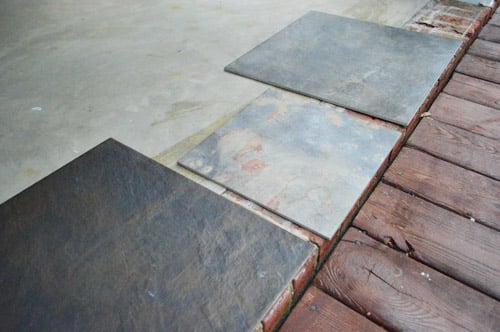

If your concrete floor is staring back at you like a giant gray apology, you are not alone. Homeowners everywhere eventually face the same question: Should I paint this concrete floor, or should I tile it? On paper, both options sound great. Paint is affordable and fast. Tile is polished and durable. Then reality shows up wearing work boots and carrying a moisture meter.
The truth is that choosing between painting or tiling a concrete floor is not just a style decision. It is a budget decision, a maintenance decision, and sometimes a “how much do I enjoy crawling around on the floor this weekend?” decision. The right answer depends on where the floor is, what condition the slab is in, how much traffic it gets, and how much long-term commitment you want to make.
In this guide, we will break down the pros, cons, costs, maintenance needs, installation realities, and real-life situations that make one option smarter than the other. By the end, you will know whether your concrete floor needs a paint roller, a tile saw, or a little more therapy before either one.
Painting vs. Tiling a Concrete Floor: The Quick Answer
If you want the shortest possible answer, here it is:
- Paint the concrete floor if you want a faster, cheaper, more DIY-friendly update and the slab is dry, stable, and reasonably smooth.
- Tile the concrete floor if you want a longer-lasting, more finished look and are willing to spend more time and money on prep and installation.
That sounds simple, but concrete floors are experts at hiding complications. A slab may look fine and still have moisture issues, hairline cracks, low spots, old contamination, or uneven patches that can ruin either finish if you skip prep.
What Makes Concrete Floors Tricky in the First Place?
Concrete has a reputation for being indestructible, and to be fair, it does act like the stubborn uncle of building materials. But even tough concrete comes with quirks. It can hold moisture, transmit cracks, feel cold underfoot, and reveal every low spot once you try to finish it.
This matters because both paint and tile depend on preparation. Paint needs a clean, porous, dry surface so it can bond properly. Tile needs a sound, dry, level substrate so the mortar and tile can stay put without cracking, lifting, or turning your floor into an accidental percussion instrument.
So before comparing finishes, start with the slab itself. Ask these questions:
- Is the concrete fully cured and structurally sound?
- Are there cracks, flaking areas, or spalling?
- Does the floor get damp after rain or humid weather?
- Is the surface painted already?
- Is the floor level enough for tile?
- Will this room see heavy traffic, rolling loads, pets, or dropped tools?
If the slab has issues, neither paint nor tile will magically hide all of them. In fact, poor prep usually means your floor renovation becomes a very expensive lesson in chemistry and denial.
When Painting a Concrete Floor Makes More Sense
1. You want the most budget-friendly option
Painting is usually the lower-cost route. If your slab is already in decent shape, paint can transform a basement, mudroom, laundry room, porch, or garage without the material and labor costs that come with tile. You also avoid grout, specialty cutting tools, and the emotional roller coaster of realizing your room is not square.
2. You need a faster project
Paint wins on speed. With proper prep, many painted concrete floors can be completed much faster than a tile installation. That makes paint appealing for homeowners who want visible results this week, not sometime before the next holiday season.
3. You like easy style updates
Paint is flexible. You can go solid color, checkerboard, faux stone, or even stencil a tile-like pattern if you want the look of tile without marrying it for the next decade. This is especially useful in casual spaces where design trends may change faster than your patience.
4. The room is low to moderate traffic
A painted concrete floor works best where traffic is steady but not brutal. Think guest-room basements, utility rooms, home gyms, or storage areas. In those spaces, paint can be practical and attractive without being asked to survive daily abuse from muddy boots, rolling tool chests, or a family of enthusiastic golden retrievers.
5. You are doing the work yourself
DIYers often choose paint because the learning curve is gentler. You still need to clean, repair, etch or profile if required, prime if the product calls for it, and apply the right coating, but it is generally less complex than setting tile correctly over concrete.
Why Painting a Concrete Floor Can Backfire
1. Moisture is paint’s natural enemy
If the slab is damp, paint may peel, blister, or fail to bond. This is especially important in basements and garages. A floor that looks dry on Tuesday can decide to sweat on Thursday and wreck your weekend project.
2. Surface prep matters more than people expect
Concrete is not just “sweep and go.” If the surface has grease, dust, old sealers, weak spots, or smooth contamination, paint may not stick well. Skipping prep is the flooring equivalent of frosting a cake that is still in the oven.
3. Painted floors can show wear
Even good concrete paint or one-part epoxy coatings may scuff, fade, or wear down in high-traffic spaces. Heavier-duty coatings exist, but basic paint finishes are still less resilient than a properly installed tile floor.
4. It may need more frequent refreshing
If you choose paint, expect that touch-ups or recoating may be part of the deal. That is not necessarily a problem, but it is a tradeoff for the lower upfront cost.
When Tiling a Concrete Floor Makes More Sense
1. You want a more permanent finish
Tile is the better choice when you want the floor to feel truly finished. A tiled concrete floor looks intentional, polished, and long-term. It can elevate a basement, entry, sunroom, or lower-level living area from “unfinished but trying its best” to “actual room people want to use.”
2. Durability matters most
Porcelain and ceramic tile hold up well to foot traffic, scratches, spills, and routine cleaning. If you want something that can survive busy household life without asking for constant cosmetic rescue, tile has a major edge.
3. The room has moisture-prone conditions
In many moisture-prone spaces, tile is the safer long-term finish when the slab is properly prepared. Bathrooms, mudrooms, and certain basements often benefit from tile’s water resistance and easier cleanup. Paint can work, but tile is typically the sturdier bet when moisture is part of the room’s personality.
4. Design is a priority
Tile offers far more variation in size, color, texture, pattern, and slip resistance. You can choose warm wood-look planks, classic stone visuals, minimalist concrete-look porcelain, or patterned tile that makes the floor the star of the room.
5. You want less cosmetic maintenance
Once tile is installed correctly, routine upkeep is usually straightforward. Clean it, maintain grout as needed, and move on with your life. You are not usually worrying about repainting traffic paths every few years.
Why Tiling a Concrete Floor Can Be the Smarter Choicebut Not the Easier One
1. The slab must be clean, dry, patched, and level
Tile is not forgiving of poor prep. Low spots, cracks, loose areas, and contaminants can all create problems. If the floor is uneven, you may need patching or self-leveling work before tile goes down.
2. Existing paint creates complications
If the concrete floor is already painted, you usually cannot just spread thinset over it and call yourself efficient. Bonding to painted concrete is a common failure point. In many cases, the paint must be removed or the surface mechanically prepared so the tile system can bond properly.
3. Cracks and joints need attention
Concrete cracks are not always dramatic, but they matter. Some in-plane cracks can be managed with a crack-isolation membrane, but movement joints and expansion joints cannot simply be tiled over and forgotten. Concrete likes to move. Tile likes not moving. Your job is to keep them from arguing.
4. Installation is slower and more demanding
Tiling takes layout work, mortar mixing, cutting, spacing, leveling, grouting, and curing. A beautiful tile floor is deeply satisfying. A rushed tile floor is forever. That is the risk.
5. The upfront cost is higher
Tile usually costs more in both materials and labor. Even if you install it yourself, the tools, underlayment or membrane products, mortar, grout, trim, and patching materials add up quickly.
Head-to-Head Comparison: Paint vs. Tile on Concrete
Appearance
Paint: Clean, modern, customizable, and easy to change later. Great for casual spaces or creative designs.
Tile: More upscale, more dimensional, and generally more premium-looking.
Cost
Paint: Usually cheaper upfront.
Tile: Higher upfront investment.
DIY Difficulty
Paint: Easier for most homeowners.
Tile: More skill-intensive and less forgiving.
Durability
Paint: Good for lighter-duty spaces, especially with higher-performance coatings.
Tile: Better long-term wear resistance in most living spaces.
Moisture Performance
Paint: Can fail if moisture vapor is an issue.
Tile: Usually better for damp-prone rooms when the substrate and setting materials are handled correctly.
Repairability
Paint: Easier to touch up, though matching wear can be tricky.
Tile: Harder to repair invisibly unless you kept spare tiles.
Comfort
Painted concrete: Still feels like concrete, meaning hard and sometimes cold.
Tile over concrete: Also hard, and often still cool underfoot, though the finish can feel more refined and easier to warm visually with rugs.
Best Rooms for a Painted Concrete Floor
- Utility rooms
- Laundry rooms
- Garages with dry slabs
- Budget basement refreshes
- Mudrooms
- Workshops or hobby areas
Paint is a smart move when function, speed, and budget matter more than a luxury finish.
Best Rooms for a Tiled Concrete Floor
- Bathrooms
- Entries and foyers
- Finished basements
- Sunrooms
- Kitchens on slab foundations
- High-traffic family areas
Tile usually wins when you want durability, water resistance, and a more polished finished-room feel.
How to Choose the Right Option for Your Home
Choose paint if:
- You need the cheaper option
- You want a faster DIY project
- The slab is dry and in decent shape
- You like the idea of changing the look later
- The room is more functional than formal
Choose tile if:
- You want a long-lasting finished floor
- The room gets more traffic or moisture
- You are willing to do serious prep
- You want better style options
- You are okay with a higher upfront cost
The Most Honest Recommendation
If your concrete floor is dry, stable, and you want an affordable facelift, painting the concrete floor is a perfectly reasonable choice. It is practical, attractive, and far less intimidating for the average DIYer.
If you want the floor to feel permanent, upscale, and ready for years of traffic, tiling a concrete floor is usually the better long-term investment. It requires more prep and patience, but the finished result is often stronger and more refined.
In other words, paint is the quick makeover. Tile is the long relationship. One is a weekend confidence boost. The other is a commitment with mortar dust.
Real-World Experiences: What Homeowners Learn After the Decision
One of the most common experiences homeowners share after painting a concrete floor is surprise at how much the prep work determines the final result. Many expect the actual painting to be the hard part, but the real challenge is cleaning, patching, degreasing, and figuring out whether the slab has hidden moisture issues. The people who love their painted floors usually say the same thing: they took prep seriously, followed cure times, and chose the right coating for the room instead of the cheapest can with a nice label.
Another common experience comes from basement projects. A lot of homeowners start by assuming tile is automatically the premium option, only to discover their slab has cracks, slope issues, or damp spots that need correction first. Some pivot to paint because it is more affordable and lets them improve the room quickly. Others still choose tile, but only after patching low spots, addressing moisture, and using the right membrane or underlayment approach. The lesson is simple: the floor picks the winner before your Pinterest board does.
Homeowners who choose paint for mudrooms and laundry rooms often report that they love the fresh, clean look and the ability to use color or stencils to add personality. A painted floor can make a small room feel brighter and more intentional without a massive investment. The downside they mention most often is wear in high-traffic paths. Shoes, pet nails, dragged bins, and repeated scrubbing can gradually dull the finish. People who go in expecting occasional touch-ups tend to stay happy. People expecting “install once and forget forever” usually end up annoyed.
People who tile over concrete often describe the process as slower and fussier than expected, but worth it once finished. Tile requires careful layout, especially in older homes or lower levels where walls are not perfectly square. Many DIYers say the first few rows are stressful, the cuts around doorways are humbling, and grouting feels like a full upper-body workout nobody asked for. Still, once the room is done, the floor tends to feel more complete, more polished, and easier to live with long term.
There is also a strong emotional factor in these projects. Paint feels less risky because it is easier to change. Homeowners who like refreshing spaces every few years often appreciate that freedom. Tile feels more permanent, which is either reassuring or terrifying depending on your personality. If you are the kind of person who changes throw pillows seasonally and paints walls for fun, paint may suit your style. If you prefer choosing once and being done, tile may be more your speed.
Perhaps the biggest real-world takeaway is this: homeowners are happiest when their choice matches the room’s actual use. A workshop floor does not need to perform like a spa bathroom. A finished basement family room should not be treated like a utility closet. The smartest projects happen when budget, performance, and design are balanced honestly. Not aspirationally. Honestly.
So if you are stuck deciding between painting or tiling a concrete floor, listen to the room, inspect the slab, and be realistic about maintenance. The best floor is not the one that looks perfect on day one. It is the one that still makes sense after muddy shoes, busy weekdays, spilled coffee, and real life shows up.
Conclusion
Deciding between painting or tiling a concrete floor comes down to priorities. Paint is faster, cheaper, and friendlier for DIY projects. Tile is tougher, more finished-looking, and often better for long-term performance in high-traffic or moisture-prone spaces. Neither option is automatically right. The slab condition, moisture level, room use, and your tolerance for maintenance are what really decide the winner.
If the concrete is dry and sound and you want a budget-conscious transformation, paint can do the job beautifully. If you want a durable, polished finish that feels built-in rather than brushed-on, tile is usually worth the extra effort. Make the decision with your eyes open, your slab inspected, and your expectations set somewhere between “dream renovation” and “concrete is still concrete.” That is the sweet spot.
SEO Tags


