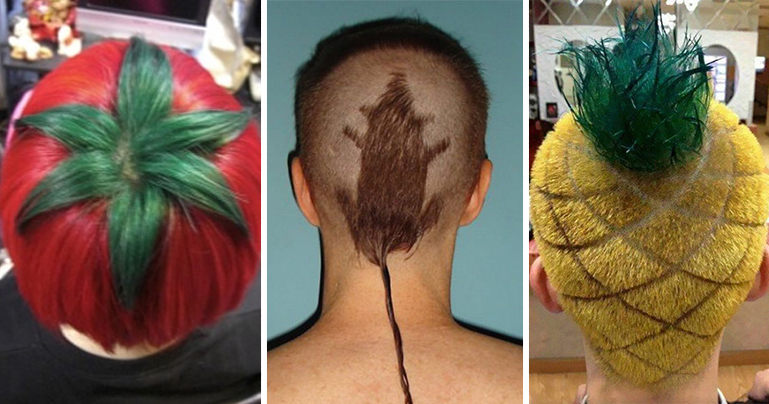

Note: This article uses “craziest” in the fun, creative, fashion-editor sensenot as an insult. Hair is personal, cultural, artistic, emotional, and occasionally tall enough to need its own ZIP code.
Some haircuts whisper. Others walk into a room, kick the door open, and ask whether the ceiling fan has signed a liability waiver. Welcome to the wonderfully strange world of extreme hairstyles, where barber chairs become art studios, hair gel becomes architectural support, and the phrase “just a little off the top” is legally impossible.
The craziest haircuts ever are not always “bad” haircuts. Many are bold, skilled, historically meaningful, or wildly ahead of their time. A mohawk can be punk, ceremonial, fashion-forward, or record-breaking. A mullet can be ironic, practical, rebellious, or somehow all three before breakfast. And a jellyfish cut? That one looks like a bob and long hair got into a stylish argument and both won.
Below are 30 unforgettable haircuts and hair designs that prove one thing: hair is not just something you comb. It is a billboard, a mood ring, a protest sign, a sculpture, and sometimes a small weather event.
Why Wild Haircuts Never Really Go Away
Extreme hair has always had a job. It tells people who you are before you say a word. Punk scenes used sharp cuts and spikes to reject polished beauty rules. Hip-hop helped turn the high-top fade into a sculptural icon. Fashion runways use exaggerated hair to make clothing feel theatrical. Social media then grabs those ideas, adds neon dye, and turns them into trends before your bangs have finished drying.
What makes a haircut “crazy” is usually contrast: shaved against long, flat against fluffy, polished against chaotic, natural against neon, classic against futuristic. The best wild haircuts work because they understand shape. The worst ones? Well, they still give us something to discuss at brunch.
30 Of The Craziest Haircuts Ever
1. The Tallest Mohawk
The mohawk is already dramatic, but the record-breaking version turns drama into a structural engineering question. One famous Guinness-recognized mohawk measured over three feet tall, proving that with enough length, patience, and industrial-strength product, hair can begin its journey toward becoming a landmark. It is not a casual grocery-store haircut unless you enjoy ducking under every freezer aisle sign.
2. Liberty Spikes
Liberty spikes are the punk-rock crown jewels: sections of hair pulled into stiff, sharp points that shoot upward like a rebellious porcupine. They require commitment, product, time, and the social courage to become personally responsible for everyone’s peripheral vision. Done well, they are spectacular. Done halfway, they look like your hair heard bad news and froze.
3. The Fan Mohawk
The fan mohawk takes the classic strip of hair down the center of the head and spreads it into a flat wall. It is less “single spike” and more “portable sunrise.” Often dyed in bold colors, the fan mohawk became a punk staple because it looks aggressive, graphic, and impossible to ignore. It is basically a hairstyle with its own stage lighting.
4. The Reverse Mohawk
Imagine a mohawk, then imagine someone selecting “invert” on the haircut menu. The reverse mohawk shaves a strip down the middle while leaving hair on both sides. It is bizarre, comic, and intentionally awkward. This is not a haircut that happens by accidentunless your barber sneezes for a full minute.
5. The Classic Mullet
The mullet is the haircut that refuses to retire. Short in the front and long in the back, it has been described for decades as business up front and party in the back. But its staying power comes from versatility: it can be country, glam rock, punk, sporty, ironic, or weirdly chic. The mullet is a haircut with a passport and questionable weekend plans.
6. The Extreme Skullet
The skullet is a mullet’s chaotic cousin: shaved or balding on top, long in the back. It has appeared in heavy metal circles, comedy, wrestling culture, and plenty of “what did I just witness?” internet moments. It is not subtle. It is the haircut equivalent of leaving the front door open and hosting a concert in the garage.
7. The Rat Tail
The rat tail is simple: most of the hair is cut short, but one thin strand is left long at the nape. It had real popularity in the 1980s and 1990s and still appears whenever someone wants a tiny rebellious detail without committing to a full punk transformation. A rat tail says, “I followed the rules, except for this one suspicious rope.”
8. The Bowl Cut
The bowl cut is legendary because it looks like someone placed kitchenware on a head and chose efficiency over emotion. Yet it has survived for centuries in different forms and has been reinvented in fashion editorials, K-pop styling, and edgy streetwear. The modern bowl cut can be sharp and stylish. The homemade version still looks like a family emergency.
9. The Mushroom Cut
A cousin of the bowl cut, the mushroom cut creates a rounded cap shape that sits over shorter sides. It can look futuristic, cute, retro, or like a very fashionable fungus. On the right person, it is graphic and cool. On the wrong day, it may attract woodland creatures asking for directions.
10. The High-Top Fade
The high-top fade is one of the most iconic sculptural haircuts ever. With close-cut sides and a tall, shaped top, it became a major style statement in hip-hop and Black pop culture. The most extreme versions rise high and flat with mathematical precision. This haircut does not merely sit on the head; it occupies space with confidence.
11. The Geometric Flat Top
The flat top already requires skill, but geometric flat tops turn hair into a ruler-approved masterpiece. Sharp corners, clean planes, and precise edges make the head look almost digitally rendered. It is the haircut for anyone who has ever looked at a square and thought, “Yes, but make it fashion.”
12. The Frohawk
The frohawk blends the silhouette of a mohawk with the volume and texture of natural curls or coils. It can be elegant, fierce, soft, or dramatic depending on height, taper, and styling. The wildest versions create a tall ridge of texture from forehead to nape, proving that bold shape and natural volume are a perfect power couple.
13. The Giant Afro
The afro is culturally significant, beautiful, and historically powerful. Its most extreme record-setting versions are astonishing because of their size and care requirements. A huge afro is not just “big hair”; it is patience, maintenance, identity, and natural texture celebrated at full volume. It does not enter rooms. It arrives with presence.
14. The Beehive
The beehive rose to fame in the 1960s and remains one of the great gravity-defying hairstyles. Hair is piled high into a rounded cone-like shape, often teased and pinned into place. It has been worn by singers, movie stars, fashion icons, and anyone who believes vertical real estate should not be wasted. The beehive is elegance with a stepladder.
15. The Giant Bouffant
The bouffant is big, polished, and unapologetically dramatic. Unlike messy volume, the bouffant is controlled height. It says, “Yes, my hair has volume, and yes, it has a five-year plan.” Extreme bouffants appeared in mid-century fashion and continue to influence red-carpet styling when glamour needs a little thunder.
16. The Chelsea Cut
The Chelsea cut is associated with punk and skinhead subcultures, usually featuring a closely shaved crown with longer fringe, side pieces, or “dog ears.” It is one of those haircuts that can look confrontational by design. The silhouette is intentionally uneven, which is exactly why it became a symbol of nonconformity.
17. The Half-Shaved Undercut
The half-shaved undercut became a favorite for people who wanted one side sleek and the other side rebellious. It can be hidden under longer hair or displayed like a secret identity. Add designs, color, or a hard part, and suddenly your haircut has a plot twist.
18. Hair Tattoo Designs
Hair tattoos are shaved patterns created with clippers, razors, and serious hand control. Stars, lightning bolts, portraits, logos, flames, and geometric designs can be carved into short hair. The best ones look like art. The worst ones look like your scalp lost a bet with a stencil.
19. The Checkerboard Buzz Cut
A checkerboard buzz cut uses color and shaving patterns to create a grid across the head. It is graphic, playful, and extremely visible. It also requires maintenance because hair grows, and once the squares blur, the board game is over.
20. Leopard Print Hair
Leopard print hair usually starts with bleached sections, then adds spotted dye patterns. It has appeared in punk, club, and runway-inspired looks. This cut and color combination is not for the shy. It says, “My scalp is a safari and I packed confidence.”
21. The Asymmetrical Punk Crop
An asymmetrical punk crop can include baby bangs, choppy layers, shaved patches, and one side longer than the other. It is supposed to look slightly dangerous. When done by a talented stylist, it is edgy and editorial. When done in a bathroom mirror at midnight, it becomes a character-building exercise.
22. Micro Bangs With a Shag
Micro bangs stop far above the eyebrows, while a shag adds layers and movement. Together, they create a look that is artsy, odd, and surprisingly wearable on the right face shape and hair texture. It is the kind of haircut that makes people ask whether you play bass in a band, even if you only play email.
23. The Wolf Cut
The wolf cut mixes shaggy 1970s layers with mullet-like shape. It became huge through celebrity looks, K-pop styling, TikTok, and salon trend reports. The wildest versions are heavily layered, messy, and full of movement. It is perfect for people who want their hair to look like it has opinions.
24. The Jellyfish Cut
The jellyfish cut has two clear layers: a rounded, shorter top section and long strands underneath. It gets its name because the shape resembles a jellyfish bell with tentacles. It is strange, futuristic, and oddly elegant. It also answers the question, “What if a bob had a secret basement?”
25. The Hime Cut
The hime cut features long hair with blunt, shorter side sections near the cheeks and often straight bangs. It has roots in Japanese beauty history and has recently returned through pop culture and celebrity styling. The sharp contrast between short face-framing pieces and long length makes it dramatic without needing neon dye or spikes.
26. The Octopus Cut
The octopus cut is another layered style with a rounded top and longer, thinner ends. It is softer than the jellyfish cut but still unusual enough to earn double takes. Think shag, mullet, and sea creature inspiration meeting at a salon and splitting the bill.
27. Split-Dye Hair With a Blunt Cut
Split-dye hair divides the head into two distinct colors, often black and blonde, pink and blue, or another high-contrast pairing. Add a blunt bob or sharp cut and the result becomes graphic, bold, and instantly recognizable. It is not just a haircut; it is a before-and-after photo happening at the same time.
28. The V-Shaped Neckline Cut
Some haircuts save the surprise for the back. A V-shaped neckline, especially with shaved sides or a fade, creates a sharp point at the nape. Add color or clipper designs and it becomes a small piece of wearable geometry. It is business in the front, protractor in the back.
29. The Christmas Tree Hair Sculpture
Some extreme hairstyles move beyond haircut territory and become sculptures. Christmas tree hair, cone-shaped updos, and decorated vertical styles have appeared in competitions and record attempts. These looks require structure, support, and the kind of patience usually reserved for assembling furniture with missing screws.
30. The Everything-At-Once Haircut
This is the haircut that combines shaved designs, uneven bangs, long tails, neon color, spikes, and maybe one mysterious braid. It is not one trend; it is a group project. Somehow, these cuts can be amazing when the artist has vision. Without vision, they look like five barbers argued and nobody won.
What Makes a Crazy Haircut Actually Work?
A wild haircut works when it has intention. The difference between “fashionably shocking” and “I lost a fight with scissors” is usually planning. Great extreme haircuts consider silhouette, texture, color placement, face shape, maintenance, and personal style. A giant mohawk makes sense if the wearer loves theatrical punk energy. A jellyfish cut works when the layers are deliberate and balanced. A shaved design looks crisp when the barber understands spacing and growth patterns.
Maintenance also matters. Sharp fades grow out quickly. Bright colors fade. Sculpted cuts need product. Tall styles may require teasing, pins, blow-drying, or enough hairspray to make a small cloud nervous. Before trying an extreme cut, it helps to ask three practical questions: Can I style it myself? How often will it need trimming? Will my school, workplace, or daily routine allow it?
There is also a scalp-health side to adventurous hair. Very tight styles can stress hair follicles over time. Heavy bleaching can weaken strands. Daily heat styling can make hair more fragile. That does not mean bold hair is bad; it simply means the best wild hairstyles are created with care. A good stylist will help balance creativity with hair health, because the goal is “iconic,” not “crispy.”
How to Try a Wild Haircut Without Panic-Regret
Start With a Temporary Version
Not ready for a full mohawk? Try a faux hawk. Curious about split color? Use temporary color wax or clip-in pieces. Want a shaved design? Start small near the neckline where it can grow out quietly. Hair grows, yes, but it does not always grow fast enough to save Monday morning.
Bring Photos, Not Vibes
“Make me look cool but unbothered” is not a haircut instruction. Bring reference photos from multiple angles. Show what you like and what you do not like. A stylist is talented, not telepathic.
Respect Your Hair Texture
A cut that looks sharp on straight hair may behave differently on curls, coils, waves, or very fine hair. That is not a problem; it is a design detail. The best version of a crazy haircut is the one adapted to your real hair, not copied from a photo with completely different texture.
Plan the Grow-Out
Extreme cuts often have awkward middle stages. A shaved side becomes fuzz. Micro bangs become tiny curtains. A mullet becomes either cooler or more suspicious depending on week six. Ask your stylist how the cut will grow out before you commit.
Experiences From the Wild Side of Haircuts
Anyone who has ever had a truly wild haircut knows the experience begins before the first snip. It starts with a screenshot saved at 1:14 a.m., a sudden feeling that life needs “a change,” and the dangerous confidence that comes from watching three haircut transformation videos in a row. By the time you sit in the chair, you are not just getting a haircut. You are negotiating with your future self.
The first lesson is that people will notice. A normal trim may earn a polite “Did you do something different?” A bright split-dye wolf cut with micro bangs earns full interviews in grocery lines. Strangers may compliment it. Friends may gasp. Family members may need three business days to process it. One uncle will definitely ask whether it is “supposed to look like that.” It is. Probably.
The second lesson is that confidence often arrives after the haircut, not before it. Many people think they need to feel fearless to try bold hair, but sometimes the bold hair teaches them how to be fearless. The first day can feel strange. The mirror looks louder. Your clothes may suddenly seem too plain. Then, slowly, the haircut becomes part of your rhythm. You learn how to style it, how to angle it in photos, and how to answer the same question without sounding like a museum tour guide.
The third lesson is practical: wild haircuts are routines disguised as rebellion. Liberty spikes do not style themselves. A high-top fade needs shape-ups. A vivid color needs color-safe shampoo. A shaved design needs refreshing before it turns into abstract fog. Even messy-looking cuts often require product, drying technique, or strategic trimming. The “effortless” look is frequently built with very real effort and a bathroom counter covered in tools.
The fourth lesson is that a dramatic haircut can change how you dress. A bowl cut may suddenly make minimalist outfits feel intentional. A mullet can make vintage jackets look cooler. A jellyfish cut may push you toward futuristic accessories. Hair becomes the main character, and the rest of your style becomes the supporting cast. This can be fun, but it also means your old hoodie may start looking emotionally underprepared.
The fifth lesson is that not everyone will understand it, and that is fine. Extreme haircuts are not designed for universal approval. They are designed for expression. Some people love classic beauty. Some love chaos with a clean fade. Some want hair that blends in. Others want hair that looks like it has its own soundtrack. None of these choices are wrong.
The best experience comes when the haircut matches the person’s attitude, lifestyle, and willingness to maintain it. A crazy haircut should feel like a choice, not a punishment. It should make the wearer smile when they catch their reflection, even if the reflection is slightly taller, sharper, brighter, or more aerodynamic than expected.
In the end, wild hair is memorable because it is temporary and bold at the same time. It grows, fades, shifts, and becomes a story. Years later, people may look back at photos and laugh, cringe, or say, “Honestly, I kind of pulled that off.” And that is the real magic of the craziest haircuts ever: they remind us that style does not always have to be safe to be worth remembering.
Conclusion
The craziest haircuts ever prove that hair is one of the easiest places to experiment with identity, humor, rebellion, beauty, and art. From towering mohawks to jellyfish layers, from sculpted high-top fades to punk Chelsea cuts, these styles challenge the idea that hair should behave quietly. Some are historic. Some are trendy. Some are so strange they seem to have been invented during a power outage at a salon. But all of them show creativity.
Whether you would actually wear one of these cuts or simply admire them from a safe distance, they deserve respect for one simple reason: boring hair never started a conversation this good.


