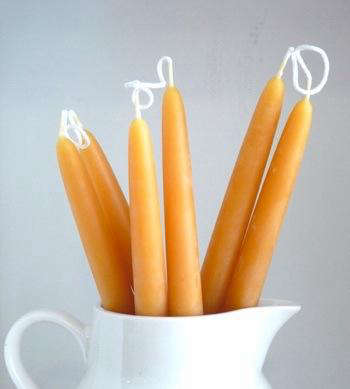

Beeswax candle tapers are the elegant dinner guests of the candle world. They stand tall, glow warmly, smell faintly of honey, and somehow make a Tuesday pasta night feel like it was catered by someone wearing linen. Unlike bulky jar candles or dramatic pillars, taper candles are slim, vertical, and quietly theatrical. Place two in brass holders, and suddenly your dining table has opinions about classical music.
But beeswax candle tapers are not just pretty sticks of wax. They are made from one of the oldest natural candle materials humans have used, and they continue to be popular because they combine beauty, function, and a little bit of beekeeping magic. For shoppers, decorators, hosts, and anyone trying to make a room feel warmer without repainting the walls, beeswax tapers offer a practical and beautiful solution.
This guide explains what beeswax taper candles are, why people love them, how to choose quality tapers, how to burn them safely, and how to use them in home decor without making your table look like a haunted mansionunless, of course, that is the goal.
What Are Beeswax Candle Tapers?
Beeswax candle tapers are long, narrow candles made primarily or entirely from beeswax. A taper candle is wider at the base and slimmer toward the top, allowing it to fit into candlesticks, candelabras, wall sconces, and traditional candleholders. The standard base diameter for many tapers is about 7/8 inch, though sizes vary by maker and holder style.
Beeswax itself is a natural wax produced by honey bees. In the hive, bees use wax to build honeycomb, store honey, and protect developing brood. Once harvested and cleaned, beeswax can be filtered, melted, poured, rolled, or hand-dipped into candles. The finished result often has a golden color, a subtle honey-like scent, and a firm texture that works especially well for freestanding candle shapes such as tapers and pillars.
Unlike heavily perfumed candles, pure beeswax tapers usually carry a gentle natural aroma. The scent can vary depending on pollen, nectar sources, hive conditions, and processing. Some tapers smell like warm honey. Others smell faintly floral, grassy, or sunnyyes, “sunny” is not a technical scent note, but anyone who has opened a box of real beeswax candles understands.
Why Beeswax Tapers Are So Popular
They Burn Beautifully
One major reason people choose beeswax taper candles is the quality of the flame. Beeswax tends to produce a warm, steady glow with a rich golden tone. On a dinner table, that glow is flattering, gentle, and atmospheric. It is the lighting equivalent of a soft-focus camera filter, minus the awkward wedding photographer.
Because beeswax is relatively firm and has a higher melting point than some softer waxes, it is well suited for taper candles. A well-made beeswax taper can burn slowly and evenly when placed in a proper holder, kept away from drafts, and trimmed as needed. This is one reason beeswax tapers are often considered a premium option.
They Have a Natural Honey Scent
Pure beeswax candles do not need artificial fragrance to feel special. Their natural scent is soft, warm, and usually mild enough for dining rooms. That matters because scented candles on a dinner table can compete with food. Nobody wants a beautiful roast chicken interrupted by a candle that smells like “Midnight Pumpkin Vanilla Thunderstorm.”
Beeswax tapers give atmosphere without overpowering the meal. For dinner parties, weddings, holiday tables, and quiet evenings, this makes them a smart choice.
They Look Elegant in Almost Any Setting
Beeswax tapers work in rustic, traditional, modern, farmhouse, minimalist, cottage, and eclectic interiors. Their natural golden shade pairs beautifully with brass, ceramic, iron, wood, glass, and stone. White or ivory beeswax tapers offer a cleaner, more formal look, while natural yellow tapers feel warm and organic.
In home styling, height is powerful. A pair of tapers can add vertical lines to a low table arrangement without blocking conversation. This is why taper candles remain a favorite for tablescapes, mantels, sideboards, and seasonal decor.
Beeswax vs. Paraffin vs. Soy Taper Candles
Most candles are made from paraffin, soy, beeswax, palm wax, coconut wax, or blends. Each has a place. Paraffin is widely used and affordable. Soy is popular for container candles. Beeswax is more expensive but prized for its natural origin, firmness, slow burn, and subtle scent.
For tapers specifically, beeswax has several advantages. It holds shape well, often burns longer than many cheaper alternatives, and needs no added fragrance to feel luxurious. However, price is the trade-off. Beeswax is produced by bees in limited quantities, and quality wax must be cleaned and processed carefully. A handmade beeswax taper will usually cost more than a mass-produced paraffin taper.
That does not mean every beeswax candle is automatically superior. Quality depends on the wax purity, wick size, dipping or molding method, storage, and craftsmanship. A poorly wicked beeswax taper can still burn badly. A well-made paraffin taper can perform nicely. The best choice depends on purpose, budget, and preference.
How Beeswax Taper Candles Are Made
Hand-Dipped Tapers
Many premium beeswax tapers are hand-dipped. In this process, a cotton wick is repeatedly dipped into melted beeswax, then cooled between dips. Each layer adds thickness until the candle reaches the desired diameter. This method creates smooth, classic tapers with a traditional look.
Hand-dipping is slow, but that is part of the charm. It is the candle version of slow cooking. Could it be faster? Probably. Would it feel the same? Not really.
Rolled Beeswax Tapers
Rolled beeswax tapers are made from sheets of beeswax, often embossed with a honeycomb pattern. A wick is placed along one edge, and the sheet is rolled tightly into candle form. Rolled tapers are popular for DIY projects because they do not require melting wax. They are also visually distinctive, with a textured surface that shows off the honeycomb pattern.
Rolled tapers can be beautiful, but they may burn differently from dipped tapers. The tightness of the roll, wick size, wax thickness, and room conditions all affect performance.
Molded Tapers
Molded beeswax tapers are made by pouring melted wax into taper molds. This method allows consistent shapes and can be useful for decorative designs, spirals, or specialty forms. Like dipped tapers, molded tapers need the right wick for the candle diameter.
How to Choose Quality Beeswax Candle Tapers
Look for 100% Beeswax
If you want the classic beeswax experience, read the label carefully. Look for phrases such as “100% beeswax” or “pure beeswax.” Some candles are beeswax blends, which may still be useful, but they are not the same as pure beeswax tapers. Blends can include paraffin, soy, palm, or other waxes.
Pure beeswax usually has natural color variation. A candle may be pale yellow, deep gold, amber, ivory, or creamy white depending on filtering and processing. Bright, perfectly uniform colors may indicate bleaching, dyeing, or blending. That is not always bad, but it is worth knowing what you are buying.
Choose Cotton Wicks
A good wick matters as much as good wax. Many quality beeswax tapers use cotton wicks. The wick must be properly sized: too small, and the flame may struggle; too large, and the candle may drip, smoke, or burn too quickly.
In the United States, lead-cored candle wicks are restricted because of safety concerns. Still, it is wise to buy from reputable makers who clearly state wick materials. “Cotton wick” is a reassuring phrase. “Mystery metal center” is not.
Check the Fit Before the Party Starts
Not all taper holders are identical. Some are slightly wider, narrower, deeper, or more decorative than others. Before lighting beeswax tapers, test the fit. A candle should sit upright and stable. If it wobbles, use a proper candle adhesive, a small amount of softened wax, or a candle fitter designed for taper holders.
Do not force a taper into a holder that is too small. Beeswax can crack, and cracked candles may burn unevenly. Also, forcing things rarely leads to elegance. Ask anyone who has tried to assemble flat-pack furniture at midnight.
How to Burn Beeswax Tapers Properly
Trim the Wick
Before lighting, trim the wick to about 1/4 inch. This helps control flame height and reduces soot. If the wick becomes too long during burning, extinguish the candle safely, let it cool slightly, trim, and relight.
Avoid Drafts
Drafts are the sworn enemy of taper candles. Open windows, ceiling fans, air vents, and busy walkways can push the flame to one side. That uneven heat can cause dripping, leaning, or fast burning. A beeswax taper advertised as dripless can still drip if it is placed in a breeze. “Dripless” usually means “dripless under reasonable conditions,” not “immune to physics.”
Use a Proper Holder
Always burn tapers in stable, heat-resistant holders. The holder should catch any possible wax drips and keep the candle upright. Avoid lightweight holders that tip easily. If children or pets are nearby, place candles out of reach and never leave them unattended.
Use a Candle Snuffer
A candle snuffer helps extinguish the flame cleanly and reduces smoke and wax splatter. Blowing out a taper can send hot wax where you do not want it, including onto table linens, walls, or your favorite shirtthe one you were saving for “effortless hosting.”
Are Beeswax Tapers Dripless?
Many beeswax taper candles are marketed as dripless, and well-made ones can be very low-drip when burned correctly. The key conditions are a straight candle, a snug holder, a properly trimmed wick, and still air. If the candle leans or the flame flickers sideways, wax can melt unevenly and run down the side.
To reduce dripping, place tapers away from drafts, keep them vertical, and avoid moving them while lit. If a taper starts dripping badly, extinguish it, let it cool, check the wick, and make sure the candle is not bent or tilted.
Decorating With Beeswax Candle Tapers
For Dining Tables
Beeswax tapers are ideal for dining tables because they add height without taking up much space. Use two candles for a simple dinner, four to six for a long table, or a full candelabra for dramatic occasions. Keep arrangements low enough for guests to see each other. A centerpiece should not require people to dodge flowers and flames just to ask for the salt.
For Mantels and Shelves
On a mantel, beeswax tapers create warmth and symmetry. Pair them with greenery in winter, flowers in spring, shells in summer, and dried leaves in autumn. Natural beeswax looks especially good with wood, brass, ceramic, and vintage glass.
For Weddings and Events
Beeswax taper candles are popular for weddings because they feel romantic without looking overly flashy. Natural yellow tapers suit rustic barns and garden receptions. Ivory beeswax tapers work well for formal tables. Colored beeswax tapers can add personality to modern events, especially when paired with simple linens and seasonal flowers.
How to Store Beeswax Candle Tapers
Store beeswax tapers in a cool, dry, dark place. Heat can soften or bend them, and sunlight may fade or affect the surface. Tapers should ideally be stored flat to prevent warping. If you store them standing upright in a warm cabinet, do not be surprised if they develop the posture of tired spaghetti.
Over time, pure beeswax may develop a pale film called bloom. This is natural and can often be polished away gently with a soft cloth or warm hands. Some people love the look because it signals real beeswax. Others prefer a polished surface. Either way, bloom is not usually a problem.
Common Mistakes to Avoid
Buying by Color Alone
Color is beautiful, but it is not the only quality marker. Natural beeswax varies. A deep golden taper may be lovely, but so can a pale ivory one. Check purity, wick type, maker reputation, and customer feedback.
Ignoring Burn Conditions
A high-quality taper can perform poorly in the wrong setting. Drafts, crooked holders, untrimmed wicks, and unstable surfaces create problems. Candle care is simple, but it is not optional.
Using Scented Tapers at Dinner
Strong fragrance and food rarely cooperate. For dining, unscented or naturally scented beeswax tapers are usually best. Let the food smell like food and the candles do the glowing.
Are Beeswax Candle Tapers Worth It?
For many people, yes. Beeswax candle tapers cost more than basic tapers, but they offer a distinctive combination of natural material, slow burn, warm glow, subtle scent, and timeless style. They are especially worth considering for dinner parties, holiday tables, weddings, meditation spaces, religious observances, and cozy evenings at home.
If you burn candles every night and need dozens at a low cost, beeswax may feel expensive. But if you want candles that elevate a room and feel special before they are even lit, beeswax tapers are hard to beat.
Personal Experience: Living With Beeswax Candle Tapers
The first thing you notice about beeswax candle tapers is that they make you behave slightly better. Light two at dinner, and suddenly you are less likely to eat directly over the sink. Beeswax tapers have a way of turning ordinary routines into small rituals. They do not shout for attention. They simply stand there, glowing, as if to say, “Yes, reheated soup can be elegant.”
One of the best uses for beeswax tapers is the low-effort dinner upgrade. You do not need a full tablescape, ironed napkins, or a floral arrangement that requires its own ZIP code. A clean table, two sturdy candleholders, and a pair of natural beeswax tapers can completely change the mood. The warm color flatters wood tables, white plates, handmade ceramics, and even mismatched dishes. In fact, mismatched dishes look intentional under candlelight. This is one of the great secrets of adult life.
Beeswax tapers are also helpful for slowing down the evening. In a room full of screens, notifications, and appliances humming like tiny robots, lighting a candle creates a visible pause. The flame gives everyone something calm to look at. It is not entertainment exactly, but it has presence. During quiet dinners, reading sessions, or long conversations, beeswax tapers add atmosphere without demanding attention.
There are practical lessons, too. The holder matters more than beginners expect. A beautiful candle in a loose holder will lean, drip, and cause unnecessary drama. A snug holder makes the entire experience better. Drafts are another surprise. A candle near an air vent may look fine for five minutes, then suddenly begin dripping like it has received bad news. Moving the candle just a few feet can solve the problem.
Wick trimming is another small habit that pays off. It takes only a moment, but it improves the flame. A neat wick gives a steadier burn and helps the candle look cleaner. Keep a small wick trimmer or scissors nearby, and candle care becomes automatic.
Beeswax tapers are also excellent seasonal decor. In fall, they look beautiful with pumpkins, apples, dark wood, and linen. In winter, they pair naturally with evergreen branches, brass bells, and simple white dishes. In spring, they soften colorful flowers. In summer, they make outdoor dinners feel charming, though they should be protected from wind and placed safely away from anything flammable.
The only real downside is that once you get used to beeswax tapers, ordinary emergency-drawer candles start to look a little sad. Beeswax has character. The color variation, the faint honey scent, the handmade imperfections, and the slow burn all make the candle feel more alive. It is not just decor; it is a small object with a story that begins in a hive and ends in a pool of golden light on your table.
That is why beeswax candle tapers remain special. They are useful, beautiful, traditional, and surprisingly modern. They fit into simple homes and fancy ones, casual dinners and formal events, everyday rituals and once-a-year celebrations. They remind us that atmosphere does not always require a renovation budget. Sometimes, it only takes a match, a steady holder, and a candle made by bees who clearly understood interior design before humans caught on.
Conclusion
Beeswax candle tapers are a classic for good reason. They offer a warm glow, natural beauty, subtle honey scent, and timeless decorative appeal. Whether you use them for a dinner party, wedding table, holiday mantel, quiet reading corner, or everyday ritual, they bring a sense of calm and care to a space.
To get the best results, choose pure beeswax tapers with quality cotton wicks, store them flat in a cool place, trim the wick before lighting, and keep them away from drafts. With simple care, beeswax tapers can burn beautifully and make even ordinary moments feel a little more golden.


