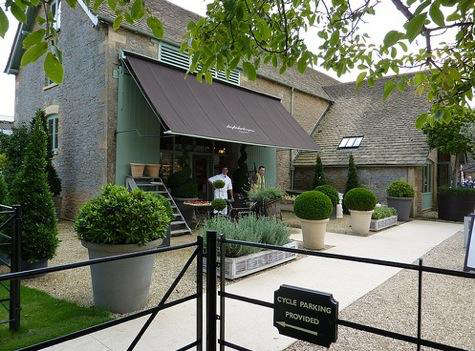

Some stores sell groceries. Some stores sell candles. Some stores sell a fantasy version of your future self: calmer, better dressed, mysteriously able to host a lunch with edible flowers and zero panic. Daylesford Farmshop in Gloucestershire does a little of all three. Set in the Cotswolds and closely tied to the Daylesford organic farm founded by Carole Bamford, this celebrated farmshop has grown into something bigger than a place to buy eggs and sourdough. It is part food hall, part country-living fever dream, part serious statement about organic farming, seasonal eating, and thoughtful retail.
If you are searching for what makes Daylesford Farmshop special, the short answer is this: it turns the everyday act of shopping into an experience. The longer answer involves organic produce from the market garden, breads and pastries from the bakery, cheeses and cultured dairy from the creamery, beautifully merchandised home goods, cafés, workshops, and that unmistakable Cotswolds glow that makes even a basket of onions look like it deserves a magazine spread.
This shopper’s diary-style guide takes a closer look at why Daylesford Farmshop in Gloucestershire has become such a destination, what to expect when you visit, what is worth buying, and why the place manages to feel both delightfully indulgent and surprisingly rooted in real farming.
Why Daylesford Farmshop Feels Different
Plenty of farm shops promise freshness. Daylesford Farmshop goes further and sells a whole philosophy. The farm and wider Daylesford brand are built around organic agriculture, seasonal living, and a slower, more intentional way of eating and shopping. That sounds lofty, but at the farmshop level it becomes practical fast. You can see it in the produce-led layout, the emphasis on what is in season, the prepared foods that still feel tied to the land, and the way the shop folds in baking, dairy, garden goods, and homeware without feeling like a random luxury grab bag.
Part of the appeal is scale. This is not a tiny roadside shed with three jars of chutney and one heroic pumpkin. It is a large, polished farmshop destination with multiple departments and enough visual charm to make you consider replacing your entire kitchen with linen aprons and wooden spoons. Yet beneath the beauty, there is substance. Daylesford highlights vegetables from its market garden, artisan cheeses from its on-site creamery, and menus shaped by seasonal organic ingredients. In other words, the pretty packaging is backed by real production.
That mix of authenticity and polish is rare. Many places are rustic but chaotic, or luxurious but detached from any actual farm. Daylesford has built its reputation by trying to keep one foot in each world. It is a working organic farm with a highly curated retail expression. Think mud on the boots, but make it aesthetically blessed.
First Impressions: The Mood, the Setting, the Temptation
Arriving at Daylesford Farmshop feels a bit like stepping into the opening scene of a very expensive lifestyle movie where everybody somehow knows how to arrange dahlias. The setting in the Gloucestershire countryside does much of the work. The Cotswolds already come with rolling hills, honey-colored stone, winding lanes, and an almost suspicious amount of charm. Daylesford leans into that backdrop rather than competing with it.
The mood is unmistakably refined but not stiff. Yes, it is stylish. Yes, there are displays so tidy they may inspire a short identity crisis about your own refrigerator. But the core of the place still revolves around food, farming, and daily rituals. Shoppers browse vegetables, pick up bread, consider cheese, pause for coffee, then wander into garden or home sections and suddenly find themselves emotionally attached to a hand-forged trowel. It happens.
That atmosphere matters for SEO-minded travel and lifestyle readers because it is exactly what people mean when they search terms like best farm shop in the Cotswolds, Daylesford Farmshop review, or what to buy at Daylesford Organic. They are not just asking for directions. They want to know whether the place is worth the detour, worth the prices, and worth the suitcase space. In many cases, the answer is yes, especially if you enjoy food-led travel and stores that reward slow browsing.
What to Buy at Daylesford Farmshop
1. Fresh Produce
The produce is the emotional center of the shop. Daylesford’s market garden is a major part of the farm’s identity, and that shows in the fruits, vegetables, herbs, and salad leaves. Seasonal produce is where the farmshop feels most convincing, because it ties the shopping experience directly to the land around it. Heritage tomatoes, leafy greens, squash, berries, herbs, and other seasonal crops help make the farmshop feel alive rather than static.
If you are the kind of shopper who gets a little thrill from seeing vegetables that still look like they know where they came from, this section delivers. It is also the best reminder that Daylesford is not just selling “country style” as a mood board. The produce gives the place credibility.
2. Bread, Pastries, and Baked Goods
Next comes the bakery, which is dangerous in the best possible way. Fresh loaves, pastries, buns, and sweet treats do a lot of heavy lifting here. A wedge of cheese and a loaf of sourdough may be the most sensible purchase in the building, but the pastries are excellent at talking people into minor acts of delicious irresponsibility. You may plan to buy one thing for the road and somehow leave with a bag full of baked optimism.
For food lovers, this section captures what Daylesford does so well: everyday staples made to feel special without becoming inaccessible in spirit. It is still bread. It is just bread that arrives with a stronger argument.
3. Cheese, Dairy, and Farmhouse Fridge Finds
Daylesford’s on-site creamery adds another layer of substance to the farmshop. The cheeses, yogurts, kefir, buttermilk, and other dairy items speak to the farm’s wider organic system. This matters because shoppers increasingly care about provenance, production standards, and animal welfare, not just flavor. At Daylesford, the dairy case becomes part of the broader story about working with nature rather than against it.
If you are building the ideal Cotswolds picnic, this is where you start behaving like a strategist. Cheese, cultured butter, maybe a bottle of something lovely, and suddenly lunch has become an event.
4. Pantry Goods and Prepared Foods
The pantry shelves are the place where restraint goes to die. Condiments, preserves, biscuits, crackers, tea, chocolates, sauces, and ready-to-cook meals make it very easy to justify “just one more thing.” One of Daylesford’s strengths is that it does not only serve special-occasion shoppers. It also understands the appeal of practical luxury: soup for tonight, granola for tomorrow, a jar of something suspiciously giftable for later.
Prepared foods are especially useful for travelers staying nearby in cottages or pub rooms. You can assemble a dinner that feels thoughtful without actually having to do much. That is not cheating. That is resourcefulness wearing a cashmere scarf.
5. Homeware, Garden, and Lifestyle Finds
Then there is the non-food side of Daylesford, where the farmshop evolves into a broader lifestyle destination. Homeware, ceramics, table linens, kitchen tools, garden accessories, and wellness-adjacent items create the sense that Daylesford is selling not only products but a way of moving through the world. More candles? Yes. Better storage baskets? Also yes. Pottery that makes your Tuesday salad feel more emotionally complete? Absolutely.
This is where some visitors fall hard. The design language is soft, natural, restrained, and deeply persuasive. Even if you arrive focused on lunch, do not be surprised if you leave wondering whether your house would improve dramatically with one linen napkin and a very dignified mug.
Food, Cafés, and the Case for Staying Longer
One of the smartest things about Daylesford Farmshop is that it is not only a place to shop. It is also a place to eat, pause, and turn an errand into an outing. The Cotswolds site includes multiple farm-to-fork cafés and dining options, which changes the rhythm of the visit. Instead of rushing through a store, you can browse, sit down for breakfast or lunch, then wander back for a second round of shopping because apparently one pass was emotionally insufficient.
The food offering helps explain why Daylesford attracts both serious food people and casual day-trippers. You do not need to be a sustainability scholar or a gourmet maximalist to enjoy it. You just need to appreciate a good meal built around seasonal ingredients. The menus are part of the same philosophy as the shop: organic where possible, rooted in the seasons, and presented in a way that feels generous rather than preachy.
There is also a practical reason this matters. If a destination shop can feed you well, it earns more time. And time is what Daylesford needs. This is not the kind of place to sprint through in twelve minutes unless your idea of self-care is emotional deprivation.
What Makes Daylesford More Than a Pretty Farmshop
Here is the bigger reason Daylesford Farmshop in Gloucestershire keeps turning up in travel guides and shopping roundups: it connects luxury retail to farming in a way that feels more integrated than performative. Daylesford’s official materials place strong emphasis on regenerative and organic practices, biodiversity, agroforestry, and animal welfare. The farm’s market garden and wider land stewardship are not side notes; they are part of the brand’s core story.
For visitors, that means the shopping experience comes with context. Those vegetables are not there just because produce looks nice in wicker baskets. The dairy counter is not there just because cheese photographs well, though it certainly does. The systems behind the shop matter, and that gives Daylesford a depth that many elegant rural retailers cannot match.
It also explains why the place appeals to several different audiences at once. Food travelers come for the farm-to-table credibility. Design lovers come for the styling and homeware. Wellness-minded visitors come for the slower pace and wider Daylesford world. Curious tourists come because the Cotswolds are full of beautiful stops and this one has particularly good lunch potential. Everybody wins, especially the bread section.
Is Daylesford Farmshop Worth Visiting?
If your idea of a good day out includes browsing exceptional food, eating well, buying one practical thing and three impractical things, and pretending for a couple of hours that you are the sort of person who casually knows how to arrange a spring table, then yes, Daylesford Farmshop is worth visiting. It is especially rewarding for people interested in organic food, seasonal produce, Cotswolds travel, farm shop culture, and beautifully curated retail.
That said, it helps to arrive with the right expectations. Daylesford is polished. It is aspirational. It knows exactly how beautiful it is. This is not a budget stop, nor is it trying to be. But it does offer more than surface-level charm. The place has a real agricultural backbone, and that is what keeps it from becoming just another pretty shop with expensive jam.
The best way to enjoy it is to slow down. Browse the produce first. Have coffee. Look at the cheese. Walk through the home section. Sit down for a meal. Then circle back and buy the thing you pretended you did not need the first time. That is the true Daylesford method.
Extra Diary Notes: A Longer Day at Daylesford
By late morning, a visit to Daylesford begins to feel less like shopping and more like gentle mission drift. You arrive telling yourself this is a simple stop for a few provisions. Maybe lunch, maybe a loaf of bread, maybe some fruit for the drive. Very sensible. Very disciplined. Then the place starts working on you in small, highly effective ways. First it is the produce, lined up like a love letter to the season. Then it is the smell of fresh bread. Then it is a stack of jars so handsome you begin evaluating your pantry as though it has personally disappointed you.
What stands out most is how easy it is to linger. At many shops, you either browse or eat. Here, you can do both in a loop. Shop a little, sit down, wander again, notice something you missed, and suddenly you are debating whether you need herbal tea, a cheese board, and a garden trug in the same afternoon. This is how Daylesford turns ordinary consumer behavior into a sort of stylish countryside ritual.
There is also a particular pleasure in watching other people shop here. Some visitors are laser-focused and clearly know exactly what they came for. Others move through the place with the dazed delight of people who have just realized that a farmshop can contain pastries, flowers, ceramics, skincare, cookbooks, and a room they would happily move into if given fifteen minutes and a legal loophole. It feels social in a soft, low-key way. Nobody is rushing. Nobody is wrestling a shopping cart like it is the final round of a televised competition. People are choosing, sniffing, tasting, considering.
If you stay into the afternoon, the farmshop begins to reveal its real talent: it creates the illusion that life could be reorganized around better habits. Better lunches. Better ingredients. Better coffee breaks. Better-looking dish towels. You start imagining a version of yourself who roasts seasonal vegetables on a Wednesday without resentment and knows exactly which cheese to serve with which chutney. Whether or not that person exists is, frankly, not the point. Daylesford is selling possibility as much as produce.
And yet the experience does not feel entirely theatrical, because reminders of the farm are everywhere. The language of seasonality, the emphasis on organic growing, the produce-led displays, and the café menus all point back to the land. Even the prettiest details feel more grounded because they are attached to a place that actually grows food and talks openly about how it farms. That connection gives the whole visit more weight.
So the lasting impression of Daylesford Farmshop in Gloucestershire is not just that it is beautiful, though it absolutely is. It is that the beauty has a backbone. The farmshop invites you to enjoy the fantasy of country living, but it also shows you the systems, ingredients, and craftsmanship that make the fantasy feel almost plausible. You leave with bags in hand, a stronger opinion about butter than you had that morning, and the sneaking suspicion that your next grocery trip at home may feel a little less enchanting. That is the risk of Daylesford. It raises standards. Deliciously.
Conclusion
Daylesford Farmshop in Gloucestershire has become a destination because it understands something simple but powerful: shopping for food can still feel meaningful. In an age of speed, sameness, and checkout fatigue, it offers the opposite experience. Here, produce is seasonal, bread smells like a reward, lunch turns into a small event, and even the homeware feels tied to a slower, more tactile way of living. The farmshop does not just sell organic goods; it stages a whole argument for paying closer attention to how we eat, shop, and spend our time.
For travelers in the Cotswolds, food lovers, design fans, and curious shoppers alike, Daylesford is easy to recommend. Come for the vegetables, stay for the pastries, leave with a bag full of excellent decisions and at least one purchase that was definitely not on the list. That, in the most affectionate way possible, is the Daylesford effect.


