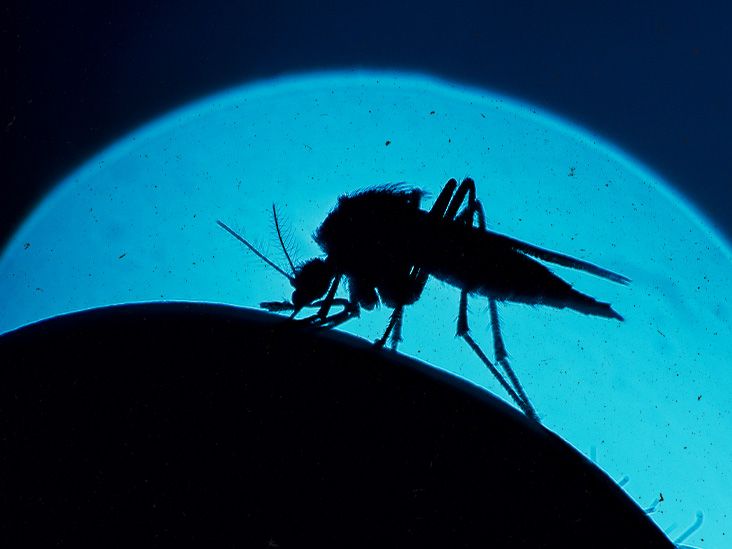

Put three people in a backyard at sunset and mosquitoes will often act like they were given a reservation list. One person gets chewed up, one gets a polite nibble, and one strolls away looking smug and untouched. That annoying little mystery has inspired countless summer arguments, a few family grudges, and at least one dramatic declaration of, “They only love me.”
Unfair as it feels, mosquito attraction is not random. Some people really are more likely to get bitten than others. The reasons have less to do with being “sweet” and more to do with biology: how much carbon dioxide you exhale, how warm you are, what your skin smells like, how your immune system reacts, and even whether you recently exercised. In other words, mosquitoes are not judging your personality. They are following a surprisingly sophisticated set of cues.
This matters for more than comfort. Mosquito bites are itchy and irritating, but mosquitoes can also spread illnesses in some places and seasons. So understanding why they zero in on certain people can help you reduce bites, calm the itching, and make smarter choices about protection.
Why mosquitoes bite in the first place
First, the basic mosquito fact that ruins everyone’s picnic: only female mosquitoes bite. They need a blood meal to help produce eggs. Male mosquitoes mostly stick to nectar, which is honestly a much nicer hobby.
When a female mosquito bites, she injects saliva into the skin. That saliva contains proteins that help her feed. Your body notices this rude little biochemical interruption and reacts. The result is the classic itchy bump, redness, and swelling. Some people barely react. Others puff up like they have been personally insulted by nature.
Why some people get bitten more than others
The short answer is that mosquitoes do not choose people at random. They are drawn by a layered mix of long-range and short-range signals. Think of it as a creepy little targeting system: first they find you, then they decide whether you smell especially promising.
1. You exhale more carbon dioxide
Carbon dioxide is one of the biggest mosquito magnets. Every time you breathe out, you release a signal that says, “Warm-blooded creature over here.” People who exhale more carbon dioxide tend to be easier for mosquitoes to detect. That often includes adults more than small children, larger people more than smaller people, and anyone breathing harder because of exercise.
That helps explain why your post-jog glow may be interpreted by mosquitoes as a flashing neon buffet sign. If you just finished a run, climbed a hill, or chased your dog around the yard while insisting it was “great cardio,” you are likely putting out more of the cues mosquitoes use to find hosts.
2. Your body runs warmer
Mosquitoes are not just smell-driven. They also use heat. A warmer body can make you easier to locate, especially once a mosquito is already nearby. That is one reason people who are active, sweaty, or naturally warmer may seem extra attractive to mosquitoes.
Heat alone is not the whole story, but it helps. Mosquitoes are very good at combining signals. Carbon dioxide gets their attention. Heat helps confirm they are closing in on a living target and not, say, a suspiciously emotional patio chair.
3. Your skin odor is especially appealing
This is where things get both fascinating and mildly insulting. Research suggests that some people naturally produce skin odors that mosquitoes find more attractive. These smells are shaped by skin chemistry, genetics, and the microorganisms living on the skin. In other words, your personal mosquito appeal may have a lot to do with the invisible ecosystem hanging out on your body.
One especially important clue involves compounds called carboxylic acids. People with higher levels of certain carboxylic acids on their skin appear to be more attractive to mosquitoes, and that tendency may remain fairly stable over time. So yes, mosquitoes may have a long-term opinion about your scent profile, which is both impressive and deeply rude.
4. Sweat and exercise can make you easier to find
Exercise does not just increase carbon dioxide. It also raises body heat and changes skin chemistry. Sweat itself is part of the equation, along with compounds associated with exertion. This is why mosquitoes seem to appear the second you start enjoying outdoor fitness. They are not your trainers, but they are incredibly committed to attendance.
That does not mean you should stop moving. It simply means that if you are heading outside for a workout at mosquito hour, repellent and protective clothing are a smarter accessory than optimism.
5. Pregnancy can raise mosquito attraction
Pregnant women may be more attractive to mosquitoes, likely because of a mix of factors such as increased carbon dioxide output and higher body temperature. This is one reason bite prevention matters even more during pregnancy, especially in regions where mosquito-borne illnesses are circulating.
That does not mean pregnancy turns someone into a mosquito lighthouse. It means the usual attraction cues may be amplified enough to make bites more likely.
6. Blood type may matter, but not as much as people think
Blood type is the favorite explanation at every summer cookout, usually delivered with the confidence of someone who read half a headline once. There is some research suggesting mosquitoes may show preferences related to blood type, but the evidence is mixed and nowhere near as solid as the evidence for carbon dioxide, heat, and skin odor.
So can blood type play a role? Maybe. Is it the main reason mosquitoes are obsessed with you? Probably not. Mosquitoes cannot see your lab work from across the lawn.
7. Genetics may stack the deck
Because genetics influence skin chemistry, body odor, and other biological traits, they likely contribute to why some people are mosquito favorites. That can make bite risk feel oddly persistent from year to year. If you have always been the person everyone points to as the group’s “mosquito shield,” part of that reputation may actually have a biological basis.
The good news is that genetics may influence risk, but they do not eliminate your ability to protect yourself. Biology loads the dice. It does not write the whole game.
Why some bites itch more than others
Getting bitten is one thing. Reacting dramatically is another. The reason bites itch is not because the mosquito took a tiny bite out of your patience, though emotionally that is true. The itch comes from your immune system responding to proteins in mosquito saliva.
Some people have mild reactions: a small bump, a little itch, done. Others develop larger, redder, puffier welts. Children can react more strongly than adults because their immune systems have had less prior exposure. Some people experience what is sometimes called Skeeter syndrome, a large local allergic-type reaction with significant swelling and inflammation.
That means two people can get bitten by the same mosquito and have totally different experiences. One shrugs. The other spends the night negotiating with an ice pack and questioning every life choice that led to the porch swing.
How to reduce your chances of getting bitten
You cannot change your skin chemistry overnight, and it would be a strange weekend project anyway. But you can make yourself much harder for mosquitoes to find and bite.
Use proven repellents
EPA-registered insect repellents are the gold standard. Products with ingredients such as DEET, picaridin, IR3535, oil of lemon eucalyptus, para-menthane-diol, or 2-undecanone can help reduce bites when used as directed. Follow the product label. If you also use sunscreen, apply sunscreen first and repellent second.
Cover exposed skin
Loose-fitting long sleeves, long pants, socks, and clothing that covers more skin can reduce how much easy access mosquitoes have. In high-risk settings, clothing and gear treated with permethrin add another layer of defense.
Control the home field advantage
Mosquitoes breed in standing water. Birdbaths, buckets, plant saucers, kiddie pools, clogged gutters, and random little containers around the yard can all turn into nurseries for tiny flying opportunists. Emptying standing water regularly is one of the most practical things you can do.
Use barriers indoors
Screens, air conditioning, and keeping doors and windows closed or repaired can reduce indoor bites. This matters because some mosquito species are perfectly happy to come inside like they pay rent.
Think about timing
Different mosquito species are active at different times, but many bite most aggressively around dawn and dusk. If mosquitoes are thick in your area, be extra intentional with protection during those windows.
When a mosquito bite is more than just annoying
Most mosquito bites get better on their own. But sometimes the problem is not the itch. It is what comes with it.
Seek medical care if you develop symptoms such as fever, body aches, headache, unusual rash, or feeling generally unwell after mosquito exposure, especially if mosquito-borne disease is active in your area or you have recently traveled. You should also get help if a bite becomes very swollen, painful, appears infected, or if you have signs of a serious allergic reaction such as trouble breathing, widespread hives, or swelling away from the bite site.
In plain English: a small itchy bump is common. Feeling sick, having dramatic swelling, or struggling to breathe is not “just a mosquito bite.”
The real takeaway
Some people really do get bitten more often, and science gives us a pretty clear explanation. Mosquitoes are drawn to carbon dioxide, heat, skin odor, and other biological cues. Genetics, exercise, pregnancy, and individual immune responses all help explain why one person is a mosquito magnet while another somehow emerges from the same evening looking like a protected witness.
The frustrating part is that a lot of this is built into how our bodies work. The useful part is that prevention still works. Repellent, better clothing choices, fewer breeding spots, and a little timing awareness can dramatically cut down on bites. So no, you may not be able to stop being interesting to mosquitoes. But you can absolutely become harder to bite, which is the next best thing.
Real-life experiences: what mosquito attraction feels like in everyday life
Anyone who has ever sat outside with friends in July knows that mosquito attraction does not feel theoretical. It feels personal. One person is halfway through a story, another is happily eating watermelon, and the third is slapping an ankle every six seconds like they are in a one-person percussion ensemble. That uneven experience is often the first clue that mosquito bites are not distributed equally.
A classic example is the backyard barbecue. The grill is going, the citronella candle is making a brave but underpaid effort, and somehow one guest is collecting bites like loyalty points. Usually that person is warmer, moving around more, carrying plates back and forth, and breathing a little harder. Add exposed arms and legs, and mosquitoes suddenly have both a map and an invitation. Meanwhile, the friend sitting still in long sleeves claims mosquitoes “never bite” them, which is the kind of statement that can end friendships by Labor Day.
Camping tells the same story with more drama. Two people can sleep in the same tent area and wake up with very different results. One may have a few small bumps. The other looks like they accidentally challenged a cloud of mosquitoes to a duel. Outdoor exercise, sweat, and evening exposure all add up. If someone took a sunset hike, set up camp, and then skipped repellent because they thought the smoke from the fire was enough, the mosquitoes likely considered that a lovely gesture of cooperation.
Parents notice the pattern, too. A child may come in from playing outside with big, angry-looking welts while an adult nearby has almost nothing. Sometimes that is because kids react more strongly to bites, not necessarily because they were bitten ten times more. The visual difference can be dramatic. One tiny bite on a child can look like a full-scale neighborhood event on the skin.
Pregnancy can make the experience even more frustrating. Someone who never used to be especially bothered by mosquitoes may suddenly feel like they cannot step outside without becoming the main course. That shift can feel random, but it often reflects real changes in body heat and breathing patterns. When people say, “I swear mosquitoes never liked me this much before,” they may be absolutely right.
Travel adds another layer. A person can leave home thinking mosquitoes are just a nuisance and arrive somewhere that requires much more caution. In those situations, bite prevention stops being about comfort and starts being about health. The lesson from all these experiences is simple: mosquito attraction is real, it varies from person to person, and it often shows up in ordinary moments long before anyone learns the science behind it.
SEO Tags


