
Choosing a diabetes treatment can feel like opening a restaurant menu written by endocrinologists: plenty of options, several names ending in mysterious syllables, and no obvious “chef’s special.” Fortunately, the basic idea is simpler than the vocabulary. Diabetes medicines lower blood sugar in different ways. Some reduce glucose production, some help the body use insulin more effectively, some move extra glucose out through the urine, and others replace or support insulin directly.
The best plan depends on the type of diabetes, glucose patterns, heart and kidney health, weight goals, risk of low blood sugar, pregnancy status, cost, and what a person can realistically manage every day. Treatment is not a morality test, and needing a second medicineor insulindoes not mean someone has “failed.” Diabetes can change over time, so the plan often changes with it.
First, Match the Treatment to the Type of Diabetes
People with type 1 diabetes need insulin because their bodies make little or none of it. Pills cannot replace that missing hormone. Most people use a combination of background, or basal, insulin and mealtime insulin, delivered by injections or a pump. Continuous glucose monitoring may help reveal patterns and guide safer adjustments.
Type 2 diabetes is different. The body usually still makes insulin, but does not use it efficiently, and insulin production may decline over time. Treatment may begin with lifestyle changes and one medication, but combination therapy is common. Some people eventually need insulin, temporarily or permanently.
Gestational diabetes and diabetes caused by pancreatic disease, medications, or genetic conditions require individualized care. Pregnancy, surgery, severe illness, and hospitalization can also change which drugs are appropriate. This is one reason copying a friend’s treatment plan is a bad ideaeven if that friend owns a very convincing pill organizer.
Evidence:
Oral Diabetes Medications: The Main Pill Options
Most oral diabetes medications are designed for type 2 diabetes. They are not interchangeable; each class acts on a different part of glucose regulation. A clinician may prescribe one pill, a combination tablet, or several medicines with complementary effects.
Metformin: The Familiar Starting Point
Metformin lowers the amount of glucose released by the liver and improves insulin sensitivity. It has a long track record, is available as a low-cost generic, and rarely causes hypoglycemia when used alone. Stomach upset, diarrhea, or nausea can occur, especially when treatment begins. Taking it with food or using an extended-release version may help some people.
Kidney function must be considered, and long-term use may be associated with vitamin B12 deficiency, so periodic review is sensible. Metformin remains common, but modern treatment does not automatically begin and end with it. A person with heart failure, chronic kidney disease, obesity, or established cardiovascular disease may benefit from another class early in treatment.
Evidence:
SGLT2 Inhibitors: Sending Extra Glucose Out
SGLT2 inhibitors reduce the kidneys’ reabsorption of glucose, allowing more glucose to leave in urine. In addition to lowering blood sugar, certain drugs in this class have meaningful heart and kidney benefits. That makes them especially important for many people with type 2 diabetes who also have chronic kidney disease or heart failure.
Common concerns include increased urination and genital yeast infections. Dehydration and low blood pressure can occur, particularly in people taking diuretics. A rare but serious risk is ketoacidosis, which can sometimes develop even when glucose is not dramatically elevated. Patients should ask about sick-day rules, fasting, and when the drug should be paused before surgery.
Evidence:
DPP-4 Inhibitors: A Low-Drama Option for Some Patients
DPP-4 inhibitors prolong the action of naturally occurring hormones that help regulate glucose after meals. They are generally weight-neutral and have a low risk of hypoglycemia when not combined with insulin or insulin-releasing drugs. Their glucose-lowering effect is usually more modest than that of GLP-1-based therapies. Kidney dosing and heart-failure history may matter depending on the specific drug.
Evidence:
Sulfonylureas and Meglitinides: Effective, Affordable, but Watch for Lows
These medicines stimulate the pancreas to release insulin. They can lower glucose relatively quickly and are often inexpensive. The trade-offs are a greater chance of hypoglycemia and possible weight gain. Meal timing matters, especially with shorter-acting meglitinides. They may still be useful when cost is a major concern, but the safety discussion should be explicit.
Evidence:
Thiazolidinediones and Alpha-Glucosidase Inhibitors
Thiazolidinediones improve insulin sensitivity, but can cause fluid retention and weight gain; they may be unsuitable for some people with heart failure. Alpha-glucosidase inhibitors slow carbohydrate digestion in the intestine and mainly reduce after-meal spikes. Gas and other digestive effects are common enough to make the digestive tract file a formal complaint.
Evidence:
Non-Insulin Injections: GLP-1 and Dual GIP/GLP-1 Medicines
GLP-1 receptor agonists and dual GIP/GLP-1 receptor agonists improve glucose-dependent insulin release, reduce inappropriate glucagon activity, slow stomach emptying, and increase fullness. Many are injected weekly, although schedules vary and an oral GLP-1 option exists. These drugs can produce substantial A1C reductions and weight loss, and certain agents have demonstrated cardiovascular or kidney benefits.
Nausea, vomiting, constipation, and diarrhea are common, especially during dose increases. Slow titration and smaller meals may improve tolerability. These medications are not substitutes for insulin in type 1 diabetes. They also are not casual “skinny shots”; they are prescription therapies with contraindications, interaction concerns, and monitoring needs. Anyone buying an unapproved or poorly sourced product online is taking a gamble with more than shipping speed.
Evidence:
Insulin Therapy: The Most Direct Way to Lower Blood Sugar
Insulin moves glucose from the bloodstream into cells and suppresses excess glucose production by the liver. It is essential for type 1 diabetes and may be recommended in type 2 diabetes when blood sugar is very high, symptoms are significant, other medicines are insufficient, or a temporary situation such as serious illness requires tighter control.
Basal Insulin
Basal insulin provides background coverage between meals and overnight. For many people with type 2 diabetes starting insulin, one daily basal dose is the simplest entry point. Doses are adjusted based mainly on fasting glucose while avoiding overnight hypoglycemia.
Mealtime or Bolus Insulin
Rapid-acting or short-acting insulin manages the glucose rise from meals. The dose may be fixed, matched to carbohydrate intake, or adjusted using glucose readings and an individualized correction factor. Timing matters because the meal and insulin need to arrive at roughly the same party.
Premixed Insulin, Pumps, and Other Delivery Methods
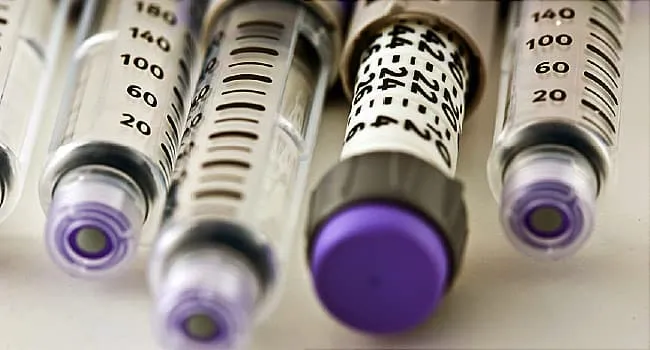
Premixed insulin combines intermediate or long coverage with mealtime coverage in a fixed ratio. It may simplify dosing but offers less flexibility. Insulin pumps deliver small amounts continuously and can provide meal doses. Pens are portable and easier for many people to use than vials and syringes. Inhaled mealtime insulin is another option for selected adults, but it is not appropriate for everyone.
The main safety concern is hypoglycemia. Weight gain can also occur. Education should cover dose timing, injection-site rotation, storage, travel, physical activity, alcohol, sick days, and how to recognize and treat low blood sugar. Insulin is powerful, but with training it becomes a toolnot a tiny glass bottle of chaos.
Evidence:
How Clinicians Choose Among Pills, Injections, and Insulin
A modern diabetes plan looks beyond a single glucose reading. Clinicians consider A1C, fasting and after-meal patterns, symptoms, duration of diabetes, and whether glucose is dangerously high. They also review cardiovascular disease, heart failure, kidney function, liver disease, body weight, hypoglycemia risk, age, pregnancy plans, other medications, and personal preferences.
Cost and access are clinical issues, not footnotes. A “perfect” medication that a patient cannot obtain is not a functioning treatment plan. Generic drugs, assistance programs, formulary alternatives, fewer daily doses, combination pills, pens, or simpler insulin regimens may improve adherence. The goal is sustainable control, not winning an imaginary award for the most complicated medicine cabinet.
For many adults, typical glucose targets may include 80 to 130 mg/dL before meals and below 180 mg/dL about two hours after a meal, but targets must be individualized. Older adults, pregnant patients, children, people with recurrent hypoglycemia, and those with multiple health conditions may need different goals.
Evidence:
Monitoring Shows Whether the Plan Is Working
A1C estimates average glucose over roughly two to three months, while finger-stick meters and continuous glucose monitors reveal daily patterns. The most useful question is not simply, “Was the number high?” It is, “What keeps happening, and why?” A repeated overnight low suggests a different problem from a breakfast spike or a post-exercise drop.
Medication reviews should include side effects, missed doses, affordability, injection technique, nutrition, physical activity, sleep, stress, and changes in kidney or liver function. Diabetes self-management education and support can turn an intimidating prescription list into a workable routine. Pharmacists, diabetes care and education specialists, dietitians, nurses, and clinicians all have useful roles.
Evidence:
Low Blood Sugar: The Side Effect That Deserves a Plan
Hypoglycemia is most closely associated with insulin, sulfonylureas, and meglitinides, although combinations can change risk. Symptoms may include shakiness, sweating, hunger, confusion, irritability, weakness, or a fast heartbeat. Severe hypoglycemia can cause seizures, loss of consciousness, injury, or death.
Patients at risk should know their personal treatment instructions, carry fast-acting carbohydrates, and discuss glucagon with their care team. Medication doses may need adjustment when meals are skipped, activity increases, alcohol is consumed, kidney function changes, or illness reduces food intake. Repeated lows are not proof that treatment is “working extra well”; they are a reason to revise the plan.
Evidence:
Real-World Treatment Experiences: What the Options Can Feel Like
The following are composite examples created for education. They do not describe specific patients and are not medical advice.
Experience 1: Starting With a Pill
A newly diagnosed office worker begins metformin after several months of rising A1C. The first week is not glamorous: breakfast is followed by stomach rumbling loud enough to qualify as a team meeting. After discussing the problem, the clinician recommends taking the medicine with food and switching to an extended-release formulation. The digestive effects ease, and the patient starts checking fasting glucose several mornings each week.
The biggest surprise is psychological. Taking medication initially feels like failure, even though it is simply treatment for a biological condition. Once the patient sees better numbers and has more energy, the pill becomes less of a symbol and more of a routinelike brushing teeth, only with a pharmacy label.
Experience 2: Adding an Injection for More Than A1C
Another adult has type 2 diabetes, obesity, and a history of cardiovascular disease. Metformin helped, but glucose and weight remain above the agreed targets. A GLP-1-based injection is added. The first few doses cause nausea and early fullness, so meals become smaller and slower. Greasy food, once a reliable friend, suddenly behaves like an uninvited houseguest.
Over time, the patient learns that “eat less” is not a complete strategy. Protein, fiber, hydration, resistance exercise, and a plan for constipation matter. The weekly injection is easier than expected, but insurance authorization is harder than expected. The medical benefit and the administrative scavenger hunt occur in the same treatment story. Regular follow-up helps adjust the dose and confirm that side effects remain manageable.
Experience 3: Beginning Insulin Without Treating It as Defeat
A person who has lived with type 2 diabetes for 14 years sees fasting glucose climb despite several medications. The clinician recommends basal insulin. The patient imagines huge needles, strict schedules, and a lifetime ban on birthday cake. In reality, the pen needle is small, the first dose is supervised, and the plan begins with one injection at night.
The learning curve is practical rather than dramatic: keep a record, rotate injection sites, understand storage, and know what to do if glucose is low. The patient discovers that insulin does not erase the value of food choices or exercise; it works alongside them. Fasting readings improve, sleep is less disrupted by thirst and bathroom trips, and the fear gradually shrinks.
The Shared Lesson
Across these experiences, the best treatment is rarely the one with the fanciest commercial. It is the one that addresses the person’s health risks, produces meaningful glucose improvement, causes tolerable side effects, fits the budget, and can be followed on ordinary Tuesdaysnot just during a burst of New Year motivation.
Successful diabetes management often includes revisions. A dose may be lowered after weight loss or increased during illness. A medication may be replaced because kidney function changes, side effects persist, or insurance coverage disappears. Insulin may be temporary during pregnancy, hospitalization, or severe hyperglycemia, or it may become a long-term part of care. None of these changes represents personal failure. They represent responsive treatment.
The most useful habit is honest communication. Tell the care team about missed doses, fear of needles, low glucose episodes, cost problems, nausea, fasting, travel, shift work, or plans for pregnancy. A clinician cannot simplify a problem that remains hidden. Diabetes care works best when the prescription and the person’s real life are allowed to meet.
Evidence: Composite scenarios informed by
Conclusion
Diabetes treatment options range from familiar pills to weekly non-insulin injections and sophisticated insulin systems. The right choice depends on far more than whether a medicine lowers blood sugar. Heart and kidney protection, weight effects, hypoglycemia risk, side effects, cost, convenience, and personal priorities all matter.
For type 1 diabetes, insulin is essential. For type 2 diabetes, treatment may include metformin, SGLT2 inhibitors, DPP-4 inhibitors, insulin-releasing drugs, GLP-1-based therapies, insulin, or a carefully selected combination. Monitoring and follow-up turn those options into an actual plan. The goal is not perfect numbers every minute; it is safer glucose control and a healthier life with a routine that can be maintained.
Evidence:


