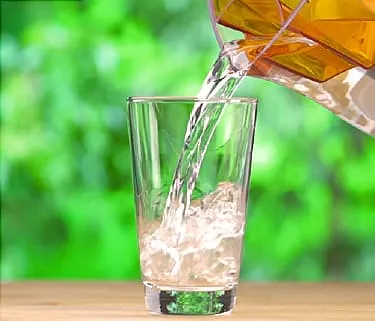

Drinking water sounds like the easiest health habit in the world. Open bottle. Lift glass. Swallow. Congratulations, you are now a wellness influencer. But the truth about drinking water is more interesting than “drink eight glasses a day and sparkle like a hydrated dolphin.” Water matters deeply, yet many popular hydration rules are oversimplified, misunderstood, or dressed up by marketing departments wearing lab coats.
Your body needs water to regulate temperature, move nutrients, support digestion, lubricate joints, protect tissues, and help your kidneys remove waste. Still, hydration is not a one-size-fits-all math problem. A marathon runner in Arizona, a student in an air-conditioned classroom, a construction worker in July, and someone eating soup, fruit, and vegetables all have different fluid needs. The real question is not, “How much water should everyone drink?” It is, “What does my body need today?”
This guide breaks down the facts, myths, safety issues, and everyday habits behind healthy hydrationwithout turning your life into a full-time water-tracking spreadsheet.
What Drinking Water Actually Does in the Body
Water is not just a background character in your body’s story. It is the stage, lighting crew, delivery truck, cooling system, and emergency maintenance team. Every cell depends on fluid balance to function properly. Blood carries oxygen and nutrients through a water-rich system. Sweat helps cool the body. Saliva helps with chewing and swallowing. The digestive tract uses fluids to keep things moving, which is a polite way of saying water helps prevent your intestines from filing a formal complaint.
Water also supports kidney function. Your kidneys filter waste from the blood and help regulate sodium, potassium, and other electrolytes. When you drink enough fluids, urine usually becomes lighter in color and waste products are diluted more efficiently. When you drink too little, urine can become darker and more concentrated, and you may feel tired, dizzy, or headachy.
That does not mean more water always equals better health. The body likes balance, not extremes. Too little water can cause dehydration. Too much water too quickly can dilute sodium levels and create a dangerous electrolyte imbalance. Hydration is less like filling a gas tank and more like tuning an instrument: the goal is harmony.
The Eight-Glasses-a-Day Rule: Helpful or Hype?
The famous “eight glasses a day” rule is easy to remember, which is probably why it survived longer than many better explanations. For some people, eight cups of water may be close to reasonable. For others, it may be too much or too little.
One major reason the rule confuses people is that daily fluid intake does not come only from plain water. Coffee, tea, milk, sparkling water, soups, smoothies, fruits, and vegetables can all contribute to total water intake. Watermelon did not get its name because it was dry and mysterious. Cucumbers, oranges, berries, lettuce, and many cooked foods also provide fluids.
General guidance often points to about 3.7 liters of total water per day for adult men and about 2.7 liters for adult women, but those numbers include fluids from all beverages and foods. They are not a command to chug that much plain water while your stomach sloshes like a bathtub on a cruise ship.
So how much water should you drink?
A practical answer is this: drink enough so that you rarely feel thirsty, your urine is usually pale yellow, and you feel steady during normal activities. You may need more when you sweat heavily, exercise, spend time in hot or dry weather, have a fever, or lose fluids through vomiting or diarrhea. You may need a personalized plan if you have kidney disease, heart failure, certain endocrine conditions, or take medications that affect fluid balance.
Signs You May Not Be Drinking Enough Water
Dehydration happens when your body loses more fluid than it takes in. Mild dehydration can sneak up quietly, especially during busy school days, work shifts, travel, sports practice, or hot weather. Common signs include thirst, dry mouth, darker urine, fatigue, headache, dizziness, and fewer trips to the bathroom.
For many people, the simplest fix is to drink water and slow down long enough for the body to catch up. But dehydration can become serious. Confusion, fainting, very rapid heartbeat, extreme weakness, or symptoms after severe heat exposure need urgent medical attention. Babies, older adults, and people with certain health conditions are more vulnerable, but anyone can get dehydrated under the rightor wrongconditions.
One underrated hydration strategy is prevention. Drink before you are extremely thirsty during long outdoor activities. Keep water nearby when studying, working, driving, or exercising. Pair drinking with daily routines: after waking up, with meals, before practice, or after brushing your teeth. Your bottle does not need motivational quotes shouting “YOU GOT THIS!” every hour, but if that helps, let the bottle live its dream.
Can You Drink Too Much Water?
Yes. It is uncommon for healthy people during normal daily life, but it can happen. Drinking very large amounts of water in a short period can lower sodium concentration in the blood, a condition known as hyponatremia. Sodium helps regulate fluid balance around cells. When sodium becomes too diluted, cells can swell, and symptoms may include nausea, headache, confusion, weakness, and in severe cases, medical emergencies.
This risk is more common in endurance events, extreme water-drinking challenges, certain medical conditions, or situations where someone forces fluids far beyond thirst. The lesson is not to fear water. The lesson is to respect balance. Hydration should support your body, not turn drinking into a competitive sport where the prize is a very worried kidney.
Tap Water vs. Bottled Water: Which Is Better?
In the United States, public tap water is regulated by the Environmental Protection Agency, while bottled water is regulated by the Food and Drug Administration. Both systems have safety standards, but they are not identical in how they are monitored, reported, and delivered.
Tap water is often affordable, convenient, and environmentally friendlier than single-use bottled water. Many public water systems publish annual water quality reports, sometimes called Consumer Confidence Reports, which explain where the water comes from and what testing found. For most households served by a well-managed municipal system, tap water is a good everyday choice.
Bottled water can be useful during travel, emergencies, natural disasters, boil-water advisories, or when local water quality is questionable. However, bottled does not automatically mean purer, healthier, or magical. It can be expensive, create plastic waste, and may come from sources similar to municipal supplies. The best choice depends on your location, plumbing, health needs, and access.
What about filters?
Water filters can be helpful, but the right filter depends on the problem you are trying to solve. A basic pitcher may improve taste and reduce chlorine odor, but it may not remove lead, PFAS, nitrates, or microbes. Reverse osmosis systems, activated carbon filters, and certified point-of-use filters all work differently. Before buying a filter, check your local water report and choose a product certified for the specific contaminant you care about.
The Truth About Fluoride in Drinking Water
Fluoride in community water systems is one of the most debated topics in public health. The basic idea is simple: adjusting fluoride to recommended levels can help reduce tooth decay. Health agencies have long supported community water fluoridation as a cost-effective way to improve oral health.
Still, people should understand what is in their water. Local water systems vary, and families may want to know whether their community water is fluoridated, especially if they use bottled water, well water, or home filtration systems. For children, dental care decisions should be discussed with a dentist or pediatric clinician, particularly when combining fluoridated water, fluoride toothpaste, and supplements.
Do You Really Need Electrolyte Drinks?
Electrolytes are minerals such as sodium, potassium, magnesium, calcium, and chloride that help with fluid balance, nerve signaling, and muscle function. You need them. But that does not mean you need a neon-blue sports drink every time you walk from the couch to the mailbox.
For most everyday activities, plain water and a balanced diet are enough. Electrolyte drinks may help during long, intense exercise, heavy sweating, hot-weather labor, endurance sports, or illness involving fluid loss. They can also be recommended for specific medical situations. But many commercial sports drinks contain added sugar, artificial colors, or more sodium than a casual sipper needs.
A good rule: use water for normal hydration, and consider electrolytes when sweat, illness, heat, or duration makes plain water less effective. If the label reads like a chemistry exam and dessert menu had a baby, compare options carefully.
Does Coffee Count Toward Hydration?
Yes, moderate coffee and tea can contribute to daily fluid intake. Caffeine has a mild diuretic effect, but regular coffee drinkers usually tolerate it well, and the fluid still counts. That said, drinking six giant coffees and calling yourself “hydrated” may be spiritually ambitious.
The better question is what comes with the beverage. Plain coffee and unsweetened tea are very different from large sugary drinks topped with whipped cream, syrups, and enough caramel to make a dentist whisper a prayer. For hydration and overall health, water should remain the main drink most of the time, while other beverages can fit around it.
Water and Weight Loss: Helpful, Not Magical
Water can support weight management, but it is not a magic fat-burning potion. Drinking water before meals may help some people feel fuller and reduce calorie intake. Replacing sugary drinks with water can also make a meaningful difference because liquid calories add up quickly and often do not satisfy hunger the same way food does.
However, drinking water alone will not cancel out an unbalanced diet, poor sleep, chronic stress, or low activity levels. Think of water as a helpful teammate, not the entire championship roster.
Practical Ways to Drink More Water Without Becoming Obsessed
1. Start your morning with a glass
You do not need to chug a gallon before breakfast. A simple glass of water after waking up helps replace fluids lost overnight and starts the day on a better note.
2. Keep water visible
Humans are funny creatures. We forget things that are not directly in front of us, including hydration, keys, and sometimes why we walked into a room. A bottle on your desk, in your bag, or near your bed can remind you to sip naturally.
3. Add flavor without turning water into soda
Lemon, cucumber, mint, berries, orange slices, or a splash of unsweetened juice can make water more appealing. Sparkling water is also fine for many people, especially when it is unsweetened.
4. Eat water-rich foods
Soups, fruits, vegetables, oatmeal, yogurt, and smoothies all contribute to hydration. Food counts. Your body does not reject water just because it arrived inside a strawberry wearing a tiny red jacket.
5. Match water to your routine
Drink with meals, after bathroom breaks, before exercise, and after coming home from school or work. Habit pairing is easier than relying on willpower alone.
Personal Experiences: What Drinking More Water Really Feels Like
When people decide to “drink more water,” the first experience is often not glowing skin or instant energy. It is usually more bathroom trips. This is normal at first, especially if someone jumps from barely sipping all day to carrying a giant bottle like they are crossing the desert. The body may need time to adjust, and spreading fluids throughout the day usually feels better than panic-drinking at 8 p.m.
One common experience is the afternoon slump improving. Many people blame every 3 p.m. crash on lack of caffeine, but sometimes the body is simply under-watered, under-fed, or both. Drinking water with lunch and keeping a bottle nearby during the afternoon can reduce headaches and that dusty-brain feeling where reading one email feels like decoding ancient symbols.
Another real-life lesson is that hydration works best when paired with meals. Drinking water on an empty stomach all day while skipping food can feel unpleasant. You may feel sloshy, hungry, or oddly tired. Add balanced meals and snacks, and water becomes more useful because electrolytes and nutrients help the body hold and use fluids properly.
People who exercise often notice that hydration is not just about what they drink during the workout. Showing up already dehydrated makes everything harder. Your heart rate may feel higher, your effort may feel heavier, and your motivation may vanish dramatically, like a teenager asked to unload the dishwasher. Sipping water earlier in the day, then drinking during and after activity, is usually more effective than trying to fix everything at the last minute.
Travel also teaches hydration lessons quickly. Airplane cabins, long car rides, salty snacks, and disrupted routines can leave you feeling dry and tired. Bringing a reusable bottle, drinking water before coffee, and choosing water with at least some meals can prevent the “why do I feel like a raisin?” vacation mood.
The most useful experience, though, is learning your own signals. Some people need reminders because they rarely feel thirsty until they are already behind. Others drink too aggressively because they think clear urine all day means success. In reality, pale yellow urine, steady energy, normal thirst, and feeling good during regular activities are better clues than chasing a perfect number.
After a few weeks of paying attention, many people find a rhythm: water in the morning, water with meals, extra during sweat or heat, and less forced sipping at night. That rhythm is the truth about drinking water in everyday life. It should support you quietly, not become a dramatic hobby with charts, alarms, and emotional support ice cubes.
Conclusion: The Real Truth About Drinking Water
The truth about drinking water is simple but not simplistic. Water is essential, but hydration is personal. You do not need to worship the eight-glass rule, fear tap water without evidence, buy every electrolyte powder, or force yourself to drink until your stomach files a noise complaint.
A smart hydration routine starts with listening to your body, checking your environment, and building easy habits. Drink when thirsty. Add more during heat, sweat, illness, or intense activity. Let food contribute. Use local water reports to understand tap water quality. Choose filters for specific concerns, not vague panic. Keep electrolyte drinks for situations where they actually help.
Note: This article is for general educational purposes and should not replace medical advice. People with kidney disease, heart conditions, fluid restrictions, pregnancy-related concerns, recurring dehydration, or symptoms of severe dehydration should speak with a qualified healthcare professional.


