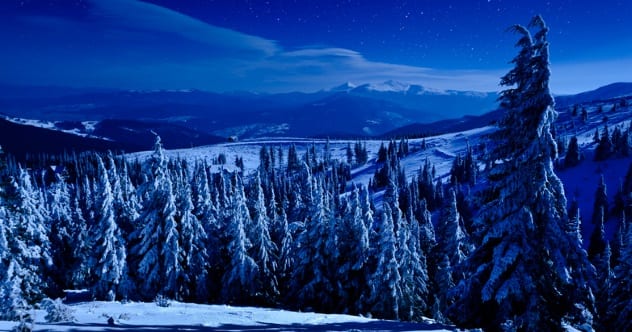

On a freezing night in February 1959, nine experienced Soviet hikers abandoned a tent on the eastern slope of Kholat Syakhl in the northern Ural Mountains. Some left without boots. Others wore little more than sleep clothes. Their supplies, warm clothing, food, and equipment remained inside, yet the tent had apparently been cut open from within.
Weeks later, searchers found the hikers scattered between the campsite and a distant forest. Several had died from hypothermia. Others suffered devastating chest or head injuries. Missing soft tissue, traces of radioactivity, reports of strange lights, and the Soviet investigation’s vague reference to an “overwhelming force” transformed a wilderness disaster into one of history’s most stubborn mysteries.
Modern research has made a small slab avalanche the leading explanation, but it has not eliminated every uncertainty. The Dyatlov Pass Incident still feels like a locked-room mysteryexcept the room is an entire frozen mountain and nearly every useful clue spent weeks beneath snow.
What Happened at Dyatlov Pass?
Igor Dyatlov organized a difficult winter expedition involving ten skilled hikers, most of whom were students or graduates of the Ural Polytechnical Institute. One member, Yuri Yudin, turned back because of illness. That decision made him the expedition’s only survivor.
On February 1, 1959, the remaining nine hikers pitched their tent on an exposed mountainside after drifting away from their planned route in worsening weather. When they failed to return, a search began. The abandoned tent was discovered on February 26. Footprints led downhill toward a forest, where the first bodies were found near a cedar tree and the remains of a small fire. Others lay between the cedar and the campsite, apparently attempting to return. Four more victims were discovered in May beneath deep snow near a stream.
The 1959 investigation concluded that six hikers died primarily from hypothermia and three from fatal physical trauma. Investigators found no convincing signs of robbery or an outside attack. Unable to identify a precise sequence of events, the case was closed with the frustrating conclusion that the group had encountered a powerful natural force they could not overcome.
The 10 Most Chilling Dyatlov Pass Theories
1. A Delayed Slab Avalanche Struck the Tent
The most scientifically supported theory begins with the hikers cutting into the slope to create a level platform for their tent. According to research published in 2021, this excavation may have weakened a buried layer of snow. Strong downslope winds then deposited additional snow above the campsite until a compact slab finally broke loose several hours later.
This would not have been a roaring wall of snow capable of sweeping away a forest. It may have been a dense, localized block that struck or partially buried the tent. Such an impact could have pinned occupants, fractured ribs, or created the terrifying impression that a larger avalanche was imminent. Cutting through the tent wall may have been faster than searching for an obstructed entrance.
The model also answers a major objection: rescuers saw no obvious avalanche debris. A relatively small slab could have been covered or reshaped by wind during the 26 days before the tent was discovered. Russian prosecutors reached a broadly similar avalanche conclusion in 2020, while later expeditions documented that small snow slabs can occur in the area.
It is not a perfect solution. The exact tent location, snow depth, slope angle, and timing remain disputed. Nevertheless, this theory requires no invisible assassins, experimental death rays, or yetis with excellent stealth training. It only requires unstable snow and extremely bad luck.
2. Fear of an Avalanche Forced a Fatal Evacuation
A related theory suggests the hikers may not have been seriously struck at all. Instead, shifting snow, a sudden collapse near the tent, or the sound of a cracking slab could have convinced them that an avalanche was seconds away.
Experienced mountaineers know that remaining below unstable snow can be deadly. The group may therefore have conducted what they believed was a disciplined emergency evacuation. Footprint evidence has often been interpreted as indicating that they moved downhill together rather than scattering in wild panic.
The plan may have been to reach the tree line, start a fire, wait for conditions to improve, and return to retrieve their clothing. In darkness, blowing snow, and severe cold, however, the tent disappeared into the white landscape. Modern investigators demonstrated how rapidly people can lose their sense of direction when attempting to retrace a route in poor visibility.
This scenario is especially disturbing because the hikers’ experience may have worked against them. They recognized a familiar mountain hazard, made a rational decision, and then discovered too late that evacuation had placed them in an even more dangerous situation.
3. Hurricane-Force Katabatic Winds Overwhelmed the Camp
Katabatic winds form when cold, dense air accelerates downhill. On an exposed mountain, they can arrive with remarkable force, flattening tents, blasting loose snow across the slope, and reducing visibility to almost nothing.
Under this theory, a violent wind event damaged the campsite or made the hikers believe their shelter was about to collapse. They retreated toward the forest because trees offered protection and firewood. Once there, the combination of wind chill, darkness, and separation turned a temporary retreat into a survival crisis.
Weather reconstructions considered during the reopened investigation indicated exceptionally harsh conditions, including powerful winds and temperatures far below freezing. Katabatic winds also play an important role in the slab-avalanche model because they can transport snow onto a vulnerable slope even when little new snow is falling.
Wind alone does not neatly explain every traumatic injury. It does, however, provide a credible mechanism for disorientation, tent damage, snow loading, and the group’s inability to find its way back.
4. Infrasound Triggered Terror and Disorientation
One of the more imaginative natural explanations involves infrasoundlow-frequency sound below the normal range of human hearing. Strong wind moving around a rounded mountain feature can theoretically produce pressure waves that cause uneasiness, nausea, dizziness, or an intense feeling that something is wrong.
Supporters propose that unusual wind conditions generated infrasound around Kholat Syakhl, frightening or disorienting the hikers until they fled the tent. Because the sound could not be consciously identified, they may have reacted to a threat they could feel but not see.
The theory has cinematic appeal. An invisible vibration sweeping through a dark tent is almost tailor-made for a horror movie. Its evidentiary foundation is much weaker. There is no direct record proving that dangerous infrasound occurred at the campsite or that all nine hikers would have responded in the same way.
Infrasound may conceivably have added stress during extreme weather, but it struggles to explain the group’s organized movements, severe injuries, and efforts to build a fire and snow shelter. Those actions indicate purposeful survival behavior rather than complete psychological collapse.
5. A Snow Shelter Collapsed Above the Ravine
Not every injury had to occur at the tent. Four hikers found near the stream had been buried beneath several feet of snow, and some suffered major chest or skull trauma. This has inspired a theory that they were injured later while constructing or occupying a snow den.
After reaching the forest, the group appears to have divided its efforts. Two hikers tended a small fire beneath the cedar. Others may have cut branches, exchanged clothing, attempted to return to the tent, or dug into a snowbank for insulation. A shelter above a hidden stream channel could have collapsed, dropping people onto rocks or compressing them under dense snow.
This scenario can explain why the most severely injured victims were found together and why their trauma was described as powerful despite limited external wounds. It can also account for missing eyes and other soft tissue without invoking torture. Bodies lying for months in running water beneath snow would have been exposed to decomposition and animal activity.
Rather than competing with the avalanche theory, the ravine-collapse explanation can complete it: one event drove the group from the tent, while a second accident injured several members during their desperate attempt to survive.
6. Secret Soviet Weapons or Parachute Mines Killed Them
The Cold War setting makes military theories difficult to kill. Witnesses later reported orange lights or glowing objects in the region, while some victims had crushing injuries with relatively little visible external damage. A small amount of radioactivity was also detected on certain clothing.
One theory claims the hikers wandered into a secret test involving parachute mines or aerial explosives. A detonation could have produced frightening light, noise, pressure, and internal trauma. The hikers might have abandoned the tent to escape what they believed was an ongoing bombardment.
The Soviet government’s secrecy poured gasoline on the theory and then politely placed the gasoline next to a box of matches. Case files were restricted, officials provided few satisfying answers, and the area was temporarily closed to visitors. Yet secrecy surrounding domestic accidents was common in the Soviet Union and does not, by itself, prove a military cover-up.
No confirmed bomb fragments, blast crater, widespread burns, or military debris were documented at the campsite. The theory explains the unsettling political atmosphere better than it explains the physical scene.
7. A Failed Missile Released a Toxic Chemical Cloud
A newer variation on the military theory proposes that a failed Soviet missile or rocket released toxic propellant fumes over the mountain. In this scenario, strange lights were associated with a launch failure, while a corrosive or poisonous cloud caused confusion, respiratory distress, skin irritation, or a desperate evacuation.
The idea attempts to connect several famous clues: glowing objects in the sky, apparently unusual skin coloration, burns reported on some bodies or clothing, and Soviet reluctance to discuss the case. Some recent advocates have specifically pointed to liquid-fueled missile technology that used highly hazardous chemicals.
However, the evidence remains largely circumstantial. A chemical release severe enough to incapacitate nine people would be expected to leave clearer signs on the tent, equipment, surrounding snow, and rescuers. Postmortem color changes can result from prolonged exposure, freezing, and decomposition, while reports of orange fireballs were not securely tied to the exact time and location of the deaths.
It is chilling, technically possible in broad terms, and impossible to rule out with absolute confidence. That still places it well below the snow-and-weather explanation on the probability ladder.
8. A Secret Intelligence Meeting Turned Deadly
The spy theory centers on the background of several expedition members and the presence of radioactive material on clothing. According to one version, one or more hikers were connected to Soviet intelligence and intended to pass contaminated garments or false nuclear information to foreign agents. The meeting supposedly went wrong, resulting in murder and a staged campsite.
This theory turns the expedition into a Cold War thriller: coded arrangements, undercover operatives, radioactive evidence, and a cleanup hidden behind an official non-explanation. It also tries to explain why Semyon Zolotaryov, an older military veteran, joined a much younger group shortly before departure.
The problem is the crime scene. Valuables were left behind, footprints did not clearly reveal an outside party, and the hikers’ movements toward the forest resemble an emergency survival response more than a carefully staged execution. There is also no reliable documentary proof of a planned spy exchange.
Radioactivity sounds sinister, but contamination on a limited number of garments is not the same thing as evidence of espionage. In a heavily industrialized nuclear state, radioactive clothing could have a less glamorous history.
9. The Hikers Were Attacked by People
Early suspicions fell on the Indigenous Mansi people, escaped prisoners, poachers, or unidentified outsiders. The hikers may have entered sacred territory, encountered criminals, or become victims of a violent confrontation.
Investigators found little support for those claims. The Mansi assisted search efforts, and there was no persuasive evidence that the campsite stood on restricted sacred land. The tent still contained useful equipment and valuables. Tracks around the site were generally associated with the expedition rather than a large attacking force.
An internal fight has also been suggested, perhaps caused by romantic tension, alcohol, or conflict over leadership. Yet leaving the tent without adequate clothing would have endangered the attacker as much as everyone else. The group’s shared effortsbuilding a fire, exchanging clothing, making shelter, and apparently attempting to return uphillsuggest cooperation under pressure.
The human-attack theory survives because violence offers a simple explanation for trauma. Unfortunately for the theory, it creates more questions than it answers.
10. UFOs, Fireballs, and the Dyatlov Pass Yeti
No list of Dyatlov Pass theories would be complete without the paranormal department arriving in a snowmobile.
Reports of orange spheres inspired claims that UFOs frightened or attacked the hikers. A blurry final photograph has been interpreted as a glowing craft, a fireball, or secret technology. Others point to a joking line in the group’s homemade newsletter about a snowman and suggest that a Yeti-like creature pursued them.
Neither idea is supported by strong physical evidence. The strange photograph could show a damaged frame, light leak, flashlight, or an accidental exposure. The newsletter’s snowman reference appears to have been expedition humor rather than a warning about an actual creature. No convincing nonhuman footprints, biological material, or attack pattern was documented.
Stories about aliens and monsters remain popular because they explain everything by explaining nothing. Once a creature can move invisibly, terrify nine experienced hikers, inflict selective injuries, leave no evidence, and disappear into a blizzard, it becomes less a theory than a supernatural all-access pass.
The Dyatlov Pass Incident is frightening enough without a monster. The wilderness itself had wind, darkness, unstable snow, hidden rocks, and lethal cold. Nature arrived at the scene with a full résumé.
Which Dyatlov Pass Theory Is Most Convincing?
The delayed slab-avalanche theory currently provides the strongest overall framework. It explains why the hikers urgently cut their way out, why they moved toward safer ground, and why they left essential equipment behind. Extreme wind and darkness explain why they could not return, while hypothermia accounts for most deaths.
The remaining injuries may have resulted from more than one event. Some victims could have been hurt by dense snow striking the tent. Others may have fallen into the stream channel or been crushed when a snow shelter collapsed. Soft-tissue damage likely occurred after death as bodies remained in water and snow for months.
This combination is less tidy than a single dramatic cause, but real disasters are rarely tidy. A chain of ordinary hazards can produce an extraordinary scene, especially when searchers arrive weeks later and must reconstruct events from altered snow, scattered bodies, incomplete records, and silent witnesses.
The scientific avalanche model establishes plausibility rather than absolute proof. Its authors have repeatedly acknowledged that no explanation can be confirmed beyond all doubt because nobody survived to describe the night. Still, subsequent field observations and the reopened Russian investigation have made a snow-related evacuation far more credible than it once appeared.
Experiencing the Dyatlov Pass Story Beyond the Theories
Reading about Dyatlov Pass is a different experience from studying an ordinary historical mystery. The surviving photographs do not begin with danger. They show friends laughing, skiing, repairing equipment, making jokes, and sharing meals. Nothing in those images announces that the expedition will become a global legend. That normality makes the ending far more unsettling.
The case also changes when readers study the landscape rather than focusing only on autopsy details. Kholat Syakhl is not a towering, theatrical peak. Its broad, treeless slopes can look deceptively gentle. In daylight, the campsite may appear manageable. In winter darkness, however, wind-driven snow can erase depth, distance, and direction. A tent only a few hundred yards away can become functionally invisible.
Modern visitors who follow portions of the expedition’s route often describe an environment where exposure is the defining sensation. There are few visual landmarks, weather changes quickly, and the forest below the slope feels much farther away when crossed through deep snow. That physical setting helps explain why the hikers went downhill: the trees promised firewood, shelter, and a fixed point in a landscape that had otherwise vanished into white.
The cedar tree is among the most emotionally powerful locations associated with the tragedy. Broken branches suggest that someone climbed high enough to look toward the campsite or collect fuel. Beneath the tree, rescuers found the remains of a small fire and the first two bodies. It is easy to imagine the group believing that survival was still possible. They had reached cover. They had made fire. They had one another. Then the cold continued working.
Studying the case also offers a sobering lesson about hypothermia. Severe cold does not simply make a person sleepy. It weakens coordination, judgment, speech, and the ability to perform tasks that would ordinarily be simple. Wet clothing accelerates heat loss. Injured companions slow movement. Hands lose the dexterity needed to fasten boots or operate tools. A plan that appears sensible at the beginning can become impossible within minutes.
The clothing found on different victims tells a grim survival story. Garments appear to have been redistributed after some members died, suggesting that the survivors continued making practical decisions. This was not necessarily a panicked group running aimlessly through the forest. They built a fire, gathered branches, created insulation, exchanged clothing, and attempted to navigate back toward the tent. Their actions show endurance rather than surrender.
For mystery enthusiasts, the most valuable experience may be learning to separate a disturbing clue from an impossible clue. Missing eyes sound supernatural until one considers decomposition in a stream. Radioactivity sounds like a secret weapon until one asks how much was detected, where it appeared, and whether contamination could have existed before the trip. A tent cut from inside sounds inexplicable until snow blocks the normal exit.
This does not make the tragedy less chilling. It makes it more human. The hikers may not have encountered a fantastic force. They may have faced a rapid succession of recognizable dangers, each one reducing their options until none remained.
The enduring power of Dyatlov Pass comes from that narrow boundary between control and catastrophe. The group was experienced, organized, and physically capable. They carried proper supplies and understood winter travel. Yet one poorly placed campsite, one unstable section of snow, one period of zero visibility, or one injury could undo every advantage.
That is the experience the story leaves behind: not certainty, but humility. Mountains do not need conspiracies to become deadly, and survival expertise does not create immunity from chance. The nine hikers should therefore be remembered not as characters in a paranormal puzzle, but as real people who fought intelligently and courageously against conditions that gave them almost no margin for error.
Conclusion
The Dyatlov Pass Incident continues to attract theories because its clues appear to belong to different stories. The damaged tent suggests sudden danger. The orderly footprints suggest control. The severe injuries suggest violence, while the fire and snow shelter suggest a coordinated survival effort. Soviet secrecy then wrapped the entire case in an atmosphere where almost any suspicion could flourish.
A delayed slab avalanche, extreme wind, poor visibility, falls, snow-shelter collapse, and hypothermia can collectively explain most of the evidence without requiring a hidden attacker. That explanation may lack aliens, spies, and rampaging snow creatures, but it contains something more frightening: a believable chain of small decisions and natural hazards from which nine capable people could not escape.
Dyatlov Pass may never be solved in every detail. The evidence is incomplete, the landscape changed before rescuers arrived, and the only witnesses died on the mountain. Science has narrowed the mystery, but the final hours of the expedition remain frozen somewhere between reconstruction and imagination.


