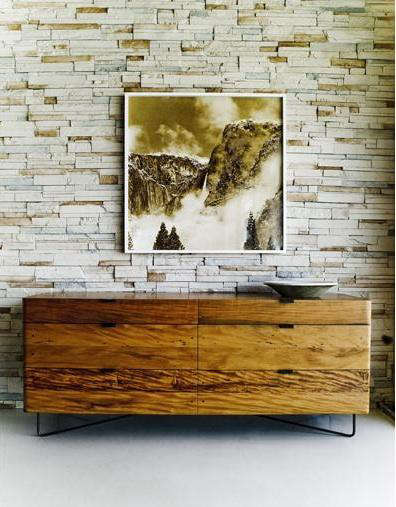

Note: The original “Win a $3,000 Curve Dresser from Environment” giveaway was a historical design promotion and is no longer active. This article revisits the piece, the sustainable furniture story behind it, and why a reclaimed wood dresser like this still feels wildly relevant in today’s home design conversation.
Why This Curve Dresser Still Makes Design Lovers Pause Mid-Scroll
Some furniture whispers. Some furniture politely clears its throat. And then there are pieces like the Curve Dresser from Environment, which walks into a bedroom like it owns the lease, the lighting plan, and possibly your entire Pinterest board. Valued at more than $3,000 in the original giveaway, this dresser was not just a storage unit. It was a statement about craftsmanship, sustainability, and the delicious fantasy that one day your socks might live in something more glamorous than a plastic bin from college.
The appeal of the Environment Curve Dresser starts with its material story. The piece was made from reclaimed Peroba Rosa, a warm Brazilian wood known for its honeyed tones, natural character, and aged personality. Add bronze pulls, clean lines, and a sculptural curve, and suddenly the humble dresser becomes the main character of the bedroom. It is functional, yes, but in the same way a tailored wool coat is “just clothing.” Technically true. Emotionally false.
The original giveaway captured a particular moment in design culture: sustainable furniture was moving from crunchy side note to luxury headline. Instead of choosing between good looks and good values, shoppers were starting to ask, “Why not both?” Environment Furniture leaned into that question with pieces made from reclaimed, recycled, or responsibly sourced materials, proving that eco-conscious design did not have to look like it was assembled during a group retreat with only driftwood and moral superiority.
The Story Behind Environment Furniture
Environment Furniture built its reputation around the idea that nature is not merely a source of raw materials; it is the best designer in the room. The brand became known for contemporary silhouettes, reclaimed woods, vintage textiles, and an earthy-modern look that felt polished without becoming sterile. Think warm loft, not corporate waiting area. Think “I compost and own good lamps.”
The company’s philosophy centered on creating beauty while respecting the planet. That phrase matters because furniture is not a tiny purchase. A dresser is big, heavy, resource-intensive, and expected to stay in the home for years. Choosing one made with reclaimed wood can reduce demand for newly harvested timber while preserving the character of materials that already have a history. In other words, the dresser has lived a life before storing your sweaters, which is more than most flat-pack furniture can say.
Environment later became part of Cisco Brothers, another Los Angeles furniture company associated with handcrafted, eco-minded design. Under that broader umbrella, Environment’s values of authenticity, quality, and sustainability continued to fit naturally into a larger movement toward healthier homes and more responsible manufacturing. That matters for buyers because “sustainable furniture” is not just about what the wood is. It is also about how the piece is made, how long it lasts, what finishes are used, and whether it becomes tomorrow’s landfill problem or tomorrow’s heirloom.
What Makes the Curve Dresser Special?
The Curve Dresser stands out because it combines a strong visual identity with everyday usefulness. Dressers are often treated like background furniture: necessary, rectangular, and about as thrilling as a printer manual. The Curve Dresser breaks that pattern. Its curved front softens the geometry of the bedroom, while the reclaimed Peroba Rosa adds grain, variation, and depth. Bronze pulls bring a refined contrast without shouting, “I am fancy,” which is always when furniture becomes suspicious.
Reclaimed Peroba Rosa: The Beauty of a Second Life
Reclaimed wood carries details that new wood often cannot replicate: weathering, tonal variation, tiny imperfections, and a sense of age. Peroba Rosa, historically used in Brazilian buildings and structures, has a dense, warm presence that works beautifully in modern interiors. In a dresser, that means each surface can feel subtly individual. The grain is not a printed imitation. It is the real thing, complete with the kind of texture that makes you want to run your hand across it while pretending you understand joinery.
Using reclaimed wood also supports a broader circular design mindset. Instead of extracting new material every time a home needs another object, designers can reuse existing resources and transform them into pieces with renewed purpose. This approach fits beautifully with modern sustainable furniture standards, which encourage buyers to ask where wood comes from, whether it is certified, reclaimed, plantation-grown, or legally harvested from responsibly managed forests.
Bronze Pulls: Small Detail, Big Personality
Hardware can make or break a dresser. Cheap pulls can make even solid wood look like it has given up. The Curve Dresser’s bronze pulls do the opposite. They add warmth, age, and elegance without overpowering the wood. Bronze also pairs well with natural materials because it develops character over time. A little patina is not a flaw; it is furniture seasoning.
A Shape That Softens the Bedroom
Bedrooms benefit from softness. They are supposed to be places of rest, not obstacle courses full of hard corners and emotional laundry piles. The curved face of the dresser helps break up the boxiness that often dominates bedroom furniture. It gives the piece movement and makes it feel more designed than assembled. In a room with a rectangular bed, square nightstands, and straight walls, that curve can be the visual exhale.
Why Sustainable Furniture Matters More Than Ever
Furniture buying has changed. Shoppers still care about price, style, and whether a drawer opens without sounding like a haunted staircase. But more people now ask what a product is made of, where it was made, how long it will last, and what it might release into the air inside their home. That last point is especially important because indoor air quality can be affected by finishes, adhesives, paints, and other materials used in furniture production.
The U.S. Environmental Protection Agency has long advised consumers to pay attention to products that emit volatile organic compounds, commonly known as VOCs, and to increase ventilation when using products that may release them. For furniture buyers, that means finishes and glues matter. Solid wood, reclaimed wood, low-VOC finishes, and transparent manufacturing practices are not just marketing sprinkles. They are part of creating a healthier living environment.
Sustainable furniture also challenges the disposable mindset. A dresser made to last decades may cost more upfront, but it can offer better long-term value than a cheaper piece that sags, chips, wobbles, and begins a slow emotional decline after one apartment move. The best furniture is not just purchased; it is kept, repaired, moved, and eventually bragged about in a tone that suggests you personally saved the forest.
How to Style a Curve Dresser Without Overdecorating It
A dresser like this does not need a lot of styling. In fact, overdecorating it would be like putting bumper stickers on a vintage Porsche. The goal is to complement the material, not bury it under sixteen candles and a ceramic bird named Gerald.
1. Add a Large Mirror
A mirror above the dresser is practical and visually smart. It reflects light, expands the room, and gives the dresser a natural focal point. Choose a mirror with a simple frame in black, bronze, wood, or aged brass. A round mirror can echo the dresser’s curved front, while a rectangular mirror can provide contrast.
2. Use One Lamp, Not a Lamp Army
A single sculptural lamp can make the dresser feel intentional. Look for ceramic, linen, metal, or wood textures. The lamp should be tall enough to add height but not so enormous that it appears to be interrogating the furniture.
3. Bring in Greenery
A small plant, vase of branches, or simple arrangement of flowers adds life to the warm wood. Reclaimed furniture pairs naturally with organic shapes, so greenery feels less like decoration and more like the room is breathing properly.
4. Use a Tray for Daily Clutter
Keys, watches, perfume, lip balm, and mystery receipts multiply when left unsupervised. A shallow tray keeps small objects contained and gives the top of the dresser a clean, styled look. It is also a polite way to admit that humans are chaos with accessories.
5. Leave Negative Space
The most luxurious thing you can put on a beautiful dresser is restraint. Leave some surface visible. Let the Peroba Rosa show off. The wood has earned it.
Where the Curve Dresser Works Best
The obvious place for a dresser is the bedroom, but the Curve Dresser’s design makes it flexible. In a primary bedroom, it can anchor a wall opposite the bed. In a guest room, it can make visitors feel like they are staying somewhere far more curated than “the room where we keep the extra router.” In a hallway or dining area, it could function as linen storage, a console, or a sideboard, depending on dimensions and layout.
Because reclaimed wood has strong natural character, the piece works especially well in interiors that mix materials. Pair it with linen bedding, wool rugs, plaster walls, leather accents, vintage art, or blackened metal lighting. It can also balance a modern room that feels too cold. A sleek white bedroom with a reclaimed wood dresser instantly gains warmth, history, and a little soul.
Important Dresser Safety: Anchor It
Beautiful furniture still has to be safe furniture. Any large clothing storage unit should be properly anchored to the wall, especially in homes with children, pets, or adults who occasionally open three drawers at once because optimism is a lifestyle. Modern U.S. safety standards for clothing storage units focus on reducing tip-over risks, and buyers should always follow manufacturer instructions for anchoring and installation.
This is not the glamorous part of dresser ownership, but it is the grown-up part. Use appropriate anti-tip hardware, install it into wall studs or suitable anchors, and check it periodically. A dresser can be heirloom-quality, magazine-worthy, and emotionally perfect, but it still needs to stay upright. Safety first, styling second, dramatic before-and-after photos third.
What to Look for in a Sustainable Dresser Today
If the Curve Dresser inspired you, the good news is that sustainable furniture has become easier to research. The bad news is that marketing language has also become fluffier than a hotel duvet. Terms like “eco,” “green,” “natural,” and “conscious” can be useful, but they should be backed by specifics.
Ask These Questions Before Buying
Start with materials. Is the wood reclaimed, FSC-certified, plantation-grown, or sourced from responsibly managed forests? Is the piece made from solid wood, veneer, engineered wood, or a mix? What finishes are used? Are they low-VOC or water-based? Is the furniture built locally or shipped across multiple continents? Can it be repaired? Are replacement parts available?
Also consider construction. Dovetail joinery, sturdy drawer glides, solid backs, and strong frames all affect longevity. A sustainable dresser that falls apart quickly is not very sustainable. Durability is one of the most overlooked environmental features because the greenest product is often the one you do not have to replace.
Do Not Ignore Measurements
Measure your wall, walkway clearance, drawer extension, and the route from delivery truck to bedroom. A gorgeous dresser that cannot turn the hallway corner becomes a very expensive conversation piece in the foyer. Measure twice, buy once, and respect staircases. They are where furniture dreams go to be humbled.
Why Giveaways Like This Capture Our Imagination
A $3,000 dresser giveaway is irresistible because it combines aspiration with possibility. Most of us can appreciate heirloom furniture, but not everyone can casually add it to cart between toothpaste and dog treats. Giveaways make the dream feel reachable. For a moment, you imagine opening your inbox and discovering that your bedroom is about to become 74 percent more sophisticated.
But the deeper reason this kind of promotion works is that great furniture changes how people feel at home. A dresser is part of the morning routine and the evening reset. It holds clothing, linens, keepsakes, and occasionally the pile of things you promise to organize “this weekend,” a phrase with no legal meaning. When the piece is beautiful, functional, and responsibly made, it gives everyday life a small upgrade.
Experience Notes: Living With a Statement Dresser
Owning or styling a statement dresser is different from bringing home an anonymous storage box. You start noticing how the entire room responds to it. The wall above it suddenly wants art. The floor nearby wants a rug. The laundry chair in the corner begins to look embarrassed. A strong dresser has gravitational pull; it encourages the rest of the space to behave.
In real-life use, the best dresser is one that looks beautiful but does not require delicate museum behavior. Reclaimed wood is excellent for that because it already has texture and variation. A tiny mark does not ruin the story. In many cases, it joins the story. That is a huge relief for anyone who lives with children, pets, houseguests, or their own inability to put down a coffee mug gently.
A curved dresser also changes the mood of a room. Straight-front dressers can be handsome, but a curve introduces softness and motion. It makes a bedroom feel less rigid. If you have ever walked into a room and thought, “Why does this feel like a storage unit with pillows?” the answer may be too many hard lines. Curves help. So do textiles, lamps, art, and finally folding the laundry, though science has not yet made that last one enjoyable.
The experience of using a high-quality dresser also makes you more aware of touch. Drawer pulls matter. Drawer weight matters. The feel of wood under your hand matters. These small interactions happen daily, and over time they shape how you experience your home. Cheap furniture often asks you to forgive it. Better furniture quietly supports you. It opens smoothly, stands firmly, ages gracefully, and does not make you whisper threats at a stuck drawer before work.
There is also emotional satisfaction in owning furniture with a material past. Reclaimed wood invites curiosity. Where was it before? What structure did it belong to? How did sun, weather, and time affect its surface? Even if you never know the full history, the visible grain and patina suggest that the piece did not begin its life in a warehouse yesterday. That sense of continuity makes a home feel layered rather than instantly decorated.
From a practical perspective, a dresser like the Curve Dresser rewards thoughtful organization. Deep drawers can handle sweaters, denim, and bulkier items, while smaller compartments or dividers can keep socks, accessories, and folded shirts from becoming a cotton avalanche. The top surface becomes a landing zone, but the key is discipline. Add a tray, a lamp, a mirror, and one personal object. Then stop. The dresser is not a flea market table. It does not need every candle you have ever loved.
Finally, a statement dresser can shift your buying habits. Once you live with a piece that feels solid, intentional, and beautiful, disposable furniture becomes less tempting. You begin to ask better questions: Will this last? Can it be repaired? Is it made from responsible materials? Will I still like it in ten years? That mindset is the quiet legacy of designs like the Environment Curve Dresser. They remind us that furniture can be useful, ethical, and genuinely exciting. Not bad for something that mostly holds pajamas.
Conclusion: More Than a Giveaway, a Design Lesson
The original “Win a $3,000 Curve Dresser from Environment” promotion may be long over, but the design lesson remains fresh. A great dresser can do more than store clothes. It can bring warmth to a room, showcase reclaimed materials, support sustainable values, and make daily routines feel a little more considered. The Curve Dresser’s combination of reclaimed Peroba Rosa, bronze hardware, curved form, and eco-conscious craftsmanship explains why it still deserves attention years after the giveaway closed.
For anyone designing a bedroom today, the takeaway is simple: buy fewer, better pieces when possible. Look for real materials, responsible sourcing, durable construction, safer finishes, and timeless shapes. A dresser should not be a temporary apology in particleboard form. It should be a hardworking, beautiful part of the home. And if it happens to make your socks feel like they live in a boutique hotel, well, that is just good design doing its job.