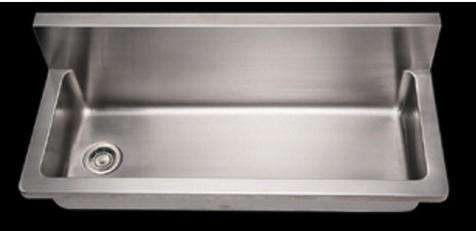

A utility sink is not supposed to be glamorous. It is supposed to survive muddy boots, paintbrushes, puppy baths, mop buckets, garden vegetables, and the occasional mysterious object someone “just needed to rinse off.” That is precisely why the Whitehaus Noah utility sink stands out. It brings commercial-style stainless steel construction and cleaner design lines to the spaces where ordinary sinks tend to wave a tiny white flag.
Whitehaus Noah utility sinks are part of the broader Noah’s Collection, which includes several stainless steel sink styles rather than one universal model. Some are wall-mounted laundry sinks, some can be installed as drop-in or wall-mount sinks, and others are purpose-built mop sinks. Their dimensions, drain locations, sink gauges, faucet requirements, and included mounting hardware vary by model. In other words, shopping for a Whitehaus Noah sink is less like choosing a single sandwich and more like ordering from a menu where every option happens to be made of stainless steel.
This guide explains what makes the collection appealing, how to choose the right configuration, what to expect during installation, and what everyday life with a Whitehaus Noah utility sink can look like in a laundry room, garage, workshop, mudroom, or light commercial space.
What Is a Whitehaus Noah Utility Sink?
A Whitehaus Noah utility sink is a heavy-duty stainless steel sink designed for practical tasks that would make a delicate bathroom basin nervous. The Noah’s Collection includes commercial-inspired stainless steel sinks made for laundry, cleanup, maintenance work, food prep, craft projects, and other high-mess jobs.
Many Noah utility sink models use 304-series stainless steel, a material commonly chosen for sink applications because it offers good resistance to staining and corrosion in normal indoor environments. Several models in the collection use 16-gauge or 18-gauge steel. In sink language, lower gauge numbers mean thicker steel, so a 16-gauge sink is generally thicker than an 18-gauge version.
The collection is known for features such as brushed stainless finishes, single-bowl configurations, directional drain grooves, rear or offset drain placement, and clean-edged corners. Depending on the model, buyers may find wall-mount brackets, faucet drillings, sound-dampening features, or a compatible drain requirement listed separately.
Why Choose a Stainless Steel Utility Sink?
Plastic laundry tubs have their place. They are affordable, lightweight, and perfectly capable of holding a pile of soaking towels. But a stainless steel utility sink often feels like a major upgrade because it handles hard use without looking as though it came free with a packet of detergent coupons.
Durability for Real-Life Cleanup
A Whitehaus Noah utility sink can be a good fit for jobs involving garden tools, pet supplies, paint trays, mop heads, work gloves, sports gear, and dirty laundry. Stainless steel does not have the brittle feel of many molded utility basins, and the brushed surface can make everyday water spotting and minor surface marks less obvious than a highly polished finish.
That does not mean stainless steel is invincible. It can scratch, especially when abrasive pads, sharp tools, or heavy cookware are dragged across the surface. The good news is that minor scratches usually blend into the finish over time, becoming part of the sink’s working-life résumé rather than a design emergency.
A Cleaner, More Flexible Look
The Noah collection has a distinctly commercial character, but it does not have to look out of place in a home. In a modern laundry room, the brushed stainless finish can pair well with white cabinets, black hardware, concrete floors, natural wood shelving, or industrial-style lighting. In a garage or workshop, it simply looks ready to work.
For homeowners who are tired of the standard white plastic laundry tub, a stainless steel utility sink can make the room feel more intentional. It is one of those upgrades that quietly says, “Yes, we wash muddy shoes here, but we have standards.”
Popular Whitehaus Noah Utility Sink Configurations
The most important shopping rule is simple: do not assume every Whitehaus Noah utility sink has the same dimensions or installation method. The collection includes several formats designed for different spaces and cleaning routines.
Drop-In or Wall-Mount Utility Sink Models
Models such as the Whitehaus Noah WHNC2520 are designed for flexibility. This style can be used as a drop-in sink in a counter or as a wall-mounted utility sink, depending on the layout. The 25-inch version has a deep single bowl and is especially useful in laundry rooms where countertop space is available but a full cabinet sink is not necessary.
A dual-installation option gives homeowners more freedom. A drop-in installation can create a built-in laundry station with storage below, while wall mounting can keep the floor open and make a compact room feel less crowded. The catch is that wall mounting requires proper structural support. A heavy-duty sink should be anchored into suitable framing or blocking, not trusted to drywall and positive thinking.
Wall-Mounted Commercial Utility Sinks
Wall-mounted Whitehaus Noah sinks are useful for garages, workshops, utility rooms, and commercial-style cleaning areas. Examples include 30-inch, 44-inch, and 47-inch wall-mounted models. These longer sinks provide generous workspace for scrubbing, rinsing, soaking, and generally containing the sort of mess that should not be invited into the kitchen.
The 30-inch wall-mount style offers a deep basin for laundry and cleanup tasks without requiring a huge footprint. Larger 44-inch and 47-inch versions are more appropriate when width matters, such as in a workshop where multiple tools need rinsing or a busy mudroom where several pairs of boots arrive home looking like they lost an argument with a swamp.
Floor-Mount Mop Sink Models
The Whitehaus Noah mop sink format is built for a different kind of work. A floor-mount mop sink has a lower, wider configuration that makes filling and emptying mop buckets easier. This style is practical in janitorial closets, commercial spaces, garages, basements, and serious home utility areas.
A mop sink is not the same thing as a deep laundry tub. Its role is to make floor-cleaning tasks less awkward. Instead of lifting a heavy bucket high into a sink, you can work closer to the floor. Your back may not send a thank-you card, but it will probably complain less.
Key Features That Matter Before You Buy
Stainless Steel Gauge
Gauge is one of the most useful specifications to compare. Whitehaus Noah utility sink models are commonly offered in 16-gauge or 18-gauge stainless steel. A 16-gauge model is thicker and may feel more substantial under hard use, while an 18-gauge model can still offer durable performance for laundry, cleaning, and general household tasks.
Choose the heavier gauge when the sink will be used frequently for demanding jobs, especially in workshops, garages, or commercial environments. An 18-gauge model may be entirely suitable for a residential laundry room where the main duties involve soaking clothes, rinsing footwear, and occasionally rescuing a houseplant from overwatering.
Drain Location and Drain Size
Drain placement is easy to overlook until installation day, when it suddenly becomes the most interesting topic in the universe. Some Noah sinks use rear-center drains, while others use offset drains. Rear drains can help preserve more usable space beneath the bowl, especially when plumbing must fit near a wall or when storage is planned under a counter-mounted sink.
Check the drain opening size and compatible drain assembly before purchasing. Some utility sink models require a specific basket strainer or drain accessory that may be sold separately. This is not a glamorous detail, but it is much better to learn it before the plumber arrives and begins staring at the box with concern.
Faucet Compatibility
Several Whitehaus Noah utility sink models are designed for wall-mounted faucets and may include 8-inch faucet drillings or be paired with compatible Whitehaus utility faucets. Wall-mounted faucets can be excellent for cleanup because they keep the deck area clearer and allow for a longer spout reach.
For a laundry room or workshop sink, a high-arc faucet with a pull-down or pull-out sprayer can be extremely useful. It makes rinsing the corners of the bowl easier, helps with pet baths, and gives you a fighting chance against whatever happened to the soccer cleats.
Drain Grooves and Bowl Shape
Many Noah utility sink models feature diagonal grooves that direct water toward the drain. This is a small detail, but it can improve day-to-day cleanup by reducing standing water after rinsing. Several models also use tight or zero-radius corners, which create a crisp, commercial appearance.
Tight corners look sharp, but they require a little more attention when cleaning. A soft brush or sponge works well for getting into the corners. Consider it a tiny tax paid to the gods of modern industrial design.
Planning Installation for a Whitehaus Noah Utility Sink
Before ordering a sink, measure the entire area, not just the spot where the bowl will sit. Check width, depth, wall clearance, faucet height, drain location, nearby outlets, door swings, and the path needed to carry laundry baskets or mop buckets around the space.
Wall-Mount Installation Considerations
A wall-mounted utility sink needs proper support. The wall should have adequate framing, blocking, or another approved structural method to handle the sink and the weight of water, tools, or a soaking load of towels. Brackets and hangers may be included with some models, while additional support may be required for others.
It is also wise to think about splash zones. Utility sinks are used for tasks that tend to involve enthusiasm and water pressure. Installing a durable backsplash, tile, wall panel, or washable paint behind the sink can save future cleanup time.
Drop-In Installation Considerations
A drop-in Whitehaus Noah sink needs a properly sized counter opening and a strong supporting surface. Always follow the product-specific template or specification sheet rather than relying on a guess. “It looks about right” is a phrase that has launched many unnecessary trips to the hardware store.
Plan the cabinet or open shelf below the sink carefully. A rear drain can create more room for cleaning supplies or storage bins, but the final arrangement depends on the plumbing layout and faucet connections.
Plumbing and Professional Help
Installing a utility sink often involves adding or modifying water supply lines, a trap, a drain connection, and possibly a vent. If the space does not already have plumbing in place, the work can become more involved than a weekend project. A licensed plumber can help ensure the sink drains correctly, the trap is properly installed, and local plumbing requirements are met.
How to Care for a Whitehaus Noah Stainless Steel Sink
Stainless steel is low-maintenance, not no-maintenance. A little regular care keeps the sink looking better and helps prevent stubborn water spots or buildup.
- Rinse the sink after messy projects, especially after using cleaners, paint residue, soil, or salty materials.
- Use a mild dish soap and a soft sponge for routine cleaning.
- Wipe in the direction of the brushed grain when possible.
- Dry the sink after cleaning if hard-water spots are common in your area.
- Avoid steel wool, harsh scouring pads, and cleaners containing chlorine bleach.
- Do not leave wet cast iron tools, metal cans, or abrasive items sitting in the basin for long periods.
For tougher spots, use a cleaner labeled safe for stainless steel and follow the manufacturer’s directions. The goal is to clean the surface without turning your utility sink into a science experiment.
Pros and Cons of a Whitehaus Noah Utility Sink
Advantages
- Commercial-style stainless steel construction for demanding cleanup tasks.
- Multiple configurations for laundry rooms, garages, workshops, and utility areas.
- Brushed finish that works well with modern and industrial-style spaces.
- Deep single-bowl options for soaking, scrubbing, and rinsing.
- Wall-mounted choices that keep the floor area more open.
- Drain grooves and practical bowl layouts on many models.
Potential Drawbacks
- Premium stainless steel utility sinks cost more than basic plastic laundry tubs.
- Wall-mounted installation requires strong wall support and careful planning.
- Some drains, faucets, or support accessories may need to be purchased separately.
- Stainless steel can scratch and show water spots without routine care.
- Model specifications vary, so buyers must confirm dimensions and installation requirements carefully.
Living With a Whitehaus Noah Utility Sink: Real-World Experiences
The best way to understand a Whitehaus Noah utility sink is to imagine the types of messes that usually end up somewhere inconvenient. A good utility sink moves those jobs out of the kitchen and gives them a dedicated home. In a laundry room, that can mean soaking stained clothes without sacrificing the bathroom sink. In a garage, it can mean rinsing paintbrushes, washing dusty tools, or cleaning up after a weekend gardening project before the dirt migrates through the house like it pays rent.
One of the first experiences homeowners often notice with a stainless steel utility sink is the difference in stability and finish compared with a lightweight plastic tub. A heavier-gauge metal bowl feels more substantial when a bucket is set inside it or when a large item is being scrubbed. It also tends to look more permanent, especially when paired with a wall-mounted faucet, useful shelving, and a well-planned backsplash.
For laundry routines, the deep-bowl models are especially practical. They can handle pre-soaking athletic uniforms, washing delicate garments by hand, cleaning mop heads, or rinsing out the occasional “I have no idea how that stain got there” item. A large single bowl provides flexibility because there is no divider getting in the way when you need to wash a bulky object. Dog owners may also appreciate the sink for smaller pet baths, muddy paws, and cleaning bowls or toys that have reached a level of funk best described as ambitious.
In workshops, the experience is less about elegance and more about control. A wall-mounted Noah sink can create a cleanup station near a workbench, allowing sawdust-covered hands, garden tools, paint trays, and reusable rags to be washed without trekking through the house. The brushed stainless finish is especially appropriate in these spaces because it looks purposeful rather than precious. A utility sink should not panic when it sees a screwdriver.
The larger wall-mount models can also make a shared space work better. In a busy mudroom or hobby area, a wider bowl gives more room to rinse several items at once. It can become the place where boots are cleaned, flowers are trimmed, watering cans are filled, and art supplies are rescued after a particularly expressive afternoon. The sink may not become the emotional center of the home, but it will become one of the most useful places in it.
There is also an organizational benefit. When a utility sink is planned as part of a complete station, with hooks, shelves, a faucet sprayer, cleaning-product storage, and a drying rack nearby, chores become less scattered. Instead of hunting for a place to rinse something, the answer is obvious. Everything has a zone, including the muddy soccer cleats that somehow appear in the living room every Saturday.
The most satisfying experience is often simple: the sink gets used constantly. Not in a flashy, look-at-my-designer-faucet way, but in the deeply practical way that makes a home easier to manage. A Whitehaus Noah utility sink is not just a basin. It is a hardworking cleanup headquarters for the everyday disasters that life delivers with impressive consistency.
Final Thoughts
A Whitehaus Noah utility sink is a strong option for anyone who wants a durable, commercial-inspired stainless steel sink for a laundry room, garage, workshop, mudroom, or cleaning area. The collection offers several sizes and installation styles, so the right choice depends on how much space you have, what you plan to wash, where your plumbing is located, and whether you need a wall-mounted, drop-in, or mop-sink configuration.
The key is to shop by model number rather than by collection name alone. Confirm the exact bowl dimensions, overall footprint, steel gauge, drain type, faucet compatibility, mounting requirements, and accessories before buying. Do that, and you will end up with a utility sink that is ready for serious work, minor chaos, and every muddy surprise between the two.


