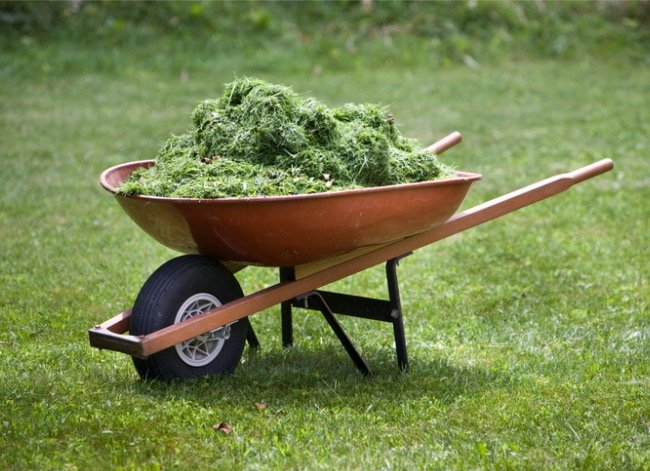

The mower stops, the yard looks respectable again, and then comes the question nobody puts on a lawn-care calendar: What should you do with the pile of grass clippings? Bagging them may feel tidy, but it is often the least useful option. Those green scraps contain water, nitrogen, potassium, phosphorus, and organic matter that can go right back to work in your landscape.
For most healthy lawns, the simplest answer is also the best: leave short clippings where they fall. This practice, commonly called grasscycling, saves time, reduces yard waste, and returns nutrients to the soil. When leaving clippings is not practical, they can become compost, garden mulch, or part of a local organics collection program. The trick is matching the method to the condition of the lawn and the clippings.
The Best Default: Leave Grass Clippings on the Lawn
Short, evenly scattered clippings break down quickly because they contain a great deal of moisture and have a large surface area. They settle between grass blades, where soil organisms gradually convert them into nutrients and organic matter. In other words, the lawn can recycle its own lunch instead of sending it to the curb in a plastic bag.
Returning clippings may supply a meaningful portion of a lawn’s yearly nutrient needs. It will not eliminate every fertilizer application on every property, but it can reduce the amount required, especially when soil testing and sensible mowing are already part of the maintenance routine.
Grass Clippings Do Not Normally Cause Thatch
One of the most persistent lawn myths is that grass clippings create thatch. Thatch is mainly a stubborn layer of slowly decomposing stems, roots, crowns, and other fibrous plant tissue. Tender leaf clippings are mostly water and decompose much faster. Under ordinary mowing conditions, they do not build a tiny green mattress that suffocates the lawn.
Clippings can still cause a temporary problem when they are long, wet, or deposited in heavy windrows. Thick piles may block light and air, trapping moisture against the turf. That is not classic thatch; it is simply too much material in one place.
How to Grasscycle Without Making a Mess
Follow the One-Third Rule
Never remove more than about one-third of the grass blade in a single mowing. If the target height is 3 inches, mow before the lawn grows much beyond 4.5 inches. This reduces stress on the plants and produces small clippings that disappear into the turf instead of sitting on top like damp confetti.
During rapid spring growth, mowing may be necessary more often than the calendar suggests. Grass does not care that Saturday is your official mowing day. It will grow on Wednesday out of pure disrespect.
Mow When the Grass Is Dry
Dry blades cut more cleanly and spread more evenly. Wet grass tends to fold, tear, clog the mower deck, and form dense clumps. If mowing cannot be postponed, raise the deck, move slowly, and rake or redistribute any heavy deposits afterward.
Keep the Mower Blade Sharp
A sharp blade makes clean cuts that heal faster. A dull blade shreds leaf tips, leaving a ragged, brown appearance and increasing plant stress. Sharpening frequency depends on lawn size and mowing conditions, but checking the blade several times during the growing season is a sensible habit.
Use the Right Discharge Setup
A mulching mower is helpful because it recuts clippings into smaller pieces, but it is not mandatory. A standard side-discharge mower can also grasscycle effectively when the lawn is mowed frequently. Direct the discharge toward the uncut area on the first pass, then vary the mowing pattern to distribute material rather than building rows.
When Should Grass Clippings Be Collected?
Leaving clippings is the default, not an unbreakable commandment. Collection makes sense in several situations:
- The lawn became overgrown. Long clippings may smother healthy turf unless they are chopped again, spread out, or removed.
- The grass is wet and clumping. Heavy mats should be broken apart or collected.
- Weeds have mature seed heads. Removing those clippings may reduce the number of seeds redistributed around the property.
- The lawn was recently treated. Herbicide restrictions vary. Read the product label before composting or using clippings around flowers, vegetables, shrubs, or trees.
- A serious turf disease is being managed. Clipping removal is not automatically required for every lawn disease, but it may be part of a diagnosis-specific sanitation plan.
- Clippings landed on pavement. Sweep or blow them back onto the lawn rather than leaving them in streets, gutters, or storm drains.
Option 2: Compost the Grass Clippings
Grass clippings are a nitrogen-rich “green” compost ingredient. They pair especially well with carbon-rich “brown” materials such as dry leaves, shredded untreated cardboard, small twigs, straw, or wood chips. A practical starting point is roughly three containers of browns for every one container of fresh clippings by volume.
A pile made almost entirely of wet grass often collapses into an airless, slimy mass that smells like a forgotten gym bag. Avoid that fate by mixing clippings thoroughly rather than adding them as a thick green layer. The pile should feel about as damp as a wrung-out sponge, not like soup.
A Simple Grass-Clipping Compost Method
- Build a base of coarse brown material to improve airflow.
- Add a thin layer of grass clippings.
- Mix in two or three times as much dry brown material.
- Moisten dry ingredients lightly if necessary.
- Turn the pile periodically to restore oxygen and combine unmixed pockets.
- Add more browns if the pile smells sour or feels slimy.
Finished compost should be dark, crumbly, and earthy-smelling, with few recognizable ingredients. Use it as a soil amendment, spread a thin layer over the lawn, or blend it into garden beds. Compost improves soil structure and water management while keeping organic material out of the waste stream.
Do Not Ignore Lawn-Chemical Labels
Clippings from treated turf require caution. Some herbicide labels prohibit using treated clippings as mulch or compost for a specified period. Broadleaf herbicide residues can injure sensitive garden plants, including tomatoes, beans, peas, and many ornamentals.
Waiting recommendations sometimes refer to a certain number of mowings, but the actual product label is the controlling instruction. When the treatment history is unknown, keep the material away from edible and ornamental beds.
Option 3: Use Dried Clippings as Garden Mulch
Grass-clipping mulch can suppress weeds, reduce evaporation, soften the impact of rain, and return organic matter to the soil as it decomposes. It works well around vegetables, annual flowers, and established shrubs when used correctly.
Let fresh clippings dry before spreading them. Apply a thin layerabout 1 inch at firstand allow it to dry before adding more. The total layer can gradually reach roughly 1 to 2 inches, but it should remain loose enough for water and air to pass through. Keep mulch a few inches away from plant stems and tree trunks to discourage rot and pests.
Avoid clippings that contain mature weed seeds, visible contamination, pet waste, or herbicide residues that the label says should not enter compost or planting beds. Also avoid dumping one thick load around plants. Fresh grass packed 4 inches deep can heat, mat, smell, and shed water instead of conserving it.
Option 4: Use Clippings in a Managed Garden Project
Clippings can serve as one ingredient in sheet mulching, trench composting, or the lower layers of a new raised bed, but they should never be the only ingredient. Mix modest amounts with leaves, shredded cardboard, finished compost, and coarse plant material. A diverse mixture maintains air spaces and reduces the risk of a dense anaerobic layer.
For an active garden bed, partially composted material is safer than a deep layer of fresh clippings. Fresh grass changes rapidly as it decomposes and can temporarily create excess heat or unpleasant odors. Think of it as a supporting actor, not the entire cast.
Option 5: Use Municipal Yard-Waste or Organics Collection
When home reuse is not possible, check local rules for curbside yard-waste pickup, community composting, or organics drop-off. Some communities prohibit grass clippings in ordinary trash, while others require paper yard bags, reusable containers, or scheduled collection days.
Never sweep or blow clippings into the street. Storm drains often carry runoff directly to creeks, ponds, rivers, or coastal waters. Decaying grass can contribute nutrients to waterways, clog drainage structures, create slippery pavement, and worsen local flooding. The lawn may be green, but the storm drain is not a compost bin.
What Not to Do With Grass Clippings
- Do not burn them. Wet clippings smoke, and outdoor-burning rules may prohibit the practice.
- Do not dump them in woods, vacant lots, or drainage areas. “Natural” material can still smother native plants, spread weeds, and violate dumping laws.
- Do not seal wet clippings in plastic for long periods. They quickly become anaerobic, foul-smelling, and unpleasant to handle.
- Do not place unknown treated clippings around food crops. Confirm the lawn’s chemical history first.
- Do not leave thick clumps on turf. Redistribute, remow, rake, compost, or collect them.
A Fast Decision Guide
Clippings are short, dry, and evenly dispersed: Leave them on the lawn.
Clippings are long but clean: Mow over them again, spread them out, compost them, or dry them for mulch.
Clippings are wet and matted: Rake them up and mix them with plenty of dry compost material.
The lawn contains mature weeds: Hot-compost carefully if the pile reliably reaches weed-seed-killing temperatures; otherwise use an approved local collection service.
The lawn was treated: Follow the pesticide label before moving clippings off the treated area.
You have no compost pile or garden: Use municipal yard-waste collection rather than ordinary dumping.
How Grass Clippings Affect Lawn Fertilization
Grasscycling does not mean fertilizer becomes unnecessary overnight. Soil type, turf species, rainfall, irrigation, sunlight, and previous fertilization all affect nutrient demand. However, returning clippings keeps nutrients already absorbed by the grass within the lawn system.
A soil test is the best way to avoid guessing. It can reveal whether the lawn needs nitrogen, phosphorus, potassium, lime, or no additional treatment at all. Combining test-based fertilization with grasscycling is generally more efficient than repeatedly applying a complete fertilizer because the calendar says it is time.
Homeowners should also avoid assuming that more fertilizer will make clippings disappear faster. Excess nitrogen can accelerate top growth, forcing more frequent mowing and creating larger volumes of clippings. The result is a lawn that demands constant attention while becoming more vulnerable to certain diseases and environmental stress.
Seasonal Strategies for Managing Clippings
Spring
Spring is usually the most challenging grasscycling season because growth can be rapid and unpredictable. Mow frequently, avoid cutting immediately after heavy rain, and consider raising the mowing height slightly if the lawn repeatedly becomes overgrown between sessions.
Summer
During heat or drought, many lawns grow more slowly. Keep the mowing height appropriate for the turf type and leave small clippings in place. Taller grass generally shades the soil better and supports deeper roots than a closely shaved lawn.
Fall
Fall clippings can be combined with shredded leaves directly on the lawn or in a compost pile. Running the mower over a light layer of leaves chops them into smaller pieces, helping them settle into the turf. When leaves are too deep to see the grass beneath them, remove some for composting rather than forcing the mower through a leafy blanket.
Frequently Asked Questions
Can I put fresh grass clippings around trees?
Yes, but allow them to dry and apply them in thin layers. Keep the mulch several inches away from the trunk. Piling wet grass against bark can trap moisture and contribute to decay.
Can grass clippings kill garden plants?
Untreated clippings used correctly are generally beneficial. Problems arise when fresh grass is applied too thickly, when it contains weed seeds, or when herbicide residues are present. Always check treatment labels before using clippings in garden beds.
How long do grass clippings take to decompose?
Small clippings left on a healthy lawn can begin disappearing within days and often break down rapidly under warm, moist conditions. Thick piles take much longer because they mat together and lose oxygen.
Should I bag clippings if my lawn has fungus?
Not automatically. Many turf diseases are not controlled simply by collecting clippings. Proper diagnosis, irrigation timing, mowing height, airflow, and fertilizer management may be more important. Follow recommendations for the specific disease rather than assuming every discolored patch requires bagging.
Can I use clippings as animal feed?
Fresh mower clippings should not be casually fed to livestock or pets. Cut grass can ferment quickly, may contain toxic plants or chemical residues, and can be consumed too rapidly. Use established feeding practices and veterinary or agricultural guidance instead.
Real-World Experience: What a Season of Reusing Clippings Can Teach You
The first time many homeowners stop bagging grass, they expect the lawn to look unfinished. That concern is understandable. A bagger leaves sharp stripes and a spotless surface, while a poorly timed grasscycling session can leave green ropes across the yard. The surprising lesson is that the difference usually comes down to mowing frequency, not whether a bag is attached.
Consider a typical cool-season lawn during spring. Rain arrives, temperatures rise, and the turf suddenly grows as though it has signed a sponsorship deal with a fertilizer company. Waiting seven full days between cuts may mean removing half the blade height. The resulting clippings are too long to vanish.
Mowing every four or five days for a few weeks, while following the one-third rule, produces much smaller pieces. Within a day or two, they are difficult to see. When the grass gets ahead of the schedule, raising the mower for the first cut and returning a few days later is gentler than chopping the lawn down to its normal height in one dramatic operation.
Another practical lesson appears during summer. Growth slows, and leaving clippings becomes almost effortless. The mower bag no longer needs to be emptied repeatedly, the job takes less time, and fewer heavy loads must be dragged to the curb. On a medium-size suburban lawn, removing the bag can turn mowing from a stop-and-start chore into one continuous pass.
Composting teaches a different lesson: grass needs company. A homeowner who empties several mower bags into one heap may discover a hot, glossy, sour-smelling block a few days later. Mixing each load with dry leaves changes the result dramatically. The pile remains fluffier, heats more evenly, and is easier to turn.
Storing fall leaves in a simple wire bin provides a ready supply of browns for the following mowing season. That small bit of planning solves the classic “too much grass, not enough carbon” problem. Shredded cardboard can help in an emergency, but dry leaves are easier to mix and usually available at no cost.
Using clippings as mulch also rewards restraint. A thin, dried layer around tomatoes can reduce soil splash and slow weed growth. A thick layer of fresh grass, however, may mat together and smell. Applying about an inch, letting it dry, and adding another thin layer later is slower but far more reliable. Keeping the material away from stems prevents a wet collar from forming around the plants.
A vegetable gardener may notice that grass mulch shrinks rapidly. This is normal. Unlike bark chips, grass decomposes quickly and may need several light applications during the season. That rapid breakdown is useful because it returns organic matter to the bed, but it also means the mulch should be viewed as a renewable layer rather than a once-a-year installation.
The final lesson is to pay attention to where the mower throws debris. Clippings scattered on a sidewalk are easy to ignore after an hour of yard work, but a quick sweep back onto the lawn takes less than a minute. It improves curb appeal, keeps the pavement safer, and prevents the next rain from carrying organic matter into a storm drain.
After a full season, the most noticeable benefit may not be a miraculous emerald lawn. It is the disappearance of unnecessary work. There are fewer bags to buy, fill, lift, and haul. Fertilizer needs may decline. Compost ingredients become available for free. The landscape begins functioning as a small recycling system, and the mower stops acting like a machine designed to manufacture trash.
Conclusion
For most mowing sessions, the best thing to do with grass clippings is nothing at all: leave short, dry pieces on the lawn and let them decompose. When clippings are too heavy to remain in place, compost them with plenty of brown material or use dried layers as mulch. Collect them only when conditionssuch as excessive growth, mature weed seeds, treatment restrictions, or heavy mattingmake reuse on the lawn impractical.
Grass clippings are not automatically waste. Managed correctly, they are fertilizer, mulch, compost feedstock, and saved labor disguised as mower debris. The smartest lawn-care routine is not the one that produces the most bags; it is the one that keeps useful material working on the property.
Note: Always follow pesticide labels and local yard-waste regulations. Product restrictions and municipal collection rules can differ by location.


