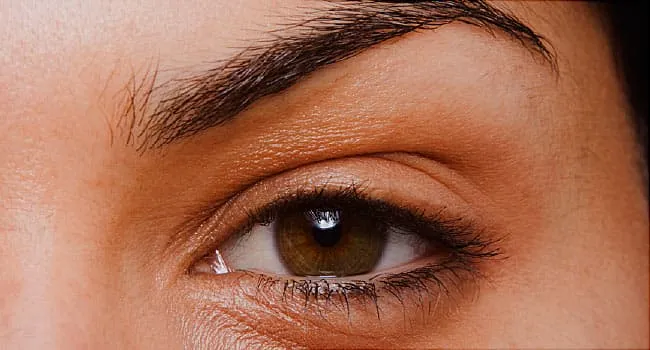

Your eyes do more than help you spot your keys, admire a sunset, or side-eye someone who says they “forgot” to reply. They can also reveal clues about your overall health. Because the eye contains tiny blood vessels, nerves, connective tissue, and a clear view into the retina, it can sometimes show early signs of conditions that affect the whole body.
That does not mean every twitch, floater, or red spot is a disaster wearing sunglasses. Many eye symptoms are harmless or temporary. Dry eyes after a long day on screens? Common. A little redness after swimming? Often temporary. But some eye changes deserve attention because they may point to diabetes, high blood pressure, cholesterol issues, liver problems, autoimmune inflammation, infection, or neurological warning signs.
So, what do your eyes say about your health? Quite a lot, actually. They may whisper, “Drink more water,” murmur, “Please stop staring at spreadsheets for six hours,” or occasionally shout, “Call a doctor.” This guide breaks down the most important eye signs, what they may mean, and when to seek professional care.
Why the Eyes Can Reveal So Much About Your Body
The eyes are uniquely revealing because doctors can examine parts of your blood vessels and nervous system without surgery. During a comprehensive dilated eye exam, an eye care professional can look at the retina, optic nerve, macula, and tiny blood vessels at the back of the eye. These structures can reflect changes related to circulation, inflammation, blood sugar, blood pressure, and nerve health.
Think of your eyes like the body’s high-definition dashboard. When something changes under the hood, the dashboard may light up first. You still need a trained professional to interpret the signal, but the eyes can provide useful clues long before symptoms become obvious elsewhere.
Blurry Vision: A Common Symptom With Many Possible Messages
Blurry vision is one of the most common eye complaints, and it can mean many things. Sometimes the answer is simple: you need updated glasses, your contact lenses are dry, or your eyes are tired from screen use. But persistent or fluctuating blurry vision may also be linked to broader health issues.
Blood Sugar Changes
When blood sugar rises or falls, fluid levels in the eye can shift. This may temporarily change the shape of the lens, causing vision to move in and out of focus. A person might notice that their vision is clear one day and strangely foggy the next. This kind of fluctuation can happen with diabetes or prediabetes, especially when blood sugar is not well controlled.
Diabetes can also damage the small blood vessels in the retina, leading to diabetic retinopathy. In early stages, diabetic eye disease may cause no symptoms at all. Later, it can lead to blurred vision, floaters, dark areas, or vision loss. That is why regular dilated eye exams are so important for people with diabetes.
High Blood Pressure
High blood pressure can damage small blood vessels throughout the body, including those in the eyes. Over time, the retinal vessels may narrow, leak, bleed, or show other changes. In many cases, people do not notice symptoms early. An eye exam may reveal signs of hypertensive retinopathy before a person realizes their blood pressure is affecting their organs.
If blurry vision appears suddenly, especially with headache, weakness, confusion, chest pain, trouble speaking, or dizziness, it should be treated as urgent. Sudden vision changes can be connected to serious conditions that need immediate medical evaluation.
Yellow Eyes: A Clue That Should Not Be Ignored
When the whites of the eyes turn yellow, the change is often related to jaundice. Jaundice happens when bilirubin, a yellow substance produced during the breakdown of red blood cells, builds up in the body. The liver normally helps process bilirubin, so yellow eyes may point to issues involving the liver, gallbladder, bile ducts, pancreas, blood disorders, infections, or medication reactions.
Yellow eyes are not something to brush off as “maybe bad lighting.” If the whites of the eyes look yellow, especially with dark urine, pale stools, abdominal pain, fatigue, nausea, fever, or yellowing skin, medical evaluation is important. The cause may be mild in some cases, but it can also be serious and needs proper testing.
Red Eyes: Irritation, Infection, Allergy, or Something More?
Red eyes are extremely common. Allergies, dry air, smoke, chlorine, contact lens irritation, lack of sleep, and staring at screens can all make eyes look like they just attended a drama-filled family reunion. Often, redness improves with rest, artificial tears, allergy control, or removing the irritant.
But red eyes can also signal infection, inflammation, injury, or elevated eye pressure. Conjunctivitis, often called pink eye, can cause redness, discharge, itching, and tearing. Dry eye can cause burning, stinging, gritty feelings, and reflex watering. Blepharitis, or eyelid inflammation, may cause crusting and irritation around the lashes.
When Red Eyes Need Prompt Care
Seek medical help quickly if red eye comes with eye pain, light sensitivity, sudden vision changes, severe headache, nausea, vomiting, chemical exposure, trauma, swelling around the eye, or halos around lights. These symptoms can point to conditions that require urgent care, including serious inflammation, corneal injury, infection, or acute glaucoma.
Floaters and Flashes: Tiny Specks, Big Warning Potential
Floaters are spots, strings, cobweb-like shapes, or shadowy specks that drift across your vision. They are often caused by age-related changes in the vitreous, the gel-like substance inside the eye. For many people, a few stable floaters are annoying but harmlesslike visual dust bunnies that refuse to move out.
However, sudden new floaters, flashes of light, or a curtain-like shadow over part of your vision can be warning signs of a retinal tear or retinal detachment. These conditions need urgent eye care because fast treatment can help protect vision.
Floaters can also occur with bleeding or inflammation inside the eye. People with diabetes, eye injury, severe nearsightedness, or a history of eye surgery may have a higher risk of serious causes. The key is change: new, sudden, numerous, or worsening floaters deserve a professional exam.
Dark Spots, Wavy Lines, or Missing Areas in Vision
If straight lines look wavy, faces seem distorted, or the center of your vision has a blurry or dark spot, the macula may be involved. The macula is the central part of the retina that helps with reading, driving, recognizing faces, and seeing fine detail.
Macular problems can be linked to age-related macular degeneration, diabetic macular edema, retinal swelling, or other retinal diseases. These symptoms should not be ignored, especially if they affect one eye more than the other. A simple example: if bathroom tiles suddenly look bent, or text appears warped on a phone screen, schedule an eye exam promptly.
Dry Eyes: More Than Just Screen Fatigue
Dry eye is incredibly common in modern life. Screens reduce blinking. Air conditioning dries the tear film. Long workdays turn normal eyes into tiny desert landscapes. Symptoms can include burning, stinging, redness, watery eyes, blurry vision, light sensitivity, and the feeling that something is stuck in the eye.
While dry eye is often related to environment or screen habits, it can also be associated with medications, hormonal changes, autoimmune conditions, eyelid inflammation, contact lens wear, or certain health conditions. For example, autoimmune diseases can affect tear production and cause chronic dryness.
Practical Ways to Support Dry Eyes
Helpful habits include blinking more often during screen time, using preservative-free artificial tears, taking regular screen breaks, staying hydrated, cleaning eyelids gently when recommended, avoiding smoke, and using a humidifier in dry rooms. If symptoms persist, an eye care professional can check tear quality, eyelid health, and underlying causes.
Bulging Eyes or Eyelid Changes
Eyes that appear unusually prominent, bulging, or pushed forward can sometimes be related to thyroid eye disease, especially in people with Graves’ disease. Other symptoms may include eyelid retraction, pressure, double vision, dryness, redness, or a gritty feeling.
Drooping eyelids can have many causes, from age-related changes to nerve or muscle issues. A suddenly drooping eyelid, especially with double vision, unequal pupils, weakness, or trouble speaking, requires urgent medical evaluation. A slow, gradual eyelid change may still deserve a checkup, but sudden neurological symptoms should never be treated casually.
Rings Around the Cornea and Yellow Eyelid Patches
A gray, white, or bluish ring around the outer edge of the cornea is called corneal arcus. In older adults, it can be a normal age-related finding. In younger people, it may be associated with high cholesterol or lipid disorders and may prompt a clinician to recommend a lipid panel.
Yellowish, flat or raised patches on or around the eyelids may be xanthelasma, which can be linked to abnormal cholesterol or triglyceride levels. These patches are usually not dangerous to the eye itself, but they may be a visible clue that a cardiovascular risk check is worthwhile. In other words, your eyelids may be politely asking for a cholesterol test.
Puffy Eyes and Under-Eye Swelling
Puffy eyes are often harmless and temporary. Salt-heavy meals, poor sleep, allergies, crying, dehydration, alcohol, and natural aging can all contribute to swelling around the eyes. The skin in this area is thin, so fluid changes show up easily.
However, persistent swelling can sometimes be related to allergies, sinus issues, thyroid disease, kidney problems, skin conditions, or medication side effects. If swelling is severe, one-sided, painful, associated with fever, or accompanied by vision changes, it should be evaluated promptly.
Eye Pain: A Symptom Worth Respecting
Eye pain is not something to tough out with heroic squinting. Mild irritation from dryness or a tiny eyelash may pass quickly, but deep pain, sharp pain, pain with light sensitivity, or pain with vision changes deserves attention.
Possible causes include corneal abrasion, infection, inflammation inside the eye, acute glaucoma, migraine-related symptoms, sinus problems, or trauma. Contact lens wearers should be especially careful because infections can progress quickly. If you wear contacts and develop eye pain, redness, discharge, or blurred vision, remove the lenses and seek professional guidance.
What Your Pupils Can Reveal
Pupils normally change size in response to light. They get smaller in bright light and larger in dim light. Unequal pupil sizes can be normal for some people, especially if long-standing and mild. But a sudden difference in pupil size, especially with headache, eye pain, drooping eyelid, double vision, confusion, or weakness, can be serious.
Pupil changes can relate to medications, eye injury, nerve problems, migraine, or neurological conditions. Because the possibilities range from harmless to urgent, sudden pupil changes should be checked rather than guessed at in the mirror.
Eye Exams: Not Just “Which Is Better, One or Two?”
Many people think an eye exam is only about getting glasses or contacts. That is part of it, but a comprehensive eye exam can evaluate much more. Depending on your age, symptoms, risk factors, and medical history, an eye care professional may check visual acuity, eye pressure, eye muscle movement, peripheral vision, the front structures of the eye, and the retina through dilation or imaging.
Regular exams are especially important for people with diabetes, high blood pressure, a family history of glaucoma, autoimmune disease, previous eye injury, high nearsightedness, or long-term steroid use. Eye disease often develops quietly. Waiting until vision changes can mean the condition is already advanced.
Healthy Habits That Support Your Eyes and Your Whole Body
Eye health is connected to whole-body health, so the basics matter. Manage blood pressure, blood sugar, and cholesterol with the help of a healthcare provider. Eat a balanced diet with leafy greens, colorful vegetables, fruits, protein, and healthy fats. Wear sunglasses that block UV rays. Use protective eyewear for sports, tools, chemicals, and yard work. Do not sleep in contact lenses unless specifically approved by your eye care professional.
For screen-heavy days, try the 20-20-20 rule: every 20 minutes, look about 20 feet away for 20 seconds. It will not turn you into a superhero, but it can reduce eye strain. Also, blink intentionally. Humans blink less when staring at screens, apparently because email has hypnotic powers.
When to Seek Urgent Eye Care
Some eye symptoms should be treated as urgent. These include sudden vision loss, sudden double vision, new flashes of light, a curtain or shadow over vision, severe eye pain, chemical injury, eye trauma, sudden halos around lights, red eye with vision change, sudden pupil changes, or vision symptoms with weakness, confusion, trouble speaking, or severe headache.
When in doubt, it is better to call an eye care professional or urgent medical service than to wait and hope. Eyes are small, but the stakes can be big.
Experience-Based Insights: What People Often Notice Before They Take Eye Health Seriously
Many people do not think about their eyes until something becomes inconvenient. That is human nature. We ignore tiny clues until they start interrupting everyday life. A person may dismiss blurry vision as tiredness, blame red eyes on a late night, or assume floaters are just “one of those things.” Sometimes that is true. Other times, the eyes are trying to report a bigger story.
One common experience is fluctuating vision. Someone may notice that their phone screen looks sharp in the morning but blurry after lunch. They may clean their glasses three times, adjust the brightness, and accuse the phone of being dramatic. But if the blur comes and goes repeatedly, especially with thirst, fatigue, frequent urination, or a family history of diabetes, it becomes a clue worth checking. Many people first take blood sugar seriously only after their vision becomes unpredictable.
Another familiar scenario is the “red eye that will not quit.” A person buys over-the-counter drops, uses them for a few days, and expects instant peace. But the redness keeps coming back, or the eye starts hurting, or light becomes uncomfortable. That is when the situation changes from casual irritation to something that needs professional attention. Persistent redness can be dry eye, allergy, infection, inflammation, contact lens trouble, or something more serious. The experience teaches a simple lesson: if an eye problem does not behave like a minor problem, do not keep treating it like one.
Floaters create a different kind of anxiety. A few tiny specks drifting around can be normal, especially with aging. But people often remember the moment they suddenly see a burst of new floaters or flashes. It can feel like someone shook a snow globe inside the eye. That sudden change matters. Many eye care professionals hear the same story: “I thought it would go away, but then I saw flashes.” The safer move is to get checked quickly, because retinal problems are time-sensitive.
There is also the experience of noticing yellow eyes. Unlike mild redness, yellowing of the whites of the eyes is hard to explain away. Friends or family may notice first, especially in natural light. People may say they feel tired, have darker urine, or feel discomfort in the upper abdomen. This is one of those signs where waiting rarely helps. Yellow eyes can have several causes, and proper testing is the only sensible path.
Eye exams themselves can surprise people. Someone may walk in expecting a stronger glasses prescription and leave with a recommendation to check blood pressure, blood sugar, cholesterol, or another health marker. That does not mean the eye doctor is trying to become the boss of your entire body. It means the eye can show patterns that deserve follow-up. The exam becomes less about reading tiny letters and more about connecting dots.
The biggest real-life takeaway is this: do not panic over every small eye symptom, but do not ignore changes that are sudden, persistent, painful, or connected to vision loss. Your eyes are not fortune-tellers, but they are excellent reporters. Listen when they file a complaint.
Conclusion
Your eyes can say a surprising amount about your health. Blurry vision may relate to glasses, screens, blood sugar, or retinal changes. Yellow eyes may point to bilirubin buildup and liver-related issues. Redness can be simple irritation or a sign of infection or inflammation. Floaters may be harmless, but sudden floaters and flashes can be urgent. Puffy eyes, eyelid patches, corneal rings, pupil changes, and eye pain can all provide useful clues.
The goal is not to diagnose yourself in the bathroom mirror. The goal is to notice meaningful changes and get the right care at the right time. Regular eye exams, healthy daily habits, and prompt attention to warning signs can protect both your vision and your overall well-being.


