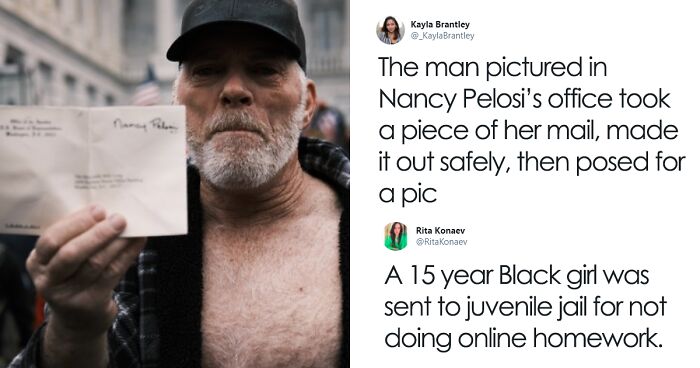
Twitter Is Comparing The Trump Mob To The BLM Protests, And Here Are 25 Of The Most Viral Tweets

Note: This article discusses the online conversation around the January 6 Capitol attack and the 2020 Black Lives Matter protests. The “tweets” below are paraphrased summaries of viral social-media reactions and common public arguments, not verbatim reproductions of individual posts.
When the pro-Trump mob stormed the U.S. Capitol on January 6, 2021, Twitter did what Twitter does best: it turned a national crisis into a fast-moving public debate, complete with outrage, screenshots, sarcasm, serious analysis, and enough side-eye to power a small city. Almost immediately, users began comparing the treatment of the Capitol rioters with the law-enforcement response to Black Lives Matter protests in 2020.
The comparison became one of the loudest online discussions of the week. People asked why peaceful racial justice demonstrators had often faced tear gas, mass arrests, curfews, riot gear, and aggressive policing, while a crowd attacking the seat of American government appeared, at least in early footage, to meet a slower and less prepared response. The question was not simply “Which event was worse?” It was bigger, sharper, and more uncomfortable: Who gets treated as a threat in America, and who gets treated as merely “angry”?
Why Twitter Compared The Capitol Mob To BLM Protests
The Black Lives Matter protests of 2020 followed the killing of George Floyd in Minneapolis and broader anger over police violence against Black Americans. Across the United States, millions marched, held signs, chanted, kneeled, organized mutual aid, documented police behavior, and demanded accountability. While many protests were peaceful, some cities also saw vandalism, looting, clashes, and property damage. The national response was intense: curfews, National Guard deployments, mass arrests, and highly visible police force.
Then came January 6. Supporters of Donald Trump, fueled by false claims that the 2020 election had been stolen, gathered in Washington, D.C. A mob breached police lines, entered the Capitol, disrupted Congress as lawmakers were certifying the Electoral College results, and sent members of Congress, staff, journalists, and workers into hiding. The images were surreal: flags inside the Capitol, broken windows, officers overwhelmed, and rioters posing for cameras in spaces most Americans only see during State of the Union broadcasts.
For many Twitter users, the contrast felt impossible to ignore. Their argument was not that every BLM protest was perfect or that every officer on January 6 acted the same way. The argument was that institutions seemed to prepare differently, describe crowds differently, and use force differently depending on who was protesting and what cause they represented.
The Core Debate: Protest, Riot, Insurrection, Or Double Standard?
Language mattered. During the summer of 2020, racial justice demonstrations were frequently described by critics as “riots,” even when specific events were peaceful. During the Capitol attack, some voices initially used softer words like “protest,” “demonstration,” or “unrest,” despite the fact that the crowd had breached a federal building during a constitutional process.
That language gap became Twitter fuel. Users argued that if Black protesters had stormed the Capitol, the response would have been far more forceful. Others pushed back, saying the two events were different in scale, geography, purpose, and security context. Still, the online conversation kept returning to one phrase: double standard.
25 Viral Tweet Themes That Captured The Online Reaction
Below are 25 paraphrased examples of the kinds of posts, arguments, jokes, and observations that spread widely across Twitter during the debate.
1. “Imagine If BLM Had Done This”
One of the most common viral reactions asked readers to imagine Black Lives Matter protesters breaking into the Capitol. The implied answer was grim: many believed the response would have been faster, heavier, and far more violent.
2. “So This Is What ‘Law And Order’ Looks Like?”
Users mocked the phrase “law and order,” pointing out that many politicians who used it against BLM protests seemed quieter when Trump supporters attacked police officers and forced their way into Congress.
3. “They Brought Riot Gear For Peaceful Marches”
Another viral theme compared images of heavily armed police facing racial justice demonstrators with scenes of Capitol rioters walking through government hallways. The visual contrast became one of the debate’s most powerful arguments.
4. “The Word You’re Looking For Is Insurrection”
Many users rejected softer language. They argued that storming the Capitol to interrupt election certification was not merely a protest; it was an attack on democratic procedure.
5. “Black Protesters Were Tear-Gassed For Less”
Posts referenced the use of tear gas, pepper spray, rubber bullets, kettling, and mass arrests during 2020 demonstrations. The point was not subtle: people saw a different threshold for force.
6. “The Selfie Was The Whole Story”
Images of rioters taking photos or appearing casual inside restricted spaces became symbols of unequal treatment. Twitter users argued that the atmosphere looked oddly relaxed compared with how BLM protests had been policed.
7. “Blue Lives Matter Until The Blue Line Blocks The Door”
Some posts criticized people who had used “Blue Lives Matter” rhetoric against racial justice protesters but then appeared to excuse a mob that injured and overwhelmed police officers.
8. “Privilege Has A Press Pass”
Writers, activists, and ordinary users argued that the Capitol mob’s treatment reflected racial and political privilege. The phrase “privilege” became central to the conversation, especially when comparing public sympathy and media tone.
9. “This Was Planned In Plain Sight”
Many viral posts focused on online warnings before January 6. Users asked why law enforcement appeared underprepared when threats and plans had circulated publicly on social platforms.
10. “Don’t Call Them Tourists”
As some defenders later tried to downplay the attack, Twitter users pushed back with footage, court records, and reminders that lawmakers had been evacuated and police had been assaulted.
11. “BLM Wanted Police Accountability; The Mob Wanted To Overturn An Election”
This was one of the clearest distinction-making arguments. Users emphasized that the goals of the two movements were fundamentally different: racial justice versus rejecting certified election results.
12. “The Curfew Energy Was Missing”
During 2020 protests, many cities imposed curfews and arrested people for violating them. Twitter users joked bitterly that the same urgent curfew energy seemed absent when rioters reached the Capitol steps.
13. “Media Framing Is Doing Gymnastics”
Some users accused news outlets of using gentler framing for the Capitol mob than for BLM protests. The joke was that certain headlines were bending over backward to avoid plain language.
14. “A Protest Is Not The Same As A Coup Attempt”
Another viral line separated constitutionally protected protest from an effort to stop a democratic transfer of power. The argument gained traction because January 6 happened during a formal congressional proceeding.
15. “They Were Inside The Building”
Many posts repeated one basic fact: the mob did not merely gather outside. People entered the Capitol, offices were breached, and the certification process was delayed.
16. “If You Called BLM A Riot, Keep That Same Energy”
This theme called out perceived hypocrisy. Users asked commentators who had condemned BLM protests to apply the same or stronger language to January 6.
17. “The Flag Photos Said Everything”
Images of Confederate flags and pro-Trump banners inside or near the Capitol became viral symbols. For many, they connected January 6 to a longer history of racial backlash and political extremism.
18. “Twitter Became The Public Evidence Board”
Users noted that rioters had posted videos, selfies, and livestreams of themselves. Social media became a public archive, a commentary engine, and in some cases a source of investigative leads.
19. “The Same People Who Said ‘Comply’ Suddenly Had Explanations”
A common post mocked the phrase “just comply,” often used in debates about police violence. Twitter users argued that some people demanded perfect behavior from Black citizens but offered nuance to Capitol rioters.
20. “This Is Why Words Matter”
Posts pointed to months of false election claims and heated rhetoric. The argument was that online language can move from posts to crowds to real-world harm.
21. “The Timeline Is Not Confusing”
Some users laid out the basic sequence: rally, march, breach, evacuation, delay, reconvening, certification. These timeline threads spread because they made the day easier to understand.
22. “Black Journalists Have Been Warning About This”
Many viral posts credited Black journalists, historians, and activists who had long warned about unequal policing, white grievance politics, and the normalization of extremist language.
23. “The Internet Never Forgets, Especially When You Livestream It”
Users joked that people committing crimes on camera had somehow forgotten that screenshots exist. Humor became a way to process shock, because apparently nothing says “bad plan” like uploading your own evidence.
24. “Accountability Should Not Depend On Politics”
Some posts tried to move beyond partisan scoring and argued that anyone who attacks police, damages public property, or threatens democratic institutions should face consequences.
25. “The Comparison Is Really About Power”
The most thoughtful viral takes argued that the debate was never only about crowd control. It was about who is feared, who is forgiven, who is overpoliced, and who is allowed to be angry in public.
What The Comparison Gets Right
The comparison between the Capitol mob and BLM protests resonated because it exposed visible differences in preparation, framing, and force. In many cities during 2020, racial justice protesters saw armored vehicles, lines of officers, chemical irritants, rubber bullets, and arrests for curfew violations. In Washington, D.C., the response to some BLM demonstrations was especially memorable because federal officers and local law enforcement were highly visible around landmarks, parks, and government buildings.
On January 6, the Capitol Police and other agencies faced a violent crowd that overwhelmed barriers and officers. Later reviews pointed to intelligence and planning failures. To the public watching live, however, the early images looked like underreaction. That perception mattered. People were not only responding to official timelines; they were responding to what they had seen with their own eyes in 2020 and what they were seeing again on January 6.
What The Comparison Can Oversimplify
At the same time, serious analysis has to admit complexity. The 2020 BLM protests happened across many cities, over many weeks, under many police departments, and in many different conditions. Some were peaceful from beginning to end. Others included confrontations, fires, looting, or clashes involving people who were not necessarily part of organized racial justice efforts.
January 6 was a single catastrophic attack on a specific federal target during a specific constitutional procedure. It had its own failures, motives, and security environment. Comparing the two events can be useful, but only if the comparison does not flatten everything into a meme. The best viral posts were not the ones saying the events were identical. They were the ones asking why American institutions seemed to assign danger differently.
Why Social Media Made The Debate Explode
Twitter was built for this kind of moment: fast, emotional, visual, argumentative, and allergic to nuance until someone starts a 37-tweet thread. The platform allowed users to place images side by side, compare headlines, resurface old statements, and challenge politicians in real time. A single screenshot could travel farther than a full editorial. A sharp sentence could become the day’s unofficial headline.
That speed had benefits and drawbacks. It helped people document events, preserve evidence, and call out hypocrisy quickly. It also made misinformation easy to spread. Not every viral claim was accurate. Not every photo had the context people assumed. But the broader discussion forced mainstream outlets, officials, and viewers to confront a question that activists had been raising for years: Is public safety enforced equally?
The Bigger Lesson About Protest And Democracy
Democracy depends on the right to protest. It also depends on accepting election results, protecting public institutions, and holding people accountable when political anger becomes violence. Those ideas are not contradictory. A country can defend peaceful protest while condemning attacks on democratic processes. In fact, it has to do both.
The BLM protests asked the nation to confront police violence, racial inequality, and the value of Black lives. The Capitol attack forced the nation to confront political extremism, election denial, and the fragility of democratic norms. Twitter’s comparison between the two was messy, emotional, funny, angry, and sometimes unfair. But it was also revealing. It showed how many Americans believe justice is not applied evenly, and how quickly public trust erodes when images seem to confirm that belief.
Experience-Based Reflection: What This Online Debate Teaches Writers, Readers, And Citizens
Writing about this topic is a reminder that the internet is not just a place where people react to history; it is now part of how history is recorded. When the Capitol attack unfolded, millions did not wait for next morning’s newspaper. They watched clips, refreshed feeds, compared sources, and argued in real time. That experience changed how people understood the event. It also changed how they remembered the BLM protests from the previous year.
For writers, the biggest lesson is to slow down without becoming boring. Fast reactions are exciting, but public events involving violence, politics, race, and law enforcement need careful language. Calling everything a “riot” erases differences. Calling everything a “protest” can soften serious wrongdoing. A strong article has to separate peaceful demonstrators from opportunistic vandals, separate ordinary voters from violent extremists, and separate emotional truth from verified fact. That is not fence-sitting. That is basic editorial hygiene, the journalism version of washing your hands before touching the salad.
For readers, the experience is about media literacy. Viral posts can be powerful, but they are not automatically complete. A tweet can reveal hypocrisy, but it can also leave out timelines, locations, and legal details. The smartest readers treat viral content as a starting point, not the finish line. They ask: Who posted this? What is the evidence? Is the image current? Is the comparison fair? What would change my mind?
For citizens, the deeper experience is more personal. Many people watched the Capitol attack and felt fear, anger, disbelief, or exhaustion. Many Black Americans and racial justice supporters also felt a painful sense of recognition: the feeling that the country had once again shown different levels of suspicion toward different groups. Whether one agrees with every viral comparison or not, that feeling cannot be dismissed with a shrug and a “Well, technically…” Technicalities matter, but so does public trust.
The online debate also shows why accountability must be consistent. If a person damages property, assaults officers, threatens lawmakers, or tries to stop a democratic process, the response should not depend on their party, race, slogan, or outfit. Equal justice is not a decorative phrase for courthouse walls. It is the operating system democracy is supposed to run on. When citizens think the system has different settings for different people, the whole machine starts making scary noises.
Finally, this topic teaches that humor and seriousness can coexist. Twitter jokes about bad disguises, livestreamed evidence, and headline gymnastics helped people process a disturbing moment. But beneath the jokes was a serious demand: name things accurately, apply standards consistently, and do not pretend everyone experiences state power the same way. That is why the comparison between the Trump mob and BLM protests went viral. It was not just about two events. It was about the American mirror, and a lot of people did not like what they saw staring back.
Conclusion
The viral Twitter comparison between the Trump mob and the BLM protests captured a national argument about policing, race, political violence, media framing, and democratic accountability. The strongest posts did not simply ask people to pick a side. They asked Americans to notice patterns: who gets met with force, who gets described with sympathy, who is labeled dangerous, and who is allowed to claim patriotism after causing chaos.
Years later, the debate still matters because the questions behind it remain unresolved. A healthy democracy needs peaceful protest, honest elections, equal policing, and responsible speech from leaders and citizens alike. Twitter did not solve those problems in 25 viral posts. But it did what public conversation sometimes does best: it made the double standard impossible to ignore.


