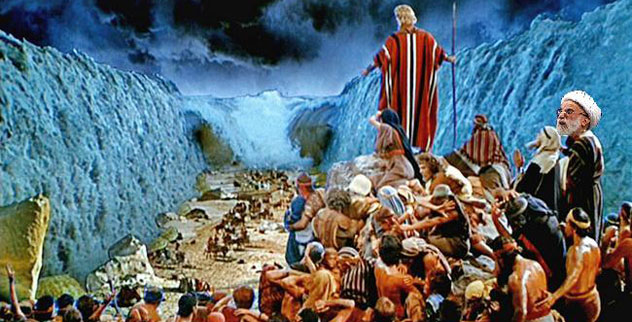

The Bible is not a quiet library where every book whispers politely and asks whether you would like tea. Some books thunder. Some burn. Some walk into the room wearing prophetic sandals, point at corruption, and say, “We need to talk.” That is what makes the “fieriest books in the Bible” so fascinating: they are not fiery simply because they mention flames, judgment, war, or apocalyptic visions. They are fiery because they confront human pride, injustice, spiritual laziness, and the very old habit of pretending everything is fine while the moral house is clearly smoking.
In this guide, “fiery” means a combination of intense imagery, bold warnings, dramatic visions, passionate calls to repentance, and unforgettable scenes where God’s holiness is pictured as fire, thunder, purification, or blazing justice. These books are not included to scare readers for sport. The Bible is not a haunted house with footnotes. Instead, these books use fire as a symbol of truth, cleansing, accountability, and hope after judgment.
Below are the top 10 fieriest books in the Bible, ranked by their intensity, theological heat, memorable imagery, and lasting influence on how readers understand divine justice, repentance, courage, and restoration.
What Makes a Bible Book “Fiery”?
A fiery biblical book usually has three ingredients. First, it contains vivid language: flames, storms, furnaces, swords, collapsing kingdoms, or heavenly visions. Second, it delivers moral urgency. These books do not merely say, “Consider improving your behavior at your earliest convenience.” They say, “Turn around before the wheels come off.” Third, they pair judgment with hope. In Scripture, fire often burns away what is false so that something faithful can remain.
That balance matters. Without hope, judgment becomes despair. Without judgment, hope becomes cheap optimism wearing a party hat. The fiercest books in the Bible hold both together: the fire that exposes and the fire that refines.
1. Revelation: The Bible’s Apocalyptic Bonfire
Why It Is Fiery
If the Bible had a final cinematic trailer, the Book of Revelation would be it. It is filled with visions, symbols, heavenly worship, beasts, seals, trumpets, bowls, a lake of fire, and the final defeat of evil. Revelation is the only New Testament book commonly classified as apocalyptic literature, and it uses symbolic language to reveal that history is not random chaos. God is still sovereign, even when empires flex like they own the place.
Revelation is fiery because it shows spiritual conflict on a cosmic scale. The book speaks to churches facing pressure, compromise, fear, and persecution. Its message is not merely “the future will be dramatic.” It is “stay faithful when the present looks terrifying.”
Key Fiery Moment
The letters to the seven churches in Revelation 2–3 are surprisingly practical. Before the dragons and cosmic drama arrive, Jesus confronts real congregations about love, endurance, false teaching, complacency, and courage. In other words, Revelation starts by turning the spotlight on the reader. Rude? Maybe. Necessary? Absolutely.
Revelation’s fire is the fire of unveiling. It strips away illusions and asks whether worship belongs to God or to the loudest empire in the room.
2. Ezekiel: Wheels, Fire, Exile, and Holy Shock
Why It Is Fiery
Ezekiel opens with one of the most intense visions in Scripture: a stormy appearance of divine glory, living creatures, wheels within wheels, and brightness like fire. Ezekiel was a priest and prophet among the exiles in Babylon, and his message is deeply connected to loss, judgment, and restoration. Jerusalem had fallen spiritually before it fell politically, and Ezekiel explains why exile happened while also insisting that God’s presence was not trapped in a ruined temple.
This book is fiery because it refuses shallow comfort. Ezekiel does not pat the exiles on the head and say, “There, there, history is complicated.” He exposes idolatry, injustice, and spiritual corruption. Then, in a stunning turn, he gives some of the Bible’s most powerful restoration images: a new heart, a new spirit, dry bones coming to life, and a renewed temple vision.
Key Fiery Moment
Ezekiel 37, the valley of dry bones, is not fiery in the “flames everywhere” sense, but it burns with hope. A nation that looks finished is reanimated by the breath of God. It is one of the Bible’s clearest reminders that judgment is not God’s final word.
3. Jeremiah: The Prophet Who Could Not Keep Quiet
Why It Is Fiery
Jeremiah is emotionally volcanic. Called to warn Judah before Jerusalem’s fall, Jeremiah speaks against empty religion, political arrogance, injustice, and covenant unfaithfulness. He is often called the “weeping prophet,” but do not let that nickname fool you. Jeremiah’s tears are not weakness; they are moral clarity with a pulse.
One of Jeremiah’s most famous images is the word of God as fire. His message burns within him, and even when he wants to stop speaking, he cannot. That makes Jeremiah one of the fiercest books in the Bible not because it enjoys doom, but because it shows how painful truth-telling can be when people prefer comforting lies with decorative pillows.
Key Fiery Moment
Jeremiah’s temple sermon challenges the people’s assumption that religious buildings can protect them while they ignore justice. The message is painfully relevant: sacred language cannot cover an unsacred life.
4. Isaiah: Judgment, Hope, and Burning Holiness
Why It Is Fiery
Isaiah is a mountain range of prophecy. It stretches from sharp accusations against Judah’s rebellion to majestic visions of peace, restoration, and the coming servant of the Lord. The book begins with a courtroom-like confrontation: God’s people have turned from justice and faithfulness. Yet Isaiah also contains some of the Bible’s most beautiful promises of comfort and renewal.
Isaiah’s fire is especially clear in chapter 6, where the prophet sees the Lord enthroned, surrounded by seraphim declaring God’s holiness. A burning coal touches Isaiah’s lips, symbolizing cleansing and commissioning. That scene is peak biblical intensity. It is also a useful reminder that before Isaiah speaks fire to others, he first experiences purification himself.
Key Fiery Moment
The burning coal in Isaiah 6 captures the heart of the book: holiness exposes, cleanses, and sends. Isaiah is not merely a book of warnings; it is a book about being transformed enough to speak truth in a crooked generation.
5. Daniel: Fiery Furnace, Wild Visions, Unshakable Faith
Why It Is Fiery
Daniel earns its place on this list with one obvious scene: the fiery furnace. Shadrach, Meshach, and Abednego refuse to worship the golden image, even under threat of death. The furnace becomes a test of faith, courage, and loyalty. Their deliverance is one of the most memorable stories in the Bible, and yes, it has more heat than most church potlucks can legally provide.
But Daniel is not only fiery because of that famous story. The second half of the book contains apocalyptic visions involving beasts, kingdoms, heavenly judgment, and the triumph of God’s kingdom over violent empires. Daniel teaches readers that faithfulness under pressure matters, especially when the surrounding culture demands compromise.
Key Fiery Moment
The furnace story in Daniel 3 is not simply about rescue. It is about faith that refuses to negotiate worship. The three men trust God whether deliverance comes or not. That is not casual religion; that is spiritual steel.
6. Exodus: Plagues, Sinai Fire, and Liberation
Why It Is Fiery
Exodus is the story of God delivering Israel from slavery in Egypt and forming them into a covenant people. It contains plagues, confrontations with Pharaoh, the Passover, the Red Sea crossing, and the thunderous meeting at Mount Sinai. If Revelation is the final fireworks show, Exodus is the origin story with lightning in the background.
The fire of Exodus is the fire of liberation and covenant. God appears to Moses in the burning bush, a flame that burns without consuming. Later, Mount Sinai is wrapped in smoke and fire as God gives the law. These scenes show that divine presence is both merciful and dangerousnot dangerous like a villain, but dangerous like truth in a world addicted to denial.
Key Fiery Moment
The burning bush in Exodus 3 is one of Scripture’s most famous images. It shows God’s holiness, compassion, and mission all at once. Moses is called not to admire the flame from a safe distance, but to confront Pharaoh and lead people toward freedom.
7. Nahum: The Fire Against Oppression
Why It Is Fiery
Nahum is short, sharp, and intense. It announces judgment against Nineveh, the capital of Assyria, an empire remembered for oppression and brutality. While modern readers may find Nahum’s tone severe, its theological center is not petty revenge. The book insists that God’s moral government stands against abusive power.
Nahum is fiery because it speaks to the victims of empire. It declares that cruelty does not get the final word. Powerful systems may look untouchable, but Nahum says injustice has an expiration date. That message is still relevant wherever people feel crushed by arrogant power.
Key Fiery Moment
Nahum’s opening poem presents God as patient yet just, slow to anger but not indifferent to evil. That balance is crucial. Divine patience is not divine apathy. The fire may not fall immediately, but oppression is not invisible to God.
8. Zephaniah: The Day of the Lord Turns Up the Heat
Why It Is Fiery
Zephaniah is one of the Bible’s most concentrated books of judgment and restoration. Its central theme is the “Day of the Lord,” a time when God confronts human pride, idolatry, violence, and complacency. Zephaniah warns Judah and the nations, but it also ends with a breathtaking picture of God rejoicing over a restored people.
This book is fiery because it refuses spiritual sleepwalking. Zephaniah targets people who are comfortable, careless, and convinced nothing will change. The prophet’s message is basically an alarm clock with flames painted on the side.
Key Fiery Moment
Zephaniah 3 shifts from judgment to joy. The same book that announces sweeping accountability also promises purification, humility, and restoration. The fire burns, but it burns toward renewal.
9. Malachi: The Refiner’s Fire
Why It Is Fiery
Malachi may be small, but it walks in with a blowtorch. The book addresses post-exile spiritual weariness. The temple has been rebuilt, religious routines have resumed, but the people’s hearts are dull. Priests are careless, worship is half-hearted, and social faithfulness is shaky.
The key image is the refiner’s fire. Malachi looks ahead to a messenger and a purifying work that will cleanse God’s people. This is not fire for destruction alone; it is fire for purification. Think less “campfire disaster” and more “spiritual metalwork.” The goal is not to ruin the gold but to remove what does not belong.
Key Fiery Moment
Malachi 3 uses the image of refining silver and purifying priests. The point is uncomfortable but hopeful: God loves his people too much to leave worship polluted by cynicism, dishonesty, and laziness.
10. Zechariah: Strange Visions and Future Fire
Why It Is Fiery
Zechariah is a visionary book written in the post-exile period, when returned Jews were rebuilding the temple and trying to recover hope. The book contains dream-like visions, symbolic scenes, priestly renewal, and promises about the future. It is less straightforward than some prophetic books, but its imagery is rich, strange, and spiritually charged.
Zechariah’s fire is the fire of restored imagination. After exile, the people could have settled for survival mode. Zechariah calls them to see beyond rubble, discouragement, and political weakness. God is still at work, and his kingdom purposes are moving forward even when the visible evidence looks unimpressive.
Key Fiery Moment
Zechariah’s visions challenge the people to rebuild faithfully while waiting for God’s greater restoration. The book later includes striking images of judgment, cleansing, and a future king, making it one of the Bible’s most vivid prophetic works.
Honorable Mentions: More Heat in the Biblical Library
Several other books could easily step into this fiery lineup. Deuteronomy contains covenant blessings and curses that force readers to consider the consequences of obedience and rebellion. Lamentations burns with grief after Jerusalem’s fall, showing that judgment is not an abstract doctrine but a human tragedy. Hebrews includes solemn warnings about drifting from faith, while the Gospels contain Jesus’ intense confrontations with hypocrisy and injustice.
The point is not that these books are “angry” in a shallow sense. Biblical fire is rarely one-dimensional. It can judge, guide, cleanse, reveal, and empower. Fire appears in burning bushes, altar coals, prophetic warnings, refining furnaces, and tongues at Pentecost. It is one of Scripture’s richest symbols because it can warm a home or expose a counterfeit. Context matters. So does humility.
Common Themes in the Fieriest Books of the Bible
Fire Reveals What Is Real
In these books, fire often reveals the truth. Revelation exposes the spiritual meaning behind empire and compromise. Daniel exposes the difference between genuine faith and public performance. Malachi exposes worship that looks religious but lacks reverence. Fire, in biblical imagination, is not impressed by appearances. It tests substance.
Judgment Is Connected to Justice
Modern readers sometimes hear “judgment” and imagine random anger. The prophetic books show something more morally serious. Nahum confronts oppression. Isaiah challenges injustice. Jeremiah condemns empty religion that ignores the vulnerable. Zephaniah warns against violence and pride. Biblical judgment is often God’s answer to harm that humans have normalized.
Hope Often Comes After the Heat
The fiercest books in the Bible rarely end with ashes. Ezekiel moves toward new life. Isaiah moves toward comfort and restoration. Zephaniah ends with singing. Revelation ends with a renewed creation. The fire is not the whole story; it is part of the journey from corruption to renewal.
How to Read Fiery Bible Books Without Getting Singed
First, read slowly. Fiery books are dense. They use poetry, symbol, historical background, and theological intensity. Speed-reading Revelation or Ezekiel is like trying to admire fireworks while driving past at 70 miles per hour. Technically possible, but not wise.
Second, learn the context. Many prophetic books address specific historical crises: exile, injustice, idolatry, oppression, or post-exile discouragement. Knowing the setting helps readers avoid turning every image into a guessing game.
Third, look for the movement from warning to restoration. The Bible’s fiercest books often begin with confrontation but move toward mercy. That pattern keeps readers from reducing them to either doom charts or motivational posters.
Finally, ask personal questions. Where am I complacent? Where do I confuse religious activity with faithfulness? Where do I need courage like Daniel, honesty like Jeremiah, or renewal like Ezekiel’s dry bones? Fiery books are not just ancient documents. They are mirrors, and occasionally the mirror has smoke coming off it.
Personal Experiences and Reflections on Reading the Fieriest Books in the Bible
Reading the fiercest books in the Bible can feel, at first, like walking into a room where every prophet has had three cups of coffee and no patience for nonsense. Revelation is full of symbols that refuse to sit still. Ezekiel opens with a vision so unusual that many readers quietly check whether they accidentally started in the wrong chapter. Jeremiah feels emotionally raw, like reading someone’s journal during a national crisis. Isaiah soars from courtroom accusation to poetry of comfort. Daniel moves from palace drama to apocalyptic beasts. These books are not always easy, but they are unforgettable.
One helpful experience is to read them not as “angry books” but as “urgent books.” There is a difference. Anger can be selfish, impulsive, and destructive. Biblical urgency, at its best, is rooted in love for what is good and grief over what destroys people. Jeremiah’s warnings matter because Jerusalem matters. Nahum’s intensity matters because oppression matters. Malachi’s refiner’s fire matters because worship matters. The heat is not random. It is aimed at healing what has gone wrong.
Another experience many readers have is surprise. The books that sound severe often contain some of the strongest hope. Ezekiel gives us the valley of dry bones. Isaiah gives us comfort for the weary and a vision of peace. Zephaniah ends with God rejoicing over his people. Revelation ends not with chaos but with a renewed heaven and earth. That pattern changes the way we read biblical fire. It is not only about ending evil; it is also about making room for life.
These books also challenge the modern habit of avoiding discomfort. Today, we like encouragement that arrives quickly, preferably with soft lighting and a snack. The fiery books do not always work that way. They ask hard questions first. Are we honest? Are we just? Are we faithful when pressure rises? Are we worshiping God or merely decorating our preferences with religious language? That kind of reading can sting, but it can also wake us up.
For personal study, it helps to keep a notebook and write down repeated images: fire, storm, throne, exile, return, refining, day of the Lord, new heart, kingdom, justice, restoration. Over time, patterns emerge. The Bible’s fierce books begin to feel less like scattered lightning strikes and more like one large story about God confronting evil and restoring creation. The result is not fear for fear’s sake. It is reverence, courage, and hope with backbone.
In the end, the top 10 fieriest books in the Bible are not just dramatic reading material. They are spiritual wake-up calls. They remind us that faith is not meant to be lukewarm, justice is not optional, worship is not theater, and hope is not fragile. Sometimes the soul needs comfort. Sometimes it needs correction. And sometimes, apparently, it needs a prophet with a flaming metaphor and no indoor voice.
Conclusion: Why These Fiery Books Still Matter
The fiercest books in the Bible continue to matter because they speak to realities every generation faces: corruption, fear, pride, injustice, compromise, grief, and hope. Revelation tells pressured believers that evil does not win. Ezekiel tells exiles that God can restore what looks lifeless. Jeremiah shows the cost of truth. Isaiah reveals holiness that cleanses and sends. Daniel models courage under pressure. Exodus proclaims liberation. Nahum confronts oppression. Zephaniah warns the complacent. Malachi refines tired worship. Zechariah restores imagination after devastation.
Together, these books prove that biblical fire is not merely about destruction. It is about truth. It reveals, purifies, warns, and renews. And for readers willing to sit with the heat, these books offer something stronger than easy comfort: they offer hope that has passed through the flames and come out alive.


