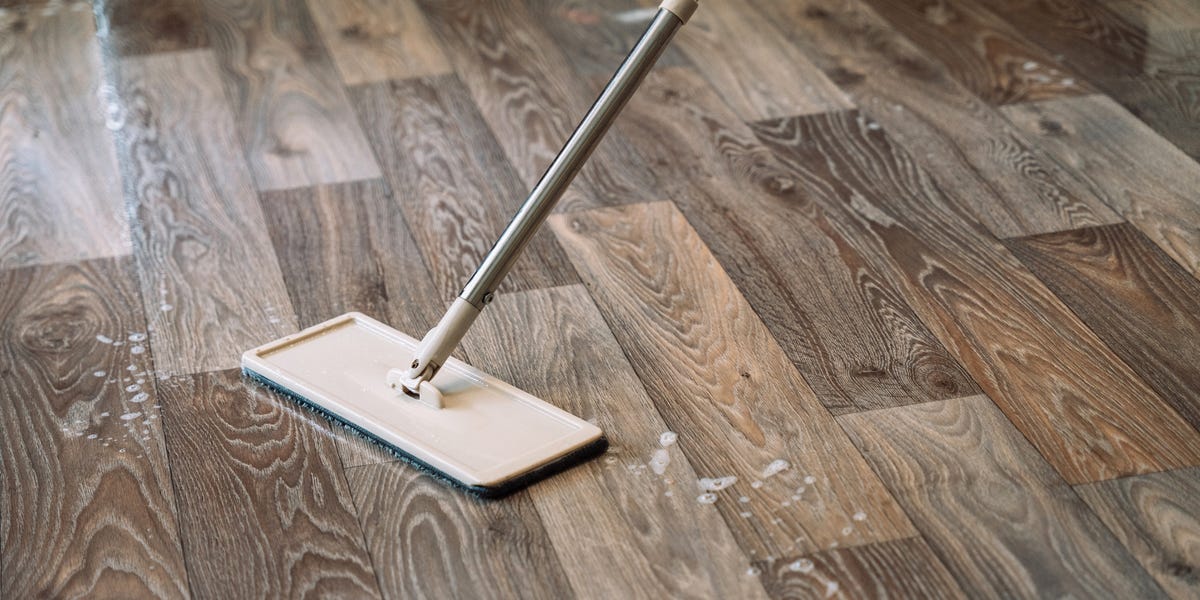

Your Swiffer may look like a simple floor-cleaning tool, but it has a secret identity. With one clean microfiber clothor a lonely fuzzy sock that has lost its partnerit becomes a reusable dust mop, wall cleaner, baseboard tool, and hard-to-reach grime hunter.
The genius Swiffer hack is wonderfully uncomplicated: replace the disposable refill with a washable microfiber cloth, tuck the fabric into the gripping holes on the mop head, and clean as usual. You can use the cloth dry to collect dust and pet hair or lightly dampen it for appropriate washable surfaces.
This little switch can eliminate the mid-cleaning discovery that you have run out of refills. It also reduces bending, minimizes trips back to the cleaning closet, and lets one lightweight tool handle several rooms. Swiffer officially describes its Sweeper as a two-in-one tool for dry sweeping and wet mopping, while cleaning experts have also recommended reusable microfiber as an alternative to disposable pads.
What Is the Genius Swiffer Hack?
The basic hack turns an ordinary microfiber cleaning cloth into a reusable Swiffer pad. Center the cloth under the rectangular mop head, pull the edges over the top, and push each corner into the Swiffer’s rubber grippers. The cloth should be smooth underneath, with enough tension to remain secure as you move the mop.
No microfiber cloth available? A clean fuzzy sock can work for light, dry dusting. Stretch it over the entire mop head like an oddly shaped shower cap. The sock hack is especially useful when you need to grab crumbs, hair, or dust quickly and have just discovered that the refill box contains nothing but disappointment.
Microfiber is generally the stronger all-purpose choice because it covers the mop head more evenly and handles both dry and damp cleaning. Good Housekeeping’s evaluation of the popular sock hack noted that a sock may cover less area and require more frequent changes, while other cleaning publications have recommended microfiber towels, old washcloths, or purpose-made washable pads.
Why This Swiffer Hack Saves So Much Time
You Do Not Have to Stop When the Refills Run Out
Nothing destroys cleaning momentum quite like an empty refill package. With a stack of reusable cloths, you can replace a dirty pad in seconds and continue working. There is no emergency shopping trip, no attempt to shake one final clean corner out of a used sheet, and no negotiation with yourself about whether the floor is “clean enough.”
One Tool Can Clean High, Low, and In Between
The flat swivel head can slide under beds, sofas, cabinets, and other furniture. Turn it vertically and it can move along baseboards, doors, and narrow wall sections. Raise the handle and it becomes a simple tool for removing dust from upper walls, crown molding, and ceiling corners.
Professional cleaning guidance frequently recommends long-handled or telescoping tools for walls and baseboards because they reduce crouching and ladder use. Real Simple suggests using a dry mop with a telescoping handle to remove wall dust and cobwebs, while Better Homes & Gardens recommends long-handled tools for cleaning baseboards without bending.
You Can Flip the Cloth Instead of Replacing It Immediately
When one section becomes dusty, rotate or flip the microfiber cloth to expose a cleaner area. A large cloth may provide several usable surfaces before it needs to be rinsed or replaced. That small habit reduces interruptions and prevents you from spreading collected dirt back across the room.
Dry and Damp Cleaning Become One Continuous Routine
Start with a dry cloth to collect loose hair, crumbs, cobwebs, and dust. Replace it with a lightly dampened cloth to handle washable smudges or appropriate hard flooring. Cleaning dry debris first prevents it from turning into muddy streaks when moisture enters the situationa scientific phenomenon also known as “making things worse.”
How to Make a Reusable Swiffer Pad
What You Need
- A Swiffer Sweeper or similar flat mop
- A clean microfiber cloth large enough to wrap around the mop head
- A spray bottle with water or a surface-compatible cleaner, if damp cleaning
- Several spare cloths for larger rooms
- Optional rubber bands or reusable clips if the cloth slips
Step 1: Choose the Right Cloth
Select a thin or medium-weight microfiber cloth that can lie flat beneath the mop. Very thick towels may bunch around the edges, making it difficult for the head to reach corners. A cloth with a slightly fuzzy texture is useful for dry dusting, while a flatter weave may move more smoothly over walls and finished floors.
Microfiber is especially useful for dusting because its fine fibers help collect and retain small particles rather than simply pushing them around. Consumer Reports has recommended microfiber cloths for dry or damp dusting and notes that they should not be drenched in cleaning solution.
Step 2: Attach It Securely
Lay the cloth flat on the floor or a table. Place the Swiffer head in the center, cleaning side down. Pull the fabric over the four corners and tuck it into the grippers on top of the mop head.
Run your hand over the bottom to remove wrinkles. Loose folds can drag, catch on furniture, or leave parts of the cleaning surface unused. If the cloth repeatedly pulls free, secure it with two rubber bands around the narrow ends of the mop head. Keep the bands away from the underside so they do not scratch delicate surfaces.
Step 3: Begin With Dry Dusting
Use the cloth completely dry for the first pass. Move through the room from top to bottom: ceiling corners, upper walls, doors, baseboards, and finally the floor. This order allows falling particles to land on surfaces you have not cleaned yet.
Use long, overlapping strokes rather than frantic back-and-forth scrubbing. Let the full width of the mop head work for you. Pay extra attention to room corners, areas behind doors, heating vents, and the strip of floor beneath cabinet edges, where dust appears to hold annual conventions.
Step 4: Flip or Change the Cloth
Inspect the pad after each room. Flip it when one side is visibly loaded with dust or hair. Replace it when the fabric stops collecting debris efficiently. Continuing with an overloaded cloth wastes time because you begin redistributing dust instead of removing it.
Step 5: Use a Lightly Damp Cloth Where Appropriate
For washable surfaces, remove the cloth and mist it lightly with water or a compatible cleaning product. Alternatively, spray a small amount of cleaner onto the floor or target area rather than saturating the fabric. Wring out any cloth that feels wet enough to drip.
Excess liquid can leave streaks, damage some finishes, and slow drying. Merry Maids advises that too much cleaning product can oversaturate microfiber and create extra work, while Bona’s floor-care guidance recommends using a pad that is only slightly damp.
Step 6: Wash the Reusable Pad
Shake loose debris into a trash can before laundering the cloth. Wash it according to its care label, preferably with other cleaning cloths rather than lint-producing bath towels. Allow it to dry completely before storing it.
Keep several clean cloths folded near the Swiffer. The hack saves the most time when the replacements are ready before you need them. A reusable pad hidden beneath three laundry baskets is not technically part of an efficient system.
The Best Places to Use This Cleaning Hack
Hard-Surface Floors
A dry microfiber pad works well for collecting dust, crumbs, and pet hair from compatible hard floors. For damp cleaning, use only a product and moisture level suitable for the flooring material.
Finished wood should be cleaned with minimal moisture and a wood-floor-compatible product. Marble, natural stone, laminate, luxury vinyl, and other surfaces may also have specific care requirements. Manufacturers of microfiber floor systems commonly distinguish between wood cleaners and cleaners intended for other hard surfaces.
Baseboards
Turn the Swiffer head so its long edge follows the molding. Use a dry cloth first, then switch to a lightly damp cloth if the baseboards are washable and visibly grimy. The long handle lets you work while standing, which is considerably more pleasant than crawling around the room like a detective investigating a dust-related crime.
Microfiber cloths are widely recommended for baseboards because they can be used dry for loose dust or damp for splatters and scuffs. Mild dish soap diluted in water is also commonly suggested for washable trim, provided the cloth is well wrung out.
Painted Walls
A dry microfiber pad can remove loose dust and cobwebs from painted walls. If you want to damp-clean marks, identify the paint finish first. Flat and matte finishes are generally more delicate than satin, semigloss, or gloss surfaces.
Test your method in an inconspicuous area. Sherwin-Williams recommends nonabrasive cleaners, mild soapy water for many painted surfaces, and a small test before cleaning the entire wall. It also cautions against using too much water and recommends waiting before washing freshly painted surfaces.
Doors, Cabinets, and Tall Trim
Use the flat head to dust the tops of doors, tall cabinet faces, and decorative molding. For greasy kitchen cabinets, the Swiffer hack is better suited to light maintenance than serious degreasing. Heavy residue often requires controlled hand-cleaning so you can see exactly where the cleaner is going.
Under Furniture
The swivel head can reach beneath sofas, beds, dressers, and low cabinets without requiring major furniture relocation. Insert it slowly, pull debris toward an open area, and finish with a vacuum if you uncover larger objects. A reusable Swiffer pad is clever, but it is not expected to swallow a missing toy, three coins, and half a cracker.
Important Mistakes to Avoid
Do Not Soak the Cloth
More water does not automatically create more cleanliness. A saturated pad may leave puddles, push dirty liquid into seams, and damage moisture-sensitive flooring or paint. Damp means the cloth feels slightly moist without dripping when squeezed.
Do Not Use One Cloth for the Entire House
Replace the pad as it becomes dirty, especially when moving between bathrooms, kitchens, and living spaces. A stack of cloths lets you assign a fresh pad to each zone and wash everything together afterward.
Do Not Scrub Delicate Paint Aggressively
The long handle increases leverage, making it easy to apply more pressure than you realize. Use gentle passes on painted walls. Stop if the cloth shows paint color, the finish becomes shiny, or the test area changes appearance.
Do Not Use Random Cleaners on Every Surface
A homemade mixture that works on bathroom tile may be wrong for hardwood, natural stone, or painted drywall. Follow the surface manufacturer’s instructions, read product labels, and never combine household cleaning chemicals unless the labels explicitly state that doing so is safe.
Do Not Start at Floor Level
Cleaning the floor before dusting walls, trim, and furniture creates repeat work. Start with the highest reachable surfaces and finish with the floor. Real Simple and professional cleaning services recommend top-down routines because particles naturally fall during cleaning.
A Fast Whole-House Swiffer Routine
- Prepare four to six cloths. Keep dry ones in one stack and damp-cleaning cloths in another.
- Dust high surfaces first. Sweep ceiling corners, upper walls, door frames, and crown molding.
- Move to vertical surfaces. Dust washable walls, doors, cabinet fronts, and baseboards.
- Clean beneath furniture. Reach under beds, sofas, dressers, and low cabinets.
- Finish the floors dry. Collect all the dust and hair that fell during the earlier steps.
- Damp-clean only where needed. Spot-clean washable surfaces rather than automatically wet-mopping every inch.
- Wash and reset. Launder the cloths and return them to the cleaning area so the system is ready for next time.
This workflow is faster because it minimizes tool changes and prevents duplicate cleaning. The Swiffer remains in your hand while the clothnot the entire cleaning setupchanges according to the task.
Is a Microfiber Cloth Better Than a Disposable Swiffer Pad?
Neither option is perfect for every situation. Disposable dry cloths are convenient, consistently sized, and designed to fit the tool. They are useful for quick pickups and homes where laundering cleaning cloths is impractical. Swiffer states that its textured dry cloths are designed to trap dust, dirt, and hair.
A reusable microfiber cloth is more flexible. You can choose the thickness, use both sides, wash it, and pair it with a surface-appropriate product. Martha Stewart and Bob Vila both identify reusable microfiber as a practical alternative to disposable pads.
The smartest approach may be to keep both. Use reusable cloths for routine dusting and general maintenance, then reserve compatible disposable pads for especially messy jobs or moments when convenience matters most.
Conclusion
The genius Swiffer hack works because it does not require a new gadget, a complicated recipe, or a 47-part social-media tutorial. Attach a reusable microfiber cloth, clean from top to bottom, flip the fabric as it gets dirty, and use only as much moisture as the surface can safely handle.
In a few seconds, a standard floor sweeper becomes a multipurpose cleaning tool for floors, walls, baseboards, doors, and awkward spaces beneath furniture. You spend less time changing equipment, searching for refills, bending over, and repeating work. Your unmatched fuzzy sock may finally discover its purpose, too.
Experience Notes: What This Swiffer Hack Is Like in Real-World Use
The first noticeable benefit is not necessarily a dramatically shinier floor. It is the disappearance of small interruptions. During a normal cleaning session, stopping to find another tool can consume more time than expected. You put down the mop, search for a duster, become distracted by a cabinet that needs organizing, and somehow end up reading an instruction manual for an appliance you no longer own. Keeping a microfiber cloth on the Swiffer allows the same tool to move from walls to baseboards and then to floors with little disruption.
There is a short learning curve. On the first attempt, the cloth may be too large and drag around the edges. A thick bath towel can make the mop head feel like it is wearing winter clothing. A smaller, thinner microfiber cloth usually glides more easily. After trying a few folding positions, attaching the cloth becomes almost automatic. Centering it carefully and smoothing the bottom before cleaning makes the biggest difference.
Dry dusting tends to produce the most immediately satisfying result. The first pass beneath a bed or sofa may collect an alarming mixture of hair, lint, and mysterious crumbs. The reusable pad makes it easy to pause, pull the debris into a pile, shake the cloth over a trash can, and continue. Flipping the pad halfway through a room often provides enough fresh surface to finish without stopping for another cloth.
Baseboard cleaning is where the time savings become especially obvious. Wiping trim by hand normally involves kneeling, standing, moving a few feet, and kneeling again. With the Swiffer held at a slight angle, long stretches of molding can be dusted while standing. Corners and detailed trim may still require hand-cleaning, but the long straight sectionsthe majority of the jobare finished much faster.
Using the hack on walls can also reveal how much invisible dust accumulates above eye level. A dry cloth often picks up gray residue even when the wall looked perfectly clean. The experience is oddly rewarding and mildly insulting. Apparently, the wall has been quietly collecting evidence against your housekeeping routine.
Damp cleaning requires more restraint. The common first instinct is to spray generously, believing that additional cleaner will save effort. In practice, too much liquid makes the cloth slide unevenly and can create streaks. A light mist usually gives better control. On painted walls or moisture-sensitive floors, testing a hidden area makes the process less stressful and helps determine how little moisture is actually needed.
The sock version feels more improvised. A fuzzy sock stretches over the mop quickly and can perform well on dry dust, especially in corners or beneath furniture. However, it may shift during vigorous movement and may not cover the head as evenly as a rectangular microfiber cloth. It is an excellent emergency substitute, but microfiber is generally more dependable for a full-room routine.
The final lesson is organizational: reusable cleaning tools save time only when they are clean and accessible. Keeping six or eight folded cloths in a small basket beside the Swiffer transforms the hack from an occasional trick into a repeatable system. After cleaning, the used cloths go directly into a designated laundry bag. Once washed and dried, they return to the basket.
That simple reset is what makes the hack genuinely useful. The next cleaning session begins with everything ready, no refill inventory check, and no excuses. The Swiffer comes out, the cloth goes on, and the dust receives its eviction notice.
Note: Always test damp-cleaning methods in an inconspicuous area and follow the care instructions provided by the manufacturer of your flooring, paint, or other surface.