The 20/20 declutter method is the secret to getting rid of those things you’re holding onto ‘just in case’

Every home has a tiny museum of imaginary emergencies. There is the mystery charger for a device nobody remembers owning. The extra spatula because, apparently, pancakes may someday arrive in military formation. The drawer of rubber bands, hotel sewing kits, takeout napkins, expired coupons, and keys to doors that may no longer exist. We keep these things with noble intentions. We are not messy, we tell ourselves. We are prepared.
But there is a point where being prepared quietly turns into being surrounded by objects auditioning for a role in a future that never arrives. That is exactly where the 20/20 declutter method earns its tiny crown. It is simple, practical, and refreshingly unsentimental: if an item can be replaced for less than $20 and in less than 20 minutes, you can probably let it go.
The genius of the 20/20 rule is not that it forces minimalism on everyone. It does not demand that you live in a white room with one wooden spoon and a single dramatic houseplant. Instead, it gives your brain a shortcut when you are frozen by the phrase just in case. It helps you separate useful backup items from clutter that is only pretending to be useful.
What Is the 20/20 Declutter Method?
The 20/20 declutter method is a decision-making rule for low-cost, easy-to-replace items. When you are unsure whether to keep something, ask two questions:
- Could I replace this for less than $20?
- Could I replace it in less than 20 minutes?
If the answer to both questions is yes, the item is usually safe to donate, recycle, sell, or toss responsibly. The rule is especially powerful for just-in-case clutter: things you do not use, do not love, and do not need today, but keep because a tiny voice whispers, “What if?”
That voice is not evil. It is trying to protect you from regret. The problem is that it is terrible at math. It rarely calculates the cost of storing, cleaning, moving, organizing, and emotionally negotiating with items that serve no real purpose. A $7 gadget may not cost much in a store, but if it steals space in your kitchen drawer for five years, it becomes expensive in a different way.
Why “Just in Case” Items Are So Hard to Release
Most people do not keep clutter because they are lazy. They keep it because every object carries a small story. The extra mug says, “What if guests come?” The old jeans say, “What if my body changes?” The broken lamp says, “What if I become the kind of person who fixes lamps?” Spoiler: if the lamp has been waiting since the Obama administration, the lamp knows the truth.
Just-in-case clutter often comes from four very normal fears: fear of wasting money, fear of needing something later, fear of letting go of a past identity, and fear of making the wrong decision. The 20/20 method works because it lowers the emotional drama. You are not deciding whether you are a responsible adult. You are deciding whether a spare plastic measuring spoon deserves permanent residency.
How the 20/20 Rule Makes Decluttering Easier
It turns vague anxiety into a clear question
“Might I need this someday?” is a trap. The answer is always maybe. You might also need a canoe, a karaoke machine, and a backup waffle iron during a very specific apocalypse. The better question is: “If I truly needed this, could I replace it cheaply and quickly?” That is a question you can actually answer.
It reduces decision fatigue
Decluttering gets exhausting when every object requires a courtroom trial. The 20/20 method acts like a judge with a lunch break. Cheap, replaceable, unused items do not need a 12-minute debate. They need a simple ruling.
It helps you keep useful things without keeping everything
This method is not anti-stuff. It is anti-stagnant stuff. Keep the first-aid kit. Keep the emergency flashlight. Keep the tool you use every month. But the third whisk, the eighth tote bag, and the ancient phone case for a phone you no longer own? Their service has been appreciated. Their retirement party can begin.
Best Items to Declutter With the 20/20 Method
Kitchen duplicates
The kitchen is a natural habitat for just-in-case clutter. Start with duplicate utensils, extra mugs, promotional cups, mismatched food storage lids, chipped plates, cheap gadgets, and serving tools you never use. If you host Thanksgiving every year, keep what you actually use. If you are saving 17 forks for a dinner party that exists only in your Pinterest imagination, release a few.
Bathroom overflow
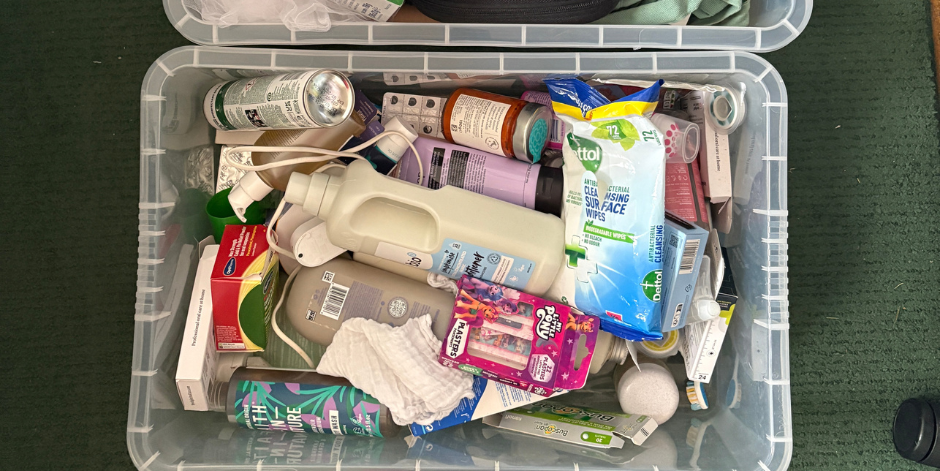
Bathrooms collect half-used products like magnets collect paper clips. Check travel-size toiletries, old makeup, expired sunscreen, stretched hair ties, dull razors, and backup bottles you bought during a sale. The 20/20 rule works well here because many bathroom items are affordable and easy to replace, while expired or unused products can create more mess than value.
Office supplies and junk drawers
Junk drawers are where optimism goes to nap. Pens that do not write, batteries of unknown strength, bent paper clips, old receipts, random buttons, rubber bands, and tiny screws from unknown furniture all gather there. Pick up each item and ask: “Would I spend time looking for this, or would I just buy another one?” That answer will clear the drawer faster than a motivational podcast.
Old cords and tech accessories
Many households own a cable cemetery. Before tossing electronics or accessories, sort them carefully. Keep labeled chargers for devices you currently use. Recycle broken or obsolete electronics through responsible local programs when possible. Tech clutter is a perfect place to apply the 20/20 rule, but disposal should be thoughtful because electronics can contain reusable materials and components that do not belong in regular trash.
Craft supplies and hobby leftovers
Craft clutter is tricky because it carries creative potential. But potential is not the same as a plan. If you have not used a supply in years, do not keep it just because Future You might become a candle maker, watercolor artist, or scrapbook historian. Keep the supplies tied to hobbies you actively practice. Donate the rest to someone whose current hobby is not imaginary.
Clothing “for someday”
The 20/20 rule does not perfectly apply to every clothing item, especially expensive pieces or sentimental garments. But it works beautifully for cheap basics, worn-out accessories, uncomfortable socks, free event T-shirts, and items you would not buy again today. Your closet should support the life you are living, not store every version of you that has ever existed.
What Not to Declutter Using the 20/20 Rule
The 20/20 method is powerful, but it is not a chainsaw. Use it wisely. Some items deserve a slower decision process.
- Emergency supplies: Keep flashlights, batteries, basic tools, medical essentials, and disaster-preparedness items that match your household needs.
- Important documents: Birth certificates, tax records, insurance paperwork, warranties, and legal documents should be sorted carefully, not casually discarded.
- Sentimental items: Family photos, heirlooms, letters, and meaningful keepsakes are not ordinary clutter. Edit them thoughtfully.
- Specialized tools: If an item is expensive, hard to replace, or needed for a specific recurring task, the 20/20 rule may not apply.
- Safety and accessibility items: Keep items that support health, mobility, child safety, pet care, or caregiving responsibilities.
The rule is best for low-stakes clutter, not high-stakes needs. Think of it as a scalpel for everyday excess, not a bulldozer for your whole life.
A Step-by-Step 20/20 Decluttering Plan
Step 1: Choose one small area
Do not begin with the garage unless you enjoy emotional combat. Start with one drawer, one shelf, one bathroom basket, or one kitchen cabinet. Small zones give fast wins, and fast wins build momentum.
Step 2: Pull everything out
Yes, everything. You cannot make good decisions when objects are hiding behind other objects like guilty raccoons. Place the items on a table or floor so you can see the full collection.
Step 3: Sort into four categories
Create piles for keep, donate, recycle, and trash. Add a fifth pile called “maybe” only if you promise not to let it become a permanent emotional storage facility.
Step 4: Apply the 20/20 questions
For each maybe item, ask whether you could replace it for under $20 and within 20 minutes. If yes, let it go. If no, ask whether you have used it in the past year or have a specific plan to use it soon.
Step 5: Remove the outgoing items immediately
This is where many decluttering projects fail. A donation bag by the door can become a new piece of furniture. Put donations in the car, schedule a pickup, take recycling to the proper place, or set a calendar reminder for the next errand run.
How to Avoid Regret After Decluttering
Regret is the villain everyone fears, but it is usually smaller than expected. Most people do not miss the items they release. They miss the idea of being perfectly prepared. To reduce regret, use a “trial separation” box. Place uncertain items in a box, label it with a date, and store it out of sight for 30 to 90 days. If you do not open the box, you have your answer.
You can also create a replacement note. If you declutter a low-cost item and later need it, write down what happened. Most people discover they rarely replace anything. When they do, the cost is usually worth the space and peace they gained.
The Hidden Benefit: Your Home Becomes Easier to Use
The real reward of decluttering is not a magazine-perfect home. It is a home that functions better. You can find the scissors. You can open a cabinet without ducking. You can put laundry away without negotiating with sweaters from 2012. You stop buying duplicates because you can see what you already own.
Clutter also creates visual noise. When every surface holds unfinished decisions, the home starts to feel like a to-do list with throw pillows. Clearing just-in-case items gives your rooms breathing room. More importantly, it gives your brain fewer tiny interruptions.
Real-Life Experience: What the 20/20 Method Feels Like in Practice
The first time you use the 20/20 declutter method, it may feel suspiciously simple. That is part of its charm. Imagine opening a kitchen drawer and finding three peelers, five takeout sauce packets, a packet of birthday candles, two measuring spoons, and a tiny plastic corn holder that looks like it was designed by someone with strong opinions about butter. Before the 20/20 rule, every item gets a dramatic inner monologue. “What if I make corn for twelve people?” “What if this peeler is better for carrots?” “What if birthday candles become impossible to buy?”
Then the rule walks in wearing sensible shoes. Can you replace the candles for less than $20? Yes. In less than 20 minutes? Also yes. Do you need three vegetable peelers? Unless you are running an underground potato operation, probably not. Suddenly, the drawer is not a moral puzzle. It is just a drawer.
The most surprising experience is how quickly guilt fades. At first, donating a perfectly usable item can feel wasteful. But keeping usable things in a dark cabinet for years is not exactly useful either. When a spare mug, extra blanket, or duplicate tool goes to someone who will actually use it, the object gets a second life and your home gets a little lighter.
Another lesson: the method teaches you about your buying habits. After clearing five backup bottles of lotion, you may realize you buy personal-care products when stressed. After sorting ten reusable bags, you may notice you keep accepting more even though you already own enough to outfit a small grocery parade. Decluttering is not just about what leaves. It reveals what keeps coming in.
The 20/20 method also works beautifully for families because it is easy to explain. Instead of saying, “We need to become minimalists,” which may cause children and spouses to hide their belongings defensively, you can say, “Let’s keep what we use and let go of cheap, easy-to-replace extras.” That feels less like a lifestyle lecture and more like common sense.
There will be a few hard calls. Sentimental objects do not always fit the rule. Neither do specialty tools, emergency items, or belongings tied to real plans. That is fine. The goal is not to declutter until your home echoes. The goal is to stop giving prime storage space to objects that are neither useful nor meaningful.
After a few rounds, you begin to feel the difference. The bathroom drawer closes. The closet has breathing room. The garage no longer looks like a hardware store had a nervous breakdown. Even better, you start shopping differently. Before buying another “handy” item, you ask, “Will I use this, or will I declutter it next year?” That one question can save money, space, and future Saturday afternoons.
Conclusion: The 20/20 Rule Is Really About Trust
The 20/20 declutter method is not just a trick for clearing junk drawers. It is a way to rebuild trust with yourself. You trust that you can solve small problems if they happen. You trust that you do not need to store every possible solution in advance. You trust that space, calm, and usability are worth more than a dusty collection of maybes.
Start small. Pick one drawer, one shelf, or one basket. Ask the two questions. Let the easy things go first. You do not have to become a minimalist. You just have to stop letting “just in case” run your home like a tiny anxious landlord.


