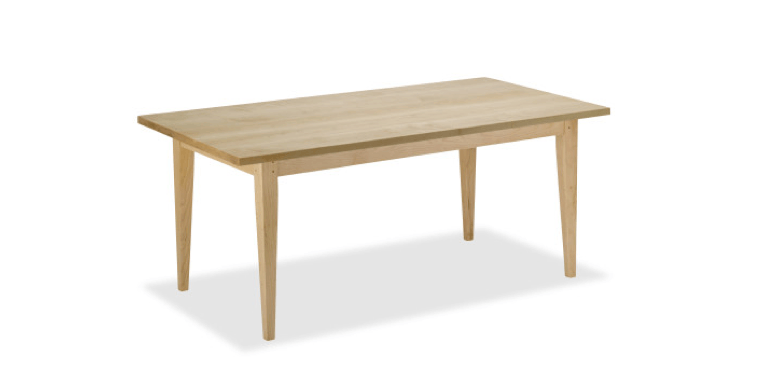

A tapered table may sound like a piece of furniture that has been doing yoga, but the idea is wonderfully simple: it is a table designed with legs or structural elements that gradually narrow from one end to the other. Most often, people use the phrase to describe a table with tapered legswide and sturdy near the tabletop, slimmer toward the floor. The result is a piece that looks lighter, cleaner, and more refined without giving up everyday usefulness.
In a world full of chunky dining tables, boxy desks, and coffee tables that look like they could survive a minor earthquake, the tapered table brings elegance back into the room. It has a quiet confidence. It does not shout, “Look at me!” It simply stands there looking balanced, polished, and slightly more sophisticated than the rest of the furniture. Naturally, we respect that.
Whether you are shopping for a dining table, building a DIY side table, refreshing a home office, or trying to understand why mid-century modern furniture still looks good after decades, tapered tables are worth a closer look. Their beauty is not just decorative. The shape affects proportion, stability, legroom, visual flow, and even how spacious a room feels.
What Is a Tapered Table?
A tapered table is typically a table with legs that narrow gradually from top to bottom. The taper may be subtle, dramatic, straight, angled, round, square, or faceted. In many designs, the leg starts thicker where it connects to the apron or tabletop, then becomes slimmer toward the floor. This gives the table strength where it needs it most and lightness where the eye notices it most.
The term can also refer more broadly to tables with tapered bases, angled supports, or silhouettes that reduce visual weight as they move downward. However, in furniture design and woodworking, tapered table legs are the star of the show.
Why the Shape Matters
Furniture design is a game of proportion. A table that is too heavy at the bottom can make a room feel crowded. A table that is too skinny everywhere can look fragile, like it is one enthusiastic dinner guest away from retirement. Tapering solves that problem by keeping the upper structure strong while making the lower profile visually lighter.
This is why tapered tables are popular in dining rooms, breakfast nooks, home offices, apartments, and open-plan living spaces. They give furniture a floating, airy appearance, which is especially helpful when square footage is limited.
Why Tapered Tables Are So Popular
The tapered table has remained popular because it checks several boxes at once: style, function, versatility, and comfort. It can look vintage or modern, formal or casual, expensive or charmingly handmade. That range is one reason designers keep returning to it.
1. Tapered Legs Create Visual Lightness
One of the biggest benefits of a tapered table is that it reduces visual bulk. A thick tabletop can feel heavy, especially in a small room. Tapered legs balance that mass by narrowing toward the floor. The table still feels grounded, but it does not visually dominate the space.
This effect works beautifully in apartments, condos, studio spaces, and smaller dining areas. A round tapered dining table, for example, can make a breakfast corner feel open instead of cramped. A tapered writing desk can help a home office feel calm rather than packed with furniture.
2. Tapered Tables Fit Many Interior Styles
The tapered table is strongly associated with mid-century modern design, but it is not trapped in the 1950s wearing horn-rimmed glasses. It also works with Scandinavian, Japandi, farmhouse-modern, transitional, minimalist, and contemporary interiors.
Walnut tapered legs can feel warm and vintage. Oak tapered legs look natural and relaxed. Black tapered legs create a sharper modern profile. Metal-tipped tapered legs add a tiny flash of glamour without turning the table into a disco ball.
3. They Often Improve Legroom
Compared with bulky pedestal bases or dramatic X-shaped supports, simple tapered legs usually leave more open space under the table. That matters for dining tables, desks, and work tables. Nobody wants to sit down for pasta night and discover that the table leg has claimed permanent ownership of their kneecap.
For dining rooms, tapered corner legs can make seating easier. For desks, they keep the underside cleaner and more comfortable. For coffee tables, they help the piece feel less like an obstacle course in the middle of the living room.
Common Types of Tapered Tables
Tapered tables come in many shapes and sizes. The tapered leg detail is flexible enough to work on nearly every table category, from tiny plant stands to full dining tables.
Tapered Dining Table
A tapered dining table usually has four legs that narrow toward the floor. Rectangular versions are common, but round and oval tapered dining tables are especially attractive because the softened tabletop pairs well with the slim leg profile. This style works nicely in both casual kitchens and more polished dining rooms.
Tapered Coffee Table
A tapered coffee table adds structure to a living room without making the seating area feel crowded. Because coffee tables sit low, thick blocky legs can make them look squat. Tapered legs lift the look and create a more graceful silhouette.
Tapered Side Table
Side tables and nightstands often benefit the most from tapering. These pieces are small, so every detail is noticeable. A tapered side table can look elegant beside a sofa, bed, or reading chair while still offering enough surface space for a lamp, book, or dangerously full mug of coffee.
Tapered Desk or Work Table
A desk with tapered legs can make a home office feel less corporate and more personal. It pairs well with wood tops, slim drawers, and open floor space. For remote workers, students, and creative professionals, it offers a practical surface without making the room feel like a cubicle moved in and signed a lease.
Materials Used in Tapered Tables
The material of a tapered table affects its durability, price, maintenance, and overall mood. The most common options are solid wood, engineered wood, metal, and mixed materials.
Solid Wood
Solid wood tapered tables are prized for warmth, character, and longevity. Oak, walnut, maple, ash, and cherry are common choices. Hardwood legs can be shaped, sanded, stained, and refinished, which makes them a smart long-term option.
Solid wood does move with humidity, so good construction matters. A well-built table allows the top to expand and contract slightly without cracking, warping, or fighting against the base. In other words, wood has feelings. Mostly moisture-related feelings.
Engineered Wood and Veneer
Engineered wood or veneer tables can offer the look of natural wood at a more accessible price. High-quality veneer can be beautiful and stable, especially when used over a durable core. The key is to look for solid joinery, a smooth finish, and legs that are properly attached rather than simply screwed into weak material.
Metal Accents
Some tapered tables include metal ferrules, caps, brackets, or full metal legs. Brass tips can make a table feel more upscale, while black metal can push the design toward industrial or modern. Metal elements also help protect the ends of legs from scuffs and moisture.
Design Details That Make a Tapered Table Better
Not every tapered table is built equally. Two tables may look similar online, but the details determine whether one becomes a beloved heirloom and the other becomes “that wobbly thing in the corner.”
Leg Angle
Some tapered legs are vertical, while others are slightly splayed outward. A subtle outward angle can make a table look more dynamic and improve the sense of stability. Too much angle, however, may reduce seating comfort or make the table look like it is trying to run away.
Thickness at the Top
The thickest part of a tapered leg is usually near the tabletop or apron. This area carries stress from weight, movement, and side pressure. A good tapered table keeps enough material at the top for strength, especially on dining tables and desks.
Joinery
Joinery is where beauty meets engineering. Traditional mortise-and-tenon joinery is valued because it creates a strong connection between the legs and apron. Modern tables may use corner blocks, bolts, threaded inserts, metal plates, or a combination of methods. What matters is that the legs attach securely and resist racking, which is the side-to-side wobble that makes a table feel nervous.
Apron Design
The apron is the horizontal support beneath the tabletop. It connects the legs and adds stiffness. A tapered table with a well-proportioned apron feels sturdy but not bulky. If the apron is too deep, it may interfere with knees. If it is too shallow, the table may wobble. Like seasoning soup, balance is everything.
How to Choose the Right Tapered Table
Choosing a tapered table is not just about finding one that looks good in a photo. You need to consider room size, function, materials, comfort, and maintenance.
Measure the Space First
Before buying a tapered dining table, measure the room and leave enough clearance for chairs to slide in and out. For coffee tables, leave comfortable walking space around the sofa. For desks, consider chair movement, outlet access, and whether the table surface is deep enough for your work setup.
Match the Table to the Room’s Visual Weight
If your room already has heavy sofas, tall bookcases, or dark cabinetry, a tapered table can lighten the space. If your room is very minimal, choose a tapered table with warm wood grain or a slightly thicker top so it does not disappear visually.
Check Stability Before Style
A beautiful table that wobbles is basically sculpture with trust issues. If you are shopping in person, gently press on the corners and sides. If you are shopping online, look for reviews mentioning stability, assembly quality, and leg attachment.
Think About Daily Use
For families, a durable finish matters. For renters, lighter tables may be easier to move. For serious cooks, crafters, or board-game enthusiasts, the tabletop surface should resist scratches and spills. A tapered table can be elegant, but it still needs to survive real life: backpacks, elbows, pizza boxes, laptop chargers, and the occasional mysterious sticky spot.
DIY Tapered Table: What Builders Should Know
For DIY woodworkers, tapered table legs are one of the most satisfying upgrades you can add to a basic table. A straight-leg table may be easier to build, but tapering the legs gives it polish. It makes the project look intentional instead of “I had lumber and ambition.”
Common Ways to Make Tapered Legs
Woodworkers often create tapered legs using a table saw tapering jig, bandsaw, hand plane, router jig, or lathe. Square tapered legs are common for dining tables and desks. Turned tapered legs are more decorative and may be used on traditional, farmhouse, or custom furniture.
The taper can be cut on two sides or four sides. Tapering two inside faces keeps the outside profile more substantial while making the leg appear lighter. Tapering all four sides creates a more delicate, sculptural look. The right choice depends on the table’s style and the thickness of the top.
Do Not Over-Taper
A leg that becomes too thin at the bottom may look elegant but feel weak. This is especially risky on large dining tables or work tables that carry weight. The goal is graceful reduction, not furniture dieting gone too far.
Sand and Finish Carefully
Tapered legs catch light differently along their length, so uneven sanding or stain absorption can be obvious. Sand consistently, soften sharp edges slightly, and test your finish on scrap wood if possible. A good finish protects the leg ends from moisture, scuffs, and the daily drama of household life.
Decorating With a Tapered Table
A tapered table is easy to style because it already has a clean silhouette. The trick is to avoid overcrowding it. Let the shape breathe.
For Dining Rooms
Pair a tapered dining table with chairs that share a similar visual language. Slim wooden chairs, upholstered seats with narrow legs, or simple modern chairs all work well. If the table is walnut, consider cream, black, olive, or caramel tones for contrast.
For Living Rooms
A tapered coffee table looks great with a low sofa, textured rug, and a few carefully chosen accessories. Try a tray, a stack of books, a ceramic bowl, or a small plant. Resist the urge to turn the coffee table into a storage unit for every remote control known to humanity.
For Bedrooms
Tapered nightstands add lightness beside the bed. They work especially well in smaller bedrooms because the open leg design shows more floor, which makes the room feel larger. Choose a finish that complements the bed frame rather than matching it too perfectly.
Pros and Cons of a Tapered Table
Pros
A tapered table looks elegant, fits many interior styles, reduces visual bulk, and often provides good legroom. It can make a small room feel more open and give simple furniture a designer-level touch. It is also a strong choice for homeowners who want furniture that feels timeless without being boring.
Cons
On the downside, very thin tapered legs may be less durable if poorly designed. Some angled legs can reduce seating flexibility. Cheap hardware can loosen over time. Also, tapered tables with delicate finishes may show scuffs near the leg ends, especially in busy households with pets, kids, or adults who move chairs like they are competing in a furniture rodeo.
Care and Maintenance Tips
To keep a tapered table looking good, clean it with a soft cloth and avoid harsh cleaners. Use coasters, placemats, or pads when needed. Tighten hardware occasionally if the table uses removable legs. For solid wood tables, maintain consistent indoor humidity when possible to reduce expansion and contraction.
Pay special attention to the bottom of the legs. Felt pads can prevent scratches on hardwood floors and reduce wear on the leg ends. If the table sits on carpet, check stability from time to time because legs may settle unevenly into thicker pile.
Experiences With a Tapered Table: What Living With One Actually Feels Like
The best way to understand a tapered table is not from a product photo. It is from living with one every day. A tapered table has a personality that reveals itself slowly. At first, you notice the shape. Then you notice how easily it blends into the room. Eventually, you realize it has quietly improved the space without demanding applause.
One of the most noticeable experiences is how much lighter the room feels. A rectangular dining table with heavy block legs can make a small dining area feel crowded, even if the tabletop is not huge. Swap those thick legs for tapered ones, and the room suddenly has more visual breathing space. The floor is more visible. The chairs feel less boxed in. The whole arrangement looks intentional rather than squeezed into place.
In everyday dining, tapered legs are practical. They usually stay out of the way, especially when placed at the corners with a modest apron. Guests can pull chairs in comfortably, and there is less awkward knee negotiation. Anyone who has ever sat at a table where the leg lands exactly where their leg wants to be will appreciate this. Furniture should not start a territorial dispute during dinner.
A tapered coffee table brings a similar advantage to the living room. It can hold books, snacks, flowers, laptops, and the occasional “I will fold this laundry later” pile, but it still looks visually light. The angled or narrowing legs create a sense of lift, which helps the center of the room feel open. This is especially useful in apartments where the living room also acts as lounge, office, snack station, and emotional support zone.
Another pleasant experience is how adaptable the style becomes over time. A tapered wood table can look mid-century with the right chairs, Scandinavian with pale woods and neutral textiles, or contemporary with black accents and simple decor. You can change rugs, lighting, wall color, or chairs, and the table usually cooperates. It is not one of those bossy furniture pieces that insists the entire room dress around it.
There are also practical lessons. First, stability matters more than the dramatic taper. A table with legs that are too skinny may look beautiful in a showroom but feel less reassuring during real use. Second, the finish near the feet takes abuse. Vacuum cleaners, shoes, chair legs, pets, and daily life all seem personally committed to testing furniture finishes. Felt pads and occasional touch-ups are small efforts that make a big difference.
If you build or assemble a tapered table yourself, the experience can be surprisingly satisfying. The first time you see plain square legs transformed into tapered ones, the whole project changes character. It feels less like a basic table and more like furniture. The taper adds movement, shadow, and craftsmanship. Even a simple pine or oak table can look sharper with cleanly cut legs and a smooth finish.
The main emotional benefit is that a tapered table feels calm. It has enough design detail to be interesting, but not so much that it becomes tiring. It works hard without looking heavy. It looks stylish without trying too hard. And in a home full of objects competing for attention, that quiet elegance is refreshing.
Conclusion
A tapered table is more than a table with slimmer legs. It is a smart design choice that blends beauty, comfort, and proportion. By narrowing the legs or base, the table gains a lighter visual profile while keeping strength where it matters. That is why tapered tables remain popular across dining rooms, living rooms, bedrooms, offices, and DIY workshops.
For shoppers, the key is to look beyond the silhouette. Check the material, joinery, leg thickness, apron design, and overall stability. For DIY builders, tapering is one of the easiest ways to make a simple table look refined and custom. For decorators, a tapered table is a flexible foundation that can support many styles without overwhelming the room.
In short, the tapered table earns its reputation honestly. It is stylish, practical, space-friendly, and timeless. It proves that sometimes the most powerful design move is not adding more decoration, but removing just enough bulk to let the whole piece breathe.


