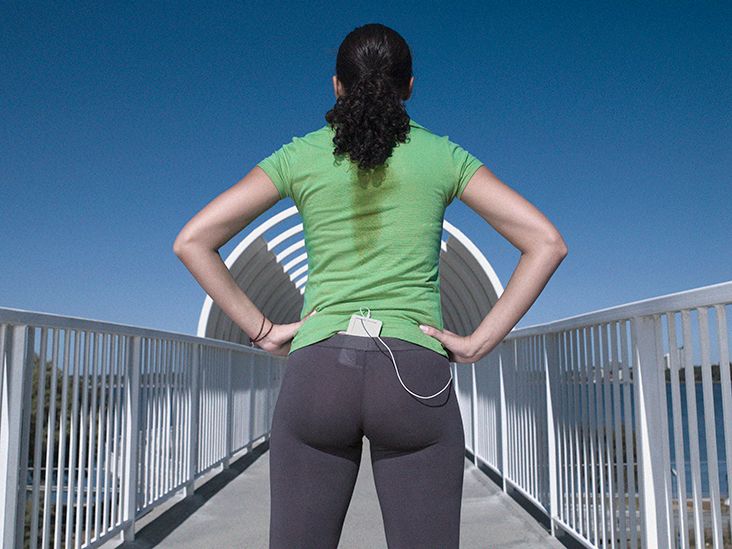

A sweaty back can turn a regular day into a tiny weather event happening under your shirt. One minute you are walking to work, sitting in class, driving, exercising, or simply existing in summer humidity; the next minute your back feels like it has opened its own sprinkler system. The good news: back sweating is usually normal. The less fun news: when it becomes excessive, constant, embarrassing, itchy, smelly, or suddenly different from your usual pattern, it may need a closer look.
Sweating is not a personal failure, poor hygiene, or proof that your body is “doing too much drama.” It is a built-in cooling system. Your sweat glands release fluid onto the skin, and as that fluid evaporates, it helps lower body temperature. The back is a large surface area, often covered by shirts, jackets, uniforms, backpacks, car seats, office chairs, and gym gear. In other words, it is prime real estate for trapped heat and moisture.
This guide explains the most common causes of a sweaty back, when it may be a sign of hyperhidrosis or another health issue, and which treatment options actually make sense. We will also cover everyday fixes, medical treatments, skin problems linked to sweat, and real-life experiences that make this topic more practical than a label on an antiperspirant bottle.
What does a sweaty back mean?
A sweaty back means the sweat glands on your back are producing moisture. That can happen for completely normal reasons, such as hot weather, exercise, stress, fever, spicy food, or wearing heavy clothing. Back sweat can also happen because sweat cannot evaporate well. A cotton shirt soaked under a backpack, a leather car seat in July, or a synthetic workout top that traps heat can make normal sweating feel excessive.
However, some people sweat more than expected even when they are not hot, anxious, or physically active. This may be called hyperhidrosis, a condition involving excessive sweating. Hyperhidrosis can affect the underarms, palms, feet, face, groin, back, or larger areas of the body. It may be primary, meaning it occurs without another medical condition causing it, or secondary, meaning it is related to a medication, illness, hormone change, infection, or nervous system issue.
Common causes of a sweaty back
1. Heat and humidity
Hot weather is the classic culprit. When the temperature rises, your body sweats to cool itself down. Humidity makes the problem worse because sweat evaporates more slowly. Instead of disappearing from the skin, moisture lingers on your back and soaks into clothing. This is why walking outside on a humid day can feel like wearing a warm, damp towel that has made questionable life choices.
2. Exercise and physical activity
Running, cycling, lifting weights, hiking, sports, dance, and even brisk walking can all trigger back sweat. During exercise, your muscles generate heat. Your body responds by increasing sweat production, especially across large areas like the back and chest. A sweaty back after a workout is normal, but irritation, rash, or lingering odor may mean your clothing, shower routine, or skin care needs adjusting.
3. Clothing and fabric choices
Tight clothing, heavy fabrics, non-breathable synthetic materials, thick uniforms, and multiple layers can trap heat. Some workout fabrics wick moisture well, while others hold sweat against the skin. Cotton is breathable but can become heavy and damp once soaked. Polyester blends may dry faster but can trap odor if not washed properly. For people with back sweat, fabric is not fashion triviait is strategy.
4. Backpacks, chairs, and car seats
Anything pressed against your back blocks airflow. Backpacks are a major trigger for students, commuters, hikers, delivery workers, and travelers. Office chairs, gaming chairs, car seats, and public transportation seats can do the same thing. Even if your body is sweating normally, the trapped heat makes it feel like your back has been sealed in a tiny sauna.
5. Stress and anxiety
Stress sweating is real. When you feel nervous, rushed, embarrassed, or under pressure, your nervous system can activate sweat glands. Some people notice sweating before presentations, dates, exams, interviews, meetings, or social events. Stress sweat may occur even in a cool room. The body is not always logical; sometimes it treats a school presentation like a tiger attack with PowerPoint slides.
6. Hyperhidrosis
Hyperhidrosis means excessive sweating beyond what is needed for cooling. Primary hyperhidrosis often starts earlier in life and may run in families. It usually affects specific areas and can happen during ordinary activities. Secondary hyperhidrosis may appear later, affect larger areas of the body, and sometimes occur at night. If your back sweat is frequent, heavy, hard to control, or interfering with your daily life, hyperhidrosis is worth discussing with a healthcare provider or dermatologist.
7. Hormonal changes
Hormones influence body temperature regulation. Puberty, menstrual cycles, pregnancy, perimenopause, menopause, thyroid disorders, and blood sugar changes can all affect sweating patterns. Sudden new sweating, especially with weight changes, racing heartbeat, tremor, fatigue, dizziness, or night sweats, should be checked medically.
8. Medications and substances
Some medications can increase sweating as a side effect. These may include certain antidepressants, pain relievers, diabetes medications, hormone treatments, and other prescriptions. Caffeine and spicy foods can also trigger sweating in some people. Never stop a prescribed medicine on your own, but do tell your clinician if sweating began after starting or changing a medication.
9. Fever, infection, or illness
When your body fights infection, sweating may increase. Fever-related sweating can affect the back, chest, neck, and scalp. Night sweats, chills, unexplained weight loss, persistent fever, or sweating that soaks clothing and bedding should not be ignored. These symptoms do not automatically mean something serious, but they do deserve medical attention.
When is back sweating normal?
Back sweating is usually normal when it happens during hot weather, after exercise, while carrying a backpack, when wearing heavy clothing, during stress, or after eating spicy food. It is also normal for some people to sweat more than others. Genetics, fitness level, body size, climate, and daily activity all play a role.
Normal sweat usually improves when you cool down, change clothes, drink water, rest, remove extra layers, or move into air conditioning. If the sweating has a clear trigger and goes away afterward, it is often just your body doing its job.
When should you see a doctor?
You should consider medical advice if your sweaty back appears suddenly, happens even when you are cool and resting, wakes you at night, comes with fever or unexplained weight loss, causes dizziness or chest discomfort, or is paired with a fast heartbeat, tremors, weakness, or unusual fatigue. You should also get checked if sweating causes frequent rashes, skin infections, strong odor that does not improve with hygiene, or major distress in daily life.
A clinician may ask about your sweating pattern, family history, medications, diet, stress, sleep, and other symptoms. They may check for thyroid problems, diabetes-related blood sugar issues, infections, menopause-related symptoms, medication effects, or other causes. The goal is not to shame you for sweating; the goal is to find out whether your body is cooling itself normally or waving a tiny damp flag for help.
Skin problems linked to a sweaty back
Heat rash
Heat rash, also called prickly heat or miliaria, happens when sweat becomes trapped in the skin. It may cause tiny bumps, itching, stinging, or a prickly feeling. The back is a common area because clothing and seats trap heat. Mild heat rash often improves by cooling the skin, wearing loose clothing, avoiding heavy creams, and keeping the area dry.
Back acne
Sweat does not directly “cause” acne by itself, but sweat mixed with oil, dead skin cells, friction, and tight clothing can contribute to clogged pores. This is why back acne may flare after workouts, long commutes, or wearing sweaty gear. Showering after sweating, changing shirts quickly, and using a gentle body wash may help.
Intertrigo and chafing
Moisture and friction can irritate skin, especially in folds or areas where clothing rubs. Intertrigo is inflammation caused by skin rubbing together, made worse by heat and moisture. It may look red, raw, itchy, or sore. Keeping skin dry, reducing friction, and using breathable clothing can help. If there is odor, cracking, pain, or a rash that spreads, a healthcare provider may check for yeast or bacterial infection.
How to reduce a sweaty back at home
Choose breathable clothing
Wear loose, lightweight, breathable fabrics when possible. Moisture-wicking shirts can help during workouts or long outdoor days. For daily wear, test different fabrics and notice what works for your body. Some people do best with athletic blends; others prefer light cotton or bamboo-based fabrics. The perfect shirt is the one that does not turn into a wet map of your spine by lunch.
Use antiperspirant, not just deodorant
Deodorant helps control odor, but it does not reduce sweat. Antiperspirant helps decrease sweating by using aluminum-based ingredients that temporarily block sweat ducts. Many people only think of antiperspirant for underarms, but some products can be used on other sweaty areas, including the back. Apply to clean, completely dry skin, often at night, because antiperspirants tend to work better when sweat glands are less active.
Be careful with sensitive skin. The back can become itchy or irritated if you use a strong product too often. Start slowly, avoid broken or freshly shaved skin, and stop if burning or rash develops. For severe sweating, a dermatologist may recommend prescription-strength options.
Shower after heavy sweating
After exercise, outdoor work, or a long hot commute, shower when you can. Use a gentle cleanser and avoid aggressive scrubbing, which can irritate skin. Pat dry thoroughly before putting on clean clothes. If you cannot shower right away, changing into a dry shirt can still make a big difference.
Keep a spare shirt
This simple habit can save the day. Keep a lightweight backup shirt in your bag, locker, car, or desk. It is not glamorous, but neither is walking around with a damp back and pretending everything is fine. A spare shirt can reduce odor, prevent irritation, and help you feel more confident.
Improve airflow
Use mesh-backed chairs, breathable backpack panels, lightweight jackets, and seat covers that reduce heat buildup. If you sit for long periods, stand up occasionally to let air reach your back. At home, fans, air conditioning, and lighter bedding can help reduce night sweating caused by overheating.
Watch triggers
Notice whether caffeine, spicy food, stress, hot drinks, alcohol, intense workouts, certain fabrics, or specific environments make your back sweat worse. You do not need to live like a detective in a deodorant commercial, but a simple pattern can help. If iced coffee plus polyester plus a backpack equals disaster, the equation has spoken.
Medical treatment options for excessive back sweating
Prescription antiperspirants
Prescription-strength antiperspirants often contain stronger aluminum chloride formulas. They may be helpful for localized sweating, but they can irritate the skin. A healthcare provider can explain how often to use them and how to reduce burning or itching.
Topical anticholinergic treatments
Some prescription wipes, creams, or topical medicines reduce sweating by blocking chemical signals to sweat glands. These are more commonly used for underarm sweating, but a clinician may discuss options depending on the sweating location and severity. Side effects may include dry mouth, blurred vision, or irritation, depending on the product and how it is used.
Oral medications
Oral anticholinergic medications may reduce sweating across larger areas of the body. They can be useful for generalized sweating or sweating in difficult-to-treat areas, but they may cause dry mouth, constipation, urinary problems, blurred vision, or overheating risk. These medicines are not right for everyone and should be used only with medical guidance.
Botulinum toxin injections
Botulinum toxin injections can temporarily reduce sweating by blocking nerve signals to sweat glands. They are commonly used for underarm hyperhidrosis and sometimes used in other areas by experienced clinicians. For back sweating, the practicality depends on the size of the area, cost, comfort, and treatment goals. Effects are temporary, so repeat treatments may be needed.
Device-based procedures
Some procedures use microwave energy, laser treatment, or other technologies to target sweat glands, especially in the underarm area. These are less commonly used for broad back sweating, but a dermatologist can explain whether any device-based approach is appropriate.
Surgery
Surgical options are usually reserved for severe hyperhidrosis that has not improved with other treatments. Procedures that affect sweat-related nerves may carry risks, including compensatory sweating in other body areas. Surgery is not a casual first step; it is more like the final boss in the sweat-treatment video game.
How to manage odor from back sweat
Sweat itself is mostly odorless. Body odor develops when sweat interacts with bacteria on the skin and clothing. To reduce odor, shower regularly, wear clean shirts, wash workout clothes promptly, and avoid leaving damp clothing in a gym bag. Deodorant may help odor, while antiperspirant helps reduce moisture. Antibacterial body washes may help some people, but overuse can dry or irritate the skin.
If odor is strong, unusual, or persistent despite good hygiene, consider checking for skin infection, diet triggers, medication effects, or medical conditions. The answer is not always “more soap.” Sometimes the answer is smarter skin care.
What not to do
Do not apply harsh chemicals, household powders, alcohol-heavy products, or strong fragrances to irritated skin. Do not ignore a rash that becomes painful, swollen, warm, draining, or spreading. Do not wear the same sweaty shirt for hours after exercise if you can avoid it. And do not assume that sweating means you are unhealthy. Healthy bodies sweat. The goal is comfort, skin protection, and knowing when sweat has crossed from normal into disruptive.
Practical daily routine for a sweaty back
Start with a clean, dry back in the morning. Choose breathable clothing based on the weather and your activity. If you use antiperspirant on your back, apply it as directed, usually at night or when the skin is completely dry. During the day, reduce trapped heat by removing backpacks when possible, taking cooling breaks, and changing shirts after heavy sweating. After workouts, shower and dry thoroughly. At night, use breathable bedding and keep the room cool enough to prevent overheating.
For many people, this routine is enough. For others, sweating remains heavy even after lifestyle changes. That is when a dermatologist can help build a treatment plan instead of leaving you to battle your back sweat with hope and paper towels.
Experience-based tips: living with a sweaty back in real life
People who deal with back sweat often learn practical lessons that never appear on product labels. The first lesson is that timing matters. Applying antiperspirant five minutes before leaving the house, while already warm, usually does not work well. It is like trying to paint a fence during a rainstorm. Applying it to dry skin at night gives the product a better chance to work by morning.
The second lesson is that the backpack is often the villain wearing innocent straps. Students, commuters, travelers, and hikers may notice a perfect sweat patch exactly where the bag sits. A backpack with a ventilated back panel can help. So can carrying fewer items, switching to a shoulder bag occasionally, or removing the bag whenever standing still. Even a few minutes of airflow can prevent that sealed-in feeling.
The third lesson is that dark shirts are emotionally supportive. Light gray, pale blue, and thin cotton shirts may show sweat dramatically. Navy, black, patterned fabrics, and textured materials can make sweat marks less obvious. This does not treat the sweating, but it can reduce social stress. Confidence matters. Sometimes the best treatment for an awkward day is simply not feeling like your shirt is announcing breaking news.
The fourth lesson is that shower timing changes everything. If you exercise in the morning and then sit in damp clothing for an hour, your back may become itchy or irritated. Showering quickly, drying fully, and changing into fresh clothes helps prevent rash and odor. If a full shower is impossible, a clean towel, a fresh shirt, and gentle cleansing wipes can be useful temporary tools.
The fifth lesson is that skin care should be boring. Fragranced body sprays, strong scrubs, and heavy lotions can make a sweaty back worse, especially if heat rash or acne is present. A gentle cleanser, non-comedogenic moisturizer if needed, and breathable clothing often beat a complicated routine. Your back does not need a luxury spa menu; it needs less friction and more airflow.
The sixth lesson is that stress sweat creates a loop. You notice the sweat, then worry that others notice it, then sweat more. Breaking that loop may involve practical clothing choices, breathing techniques, arriving early to cool down before events, or keeping a spare shirt nearby. For some people, treating anxiety or stress directly also reduces sweating episodes.
The seventh lesson is that medical help can be surprisingly freeing. Many people wait years before mentioning excessive sweating because they feel embarrassed. Dermatologists and primary care clinicians hear about sweat, rashes, odor, and body concerns all the time. It is not weird to them. It is Tuesday. If back sweating affects your clothing choices, social life, sleep, work, school, or skin health, asking for help is reasonable.
The final lesson is that improvement may be gradual. One person may do well with breathable shirts and a stronger antiperspirant. Another may need medication. Someone else may discover that a thyroid issue, medication side effect, or night overheating is the real trigger. The best approach is not one magic product; it is matching the cause to the solution.
Conclusion
A sweaty back is often normal, especially in heat, humidity, exercise, stress, or situations that trap airflow. But frequent or excessive back sweating can also be linked to hyperhidrosis, medications, hormones, fever, thyroid problems, blood sugar changes, or other health issues. The right treatment depends on the pattern. Start with breathable clothing, better airflow, showering after sweat, antiperspirant instead of deodorant, and trigger tracking. If sweating is sudden, severe, disruptive, occurs at night, or comes with other symptoms, talk with a healthcare provider.
Note: This article is for general educational purposes only and is not a substitute for professional medical advice, diagnosis, or treatment. If excessive sweating is new, severe, or connected with other symptoms, consult a qualified healthcare professional.


