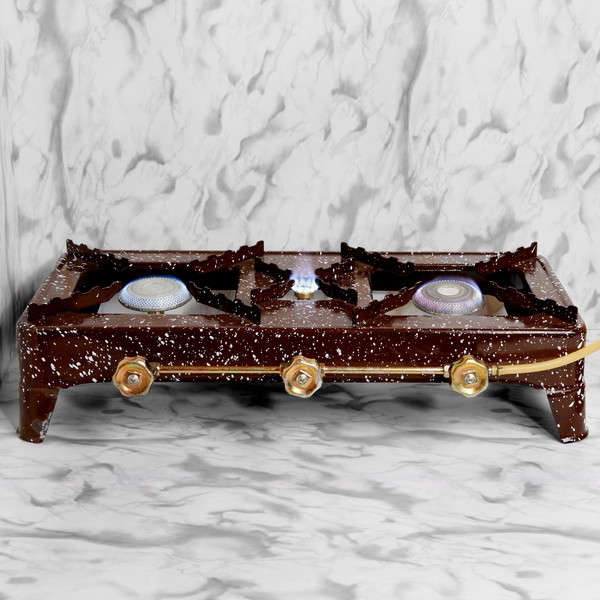

A stove with 3 burners may sound like the middle child of kitchen appliances: not as tiny as a single portable burner, not as sprawling as a five-burner culinary command center. But in real life, the 3-burner stove is often exactly what many homes need. It is compact without feeling cramped, practical without looking basic, and surprisingly capable when dinner decides to become a three-pan circus.
Whether you live in an apartment, remodel a small kitchen, outfit an accessory dwelling unit, or simply want a cleaner cooking layout, a 3-burner stove or 3-burner cooktop can be a smart solution. It gives you enough cooking zones for everyday meals while saving counter space, cabinet width, and sometimes even energy. In other words, it is the appliance equivalent of packing light but still remembering socks.
This guide explains what a stove with 3 burners is, who should buy one, the differences between gas, electric, and induction models, what features matter, and how to use one efficiently. We will also cover installation, cleaning, safety, layout planning, and real-life experiences so you can decide whether three burners are enough for your kitchen routine.
What Is a Stove with 3 Burners?
A stove with 3 burners is a cooking appliance that provides three separate heating zones on the top surface. Depending on the product, it may be a freestanding range with an oven underneath or a built-in cooktop installed into a countertop. Most shoppers use the word “stove” casually, but technically, a range combines a cooktop and an oven, while a cooktop is only the burner surface.
Three-burner designs are especially common in compact 24-inch gas cooktops, slim induction cooktops, portable cooking units, RV kitchens, small apartments, and modular kitchen layouts. In the United States, standard full-size ranges are often 30 inches wide and commonly include four burners or more. A 3-burner stove usually aims at a different goal: smart use of space.
The appeal is simple. You get one burner for a main dish, one for a side, and one for a sauce, soup, kettle, or “I forgot the vegetables” emergency. That is enough for most weeknight cooking, and it avoids the crowded look of a larger appliance in a smaller kitchen.
Why Choose a 3-Burner Stove?
It Saves Space Without Feeling Too Small
The biggest reason people choose a 3-burner stove is space. A compact cooktop can open up room for prep counters, cabinets, drawers, or a larger sink. In a small kitchen, every inch has a job, and three burners often provide a better balance than squeezing in a larger unit that steals valuable workspace.
This matters in studio apartments, guest suites, condos, tiny homes, basement kitchens, and vacation cabins. It also works beautifully in modern kitchens where the owner prefers a separate wall oven and a cooktop placed on an island or peninsula.
It Fits Everyday Cooking Habits
Many households rarely use more than two burners at once. Think about a typical dinner: pasta and sauce, rice and stir-fry, eggs and toast, soup and grilled cheese, or chicken with vegetables. Three burners cover these meals comfortably.
Of course, if you host huge holiday dinners every month, you may want four or five burners. But for singles, couples, small families, students, renters, and anyone who cooks simple meals most days, a stove with 3 burners is often more practical than oversized.
It Can Look Cleaner and More Modern
Kitchen design has moved toward cleaner surfaces, hidden storage, and appliances that do not shout for attention. Many 3-burner induction and radiant electric cooktops have sleek glass surfaces. Gas versions often feature continuous grates, sealed burners, and stainless steel finishes that look professional without turning the kitchen into a restaurant line.
A smaller stove can also make the room feel less crowded. If your kitchen is already wrestling with a refrigerator, dishwasher, microwave, coffee maker, air fryer, toaster, blender, and that mysterious appliance you bought during a sale, a compact cooktop may restore peace.
Types of 3-Burner Stoves
3-Burner Gas Stove
A 3-burner gas stove uses open flame or sealed gas burners fueled by natural gas or propane. Gas remains popular because it gives quick visual heat control. When the flame gets bigger, the heat increases. When the flame drops, the pan responds quickly. No guessing, no waiting, no staring at a glowing circle like it owes you money.
Many compact premium gas cooktops use sealed burners, which help prevent spills from flowing deep inside the appliance. Some also use cast iron grates for stable cookware support. A strong burner may be useful for boiling water or searing, while a lower-output burner is better for simmering sauces, melting butter, or keeping soup warm.
The main considerations are ventilation, gas-line availability, cleaning, and installation. Gas cooking creates combustion byproducts, so a working range hood or strong kitchen ventilation is important. If the home does not already have a gas line, installation can become more expensive.
3-Burner Electric Stove
A 3-burner electric stove may use coil elements or a smooth radiant glass surface. Electric models are often easier to install in homes already wired for electric cooking, and smooth-top versions are usually easier to wipe clean than traditional gas grates.
Radiant electric burners heat the surface, then transfer heat to the cookware. They are generally compatible with most flat-bottomed cookware, which makes them convenient. However, they can be slower to heat up and cool down compared with gas or induction. That means your pan may keep cooking even after you lower the setting, which is excellent if you enjoy surprise extra-crispy eggs and less excellent if you do not.
3-Burner Induction Stove
A 3-burner induction stove uses electromagnetic energy to heat compatible cookware directly. Instead of heating a flame or a radiant element first, induction makes the pan itself the heat source. This is why induction cooktops are known for fast boiling, precise adjustments, and cooler surrounding surfaces.
Induction is highly efficient and often praised for its speed. It is also easier to clean because spills are less likely to bake onto the glass surface. Many induction models include safety features such as pan detection, child locks, timers, and automatic shutoff.
The catch is cookware compatibility. Induction requires magnetic cookware, such as cast iron or many stainless steel pans. A quick test is to place a magnet on the bottom of the pan. If it sticks firmly, the pan is likely induction-ready. If it slides off dramatically, like it just heard bad news, that pan probably belongs on gas or electric.
Key Features to Look For
Burner Size and Power
A good stove with 3 burners should offer different burner sizes or power levels. You do not want three identical burners unless your entire menu is “medium heat forever.” Ideally, look for one powerful burner for boiling and searing, one medium burner for general cooking, and one smaller burner for simmering.
Gas burner power is usually measured in BTUs. Electric and induction burners are usually measured in watts. Higher output helps with fast boiling and high-heat cooking. Lower output matters for delicate tasks like melting chocolate, warming milk, or simmering tomato sauce without redecorating the backsplash.
Controls That Make Sense
Controls should be easy to read and comfortable to use. Gas stoves often use knobs. Electric and induction models may use touch controls, sliders, or digital panels. Touch controls look sleek, but they should respond well even when your fingers are slightly damp or flour-covered from your heroic attempt at homemade pizza.
For induction, multiple heat settings are useful because temperature changes happen quickly. Some premium models offer many power levels, timers, and boost modes for rapid boiling.
Surface Material
Gas models may use stainless steel, enamel, or glass surfaces with cast iron or steel grates. Electric and induction stoves often use ceramic glass. Stainless steel looks professional but may show fingerprints. Glass looks modern but can scratch if cookware is dragged across it.
For long-term satisfaction, choose a surface that matches your cleaning personality. If you wipe spills immediately, glass may be perfect. If you believe spills should “think about what they did” until tomorrow, choose carefully.
Safety Features
Safety features matter in every kitchen. For gas models, flame failure protection or automatic reignition can be helpful. For induction and electric models, hot-surface indicators, control locks, automatic shutoff, and pan detection add peace of mind.
Families with children should pay special attention to knob placement and lock features. Front controls are convenient, but they may be easier for children to reach. Side or top controls can reduce accidental changes.
3-Burner Stove vs. 4-Burner Stove
The main difference is flexibility. A 4-burner stove gives you one more cooking zone, which can be helpful for large families, batch cooking, canning, holiday meals, or multi-course dinners. But extra burners also require more space, and many people rarely use all four at once.
A 3-burner stove works best when you value space efficiency over maximum capacity. It encourages a cleaner cooking rhythm: main pan, side pan, small pot. If you often use an oven, microwave, rice cooker, pressure cooker, air fryer, or toaster oven alongside your stove, three burners may feel completely sufficient.
In small kitchens, a 3-burner cooktop can be the smarter choice because the saved counter space may improve the entire cooking experience. After all, a fourth burner is not very helpful if you have nowhere to chop an onion.
Best Uses for a Stove with 3 Burners
Apartment Kitchens
Apartment kitchens often need compact appliances that still feel grown-up. A 3-burner stove can support daily cooking without overwhelming the room. It is especially useful in rentals, condos, and small urban kitchens where counter space is precious.
Tiny Homes and ADUs
Accessory dwelling units, garage apartments, and tiny homes benefit from appliances that do more with less. A 3-burner stove offers enough cooking power for real meals while leaving room for storage and prep space.
Secondary Kitchens
A three-burner unit is also useful in basement kitchens, guest houses, pool houses, in-law suites, and vacation properties. It gives guests or family members a proper cooking surface without requiring a full-size appliance package.
Minimalist Kitchens
Some homeowners choose three burners not because they lack space, but because they prefer simplicity. A smaller cooktop can support a minimalist kitchen where every item earns its place. It is a quiet rebellion against the idea that every kitchen needs to look like a competitive cooking show set.
Installation Considerations
Before buying a stove with 3 burners, measure carefully. For a built-in cooktop, check the appliance width, depth, height, and required countertop cutout. Do not assume every 24-inch or 30-inch model fits the same opening. Appliance dimensions can be sneaky.
Gas models require the correct gas type, proper connection, and ventilation. Many installations should be handled by a licensed professional. Electric and induction models may require specific voltage, amperage, and circuit requirements. Portable units may use standard outlets, but built-in induction cooktops often need a dedicated 240-volt connection.
Also consider what sits underneath. Some cooktops can be installed above approved wall ovens or drawers, but not all combinations are allowed. Always check the manufacturer’s installation instructions before cutting countertops or making cabinet changes.
Cleaning and Maintenance
Cleaning a 3-burner stove is usually easier than cleaning a larger one simply because there is less surface area. But the method depends on the type.
For gas stoves, remove grates and burner caps after they cool. Wipe spills before they harden. Avoid soaking igniters or forcing burner parts into place incorrectly. Sealed burners help contain messes, but they still need regular attention.
For radiant electric and induction glass cooktops, wipe the surface with a soft cloth and use a cleaner designed for ceramic glass when needed. Avoid dragging heavy pans, using abrasive pads, or letting sugary spills burn onto the surface. Induction surfaces often clean up faster because the area around the pan stays cooler than traditional electric glass.
Routine maintenance is simple: keep burners clear, use proper cookware, follow the manual, and do not treat the cooktop like a cutting board. It is an appliance, not a countertop with a secret identity.
Energy Efficiency and Cooking Performance
Energy efficiency depends heavily on the fuel type. Induction is generally the most efficient because it transfers energy directly to the cookware. Radiant electric loses more heat through the glass surface, while gas loses heat around the flame and into the kitchen air.
Performance also depends on cooking style. Gas gives visual flame control and works with many types of cookware. Electric radiant is steady and familiar. Induction is fast, precise, and efficient, but it requires compatible cookware and may feel different at first.
For many modern homes, a 3-burner induction stove offers the strongest mix of compact size, safety, cleaning convenience, and speed. For cooks who love flame cooking, a 3-burner gas stove remains appealing. For budget-conscious buyers, electric radiant may offer the simplest path.
How to Cook Efficiently on Three Burners
Cooking on three burners is easy once you plan the order. Start with the item that takes longest, such as rice, potatoes, soup, or pasta water. Use the second burner for the protein or main dish. Keep the third burner free for sauce, vegetables, gravy, or reheating.
Use lids whenever possible to reduce cooking time. Match pan size to burner size so heat does not escape around the edges. For induction, use flat-bottomed magnetic cookware that fully contacts the cooking zone. For gas, center the pan over the flame. For electric, avoid warped pans because uneven contact leads to uneven cooking.
One useful strategy is the “two active, one flexible” method. Keep two burners working steadily and leave the third for quick tasks. This prevents the stovetop from becoming crowded and gives you room to rescue dinner when something finishes early or boils over dramatically.
Common Mistakes to Avoid
One mistake is buying based only on looks. A beautiful stove is nice, but burner layout matters more. Check whether your largest skillet and medium saucepan can sit side by side comfortably. If the burners are too close together, three burners may feel like one and a half.
Another mistake is ignoring ventilation. This is especially important for gas cooking, but all cooking creates steam, grease, and odors. A range hood or effective ventilation keeps the kitchen cleaner and more comfortable.
Do not forget cookware. Induction buyers should test existing pans before purchasing. Electric glass-top users should avoid rough-bottomed cookware that may scratch. Gas users should make sure grates support smaller pans safely.
Finally, do not assume more burners automatically mean better cooking. A smart layout, responsive controls, and proper burner power often matter more than the number of circles on the surface.
Buying Checklist for a Stove with 3 Burners
Before choosing a model, ask yourself these questions:
- Do I want a full range with an oven or only a built-in cooktop?
- Is my kitchen set up for gas, electric, or induction?
- How much countertop or cabinet space do I have?
- Can my largest cookware fit on the burner layout?
- Do I need high-output cooking for searing or boiling?
- Do I often simmer sauces or melt delicate ingredients?
- Is easy cleaning a top priority?
- Do I need child locks, hot-surface indicators, or automatic shutoff?
- Will installation require professional electrical or gas work?
If you answer these honestly, the right choice becomes much clearer. Appliance shopping is less stressful when you know what problem you are solving.
Experiences Related to Using a Stove with 3 Burners
Living with a stove with 3 burners teaches you one important kitchen lesson: planning beats panic. At first, some people worry that three burners will feel limiting. Then they realize they rarely used the fourth burner on their old stove anyway. It was mostly a parking spot for a clean skillet, a spoon rest, or a pot lid that had no official home.
In everyday cooking, three burners are usually enough. Breakfast is simple: one burner for eggs, one for oatmeal, one for tea or coffee water. Lunch might use one burner for soup and another for grilled sandwiches. Dinner can be rice, vegetables, and chicken all at once. The layout feels natural once you stop trying to cook like you are feeding a marching band.
The biggest adjustment is pan management. On a compact cooktop, oversized cookware can crowd the surface. A huge skillet, a stockpot, and a saucepan may technically fit, but the handles can start jousting like medieval knights. The solution is to use cookware that matches the burner size. A 10-inch skillet, a medium saucepan, and a small pot often work better than three giant pieces of cookware pretending personal space is optional.
Another real-life advantage is cleaning. With fewer burners, there are fewer grates, fewer knobs, fewer drip areas, and fewer mysterious crumbs that somehow fossilize near the back edge. A 3-burner induction or smooth electric cooktop can be wiped down quickly after dinner. A gas model takes a little more effort, but the smaller surface still helps.
For small kitchens, the psychological effect is surprisingly big. A compact stove makes the kitchen feel less crowded. You gain elbow room. You gain prep room. You may even gain enough counter space to set down a cutting board without balancing it halfway over the sink like a kitchen acrobat.
People who cook elaborate meals may need to adjust their timing. Instead of heating every dish at once, cook in stages. Start grains first, then proteins, then quick vegetables or sauces. Use the oven, toaster oven, slow cooker, rice cooker, or air fryer as backup teammates. A three-burner stove works best when the rest of the kitchen participates.
For induction users, the experience can feel almost futuristic. Water boils quickly, heat changes fast, and the surface stays easier to clean. The first week may involve some learning, especially if you are used to turning a gas flame by sight. But once you understand the heat settings, induction can feel very controlled. The main surprise is how fast things happen. Butter melts quickly. Garlic browns quickly. Pasta water boils before you finish congratulating yourself for choosing induction.
Gas users often enjoy the familiar flame and responsive heat. A three-burner gas stove can feel professional in a compact package, especially if it has sturdy grates and a powerful main burner. The trade-off is ventilation and cleaning. You need to run the hood, wipe the grates, and keep burner caps properly seated. Gas rewards attention; it does not love neglect.
Electric radiant users usually appreciate simplicity. The surface is flat, cookware compatibility is broad, and the controls are familiar. The main habit to develop is using residual heat wisely. Since the surface stays hot after turning down the setting, you can switch off a burner slightly early for some foods. It is like getting a tiny bonus from your appliance, which is nice because appliances rarely send thank-you notes.
Overall, the experience of using a stove with 3 burners is less about giving something up and more about cooking with intention. It is a practical choice for modern homes, smaller kitchens, and people who want enough cooking power without appliance overkill. Three burners will not cook Thanksgiving dinner for twenty people by themselves, but for daily meals, compact living, and efficient kitchen design, they can be just right.
Conclusion
A stove with 3 burners is a smart, space-saving appliance for people who want practical cooking power without crowding the kitchen. It works well in apartments, small homes, guest suites, minimalist kitchens, and secondary cooking spaces. Gas models offer flame control and familiar performance. Electric models provide simplicity and broad cookware compatibility. Induction models deliver speed, precision, efficiency, and easy cleanup.
The best 3-burner stove is not simply the prettiest one or the one with the biggest burner. It is the model that fits your space, cooking style, cookware, installation setup, and cleaning habits. Measure carefully, compare burner layouts, think about ventilation, and choose features you will actually use.
Three burners may sound modest, but in the right kitchen, modest is magic. It gives you room to cook, room to prep, and room to breathe. And honestly, any appliance that makes dinner easier without demanding half the kitchen deserves a little applause.


