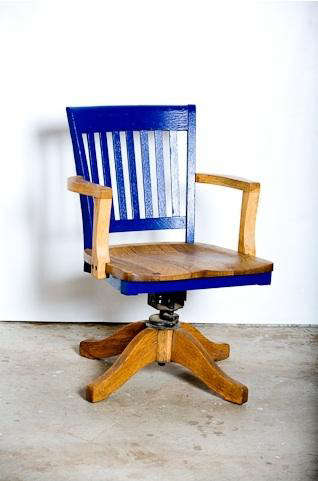

In a world where furniture can arrive in a cardboard box on Tuesday and wobble sadly by Friday, the idea of slow design feels less like a trend and more like a rescue mission. And in San Francisco, Chairtastic offers exactly that kind of rescue. The studio, led by Josh Duthie, has built its identity around reimagining old chairs, reclaimed materials, and the kind of craftsmanship that asks you to look twice, sit carefully, and maybe fall a little bit in love with an object you thought was just… a chair.
That, of course, is the trick of a great chair. It is never just a chair. It is engineering, sculpture, ergonomics, memory, and domestic politics all rolled into one. It is where we drink coffee, answer emails, host dinner, read novels, and occasionally dump a heroic pile of laundry. So when a maker decides to slow down and give this humble object the respect it deserves, the result can feel surprisingly profound.
Chairtastic sits at the crossroads of San Francisco furniture design, sustainable craftsmanship, and a broader design philosophy that values longevity over novelty. It is a useful lens for understanding why slow design still matters, why chairs continue to fascinate designers, and why the Bay Area remains such fertile ground for thoughtful, materially honest work.
What Slow Design Really Means
Slow design is not anti-innovation, anti-modernity, or anti-fun. It is anti-disposability. At its best, it favors pieces that age well, wear in rather than wear out, and reward attention over impulse. Instead of chasing the adrenaline hit of “new, new, new,” it asks calmer questions: Who made this? What is it made from? Can it be repaired? Will I still want to live with it in ten years? Will it still be standing in ten years? That last one matters, especially if your cat launches off the backrest like a furry gymnast.
In furniture, slow design often shows up through reclaimed wood, durable joinery, repairable parts, visible construction, and a resistance to overcomplication. It also tends to value the stories embedded in materials. A scratched board, a worn edge, or a salvaged frame is not always treated as damage to be hidden; it can be treated as character to be translated. That mindset is a sharp contrast to fast furniture, which is often engineered for low cost, quick shipping, and short emotional shelf life.
That contrast matters because furniture waste is not some abstract eco-gloom talking point. It is a real design problem. When furniture is cheaply made, hard to repair, and easy to replace, the landfill becomes the unofficial final showroom. Slow design pushes back by making pieces that are more useful, more durable, and more meaningful.
Why Chairtastic Fits the Slow-Design Ethos
Chairtastic began with a wonderfully specific idea: old chairs deserve a second act. That premise is simple, but it opens up a rich design territory. A reclaimed chair is never a blank slate. It arrives with constraints, quirks, proportions, scars, and sometimes the visual confidence of an elderly theater diva who has seen things. The designer’s job is not merely to restore it, but to reinterpret it.
That is what makes Chairtastic compelling. The work does not treat reuse as a compromise. It treats reuse as a source of creativity. Instead of stripping objects of their history, it builds from that history. Some pieces feel part salvage, part sculpture, part wink. Others land in that sweet spot where utility and personality shake hands like old friends.
There is also a refreshing lack of design sermonizing in the whole enterprise. Chairtastic’s furniture does not scream, “Behold, a sustainable object!” It does something smarter: it makes reclaimed work look desirable, livable, and just plain cool. That matters because people rarely buy furniture out of moral obligation alone. They buy it because it solves a need, fits a room, and sparks feeling. Slow design works best when it is persuasive through beauty rather than guilt.
Reclamation as Design Intelligence
Upcycling can sometimes go sideways. We have all seen the unfortunate result: a chair transformed into a “conversation piece” that nobody actually wants to converse with. Chairtastic avoids that trap by treating reclamation as disciplined design, not crafty improvisation for its own sake. The best reclaimed furniture does not look random. It looks inevitable, as if the material had been waiting for someone to notice what it could become.
This is where craftsmanship becomes critical. Reworking found chairs requires sensitivity to scale, proportion, structural integrity, and comfort. A chair can be visually brilliant and physically annoying, and design history is littered with gorgeous seats that seem to have been created by people at war with the human spine. Slow design asks for both character and usability. The object has to earn its keep.
San Francisco Is the Right Backdrop for This Story
Chairtastic does not exist in a vacuum. It works out of Woodshop in San Francisco’s Outer Sunset, a collaborative workspace and showroom shared with other craftspeople. That setting matters. It places the studio inside a maker ecosystem rather than an isolated branding bubble, and it roots the work in a neighborhood known for its beach-adjacent calm, independent spirit, and slight tendency to look better in fog than most cities look in sunlight.
San Francisco has long rewarded design that blends experimentation with practicality. This is a place where tech culture, environmental awareness, art scenes, and craft traditions continuously bump into one another. In that context, slow design feels less like nostalgia and more like a necessary counterweight. The city may love speed, but it also makes room for people who still work with their hands and believe that process matters.
The broader Bay Area maker culture reinforces that idea. Woodworkers, ceramicists, fabricators, and interior designers across the region have increasingly emphasized sustainability, local production, and pieces made to last. That shift reflects a larger change in consumer taste too. More buyers want to know where something came from, how it was made, and whether it will age gracefully instead of collapsing during a dramatic dinner-party moment.
The Local Chair Obsession Is Real
San Francisco also has a healthy affection for chairs as art objects. Local exhibitions and design coverage have repeatedly shown that chairs remain one of the most expressive formats for testing ideas about comfort, identity, sculpture, and reuse. That makes sense. A chair is compact enough to be experimental, familiar enough to be emotionally legible, and demanding enough to expose whether a designer actually understands form and function. In other words, a chair is small, but it is not low stakes.
Why Chairs Matter So Much in Design History
If designers keep returning to chairs, it is because chairs are where theory meets body. Museums love them, collectors obsess over them, and everyday people use them without thinking about the astonishing amount of design intelligence packed into four legs and a back. The history of the chair stretches across centuries, from ceremonial thrones to bentwood classics to mass-produced modern icons. Through all those reinventions, the basic function has remained the same, but the cultural meaning keeps changing.
A chair can symbolize status, democracy, innovation, domesticity, or rebellion. It can show off a new material, a new manufacturing process, or a new way of imagining comfort. That is why chair design has become a rite of passage for many furniture designers. If you can make a chair that is structurally sound, visually distinct, reasonably comfortable, and commercially viable, congratulations: you have solved one of design’s favorite puzzles.
There is also something emotionally sticky about chairs. People remember them. They inherit them, reupholster them, argue over them, and assign them unofficial family roles. One chair becomes Dad’s reading chair. Another becomes the place where guests always land. Another becomes too precious to sit in, which is both ridiculous and completely understandable. Chairs live close to memory, and slow design understands that closeness.
Material Honesty, Not Material Hype
One of the strongest threads connecting slow design to Chairtastic is material honesty. In practical terms, that means letting wood look like wood, letting structure be legible, and avoiding unnecessary embellishment that hides how an object is made. Some of the most admired chairs in design history are beloved precisely because they do not pretend to be anything else. Their beauty comes from proportion, joinery, curvature, grain, and restraint.
That principle is especially resonant in reclaimed work. Old materials carry marks of prior use, and those marks can create warmth that factory-perfect finishes often lack. A reclaimed chair tells a richer story because it has already had a life before entering the room. Slow design does not sand away every trace of that past. It edits carefully, preserving enough history to keep the piece alive.
This approach also supports sustainability in a practical, not merely philosophical, way. The fewer synthetic layers, mixed materials, and impossible-to-separate components a piece has, the easier it is to repair, rework, or eventually recycle. That is why contemporary design conversations increasingly focus on simplicity, modularity, and disassembly. Good slow furniture is not only made to last; it is made to be understood.
The Anti-Fast-Furniture Argument
The rise of fast furniture has trained people to treat furnishings like seasonal fashion: buy cheaply, use briefly, replace casually. The model works for short-term convenience, but it often fails on durability, repairability, and waste. The result is a glut of disposable home goods that are difficult to fix and even harder to love for long. When furniture becomes temporary by default, design quality tends to flatten out too.
Slow design offers a different value system. It favors fewer, better pieces. It values emotional durability as much as structural durability. It gives objects the chance to gather meaning instead of just gathering dust. That is one reason reclaimed and made-to-last furniture has regained cultural appeal. People are tired of living in rooms that feel algorithmically assembled, as if their dining chairs were chosen by a spreadsheet with commitment issues.
Chairtastic slots neatly into this correction. Its work suggests that a chair can be singular without being precious, sustainable without being preachy, and handmade without looking rustic in an obligatory way. It is a reminder that furniture can still carry touch, judgment, humor, and local identity.
Slow Design Is Not Slow Because It Is Lazy
One common misunderstanding is that slow design simply means old-fashioned methods or tiny-batch production. Not quite. Slow design is better understood as a mindset about pace, care, and consequences. It can involve traditional craftsmanship, yes, but it can also embrace modern tools if those tools support quality, repair, longevity, and material efficiency. The point is not to reject innovation. The point is to use innovation in service of better objects, not faster waste.
What Homeowners and Design Lovers Can Learn From Chairtastic
You do not need to become a full-time furniture romantic to learn from Chairtastic. A few practical lessons emerge right away. First, look harder at what already exists. Vintage, salvaged, and overlooked seating often has better bones than brand-new budget furniture. Second, pay attention to how a chair is built, not just how it photographs. Joinery, material quality, balance, and repair potential matter. Third, choose pieces that can age with dignity. Trendy is fun; durable is underrated; both together is the jackpot.
There is also a broader decorating lesson here: rooms feel richer when they contain objects with history, texture, and evidence of thought. A reclaimed chair can anchor a space because it brings visual depth. It is not anonymous. It has a point of view. In interiors, that kind of specificity often matters more than expensive uniformity.
And finally, slow design asks us to become slightly better observers. To notice the curve of a backrest, the wear on an arm, the warmth of oiled wood, the quiet intelligence of a repair. That kind of noticing can change how we furnish our homes. It can make us less impulsive, more curious, and maybe a little less willing to click “buy now” on the first chair that promises Scandinavian vibes and arrives with 147 screws.
Experiences Related to “Slow Design: Chairtastic in San Francisco”
To really understand the appeal of slow design in San Francisco, it helps to imagine the experience not as a shopping trip, but as a change in tempo. You move through the city differently. You stop expecting instant clarity and start enjoying gradual discovery. In that way, the experience of a Chairtastic-like design journey feels deeply San Franciscan: a little foggy, a little eccentric, and much more rewarding once you stop rushing it.
Picture a morning in the Outer Sunset. The marine layer is doing what the marine layer does best, which is making the whole neighborhood look like it was art-directed by a cinematographer with excellent taste. Storefronts are modest. The streets are quieter than downtown. There is that familiar mix of salt air, coffee, and the suspicion that somebody nearby is making something by hand. You are not entering a glossy luxury district where every window screams status. You are entering a place where design feels connected to labor, material, and neighborhood life.
That is one of the key emotional pleasures of slow design: it puts making back into the story. When you encounter a reclaimed chair or a carefully reworked stool, you begin to sense the sequence behind it. Someone found the object. Someone studied its weaknesses. Someone made decisions about what to preserve, what to replace, what to exaggerate, and what to leave alone. You are not only looking at a finished product. You are looking at accumulated judgment.
And then there is the tactile side of the experience, which online shopping is hilariously bad at delivering. Slow furniture asks to be encountered in person. You notice the grain, the weight, the texture of edges, the slight irregularities that prove a human being was involved. A reclaimed chair can carry tiny traces of its former life, and those traces make the object feel warmer, less anonymous, more grounded. It has presence. It may even have attitude. Some chairs are polite. Others seem to say, “Yes, I am the best thing in the room, thanks for noticing.”
There is also a mental shift that happens when you spend time around this kind of work. You begin judging furniture less by trend language and more by long-term character. Does this piece feel sturdy? Does it invite use? Could it survive a move, a dinner party, a decade? Would I still want to look at it once the current wave of internet aesthetics has packed its bags and left town? Slow design does not eliminate desire. It refines desire. It makes you want better things for better reasons.
In San Francisco, that emotional register feels especially apt. The city has always balanced invention with preservation, reinvention with memory. Buildings change. Neighborhoods shift. Industries rise and fall. Yet there is still enormous cultural affection for objects, places, and practices that carry depth. A reworked chair fits beautifully into that value system. It says the past is not dead weight. The past is raw material.
The experience can even be oddly hopeful. In an era shaped by disposability, a beautifully reclaimed chair is proof that design still has patience. It says broken is not always finished. It says old does not mean irrelevant. It says utility and poetry can still share the same seat. And honestly, that is not a bad message to bring home from San Francisco, especially if it arrives in the form of a chair you will keep for years.
Conclusion
Slow Design: Chairtastic in San Francisco works as more than a profile of a local maker. It is a compact argument for a better relationship with furniture. Chairtastic shows how reclaimed chairs, careful craftsmanship, and a sense of humor can transform everyday seating into something more durable, more expressive, and more meaningful. In a city that still values experimentation, material intelligence, and independent makers, that philosophy feels right at home.
The larger lesson is simple: good design is not only about what looks fresh this season. It is about what remains useful, beautiful, and alive after the season is over. Slow design asks furniture to carry memory, function, and integrity all at once. Chairtastic proves that when you start with an old chair and enough imagination, you are not just saving an object. You are restoring the idea that thoughtful design can still surprise us.


