
Editorial note: This article is written for web publication and synthesizes real product details, design background, lighting best practices, and practical owner-style observations in original American English.
Introduction: A Wall Lamp With a Little Theater Built In
The Sax 224-1/17 Wall Lamp is not the kind of light fixture that quietly disappears into the background. It has an arm that stretches, folds, and glides with the confidence of a tiny wooden drawbridge. It has a pleated shade that looks calm, sculptural, and unmistakably Scandinavian. And it has a history long enough to make most trendy lamps feel like they just joined the group chat yesterday.
Designed by Erik Hansen in 1952 for the Danish lighting brand Le Klint, the Sax lampalso known as the Le Klint 224 Sax Lamp or scissor lamphas become a recognizable classic in Danish modern lighting. The “224” refers to the model family, while “1/17” refers to the shade version, a beautifully pleated Le Klint shade that gives the lamp its soft, refined character.
In practical terms, the Sax 224-1/17 Wall Lamp is a flexible wall-mounted reading light, bedside lamp, accent lamp, and design statement all rolled into one. In emotional terms, it is the lamp equivalent of a well-tailored blazer: useful, elegant, and somehow able to make the entire room look like it has better taste.
What Is the Sax 224-1/17 Wall Lamp?
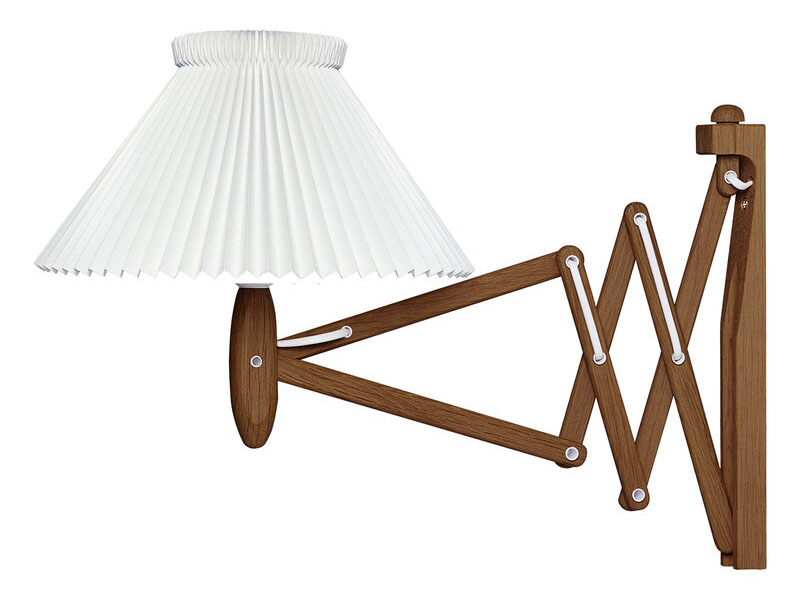
The Sax 224-1/17 Wall Lamp is a wall-mounted, adjustable lamp made with a wooden accordion-style arm and a pleated shade. It is produced by Le Klint, a Danish lighting company known for hand-folded lampshades and a long design heritage dating back to the 20th century.
The most distinctive feature is the lamp’s extendable scissor arm. It can be pulled outward when you need focused light and pushed back toward the wall when you want a cleaner, more compact look. That makes it especially useful in bedrooms, reading corners, small apartments, home offices, and living rooms where floor space is too precious to be sacrificed to yet another tripod lamp.
Core Product Highlights
Depending on the retailer and market version, the Sax 224 wall lamp is typically available in finishes such as light oak and smoked oak. The shade is commonly offered in paper or PVC/plastic, both using Le Klint’s signature pleated design language. Many listings describe dimensions around 12.2 inches high, with an adjustable projection of roughly 13 to 23.6 inches from the wall.
For bulbs, product listings often recommend an LED bulb around 800 lumens. Some European listings specify E27 and 230V, while U.S.-oriented retailers may offer versions wired for American homes with an E26 base. This is one of those details worth checking before purchase, because electricity does not appreciate optimism.
The Design Story: Why the Sax Lamp Still Feels Fresh
Many mid-century designs age in one of two ways. Some become timeless. Others become “interesting,” which is design-speak for “please do not put that in my living room.” The Sax 224-1/17 Wall Lamp belongs firmly in the timeless category.
Erik Hansen’s 1952 design works because it solves a real problem: how to move light closer to where it is needed without cluttering a surface or floor. The accordion arm is both mechanical and graceful. It gives the lamp range, but it also gives it personality. When extended, the fixture feels active and purposeful. When folded back, it becomes neat and architectural.
The pleated shade softens the engineering. Without it, the lamp might feel too workshop-like or mechanical. With it, the Sax becomes warmer, quieter, and more domestic. The shade turns light into atmosphere, which is why this lamp works as well beside a bed as it does above a reading chair.
Materials and Craftsmanship
The Sax 224-1/17 Wall Lamp combines natural wood, metal hardware, and a pleated shade. That material mix is a major part of its charm. The oak arm brings warmth and texture. The metal fittings provide structure. The shade diffuses light so the lamp feels inviting rather than harsh.
Light Oak vs. Smoked Oak
Light oak is the brighter, more casual option. It pairs beautifully with white walls, pale floors, linen bedding, wool rugs, and airy Scandinavian interiors. If your room leans toward minimalism, Japandi, coastal modern, or natural neutrals, light oak will likely feel right at home.
Smoked oak has a deeper, richer tone. It works well in moody bedrooms, libraries, dark-painted living rooms, walnut-heavy interiors, and spaces that already include black, bronze, leather, or stone. Smoked oak gives the Sax lamp a more dramatic personality without turning it into a diva. It is still Danish, after all; it knows how to behave.
Paper Shade vs. PVC Shade
The paper shade is the traditional choice and offers a delicate, warm diffusion. It gives the lamp a softer handcrafted feeling. The PVC or plastic shade is often described as more practical because it can be easier to wipe clean and may resist everyday dust better. Both versions preserve the pleated look that makes Le Klint lighting so recognizable.
For a bedroom or reading nook, paper feels especially cozy. For a busier household, a home office, or a space where cleaning practicality matters, PVC may be the smarter choice. The best shade is not just the prettiest one; it is the one your real life will not immediately sabotage.
How the Sax 224-1/17 Wall Lamp Performs
The Sax 224-1/17 Wall Lamp is best understood as a task and accent light. It can help you read in bed, illuminate a chair, brighten a corner, or add a warm glow near a sofa. It is not meant to replace a full ceiling light in a large room, and asking it to do so would be like asking a violinist to carry the entire marching band.
As a Reading Lamp
This is where the Sax lamp shinesliterally and emotionally. The adjustable arm lets you pull the shade closer when reading and push it back when finished. Mounted near a headboard or lounge chair, it can provide focused light without taking up nightstand or side-table space.
An LED bulb around 800 lumens is often a good starting point for reading, though the best choice depends on shade material, bulb shape, and room brightness. A warm white bulb, around 2700K to 3000K, usually complements the wood and pleated shade best. Cooler bulbs can make the lamp feel a little too clinical, as if your bedroom is preparing for dental work.
As a Bedside Wall Lamp
In bedrooms, the Sax 224-1/17 Wall Lamp offers a major advantage: it clears the nightstand. That means more room for books, glasses, water, a phone charger, or the mysterious collection of receipts we all pretend is temporary.
Install one lamp on each side of the bed for a balanced look, or use a single Sax lamp on one side for an asymmetrical, design-forward arrangement. Because the arm extends, it can be adjusted for reading, then folded away to keep the wall tidy.
As a Living Room Accent
In a living room, the Sax lamp works beautifully beside a sofa, above a low cabinet, or near an armchair. It adds texture and depth without needing floor space. Its sculptural arm also gives the wall visual interest, especially when mounted against painted drywall, plaster, wood paneling, or wallpaper.
The lamp feels particularly strong in rooms that use layered lighting: a ceiling fixture or pendant for general illumination, table lamps for atmosphere, and wall lamps like the Sax for task and accent lighting. This layered approach makes a room feel designed rather than merely “lit enough to find the remote.”
Where to Use the Sax 224-1/17 Wall Lamp
The Sax 224-1/17 Wall Lamp is versatile, but it performs best when placed where adjustability matters. A fixed wall sconce can look beautiful, but the Sax has movement. That movement is the point.
Best Rooms and Placement Ideas
Bedroom: Mount it beside the bed, ideally high enough that the shade can clear pillows and bedding when extended. It is excellent for readers who do not want a bulky table lamp.
Reading nook: Place it beside a lounge chair, especially in a corner where a floor lamp would feel crowded. The extendable arm brings the light close when needed.
Home office: Use it near a secondary work surface, bookshelf, or reading chair. It adds warmth to an office that might otherwise feel dominated by screens and cables.
Living room: Install it beside a sofa or above a console table. The lamp creates a refined focal point and softens the room at night.
Hallway or transition space: Use with caution. The arm extends, so it should not be mounted where people may bump into it. A hallway Sax lamp can be beautiful, but only if the hallway is wide enough and the lamp is usually kept folded in.
Installation and Buying Considerations
Before buying the Sax 224-1/17 Wall Lamp, pay close attention to the version being sold. Product listings can vary by region. Some are European-spec fixtures with E27 sockets and 230V information. U.S.-oriented retailers may sell versions wired for American electrical systems, often with an E26 socket. Always confirm voltage, plug or hardwire requirements, bulb base, cord length, and mounting details before ordering.
Measure Before You Fall in Love
The Sax lamp can project roughly 13 to 23.6 inches from the wall, depending on configuration. That adjustability is wonderful, but it requires planning. Before installation, test the position with painter’s tape on the wall. Mark the folded and extended reach. Make sure the shade will not collide with cabinet doors, headboards, curtains, artwork, or your own forehead during a midnight snack mission.
Choose the Right Bulb
A quality LED bulb is the best match for most modern use. LEDs use less energy than traditional incandescent bulbs, last longer, and produce less heat. For the Sax lamp, a warm, dimmable LED bulb may be ideal if your fixture and switch setup support dimming. Always follow the maximum wattage listed for the specific version you purchase.
For mood lighting, choose lower lumens. For reading, start around 800 lumens and adjust based on comfort. For color temperature, 2700K is cozy and classic, while 3000K feels slightly cleaner and more modern. Anything much cooler may fight the warm personality of the wood and shade.
Style Pairings: What Looks Good With the Sax Lamp?
The Sax 224-1/17 Wall Lamp is strongly associated with Scandinavian design, but it does not need to live in a showroom full of pale oak furniture and impossibly calm people. It works across many interiors because it combines function, texture, and geometry.
Scandinavian and Japandi Interiors
This is the easiest match. Pair the Sax lamp with linen bedding, neutral walls, low-profile furniture, wool textiles, ceramic accessories, and natural wood. The light oak version looks especially effortless in this setting.
Mid-Century Modern Rooms
The lamp’s 1952 origin makes it a natural partner for mid-century furniture. It works well with lounge chairs, teak cabinets, walnut sideboards, leather seating, and vintage-inspired rugs. Smoked oak can add handsome contrast to richer wood tones.
Modern Minimalist Spaces
In a minimalist room, the Sax lamp adds movement without clutter. Its folded form creates a clean silhouette, while the pleated shade prevents the space from feeling too cold. It is a smart choice when you want one object on the wall to do real visual work.
Traditional or Transitional Homes
The pleated shade gives the Sax lamp enough softness to work in more traditional spaces. Try it near built-in bookshelves, beside an upholstered bed, or in a reading corner with framed art and layered textiles.
Pros and Cons of the Sax 224-1/17 Wall Lamp
Pros
- Iconic Danish design by Erik Hansen from 1952.
- Adjustable accordion arm provides flexible light placement.
- Beautiful pleated shade creates soft, atmospheric illumination.
- Available in elegant wood finishes such as light oak and smoked oak.
- Excellent for bedside reading, lounge chairs, and compact rooms.
- Wall-mounted design saves table and floor space.
- Works in Scandinavian, mid-century, minimalist, and transitional interiors.
Cons
- Premium pricing makes it a serious investment.
- Requires careful measurement because the arm extends outward.
- Regional electrical specifications may vary by retailer.
- Paper shades need gentle handling and careful cleaning.
- Not intended as the only light source for a large room.
Is the Sax 224-1/17 Wall Lamp Worth It?
The Sax 224-1/17 Wall Lamp is worth considering if you value design history, handmade-looking detail, natural materials, and practical adjustability. It is not the cheapest wall lamp, and it does not pretend to be. What it offers is a rare combination of beauty and usefulness: a lamp that looks collectible but still earns its keep every evening.
For buyers who simply need a basic wall light, there are plenty of less expensive options. For buyers who want a fixture with character, heritage, and long-term style, the Sax lamp makes a stronger argument. It is especially compelling for people who want one standout lighting piece rather than several forgettable ones.
Real-Life Experience: Living With a Sax 224-1/17 Wall Lamp
Imagine installing the Sax 224-1/17 Wall Lamp beside a favorite reading chair. At first, it feels almost too nice to touch. The wooden arm looks like something from a design museum, and the pleated shade has that crisp, handmade elegance that makes you briefly consider dusting the rest of the room. But after a few days, the lamp stops feeling precious and starts feeling practical.
The first thing you notice is how satisfying the adjustable arm is. Pulling it outward feels deliberate, not flimsy. It gives the small ritual of reading a book or settling into a chair a little ceremony. You pull the lamp toward you, the shade hovers where you need it, and suddenly the corner feels like it was designed around your evening routine. A good lamp does not just illuminate a room; it improves the behavior of the room.
In a bedroom, the experience is even more obvious. A traditional table lamp takes up space and usually lights the entire nightstand area whether you want it to or not. The Sax lamp gives you control. You can angle it closer to your book, then fold it back when you are done. The nightstand stays open, the wall gains a sculptural element, and bedtime feels slightly more organizedeven if there is still a laundry pile nearby quietly judging you.
The pleated shade is another daily pleasure. It softens the bulb and spreads light in a way that feels warm rather than aggressive. This matters more than people think. Harsh light can make a beautiful room feel like a convenience store at 2 a.m. The Sax lamp avoids that problem. With a warm LED bulb, it creates a calm pool of light that flatters wood, fabric, books, and skin tones.
Cleaning and maintenance are simple but require common sense. The wooden arm should be treated like furniture, not gym equipment. The shade should be dusted gently, especially if it is paper. A microfiber cloth, soft duster, or low-suction vacuum brush can help keep the pleats tidy. The PVC shade is more forgiving, but it still deserves a gentle hand.
One practical lesson: placement is everything. Mount it too low and the shade may feel intrusive. Mount it too far from the reading spot and you lose the benefit of the extending arm. The sweet spot is usually where the lamp can reach comfortably toward the activity area while folding back neatly when not in use. Before drilling, simulate the arm’s reach with tape, cardboard, or even a very patient friend holding a book at lamp height.
Another experience-based tip is to use dimming if your setup allows it. The Sax lamp is beautiful as a reading light, but it becomes even more versatile when dimmed for evening atmosphere. At full brightness, it helps with pages, screens, or detail work. At lower brightness, it becomes a cozy accent lamp. That flexibility makes it easier to justify the investment because the lamp serves more than one mood.
Over time, the Sax 224-1/17 Wall Lamp tends to feel less like a purchased object and more like part of the architecture. Visitors notice it. Design-minded friends may ask about it. Non-design-minded friends may simply say, “Cool lamp,” which is honestly the highest form of lighting criticism in normal human society.
The biggest adjustment is psychological: once you live with a wall lamp this functional and attractive, ordinary lighting starts to look lazy. A fixed sconce may suddenly feel too stiff. A cheap swing-arm lamp may feel too temporary. The Sax spoils you a little. But if a lamp is going to spoil you, it may as well be one with 1950s Danish design credentials and a shade that looks good from every angle.
Conclusion: A Danish Classic That Still Pulls Its Weight
The Sax 224-1/17 Wall Lamp is a rare fixture that combines movement, craftsmanship, and atmosphere in one elegant form. Its accordion-style oak arm makes it practical, while the pleated shade gives it warmth and visual softness. Designed in 1952 by Erik Hansen, it continues to feel relevant because it was built around a need that never went away: putting beautiful light exactly where people use it.
For a bedroom, reading nook, living room, or home office, the Sax lamp offers more than illumination. It adds rhythm to a wall, saves space, and brings a touch of Danish design history into everyday life. It is not a casual impulse buy, but it is the kind of design piece that can stay with you for years without looking dated.
If you want a wall lamp that is flexible, warm, sculptural, and quietly iconic, the Sax 224-1/17 deserves a place near the top of your shortlist. Just measure carefully, choose the right bulb, confirm the correct electrical version, and prepare for the possibility that your other lamps may begin to look slightly underdressed.
SEO Tags