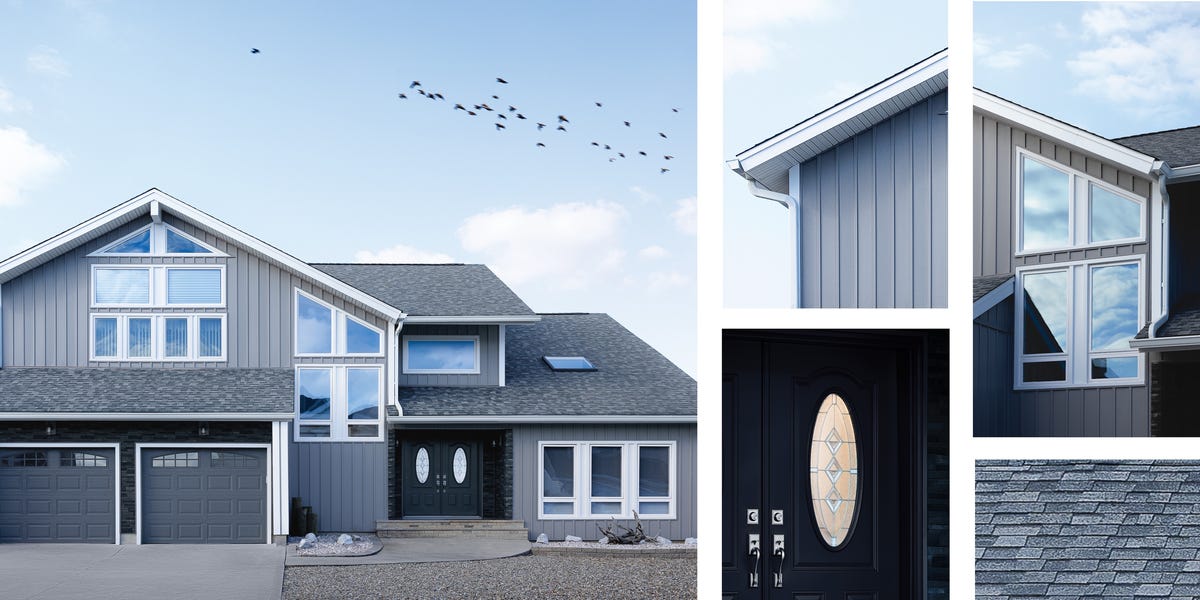

Home remodeling has a funny way of turning normal adults into spreadsheet philosophers. One minute you are admiring a faded piece of vinyl siding, and the next you are whispering, “But what is the resale value of curb appeal?” into your coffee. Welcome to remodeling math, where siding, roofing, and windows are not just home upgradesthey are financial decisions wearing work gloves.
The good news: exterior remodeling projects often perform better at resale than highly personalized interior renovations. Buyers may debate whether your emerald-green kitchen cabinets are “bold” or “a cry for help,” but they rarely argue with a fresh roof, tight windows, and siding that does not look like it has survived three minor hurricanes and one angry lawn mower.
Still, return on investment is not magic. A new roof does not automatically turn a $400,000 house into a $460,000 house. Replacement windows will not pay for themselves overnight unless your current windows are basically decorative holes. And siding ROI depends heavily on material, neighborhood expectations, installation quality, and whether the exterior makes buyers feel calm or quietly alarmed.
This guide breaks down the real-world ROI on siding, roofing, and windows using current U.S. remodeling benchmarks, practical examples, and a little homeowner common sense. Bring a calculator. Or don’t. We will keep the math friendly.
What ROI Really Means in Home Remodeling
In remodeling, ROI usually means how much of a project’s cost is recovered through increased resale value. The simple formula looks like this:
ROI or cost recouped = resale value added ÷ project cost × 100
For example, if a siding replacement costs $20,000 and adds $18,000 to the expected sale price, the project recoups 90% of its cost. That does not mean you lost money in the everyday sense. You also gained a better-looking, better-protected, lower-maintenance home. It simply means the resale market may value the improvement at $18,000 at the time of sale.
This is where homeowners sometimes get tripped up. Remodeling ROI is not the same as stock-market ROI. You do not buy new windows, sit back, and wait for them to send quarterly dividends. The “return” often comes in several forms: higher resale value, faster buyer interest, improved comfort, lower maintenance, energy savings, insurance confidence, and fewer awkward inspection moments.
Why Exterior Projects Often Win the ROI Game
Exterior renovations tend to perform well because they solve visible problems. A buyer can see curling shingles from the curb. They can spot warped siding before they even take off their sunglasses. They can feel drafty windows during a showing and immediately imagine their heating bill walking into traffic.
By contrast, many interior remodels are taste-driven. A luxury bathroom with black marble and gold fixtures may delight one buyer and frighten another. Exterior improvements are more universal. Most people like dry walls, weather protection, lower maintenance, and a home that does not look tired in listing photos.
National remodeling data in recent years has consistently shown exterior replacement projects ranking among the best home improvements for resale value. That makes sense. Siding, roofing, and windows work like the home’s armor. Buyers may not understand every technical detail, but they understand this: old exterior systems can become expensive problems.
Siding ROI: The Curb Appeal Heavyweight
If your house had a jacket, it would be siding. And if that jacket is faded, cracked, swollen, or missing pieces, buyers notice. Siding replacement is one of the most powerful exterior upgrades because it changes the look of the entire home while also improving protection against moisture, pests, and weather.
Fiber-Cement Siding: Higher Cost, Strong Resale Appeal
Fiber-cement siding has become a favorite in many U.S. markets because it balances durability, fire resistance, pest resistance, and a clean painted look. It usually costs more than standard vinyl siding, but it often produces stronger resale performance because buyers associate it with long-term value and lower maintenance.
Recent national remodeling benchmarks place fiber-cement siding replacement among the highest-ROI major exterior projects. In one common project profile, fiber-cement siding replacement costs a little over $21,000 and can return more than its cost in estimated resale value. That is unusually strong in remodeling math. In plain English: this is the rare project where the spreadsheet may actually smile back at you.
However, fiber cement is not automatically the best choice for every home. It must be installed correctly, painted or finished properly, and matched to the architecture. A premium siding product slapped onto a neglected exterior with rotten trim and sad gutters is like wearing a tuxedo with muddy sneakers. Technically upgraded, emotionally confusing.
Vinyl Siding: Practical, Affordable, and Often Near Break-Even
Vinyl siding remains popular because it is affordable, widely available, and low maintenance. It can dramatically improve a home’s appearance at a lower upfront cost than fiber cement, engineered wood, brick, or stucco. Current national averages show vinyl siding replacement often recouping a large share of its cost, sometimes close to break-even at resale.
The best vinyl siding ROI usually comes from choosing a style and color that fits the home and neighborhood. Neutral colors, crisp trim, and realistic profiles generally age better than ultra-trendy colors or bargain-bin panels that look thin enough to be scared of a soccer ball.
For resale, vinyl siding works especially well when the existing siding is obviously worn. If the old siding is faded, cracked, loose, or stained, replacement can remove a major buyer objection. If your current siding is still in solid shape, a targeted repair, cleaning, or repainting may be smarter than a full replacement.
Roofing ROI: Not Always Flashy, But Hugely Important
A new roof is not always the highest percentage ROI project, but it may be one of the most important. Why? Because buyers fear roof problems the way cats fear cucumbers. A questionable roof can derail negotiations, trigger inspection drama, complicate insurance, and make buyers wonder what else has been neglected.
Asphalt Shingle Roof Replacement
Asphalt shingles are the most common residential roofing material in the United States because they are relatively affordable, familiar to contractors, and available in many styles. Recent national remodeling data places asphalt shingle roof replacement in the moderate ROI range, often recouping around two-thirds of its cost at resale.
At first glance, that may sound underwhelming. Spend about $30,000 and recover roughly $20,000? Not exactly fireworks. But roof ROI is not only about the resale premium. A failing roof can reduce buyer confidence, invite repair credits, or even cause a buyer to walk away. In that case, replacing the roof may protect the sale more than “increase” the sale price.
Think of roof replacement as a risk reducer. It says, “Dear buyer, please enjoy this home without immediately Googling emergency leak repair at 2 a.m.” That message has value.
Metal Roofing: Durable, Attractive, but Cost-Sensitive
Metal roofing can offer long life, strong weather performance, and a distinctive look. In some regionsespecially areas with heavy snow, wildfire concerns, or high wind exposuremetal roofing may appeal strongly to buyers. But it usually costs significantly more than asphalt shingles, and national resale ROI percentages often look lower because the upfront cost is high.
That does not make metal roofing a bad investment. It simply means it works best when homeowners plan to stay long enough to enjoy the durability, energy benefits, and reduced replacement cycle. If you are selling next spring, installing a premium metal roof on a modest home may be more generosity than strategy.
Window ROI: Comfort, Efficiency, and Buyer Psychology
Replacement windows are interesting because their ROI is split between resale value, energy savings, comfort, noise reduction, and daily usability. New windows may not recover every dollar at resale, but they can make a home feel noticeably tighter, quieter, and more modern.
National remodeling data often places vinyl window replacement ahead of wood window replacement in percentage ROI, largely because vinyl costs less upfront. A typical project replacing multiple windows with energy-efficient vinyl units may recoup roughly three-quarters of its cost. Wood windows may appeal in historic or high-end homes, but the higher cost can reduce the percentage return.
Energy Savings: Real, But Not a Fairy Tale
Energy-efficient windows can lower heating and cooling costs, especially when replacing old single-pane or poorly sealed units. ENERGY STAR guidance indicates that certified windows, doors, and skylights can reduce household heating and cooling energy costs, and the Department of Energy notes that windows account for a meaningful portion of residential heating and cooling energy use.
But here is the honest part: do not expect energy savings alone to pay for a whole-house window replacement quickly. If your windows cost $20,000 and save a few hundred dollars a year, the payback period may be long. The better argument for replacement windows is a bundle of benefits: comfort, less draft, reduced noise, improved appearance, smoother operation, better locks, UV protection, and stronger resale presentation.
In other words, windows are not just about utility bills. They are about no longer needing a blanket in your living room because one double-hung window has declared itself a wind instrument.
Siding vs. Roofing vs. Windows: Which Should You Do First?
The best project is not always the one with the highest published ROI. The best project is the one that solves the biggest problem for your specific home.
Choose Siding First If…
Choose siding first if the exterior looks visibly dated, faded, cracked, or mismatched. Siding replacement can transform curb appeal quickly, and curb appeal matters enormously in online listings. Buyers scroll fast. If your home’s first photo looks fresh and well-maintained, you earn attention before the buyer ever reads the square footage.
Siding should also move up the priority list if you see water damage, pest activity, swelling, soft spots, or repeated paint failure. Cosmetic siding problems are one thing. Moisture problems are another. Moisture is the villain in many homeownership stories, and it never arrives wearing a name tag.
Choose Roofing First If…
Choose roofing first if the roof is near the end of its life, missing shingles, leaking, sagging, or showing widespread granule loss. Even if siding has a better ROI percentage, a weak roof can create bigger financial risk. Home inspectors pay attention to roofs, and buyers often use roof age as a negotiating weapon.
If you plan to sell soon, get a roof inspection before making assumptions. Sometimes a roof needs full replacement. Sometimes it needs repairs, flashing work, ventilation improvements, or documentation that reassures buyers. The least glamorous sentence in remodeling may also be one of the most profitable: “Here is the roof report.”
Choose Windows First If…
Choose windows first if they are drafty, fogged between panes, difficult to open, rotting, leaking, unsafe, or wildly inefficient. Windows also become a priority if comfort is poor in rooms you use every day. A bedroom that turns into a walk-in freezer every January is not a lifestyle feature.
For older homes, consider whether full replacement is necessary. If frames are solid, repairs, weatherstripping, storm windows, or selective replacement may deliver better value than replacing every unit. The smartest window project is targeted, not emotional. Never let a salesperson convince you that every window must go simply because one sash has an attitude problem.
A Simple Remodeling Math Example
Imagine a homeowner with a 2,000-square-foot house preparing to sell within two years. The siding is faded but functional, the roof is 23 years old, and the windows are original double-pane units with a few fogged panes.
Option one: replace all the siding for $18,000. If the project adds around $17,000 in resale value, the cost recovery is strong, and the listing photos improve dramatically.
Option two: replace the roof for $32,000. If the resale value added is around $21,000, the percentage ROI is lower. But if the old roof would have triggered a $15,000 buyer credit, delayed closing, or failed insurance review, the practical value may be much higher than the published percentage.
Option three: replace all windows for $22,000. If the resale value added is around $16,000, the ROI is respectable. The home also feels quieter, tighter, and more polished during showings.
The smartest move may be roof first, siding second, windows selectively. Why? Because the roof creates the biggest deal risk. The siding creates the biggest first-impression gain. The windows create comfort and efficiency value but may not need whole-house replacement unless many are failing.
How to Improve ROI Before You Spend
Get Multiple Quotes
For siding, roofing, and windows, quotes can vary dramatically. Get at least three detailed estimates from licensed, insured contractors. The cheapest bid is not always the best bid; sometimes it is just a future problem wearing a discount hat.
Compare Scope, Not Just Price
A roofing quote should specify tear-off, underlayment, flashing, ventilation, drip edge, disposal, warranties, and cleanup. A siding quote should clarify house wrap, trim, flashing, insulation options, removal, repairs, and paint or finish details. A window quote should identify brand, glass package, U-factor, solar heat gain coefficient, installation method, trim work, and warranty coverage.
Match the Neighborhood
ROI depends on buyer expectations. Premium materials make more sense in neighborhoods where buyers expect premium finishes. Over-improving can hurt returns. Installing ultra-high-end windows on a starter home may not produce the same payoff as installing them on a custom home where buyers expect that level of performance.
Fix the Hidden Problems
Do not put new siding over rot. Do not install new roofing without addressing ventilation. Do not replace windows while ignoring water intrusion. Hidden defects are ROI termites. They quietly chew through your budget and leave you wondering why the “simple project” now has a sequel.
Keep Documentation
Save contracts, warranties, permits, product labels, inspection reports, and receipts. When selling, documentation helps buyers trust the work. A new roof is good. A new roof with transferable warranty paperwork is better. A new roof with no paperwork is just a story you tell while everyone nods politely.
Common Mistakes That Hurt Remodeling ROI
The first mistake is replacing something that only needs repair. If two windows are fogged, you may not need twenty new windows. If one siding elevation is damaged, full replacement may be optional. If a roof has a few localized issues, repairs may buy years of useful life.
The second mistake is choosing materials based only on trend. Dark siding, black windows, and dramatic metal roofs can look fantastic on the right home. On the wrong home, they can look like the house is trying too hard at a reunion.
The third mistake is ignoring installation quality. A mid-range product installed beautifully usually beats a premium product installed poorly. Water does not care how expensive your materials were. It only cares whether flashing was done correctly.
The fourth mistake is assuming national ROI equals local ROI. Remodeling value varies by region, neighborhood, climate, labor costs, and buyer preferences. In a coastal market, impact-rated windows may matter. In a snowy climate, roof durability and ventilation may matter more. In a hot climate, solar heat control can be a major comfort feature.
of Real-World Experience: What Homeowners Learn the Hard Way
Here is the experience-based part of remodeling math: the project that looks best on paper is not always the project that feels best after you live with it. Homeowners often start with ROI because it feels responsible. Then they discover that daily comfort, maintenance, and peace of mind matter just as much as resale percentages.
With siding, the biggest lesson is that preparation matters. Many homeowners focus on color and material, which is understandable because those are the fun parts. But the real value is underneath: weather barrier, flashing, trim details, and repair of damaged sheathing. A beautiful siding job over unresolved moisture damage is like putting fresh frosting on a cake that has been sitting in the garage since July. It may photograph well briefly, but trouble is coming.
Homeowners also learn that siding color behaves differently in real life than it does on a sample board. A gray that looks sophisticated in the showroom can turn cold and flat under cloudy skies. A beige that seems boring indoors may look warm and expensive outside. The best move is to view large samples outdoors at different times of day. Morning sun, afternoon shade, and rainy weather all have opinions.
With roofing, the biggest lesson is timing. Waiting until a roof leaks is almost always more expensive than replacing it when it is clearly near the end of its service life. Once water gets inside, the project can expand into decking repair, insulation replacement, drywall damage, paint, mold remediation, and emotional snacking. A roof is one of those projects where being early can feel annoying but being late can feel financially rude.
Homeowners who replace roofs also learn to ask about ventilation. Shingles are visible, but attic airflow is what helps the system last. Poor ventilation can shorten roof life, increase heat buildup, and contribute to moisture problems. The roof you see from the street is only part of the roof you are buying.
With windows, homeowners often learn that comfort is the real payoff. The energy savings are helpful, but the bigger joy may be sitting near a window in January without feeling personally attacked by a draft. New windows can reduce street noise, improve security, make cleaning easier, and eliminate foggy glass that makes every sunrise look like it was filmed through soup.
Another practical lesson: do not let financing offers distract from total cost. Many exterior contractors offer monthly payment plans, which can be useful, but always compare the full installed price, interest rate, fees, and payoff terms. A project that sounds affordable at “only $199 a month” may still be expensive if the total cost is inflated.
The best remodeling experience usually comes from slowing down. Get inspections. Gather quotes. Ask specific questions. Compare materials. Read warranties. Check licenses and insurance. Look at completed local projects. The contractor who welcomes detailed questions is usually a better sign than the one who says, “This price is only good if you sign before dinner.” High-pressure sales tactics are not a construction method.
In the end, smart remodeling math is not about chasing the highest ROI percentage like it is the last cookie on the plate. It is about balancing resale value, repair urgency, neighborhood standards, comfort, and budget. Siding sells the first impression. Roofing protects the transaction. Windows improve the daily experience. When those three work together, your home feels newer, safer, and more valuablewithout needing a reality TV crew to knock down a wall for dramatic effect.
Conclusion: The Smartest ROI Is the One That Fits Your House
Siding, roofing, and windows all have strong roles in remodeling ROI, but they do not work the same way. Siding often delivers the most visible curb appeal and can produce excellent resale results, especially with fiber cement or well-chosen vinyl. Roofing may show a lower percentage return, but it protects the sale from inspection problems and buyer anxiety. Windows provide a mix of resale value, energy performance, comfort, noise reduction, and everyday usability.
The smartest strategy is to evaluate condition first, resale goals second, and product upgrades third. If a component is failing, fix it before chasing cosmetic improvements. If you are selling soon, prioritize buyer confidence and broad appeal. If you are staying long term, factor in maintenance, comfort, durability, and energy performance.
Remodeling math is not about spending the most money. It is about spending money where buyers, appraisers, inspectors, and your future self can all see the value. That is the kind of math even a tired homeowner can love.
Note: This article is based on current U.S. remodeling ROI benchmarks, national exterior replacement cost trends, energy-efficiency guidance, and practical contractor-hiring best practices from reputable American housing, remodeling, consumer, and energy organizations.


