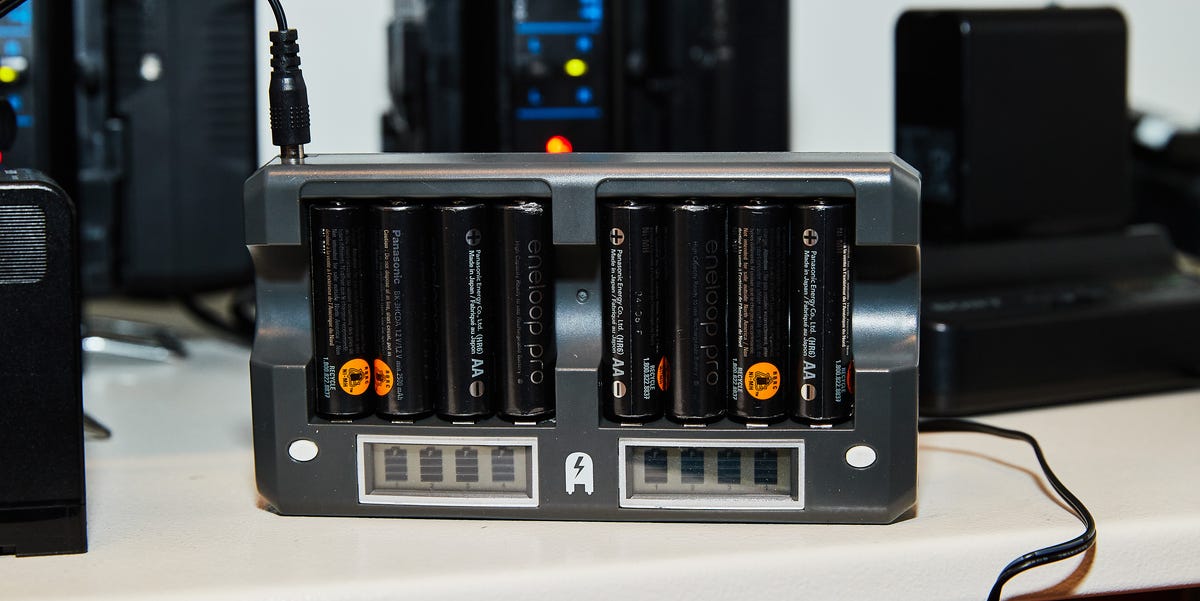

I used to treat batteries like socks: buy a pack, lose half of them, discover the rest in a drawer during a minor household emergency, and wonder why the flashlight still looked like it was powered by a tired firefly. Then I started comparing rechargeable vs. alkaline batteries more seriously, and the result was surprisingly practical. I expected a boring decision about AA and AAA cells. Instead, I discovered a small household upgrade that saves money, reduces clutter, keeps high-drain devices happier, and makes me feel slightly less like a battery goblin.
The big question is simple: are rechargeable batteries better than alkaline batteries? The honest answer is: often, yesbut not always. Rechargeable NiMH batteries are usually the better long-term choice for devices that eat batteries quickly, such as game controllers, camera flashes, toys, wireless keyboards, computer mice, LED flashlights, and portable audio gear. Alkaline batteries still have a place in low-drain devices, emergency kits, wall clocks, smoke alarms that specifically require them, and gadgets that sit unused for months.
Once I stopped thinking of batteries as “tiny disposable tubes of electricity” and started matching the battery type to the device, everything changed. My drawers got cleaner. My spending became more predictable. My game controller stopped demanding tribute every few weekends. And best of all, I stopped making that shameful last-minute trip to the store for a four-pack of AA batteries at a price that suggested they had been hand-forged by monks.
Rechargeable vs. Alkaline Batteries: What Is the Real Difference?
Alkaline batteries are single-use batteries. They usually come in familiar sizes like AA, AAA, C, D, and 9V. You use them until the device stops working, then you recycle or dispose of them according to local rules. They are convenient, widely available, and great for many low-power devices.
Rechargeable batteries, especially NiMH rechargeable batteries, are designed to be used again and again. You charge them, use them, charge them again, and repeat the cycle hundreds of times depending on the brand, charger, and usage habits. Some popular rechargeable AA batteries are sold pre-charged and can hold a charge in storage for months, which makes them far more convenient than the old rechargeables that seemed to lose energy just by looking at them funny.
Voltage: The Detail That Confuses Everyone
One of the first things people notice is that alkaline AA batteries are labeled 1.5 volts, while NiMH rechargeable AA batteries are usually labeled 1.2 volts. At first, that sounds like rechargeables are weaker. In real-world use, the story is more interesting.
A fresh alkaline battery may start around 1.5 volts, but its voltage gradually drops as it drains. In high-drain devices, that voltage can sag quickly. NiMH rechargeable batteries start lower, but they tend to deliver steadier voltage during much of their discharge cycle. That is why rechargeables can feel stronger in devices that need consistent current, even though the number printed on the label looks smaller.
The Surprising Benefits I Discovered After Switching
1. Rechargeable Batteries Can Save Real Money
The first benefit is the one everyone expects: cost savings. A pack of rechargeable batteries plus a smart charger costs more upfront than a pack of alkaline batteries. That part hurts a little, like buying printer ink or paying for guacamole. But once you reuse those batteries enough times, the math starts smiling.
Imagine a household with two game controllers, a wireless mouse, a flashlight, a camera flash, and a few battery-powered toys. If those devices burn through alkaline batteries every few weeks, the cost adds up fast. Rechargeable AA batteries can be recharged hundreds of times, and some models are rated for up to 1,000 cycles or more. Even if real-world performance is lower than the perfect laboratory number, the long-term savings can be dramatic.
The biggest savings happen in high-consumption devices. If a TV remote uses one set of batteries for two years, rechargeable batteries may not pay for themselves quickly. But if a toy dinosaur roars, stomps, flashes, and drains four AA batteries in a weekend, rechargeables become financial self-defense.
2. High-Drain Devices Often Perform Better
This was the benefit that surprised me most. I assumed alkaline batteries were stronger because they had the famous 1.5V label. But in devices that demand more current, NiMH rechargeable batteries often feel more reliable.
Digital cameras, camera flashes, handheld gaming devices, wireless controllers, bright LED flashlights, and motorized toys can place a heavy load on batteries. Alkaline batteries may lose voltage faster under that load, which can make a device slow down, dim, or complain that the battery is low even when some energy remains. Rechargeable NiMH batteries are usually better at delivering steady current, so the device may run more consistently.
In plain English: alkaline batteries are like a person who starts a race sprinting and then dramatically asks for a chair. Rechargeables are more like the steady jogger who packed snacks.
3. Less Battery Waste Means Less Drawer Guilt
Every used battery eventually becomes waste. Rechargeable batteries do not magically disappear from the environmental equation, and they still need proper recycling at end of life. However, replacing dozens or even hundreds of single-use batteries with a smaller set of rechargeables can reduce the number of batteries you buy, store, and discard.
This matters because batteries contain materials that should be managed carefully. The EPA recommends checking local options for recycling household batteries, and rechargeable batteries should generally be taken to approved recycling points instead of tossed casually into household trash. Programs such as Call2Recycle help consumers find battery drop-off locations in the United States and Canada.
The environmental advantage is strongest when you actually use rechargeables many times. Buying rechargeables and then letting them retire untouched in a drawer is not a sustainability plan; it is a tiny electric museum.
4. Rechargeables Reduce Emergency Store Runs
Another underrated benefit is convenience. Once I had a charger and a rotation system, I stopped running out of batteries at the worst possible times. I kept one set in use and one set charged. When a device died, I swapped batteries, placed the drained ones in the charger, and moved on with my life like a person who has their domestic kingdom under control.
This is especially helpful for parents, gamers, photographers, and anyone who owns devices that seem to schedule battery failure five minutes before guests arrive. Rechargeables turn battery replacement from a shopping problem into a simple routine.
5. They Are Better for Devices You Use Often
Rechargeable batteries shine when a device is used regularly. Game controllers, wireless keyboards, flashlights used for work, bike lights, children’s toys, microphones, portable recorders, and photography gear are excellent candidates. The more often you drain the battery, the faster rechargeable batteries prove their value.
For devices that use very little power, alkaline batteries can still make sense. A wall clock, basic remote control, or rarely used emergency radio may run for a very long time on alkaline batteries. In those cases, switching to rechargeable batteries may be less about savings and more about personal preference.
Where Alkaline Batteries Still Make Sense
Rechargeable batteries are not the hero in every scene. Sometimes alkaline batteries are still the right tool for the job.
Low-Drain Devices
Alkaline batteries can perform well in low-drain devices such as clocks, basic remotes, simple calculators, and some sensors. If a device only needs a tiny sip of power over a long period, alkaline batteries may last months or even years.
Emergency Kits
For emergency kits, alkaline batteries can be useful because they are inexpensive, easy to find, and can sit unopened for a long time. That said, you should check expiration dates and inspect them occasionally for leakage. For critical safety devices, always follow the manufacturer’s battery instructions.
Devices That Require 1.5V Batteries
Some devices are picky. A few gadgets may not work correctly with 1.2V NiMH rechargeable batteries, especially if they use simple battery-level detection. Smart locks, medical devices, certain sensors, and some older electronics may specifically recommend alkaline batteries. In those cases, the manual wins. The manual may be boring, but it is usually not lying.
Cost Comparison: The Long-Term Math
Let’s use a simple example. Suppose a family buys a 24-pack of alkaline AA batteries several times per year. If each pack costs around $15 to $25 depending on brand and store, the yearly cost can quickly reach $60, $80, or more. A good charger and a set of rechargeable AA and AAA batteries might cost more upfront, but that setup can serve the household for years.
The break-even point depends on how often you use batteries. In a low-use home, it may take longer. In a home full of controllers, toys, flashlights, and gadgets, the savings can show up quickly. The trick is not to replace every battery immediately. Start with the devices that drain batteries fastest. That is where rechargeable batteries earn their tiny capes.
Performance Comparison: Which Lasts Longer?
There is no universal winner because battery life depends on the device. In a low-drain remote control, alkaline batteries may last longer per charge than NiMH rechargeables. In a high-drain camera flash or toy, rechargeable batteries may outperform alkaline batteries in practical use because they hold voltage more steadily under load.
Another factor is capacity. Many rechargeable AA batteries list capacities around 1,900 to 2,500 mAh, while alkaline battery capacity varies heavily based on current draw. Under light use, alkaline batteries can look impressive. Under heavy use, that advantage often shrinks.
The best way to think about it is this: alkaline batteries can be excellent marathon walkers, while NiMH rechargeables are better gym partners. Choose based on the workout.
Safety and Storage Tips
Batteries are simple to use, but they still deserve basic respect. Store both alkaline and rechargeable batteries in a cool, dry place at normal room temperature. Avoid loose storage where terminals can touch metal objects. Do not mix old and new batteries in the same device, and do not mix battery chemistries unless the device manufacturer says it is safe.
Never try to recharge a battery unless it is clearly labeled rechargeable. Recharging a regular alkaline battery can cause leakage, rupture, or other damage. Use a smart charger designed for NiMH batteries, and remove batteries from devices if they will not be used for a long time.
When batteries reach end of life, recycle them properly. Local rules vary, so check your city, county, or recycling program. Rechargeable batteries should go to appropriate collection points, and lithium batteries require extra care because they can pose fire risks if damaged or handled incorrectly.
My Practical Battery Strategy
After experimenting, I landed on a simple system. I use rechargeable AA and AAA batteries for anything that drains batteries quickly: controllers, flashlights, toys, wireless accessories, and photography gear. I keep a small supply of alkaline batteries for devices that last a long time, devices that specifically require 1.5V alkaline cells, and backup situations.
I also label rechargeable sets with a marker so I can keep them together. This helps prevent one weak battery from dragging down a group. I use a smart charger that charges each cell individually, which is much better than old chargers that treated every battery like it had the same personality and life story.
500-Word Experience Section: What I Learned in Real Life
My rechargeable battery journey started with irritation, not environmental enlightenment. I had a wireless game controller that seemed to consume AA batteries like popcorn. Every time the low-battery warning appeared, I reacted with the calm dignity of a person who had just stepped on a Lego. I would open the junk drawer, find one battery from 2019, one mystery battery with no brand name, and one that looked like it had survived a camping trip. Naturally, none of them worked.
So I bought a charger and a set of rechargeable AA batteries. At first, I treated them like special equipment. I stored them neatly. I checked the charger lights like a tiny power station engineer. I even felt a little proud, which is embarrassing but true. Then the practical benefits kicked in. My controller always had a fresh set ready. My flashlight stopped dying halfway through household tasks. The children’s toys in the house became less financially threatening. I no longer felt like every blinking gadget was reaching into my wallet.
The biggest surprise was how quickly the habit became normal. I created a simple “charged” and “needs charging” system. Charged batteries went into a small case. Drained batteries went beside the charger. Once a week, I charged whatever had collected there. No drama, no guessing, no archaeological dig through the drawer.
I also learned that rechargeables are not perfect everywhere. One wall clock did not love them. It ran, but the low-voltage behavior made it less reliable over time. A basic TV remote worked fine, but because it used so little power, the savings were not exciting. In those devices, alkaline batteries made sense. The lesson was not “rechargeables everywhere.” The lesson was “use the right battery for the right device.” That sounds obvious, but so does “do not put your phone on the roof of your car,” and society still struggles.
For high-drain gear, though, rechargeable batteries were clearly better. Camera accessories refreshed faster. LED lights stayed brighter. Game controllers felt more predictable. I also liked the psychological benefit: I stopped treating batteries as disposable clutter. I had fewer half-used batteries rolling around, fewer questionable cells to test, and fewer emergency purchases.
The experience changed how I shop, too. Instead of buying giant alkaline packs because they looked like a bargain, I now buy fewer batteries overall. I spend more carefully on quality rechargeables and keep a modest alkaline backup supply. It feels cleaner, cheaper, and more organized. And yes, it is oddly satisfying to pull charged batteries from a case instead of robbing them from the TV remote like a desperate raccoon.
Final Verdict: Rechargeable or Alkaline?
For most modern households, rechargeable batteries are worth it. They are especially smart for high-drain devices, frequent-use electronics, toys, gaming gear, flashlights, and photography equipment. They cost more at first, but they can save money over time, reduce waste, and deliver steadier performance where it matters most.
Alkaline batteries still belong in the conversation. They are convenient, inexpensive upfront, widely available, and excellent for many low-drain or long-storage uses. The best battery strategy is not choosing one side forever. It is building a small, sensible battery system: rechargeables for the hungry devices, alkalines for the slow sippers, and recycling for everything at the end.
Once I made that switch, batteries became one less annoying household problem. And honestly, any product that reduces junk-drawer chaos deserves a standing ovationor at least a fully charged flashlight pointed proudly at the ceiling.


