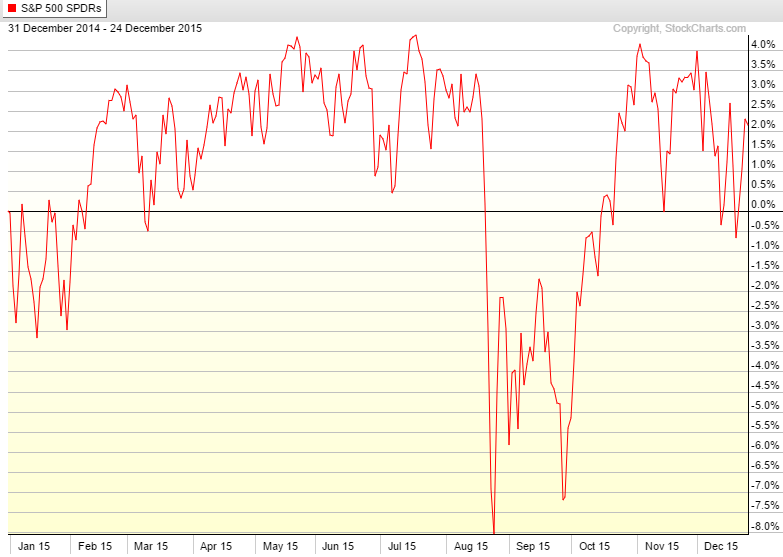

A sideways market is the financial world’s version of a treadmill: lots of motion, very little travel, and somehow everyone is still sweating. Prices move up, then down, then up again, but the market refuses to pick a clear direction. Instead of a dramatic bull market sprint or a bear market tumble, investors get a trading range, where prices bounce between support and resistance like a tennis ball with commitment issues.
For beginners, a sideways market can feel confusing. “Is the market strong?” Maybe. “Is it weak?” Also maybe. “Should I buy, sell, hold, trade options, rebalance, or stare at the chart until it apologizes?” That depends on your strategy, risk tolerance, time horizon, and whether you are investing or actively trading.
The truth is that a sideways market is neither automatically good nor bad. It can frustrate trend followers, reward patient range traders, benefit income-focused investors, and test the emotional discipline of anyone who expects every chart to go neatly up and to the right. Understanding the pros and cons of a sideways market helps investors avoid overreacting, traders avoid chasing fake breakouts, and everyone avoid turning a calm market into a personal soap opera.
What Is a Sideways Market?
A sideways market, also called a range-bound market or horizontal market, happens when the price of a stock, index, ETF, commodity, or other asset moves within a relatively narrow range for an extended period. The market does not make a consistent series of higher highs and higher lows, as it would in an uptrend. It also does not form lower highs and lower lows, as it would in a downtrend.
Instead, buyers tend to step in near a lower price area called support, while sellers often appear near an upper price area called resistance. Support is where demand may become strong enough to slow or reverse a decline. Resistance is where selling pressure may become strong enough to slow or reverse a rally.
For example, imagine a stock that spends three months moving between $48 and $55. Every time it approaches $48, buyers show up. Every time it nears $55, sellers take profits. The stock is not collapsing, but it is not exactly auditioning for a rocket launch either. That is a classic sideways market.
Why Sideways Markets Happen
Sideways markets often appear when investors are uncertain. The economy may be sending mixed signals. Earnings may be decent but not dazzling. Interest rates may be in a “will they, won’t they” relationship with the Federal Reserve. Inflation may be cooling but not enough to throw a party. In these moments, buyers and sellers can reach a temporary balance.
Sideways action can also happen after a strong rally or a sharp decline. After a big move, the market often needs time to digest gains or losses. Traders call this consolidation. Think of it as the market sitting on the couch after sprinting up a hill, pretending it is “just checking emails.”
Another cause is waiting. Markets often move sideways before major events such as earnings reports, inflation data, central bank meetings, elections, regulatory announcements, or major economic reports. Investors may hesitate to make bold moves until new information arrives.
The Pros of a Sideways Market
1. Sideways Markets Can Create Clear Trading Ranges
One of the biggest advantages of a sideways market is that it can create visible support and resistance zones. For disciplined traders, this structure can be useful. A trader may look to buy near support and sell near resistance, aiming to capture smaller repeated moves instead of waiting for a major trend.
For example, if an ETF keeps bouncing between $100 and $108, a range trader might consider buying close to $100 with a stop-loss below the range, then taking profits near $108. This does not guarantee success, of course. Markets enjoy embarrassing confident people. But a defined range can make planning easier than trading a chart that behaves like a squirrel on espresso.
2. They Encourage Patience and Discipline
A sideways market rewards investors who can wait. Long-term investors may use these periods to review allocations, rebalance portfolios, evaluate fundamentals, and add to high-quality positions without being hypnotized by daily drama. When the market goes nowhere, discipline becomes more important than prediction.
This is especially helpful for investors using dollar-cost averaging. By investing a fixed amount at regular intervals, investors can build positions gradually without trying to guess the perfect entry point. In a range-bound market, this approach may reduce the emotional pressure of buying all at once at the “wrong” price.
3. Income Strategies May Become More Attractive
Sideways markets can appeal to income-focused investors because capital appreciation may be limited. Dividend-paying stocks, bond funds, Treasury securities, money market funds, covered-call ETFs, and other income-generating assets may receive more attention when price gains are harder to find.
Some experienced options investors use covered calls in neutral or mildly bullish markets. A covered call involves owning the underlying stock and selling a call option against it. The investor receives option premium, which can provide extra income. However, this strategy also caps upside potential if the stock rises above the strike price. In plain English: you collect rent on the stock, but you might have to hand over the keys if it rallies too much.
4. Sideways Markets Can Reduce Fear of Missing Out
In a roaring bull market, investors often feel pressured to chase. Every chart looks like it is shouting, “Buy now or regret everything forever!” A sideways market cools that emotional temperature. Since prices are not racing upward every day, investors may have more time to research, compare valuations, and avoid impulsive decisions.
This calmer environment can help newer investors learn how markets behave without the extreme psychological pressure of a crash or a melt-up. The market is still risky, but it may feel less like a fireworks show inside a bowling alley.
5. Consolidation Can Set Up the Next Major Move
Sideways markets often precede larger moves. When a stock or index consolidates for weeks or months, it can build pressure. A breakout above resistance may signal renewed strength. A breakdown below support may signal weakness. Traders often watch volume, momentum, moving averages, and market breadth to judge whether a breakout is more likely to hold.
For long-term investors, the sideways period can be a useful observation window. Are earnings improving? Is debt manageable? Are margins stable? Is the broader market healthy? Sideways price action gives investors time to separate temporary boredom from genuine deterioration.
The Cons of a Sideways Market
1. Returns Can Feel Frustratingly Flat
The most obvious drawback is limited price progress. If an investor buys an index fund or stock at the beginning of a sideways period, the account balance may look almost unchanged months later. That can feel discouraging, especially when inflation, opportunity cost, and impatience are all quietly tapping their feet.
Flat markets can be especially challenging for investors who need growth over a specific timeframe. If someone is saving for a near-term goal, a sideways market may not provide the capital appreciation they hoped for. This is one reason time horizon matters so much. Money needed soon usually should not depend on short-term stock market movement.
2. False Breakouts Are Common
A sideways market can lure traders into false breakouts. Price pushes above resistance, everyone gets excited, and then the move fails. Or price dips below support, panic begins, and then the asset snaps back into the range. These fake moves can trigger stop-loss orders, create losses, and make traders question their life choices, charting software, and possibly breakfast.
False breakouts happen because liquidity, news, algorithmic trading, and short-term positioning can temporarily push prices outside a range without enough follow-through. Traders often look for confirmation, such as strong volume or a successful retest of the breakout level, before trusting the move.
3. Trend-Following Strategies May Struggle
Moving averages, momentum signals, and trend-following systems often perform best when markets move decisively. In a sideways market, these tools can produce whipsaws. A trader may buy when the price crosses above a moving average, only to sell when it crosses below, then buy again, then sell again. Congratulations, the chart has become a subscription service for frustration.
This does not mean technical indicators are useless. It means traders need to match tools to the market environment. A trend strategy in a choppy range is like wearing hiking boots to a swimming pool: technically footwear, not technically helpful.
4. Frequent Trading Can Increase Costs and Taxes
Range trading may involve more frequent entries and exits. Even with commission-free stock trading, costs still exist. Bid-ask spreads, slippage, option spreads, short-term taxes, and poor execution can eat into returns. A strategy that looks profitable on a chart may look much less charming after real-world friction shows up with a fork and appetite.
Taxes can also matter. Short-term gains may be taxed differently than long-term gains, depending on the investor’s situation. Active traders should understand these implications before turning every small price wiggle into a taxable event.
5. Sideways Markets Can Create Emotional Overtrading
When markets are not moving much, some investors get bored. Boredom is dangerous because it can disguise itself as “opportunity.” A trader may start forcing setups, adding leverage, buying low-quality stocks, or experimenting with complex options strategies without fully understanding the risks.
The market does not owe anyone excitement. Sometimes the best trade is no trade. Sometimes the best investment decision is to keep contributing, rebalance when appropriate, and go live a normal human life. Radical idea, yes, but worth considering.
Best Strategies for a Sideways Market
For Long-Term Investors
Long-term investors should usually focus less on predicting when the sideways market will end and more on whether their portfolio still fits their goals. A sideways period can be a good time to rebalance, harvest losses where appropriate, review fees, strengthen diversification, and continue regular contributions.
Investors may also look at valuation. If high-quality stocks become reasonably priced during a flat market, long-term buyers may find opportunities. However, a cheap-looking stock can always become cheaper, especially if earnings weaken. Fundamentals still matter.
For Active Traders
Active traders may use range-bound strategies, such as buying near support and selling near resistance. Risk management is crucial. Stops should be planned before entering the trade, not invented emotionally while the position is misbehaving.
Traders may also watch for breakout setups. A breakout above resistance with strong volume may indicate the start of a new uptrend. A breakdown below support may suggest a new downtrend. But because false signals are common, confirmation matters.
For Options Investors
Options strategies can be designed around neutral markets, but they require education and caution. Covered calls, cash-secured puts, iron condors, calendar spreads, and short strangles are sometimes used by experienced traders in range-bound conditions. These strategies may generate income if prices stay within expected limits, but they can also create losses if the market moves sharply.
Options are not magic income machines. They are contracts with expiration dates, strike prices, implied volatility, assignment risk, and other moving parts. Anyone using them should understand the full risk profile before placing a trade.
Sideways Market Example
Suppose the S&P 500 trades between 5,000 and 5,300 for several months. Economic data is mixed. Corporate earnings are stable but not spectacular. Inflation is improving slowly. Investors are waiting for the Federal Reserve’s next move. In this environment, a long-term investor might continue monthly contributions and rebalance if stocks drift too far from their target allocation.
A trader, meanwhile, might identify 5,000 as support and 5,300 as resistance. The trader may buy near the lower end of the range and take profits near the upper end. If the index breaks above 5,300 with strong volume, the trader may shift from range trading to breakout trading. If it falls below 5,000, risk controls become critical.
The same market can mean different things to different people. That is why “sideways market” is not a strategy by itself. It is a condition. The strategy depends on the participant.
How to Know When a Sideways Market May Be Ending
No signal is perfect, but several clues can suggest a sideways market is ending. A decisive breakout above resistance or breakdown below support is the most obvious. Rising volume can add credibility. Stronger market breadth, improving earnings estimates, or a shift in economic expectations can also support a new trend.
Technical traders may watch moving averages, relative strength, volatility measures, and momentum indicators. Fundamental investors may watch earnings growth, interest rates, inflation trends, credit conditions, and consumer demand. The best analysis often combines price behavior with real-world context.
Still, humility is useful. Markets can fake confidence better than a teenager explaining why homework is “basically done.” Always have a risk plan.
Practical Experiences: What a Sideways Market Feels Like in Real Life
The experience of living through a sideways market is often less dramatic than a crash but more annoying than a clear rally. A bear market gets headlines. A bull market gets applause. A sideways market gets sighs, eye rolls, and investors refreshing their accounts just to confirm that, yes, absolutely nothing exciting has happened again.
One common experience is impatience. Investors may start the year expecting growth, only to see their portfolio move in circles. A $50,000 account becomes $51,200, then $49,800, then $50,600, then $49,950. After months of this, the investor may feel like the market is personally wasting their time. This is where discipline matters. A flat price does not always mean a bad investment. Sometimes businesses are still growing earnings, paying dividends, reducing debt, or preparing for future expansion while the stock price takes a nap.
Another experience is strategy confusion. A trend trader may feel betrayed because every breakout attempt fails. A long-term investor may wonder whether to keep contributing. An options seller may enjoy collecting premium until one sudden move turns the quiet range into a very loud problem. The lesson is that sideways markets punish one-size-fits-all thinking. The same environment can be useful for one strategy and terrible for another.
Many investors also discover the value of dividends during sideways periods. When prices are flat, dividends can provide a visible return while waiting for capital appreciation. This does not mean investors should buy a stock only because it has a high yield. A dividend that is not supported by cash flow can become a trap. But high-quality dividend payers may feel psychologically easier to hold when price returns are limited.
Sideways markets also teach the importance of opportunity cost. Holding a stock that goes nowhere for two years may be acceptable if the underlying business is improving. Holding a weak company simply because “it has to break out eventually” can tie up capital that might work better elsewhere. Investors should ask: Is this position still earning its place in the portfolio, or am I keeping it because I dislike admitting boredom?
Perhaps the most valuable experience is emotional training. Sideways markets are excellent teachers because they remove the thrill of fast gains and the panic of steep losses. What remains is process. Are you diversified? Are you investing according to a plan? Are you managing risk? Are you avoiding unnecessary trades? Are you choosing assets based on quality and valuation rather than noise?
A sideways market may not make investors feel brilliant every morning. But it can make them better. It teaches patience, selectivity, risk control, and the underrated skill of doing nothing when nothing intelligent needs to be done. In investing, that skill is not boring. It is expensive to learn and valuable to keep.
Conclusion
A sideways market can be frustrating, but it is not useless. It can provide structured trading opportunities, encourage disciplined investing, support income strategies, and create time for thoughtful portfolio decisions. At the same time, it can produce flat returns, false breakouts, whipsaw signals, higher trading costs, and emotional overtrading.
The key is to recognize the environment and adjust expectations. A sideways market is not a bull market wearing a disguise or a bear market waiting in the bushes. It is its own condition, and it demands its own playbook. Long-term investors may benefit from patience, diversification, and steady contributions. Traders may focus on support, resistance, confirmation, and strict risk management. Options investors must understand both income potential and downside risk.
When the market moves sideways, do not mistake stillness for meaninglessness. Sometimes the market is building energy. Sometimes it is digesting news. Sometimes it is simply reminding everyone that investing is not supposed to be a daily fireworks show. The smartest response is not panic. It is preparation.


