
What are probiotics?
Probiotics are live microorganismsusually bacteria, sometimes yeaststhat may provide health benefits when consumed in adequate amounts. They naturally live in and on the human body, especially in the digestive tract, where they participate in the busy community known as the gut microbiome. Think of the microbiome as a bustling city: some residents help keep traffic moving, some clean up waste, some produce useful compounds, and a few troublemakers need to be kept from running the neighborhood.
The most familiar probiotic groups include Lactobacillus, Bifidobacterium, and the yeast Saccharomyces boulardii. However, probiotic benefits are usually strain-specific. That means one strain may help with one issue, while another may do nothing for that same concern. In other words, “probiotic” is not one thing. It is a category, like “dog.” A golden retriever and a chihuahua are both dogs, but only one is likely to knock over your coffee table with its tail.
How probiotics may support gut health
Most people hear about probiotics in connection with digestion, and that is where the strongest public interest sits. Probiotics may help maintain a healthier balance of microbes in the intestines, support the gut barrier, assist digestion, and help crowd out less desirable organisms. Some also produce substances such as short-chain fatty acids, which are linked to gut lining support and immune signaling.
Research suggests that certain probiotic strains may help reduce the risk of antibiotic-associated digestive upset and may be useful in specific gastrointestinal situations. Doctors and professional guidelines often emphasize one important detail: choose the right strain for the right purpose. Taking a random probiotic because the bottle has leaves, sunshine, and the word “balance” on it is not the same as using an evidence-supported product for a clearly defined goal.
Antibiotic-associated diarrhea
Antibiotics can be lifesaving, but they are not exactly gentle houseguests. While targeting harmful bacteria, they may also disturb helpful gut bacteria. Some probiotic strains have been studied for reducing antibiotic-associated diarrhea or helping lower the risk of certain antibiotic-related complications. Still, timing, strain, dose, and personal health status matter. Anyone taking antibiotics should ask a healthcare professional whether a probiotic is appropriate and how to space it from medication.
Bloating, regularity, and everyday digestion
Some people report less bloating or more regular bowel movements after adding probiotic foods or a targeted supplement. Others feel no difference at all. That is not failure; it is biology being annoyingly individual. Your gut microbiome is shaped by diet, sleep, stress, medications, genetics, environment, and probably that week when dinner was mostly fries and regret. Probiotics work best as part of an overall gut-friendly lifestyle, not as a cleanup crew for a diet that never met a vegetable it trusted.
Beyond digestion: immunity, skin, mood, and metabolism
The gut and immune system are closely connected. A large portion of immune activity happens around the digestive tract, where the body constantly decides what is harmless, what is useful, and what needs a firm “absolutely not.” Because of this relationship, probiotics are being studied for immune function, allergies, eczema, oral health, metabolic health, and even mood.
However, the evidence is mixed depending on the condition and strain. Some areas show promise, while others need stronger clinical trials. For example, research on the gut-brain connection is exciting, but probiotics should not be presented as a replacement for mental health care, sleep, movement, social support, or professional treatment. The best way to discuss probiotics is with cautious optimism: interesting, potentially helpful, but not a miracle in capsule form.
Best food sources of probiotics
Food is often the most sensible place to begin. Probiotic-rich foods can bring beneficial microbes along with protein, vitamins, minerals, fiber, or other nutrients. Supplements may be useful in certain situations, but food gives your gut a full dinner party instead of one mysterious guest in a capsule.
Yogurt with live and active cultures
Yogurt is one of the most popular probiotic foods. Look for labels that mention “live and active cultures.” Greek yogurt can be a good option because it is often higher in protein. Choose lower-sugar versions when possible, because turning yogurt into dessert with a health halo does not automatically make it a digestive wellness strategy.
Kefir
Kefir is a fermented milk drink with a tangy taste and a thinner texture than yogurt. It may contain a wider variety of microbes than standard yogurt and is often easier for some people with lactose sensitivity to tolerate. It can be added to smoothies, poured over oats, or consumed plain if you enjoy beverages that taste like yogurt went to college and studied fermentation.
Sauerkraut and kimchi
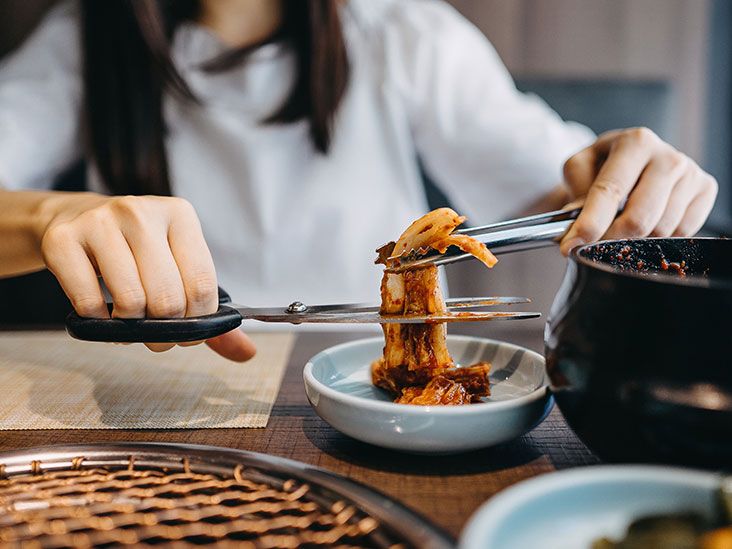
Sauerkraut and kimchi are fermented cabbage-based foods. They can provide live cultures when they are naturally fermented and unpasteurized. Shelf-stable jars may be pickled with vinegar or heat-treated, which can reduce or eliminate live microbes. Check the refrigerated section and look for words such as “raw,” “unpasteurized,” or “naturally fermented.”
Miso, tempeh, and natto
Fermented soy foods can be excellent additions to a balanced diet. Miso adds savory flavor to soups and marinades, tempeh works well in stir-fries and sandwiches, and natto is famous for its strong flavor and sticky texture. Natto is not shy. It enters the room, introduces itself loudly, and expects commitment.
Kombucha and fermented drinks
Kombucha is fermented tea that may contain live microbes, but products vary widely. Some are high in added sugar, and the natural acidity may not be ideal for everyone. Treat kombucha as an occasional beverage, not a required gut-health subscription plan.
Probiotics vs. prebiotics vs. synbiotics
Probiotics are live microorganisms. Prebiotics are food componentsoften types of fiberthat feed beneficial microbes already living in your gut. Synbiotics combine probiotics and prebiotics. A simple way to remember it: probiotics are the guests, prebiotics are the snacks, and synbiotics are guests who bring snacks. The gut approves of this etiquette.
Prebiotic-rich foods include onions, garlic, asparagus, bananas, oats, beans, lentils, apples, barley, and many vegetables. For many healthy people, increasing fiber-rich plant foods may be just as important as adding fermented foods. A gut-friendly plate usually contains both: live cultures from fermented foods and fiber from plants to help beneficial microbes thrive.
Should you take probiotic supplements?
Probiotic supplements come in capsules, powders, liquids, chewables, and refrigerated formulas. Labels often list colony-forming units, or CFUs, which estimate the number of living microbes in a serving. Many products contain billions of CFUs, but more is not always better. A giant number on the label can look impressive, but effectiveness depends on the strain, dose, product quality, storage, and whether that probiotic has evidence for your goal.
Because probiotic supplements are usually sold as dietary supplements in the United States, they are not approved by the FDA for safety and effectiveness before marketing in the same way prescription drugs are. This does not mean all supplements are bad. It means shoppers should be careful, skeptical of dramatic claims, and willing to ask a doctor, pharmacist, or registered dietitian for guidance.
How to choose a probiotic supplement
When choosing a supplement, look for the full strain name, not just the genus and species. For example, a complete label may identify a strain with letters or numbers after the species name. Also check the CFU count through the expiration date, storage instructions, allergen information, and third-party testing when available. Avoid products promising to cure everything from bloating to bad moods to your inbox anxiety. The gut is powerful, but it cannot answer emails for you.
When supplements may not be the best idea
People with weakened immune systems, serious illnesses, central venous catheters, recent major surgery, or complex medical conditions should use probiotics only with professional supervision. Premature infants are a special high-risk group; U.S. regulators have warned about serious infections linked to probiotic products used in hospital settings. Children, pregnant people, older adults with medical conditions, and anyone taking multiple medications should get personalized advice before starting a supplement.
Possible side effects and safety tips
For many healthy adults, probiotic foods are generally well tolerated. Mild gas, bloating, or changes in bowel habits may happen when someone suddenly adds fermented foods or high-fiber prebiotics. These effects are often temporary, but they are a sign to slow down. Your gut does not need a surprise parade of kimchi, kefir, beans, and kombucha in one heroic afternoon.
Start small. Try one new fermented food at a time and observe how you feel. If you are increasing prebiotic fiber, add it gradually and drink enough water. Choose foods with simple ingredients, limit added sugars, and keep fermented products stored properly. If symptoms are severe, persistent, or include warning signs such as unexplained weight loss, blood in stool, fever, dehydration, or significant pain, seek medical care rather than blaming your yogurt.
Practical ways to add probiotics to your routine
A realistic probiotic routine does not need to be fancy. Add plain yogurt with berries to breakfast. Use kefir in a smoothie. Add a spoonful of sauerkraut to a sandwich. Serve kimchi with rice bowls or eggs. Stir miso into warmnot boilingbroth to protect live cultures when present. Try tempeh in tacos, salads, or stir-fries. Pair these foods with fiber-rich staples such as oats, beans, lentils, vegetables, nuts, seeds, and fruit.
The goal is consistency, not culinary acrobatics. A small serving of fermented food several times a week may be more useful than one giant “gut reset” meal that leaves your stomach filing a complaint. Probiotics are part of a pattern: diverse plants, enough fiber, regular sleep, movement, hydration, stress management, and fewer ultra-processed foods.
Experiences related to probiotics: what real-life use often looks like
Many people first meet probiotics after a digestive plot twist. Maybe antibiotics left the stomach feeling unpredictable. Maybe bloating arrived like an unwanted roommate. Maybe a friend recommended kefir with the confidence of someone who recently discovered fermentation and now speaks fluent yogurt. In everyday life, probiotic experiences tend to be practical, personal, and surprisingly humble.
One common experience is the “start too fast” mistake. A person reads about fermented foods and decides to become a gut-health champion overnight. Breakfast becomes kefir, lunch includes kimchi, dinner includes sauerkraut, and kombucha makes a dramatic appearance in between. The next day, the digestive system responds with gas, gurgling, and the emotional tone of a smoke alarm. This does not mean fermented foods are bad. It usually means the amount changed too quickly. A better approach is adding one small serving every few days and letting the gut adjust.
Another experience is discovering that probiotic foods are easier to keep than probiotic pills. A container of plain yogurt in the fridge can become breakfast, dip, marinade, or a snack. Sauerkraut can sit beside grilled chicken or tuck into a sandwich. Miso can turn plain soup into something that tastes like it took effort. For people who dislike swallowing capsules or comparing supplement labels, food feels less like homework and more like lunch.
Some people notice clear improvements: less bloating, better regularity, or a calmer stomach after meals. Others notice nothing dramatic, except perhaps that breakfast got more interesting. Both experiences are normal. The gut microbiome is highly individual, and benefits depend on the person, the microbe, the food, the dose, and the rest of the diet. A probiotic cannot outwork chronic stress, low fiber intake, poor sleep, or a daily menu built entirely from beige convenience foods.
There is also the shopping experience. The supplement aisle can feel like a tiny science museum sponsored by confusion. One bottle says 10 billion CFU, another says 50 billion, another lists 12 strains, and one appears to promise inner peace by Tuesday. A practical shopper learns to look past marketing fireworks. The better questions are: What strain is listed? What is the intended use? Is the CFU count guaranteed through expiration? Does it require refrigeration? Has it been independently tested? Has a healthcare professional recommended it for this purpose?
Finally, many people learn that probiotics work best with prebiotics. Adding yogurt while eating almost no fiber is like inviting gardeners to a yard with no soil. Beans, oats, bananas, onions, garlic, apples, lentils, and vegetables help feed beneficial microbes. The most sustainable experience is not chasing the “perfect” probiotic. It is building a routine that the gut can recognize: fermented foods in reasonable amounts, plenty of plant fiber, enough water, and patience. Gut health is less like flipping a switch and more like tending a gardenexcept the garden occasionally complains after burrito night.
Conclusion
Probiotics can be a useful part of a health-supportive lifestyle, especially when they come from fermented foods and are paired with fiber-rich prebiotics. They may support digestion, help maintain microbial balance, and offer targeted benefits for certain conditions when the right strain is used. But they are not universal cures, and supplements deserve careful selection. For most healthy people, the smartest first step is simple: eat a varied diet, include naturally fermented foods you enjoy, increase plant fiber gradually, and treat bold supplement claims with polite suspicion.
In the end, probiotics are not about chasing trends. They are about supporting a living ecosystem inside your body. Feed it well, introduce helpful microbes thoughtfully, and avoid turning gut health into a full-time detective show. Your microbiome likes consistency, variety, and patiencebasically the opposite of internet wellness drama.


