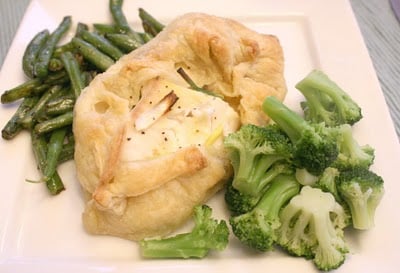

There are weeknight dinners, and then there are weeknight dinners that walk into the room wearing a tiny golden tuxedo. Tilapia in puff pastry belongs firmly in the second group. It is flaky, buttery, elegant, surprisingly easy, and just dramatic enough to make your dinner table feel like it hired a lighting designer.
The beauty of this dish is contrast. Mild, tender tilapia sits inside a crisp shell of puff pastry, often with a creamy herb spread, lemony vegetables, spinach, mushrooms, or a whisper of Dijon mustard. The fish stays moist because the pastry acts like a delicious little blanket, while the outside bakes into golden layers that shatter politely under a fork. It is fish en croûte without the fancy restaurant bill or the waiter who says “excellent choice” like you just solved world peace.
This recipe is ideal for home cooks who want something special without juggling twelve pans and a culinary degree. Tilapia is affordable, quick-cooking, mild in flavor, and easy to find in fresh or frozen fillets. Puff pastry, meanwhile, does most of the visual heavy lifting. You assemble, seal, brush with egg wash, bake, and accept compliments with the humility of someone who knows the freezer aisle helped.
Why Tilapia Works So Well in Puff Pastry
Tilapia has a clean, gentle taste that pairs beautifully with buttery pastry. Unlike stronger fish, it does not fight with herbs, citrus, cheese, or vegetables. It is the agreeable friend of the seafood world: happy with lemon, friendly with garlic, perfectly fine next to spinach, and somehow never making the dinner conversation awkward.
Texture matters too. Tilapia fillets are usually thin and tender, which means they cook at about the same pace as the pastry bakes. That is important. A thick piece of fish could leave you with pastry that is deeply golden while the center is still waiting for its big moment. Tilapia keeps things efficient, especially when the fillets are evenly sized and patted dry before wrapping.
From a nutrition perspective, tilapia is a lean source of protein. It is not as rich in omega-3 fats as salmon or sardines, but it offers a mild, accessible seafood option for people who are trying to eat more fish without diving headfirst into bold flavors. When tucked into puff pastry, it becomes a balanced comfort dish: light fish, rich crust, bright seasoning, and a plate that looks like it should come with applause.
The Secret Is Moisture Control
Puff pastry loves heat, cold butter, and breathing room. What it does not love is soggy filling. If you place wet fish, watery spinach, or juicy vegetables directly onto the pastry, the bottom crust may turn soft instead of flaky. Nobody wants a puff pastry bottom that looks like it made poor life choices.
The solution is simple: dry everything. Pat the tilapia fillets very well with paper towels. If using frozen tilapia, thaw it in the refrigerator, drain it, and press away excess moisture. If adding spinach, sauté it first and squeeze it dry. If adding mushrooms, cook them until their liquid evaporates. If using a creamy spread, apply a thin layer rather than a luxurious spoonful that turns the pastry into soup with ambition.
A small barrier can also help. A spoonful of cream cheese mixed with herbs, a smear of Dijon mustard, or a thin bed of cooked spinach can separate the fish from the pastry and add flavor. The key word is thin. Puff pastry is glamorous, but it is not a storage unit.
Ingredients for Tilapia in Puff Pastry
For 4 servings
- 4 tilapia fillets, about 4 to 6 ounces each
- 1 sheet puff pastry, thawed but still cold
- 1 tablespoon olive oil or melted butter
- 1 teaspoon lemon zest
- 1 tablespoon fresh lemon juice
- 1 teaspoon Dijon mustard
- 3 tablespoons cream cheese, softened
- 1 tablespoon chopped fresh parsley or dill
- 1 small garlic clove, finely grated
- 1 cup cooked spinach, squeezed dry, optional
- Salt and black pepper, to taste
- 1 egg beaten with 1 tablespoon water, for egg wash
- All-purpose flour, for rolling
This ingredient list keeps things classic: lemon, herbs, mild fish, and buttery pastry. The cream cheese mixture adds richness and helps hold the seasonings in place. Spinach is optional, but it gives the filling color and makes the dish look like you tried even harder than you did. That is not deception; that is presentation.
How to Make Pridefully Puffed Up Tilapia in Puff Pastry
Step 1: Thaw the puff pastry properly
Thaw puff pastry according to package directions. The pastry should unfold without cracking but still feel cool to the touch. If it becomes warm and sticky, place it back in the refrigerator for a few minutes. Cold pastry puffs better because the butter layers release steam in the oven, creating those flaky layers everyone pretends they are not judging.
Step 2: Prepare the tilapia
Pat the tilapia fillets dry on both sides. Season lightly with salt, black pepper, lemon zest, and a few drops of lemon juice. Avoid drowning the fish in liquid. This is dinner, not a marine rescue operation.
Step 3: Mix the flavor spread
In a small bowl, combine cream cheese, Dijon mustard, garlic, parsley or dill, and a pinch of pepper. The mixture should be spreadable but not runny. If it feels too thick, add a tiny squeeze of lemon juice. If it becomes loose, add a little more cream cheese.
Step 4: Roll and cut the pastry
Lightly flour your work surface and roll the pastry just enough to smooth the seams. Cut it into four rectangles large enough to wrap each fillet. You want enough pastry to fold over the fish and seal the edges, but not so much that each piece resembles a sleeping bag.
Step 5: Assemble the packets
Spread a thin layer of the cream cheese mixture in the center of each pastry rectangle. Add a little cooked spinach if using. Place one tilapia fillet on top. Fold the pastry over the fish, pressing the edges together with a fork to seal. Place the packets seam-side down on a parchment-lined baking sheet.
Step 6: Vent and glaze
Use a sharp knife to cut two or three small slits in the top of each pastry packet. These vents allow steam to escape so the pastry stays crisp. Brush the tops with egg wash for that glossy, golden finish. At this point, the packets should look like they know they are about to be photographed.
Step 7: Bake until golden and safe
Bake in a preheated 400°F oven for about 18 to 25 minutes, depending on the thickness of the fish and pastry. The pastry should be puffed and deeply golden, and the fish should reach an internal temperature of 145°F or flake easily and appear opaque. Let the packets rest for about 5 minutes before serving so the filling settles and nobody burns their mouth trying to be brave.
Flavor Variations That Actually Work
Lemon-Dill Tilapia in Puff Pastry
Use fresh dill, lemon zest, and a thin cream cheese base. This version is bright, classic, and perfect with roasted asparagus or a cucumber salad. It tastes like spring cleaned its kitchen.
Spinach and Mushroom Tilapia Pastry
Sauté mushrooms until browned and dry, then mix with squeezed spinach and a little garlic. This variation feels earthy and cozy, like a seafood pot pie that went to finishing school.
Mediterranean Tilapia in Puff Pastry
Add chopped sun-dried tomatoes, parsley, a small amount of feta, and lemon zest. Keep the cheese modest because feta is salty and bossy. Serve with a tomato cucumber salad for a fresh contrast.
Cajun-Style Puff Pastry Tilapia
Season the fish with a mild Cajun spice blend and use a small amount of cream cheese or remoulade-style spread. Add sautéed bell peppers if you like, but cook them first to remove extra moisture. The result is lively without turning dinner into a spice dare.
What to Serve With Tilapia in Puff Pastry
Because puff pastry is rich, the best side dishes are crisp, green, citrusy, or lightly acidic. Think roasted asparagus with lemon, green beans almondine, a simple arugula salad, cucumber salad, or steamed broccoli with a squeeze of lemon. Rice pilaf also works, though it makes the meal more filling.
If you want a sauce, keep it light. A lemon butter sauce is delicious, but you only need a spoonful. A yogurt-dill sauce or a quick herb vinaigrette can brighten the plate without overpowering the pastry. Avoid heavy cream sauces unless your goal is to nap immediately after dinner, which, to be fair, is sometimes a valid life plan.
Common Mistakes and How to Avoid Them
Mistake 1: Wrapping wet fish
Wet fish creates steam and soggy pastry. Always pat tilapia dry thoroughly. This one step may be the difference between “restaurant-style dinner” and “why is my pastry wearing a damp sweater?”
Mistake 2: Overfilling the pastry
It is tempting to add more cheese, more spinach, more sauce, and more personality. Resist. Too much filling can leak, soften the pastry, or prevent the edges from sealing. A thin, flavorful layer is enough.
Mistake 3: Letting the pastry get warm
Warm puff pastry becomes sticky and loses its structure. Work quickly and chill the assembled packets for 10 minutes if your kitchen is warm. Cold pastry rewards you with better puff, better layers, and fewer emotional support snacks.
Mistake 4: Forgetting vents
Steam needs an exit. Without vents, the pastry may split unpredictably or trap too much moisture inside. A few small slashes on top are both practical and decorative.
Mistake 5: Pulling it too early
Golden pastry is important, but the fish must also be cooked safely. Use an instant-read thermometer when possible. Tilapia should reach 145°F in the center, and the flesh should look opaque and separate easily with a fork.
Make-Ahead Tips
You can assemble tilapia puff pastry packets a few hours ahead and keep them covered in the refrigerator until baking. Brush with egg wash right before they go into the oven. This makes the recipe excellent for guests because the messy part is done before anyone arrives and starts leaning in the kitchen asking, “Can I help?” while standing directly in front of the drawer you need.
For best results, do not assemble the packets too far in advance. The fish and filling can slowly soften the pastry if they sit overnight. If you want to prep earlier, mix the spread, cook the spinach or mushrooms, thaw the pastry, and season the fish separately. Then assemble close to baking time.
Storage and Reheating
Tilapia in puff pastry is best served fresh from the oven, when the crust is crisp and the filling is hot. Leftovers can be refrigerated in an airtight container for up to two days. Reheat them in a 350°F oven or toaster oven until warmed through. Avoid the microwave if possible; it softens the pastry and steals its sparkle.
If you do use the microwave, do not blame the pastry. It tried its best.
Why This Dish Feels Fancy Without Being Fussy
The magic of tilapia in puff pastry is that it looks like a project but behaves like a practical dinner. Store-bought puff pastry gives you hundreds of delicate layers without making you laminate dough from scratch. Tilapia cooks quickly. The filling can be mixed in minutes. The oven does the dramatic transformation.
It is also flexible. You can make it lemony and fresh, creamy and herb-forward, spicy and bold, or vegetable-packed. You can serve it at a family dinner, a small celebration, a holiday meal, or a cozy Friday night when you want something more exciting than another bowl of pasta. Not that pasta has done anything wrong. Pasta is simply not wearing puff pastry.
Personal Experience: What Making Tilapia in Puff Pastry Teaches You
The first time you make tilapia in puff pastry, you may feel suspicious. It looks too easy to become something so handsome. You lay out the pastry, add the fish, fold the edges, brush on egg wash, and wonder whether you have missed a secret professional step involving French words and a copper pan. Then the oven takes over, and suddenly the packets rise into golden pillows that make your kitchen smell like a bakery married a seafood bistro.
One of the biggest lessons is confidence. Many home cooks are nervous about fish because it can overcook quickly or smell strong if handled poorly. Tilapia helps remove that fear. It is mild, approachable, and forgiving when paired with enough moisture and seasoning. The puff pastry adds protection, keeping the fish tender while giving you a clear visual cue: when the pastry is puffed and golden, dinner is close.
Another lesson is restraint. This dish politely teaches you not to overload things. The best version is not the one with the most filling; it is the one where every part has room to shine. A little lemon zest wakes up the fish. A small amount of cream cheese carries herbs and garlic. A modest handful of spinach adds color. The pastry provides richness. When balanced well, each bite has crisp crust, tender fish, and just enough creamy flavor to keep things interesting.
It also teaches the value of preparation. Patting fish dry, chilling pastry, cooking watery vegetables, and cutting vents may sound like tiny details, but they are the tiny details that prevent dinner disappointment. Puff pastry is not difficult, but it does appreciate being treated with respect. Keep it cold, do not stretch it aggressively, and seal the edges well. In return, it will puff like it has been waiting its whole life for this moment.
Serving this dish is its own small joy. People react to individual pastry packets with immediate curiosity. They want to know what is inside. They want to cut into it. They want to pretend they were not already impressed before tasting it. The first forkful usually releases steam, flakes of crust, and the aroma of lemon and herbs. It feels special, even if the ingredients came from an ordinary grocery run.
For weeknights, the experience is practical. You can pair the pastry-wrapped tilapia with a simple salad and have a complete meal that feels far more polished than the effort required. For guests, it is convenient because individual portions look intentional and elegant. Nobody has to watch you carve a giant centerpiece while silently hoping it does not collapse. Each person gets their own golden parcel, which is charming and, frankly, reduces sharing negotiations.
Most importantly, tilapia in puff pastry reminds home cooks that impressive food does not have to be intimidating. Sometimes the smartest kitchen move is combining a mild fish, a bright filling, and a reliable frozen pastry sheet. The result is proud, puffed, and delicious. It is the kind of recipe that makes you stand a little taller when you bring it to the table. You may even say, “Oh, this? Just something simple.” And technically, you will be telling the truth.
Conclusion
Pridefully Puffed Up! Tilapia in Puff Pastry is the dinner equivalent of dressing comfortably but looking expensive. It combines lean, mild tilapia with buttery puff pastry, lemony herbs, and a creamy filling that can be customized for nearly any occasion. The method is simple: keep everything dry, keep the pastry cold, seal it well, vent it properly, and bake until golden and cooked through.
Whether you are cooking for family, friends, or your own well-deserved fancy dinner moment, this recipe delivers maximum charm with minimal panic. It is crisp, tender, flavorful, and photogenic enough to make leftovers unlikely. Puff pastry may be dramatic, but in this dish, the drama is delicious.


