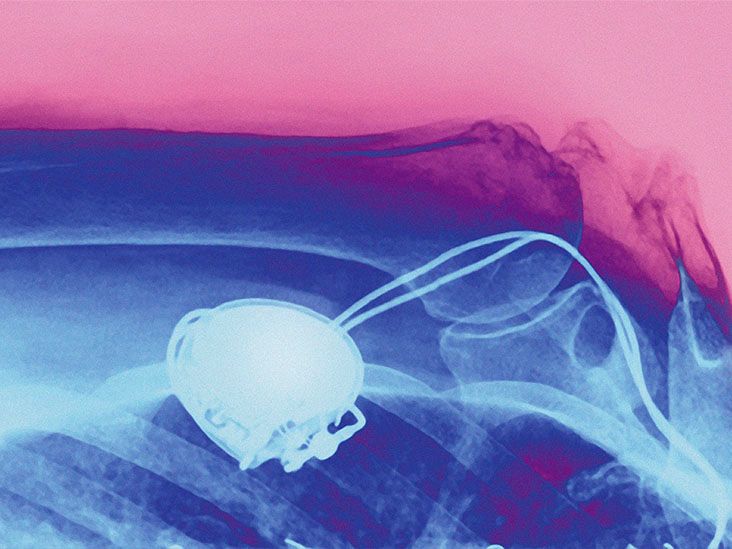

Pacemaker surgery is usually a relatively brief procedure, but recovery is not quite as simple as walking out of the hospital and immediately reorganizing the garage. Your heart may receive its new electronic assistant in a matter of hours, while the incision, surrounding tissues, and pacemaker leads need several weeks to heal securely.
Most patients go home the same day or after one night in the hospital. Light daily activities may be possible within a few days, although lifting, vigorous exercise, and certain arm movements are commonly restricted for several weeks. Recovery speed depends on the type of pacemaker, the reason it was implanted, the patient’s overall health, and whether complications occur.
This guide explains the typical pacemaker surgery recovery timeline, what symptoms are expected, which complications require medical attention, and what everyday recovery can feel like. Individual instructions always take priority because cardiology teams may use different activity restrictions based on the device and implantation technique.
What happens during pacemaker surgery?
A pacemaker is a small, battery-powered device that helps control an abnormally slow or poorly coordinated heartbeat. Traditional systems include a pulse generator placed under the skin near the collarbone and one or more thin wires, called leads, positioned inside the heart. Leadless pacemakers are smaller devices placed directly inside the heart through a catheter.
During traditional pacemaker implantation, the medical team usually numbs the upper chest with local anesthetic and gives medication to help the patient relax. A cardiologist guides the leads through a vein into the appropriate heart chambers, tests their position, connects them to the generator, and closes the incision.
The procedure commonly takes about one to two hours, although a more complex system, such as a biventricular pacemaker, may take longer. Afterward, the device is programmed for the patient’s heart rhythm and activity needs.
Pacemaker surgery recovery timeline
The first 24 hours
Immediately after pacemaker surgery, nurses monitor heart rhythm, blood pressure, breathing, and the incision. The pacemaker is tested electronically to confirm that it is sensing and pacing correctly. A chest X-ray may be performed to verify lead position and check for a collapsed lung.
Patients commonly notice soreness, tightness, bruising, or mild swelling around the implant. The shoulder on that side may feel stiff, especially after lying still during the procedure. Fatigue is also normal because sedation, interrupted sleep, and the general excitement of acquiring internal electronics can leave the body less than enthusiastic.
Many people are discharged the same day or the following morning. Someone else should drive them home. Before leaving, patients should receive instructions about medications, wound care, arm movement, driving, follow-up appointments, and remote pacemaker monitoring.
Days 1 through 3
Soreness is often most noticeable during the first few days. It should generally be manageable with pain medication approved by the cardiology team. Patients taking blood thinners should not add aspirin, ibuprofen, naproxen, or other medicines without medical advice because these products may increase bleeding.
Gentle walking around the home is usually encouraged. Short walks support circulation and help prevent excessive stiffness, but this is not the moment for push-ups, heavy grocery bags, or competitive furniture rearrangement.
The incision should remain clean and protected according to the discharge instructions. Showering rules depend on the dressing, surgical glue, and closure method. Patients should not soak the incision in a bath, pool, or hot tub until the wound has healed and the medical team gives permission.
Days 4 through 7
Many patients can perform light household tasks and other normal daily activities within several days. People with desk jobs may return to work within about a week if they feel well and their healthcare professional approves. Jobs involving lifting, overhead reaching, driving, construction, machinery, or strenuous physical effort usually require more recovery time.
Bruising may change color and spread slightly before fading. A small amount of swelling near the device can also be expected. However, rapidly increasing swelling, continued bleeding, severe pain, drainage, or skin that becomes progressively red and hot should be reported promptly.
Some patients feel better quickly because the pacemaker corrects the slow heart rate that previously caused fatigue, dizziness, or fainting. Others improve more gradually, especially when heart failure, lung disease, anemia, medication effects, or another condition also contributes to their symptoms.
Weeks 2 and 3
By the second week, incision discomfort should be improving. Many people can walk farther, complete light errands, and return to a more familiar routine. The incision may itch as it heals, but scratching, rubbing, or applying unapproved creams is not a good strategy.
Patients are commonly told to avoid lifting more than approximately 10 to 15 pounds with the arm on the implant side for the first two to three weeks. Pushing, pulling, forceful twisting, and activities that place direct pressure on the device may also be restricted.
Instructions about raising the arm vary. Some teams temporarily limit overhead movement to reduce the possibility of lead displacement, while others encourage gentle shoulder movement within a safe range to prevent stiffness. Follow the specific instructions from the implanting team rather than adopting someone else’s recovery rules from an online forum.
Weeks 4 through 6
Most uncomplicated incisions are well healed by this stage, and the leads have had more time to stabilize within the heart. A follow-up appointment may include an incision check, pacemaker interrogation, review of recorded heart rhythms, and adjustments to the device settings.
After medical clearance, patients may gradually return to more demanding work, driving, exercise, and wider arm movements. The return should be progressive. Going directly from short hallway walks to a heroic weekend of weightlifting is not a medically endorsed training plan.
People with cardiac resynchronization devices or significant heart failure may require a slower progression. Their recovery depends not only on healing from the incision but also on how their cardiovascular symptoms respond to therapy.
After six weeks
Most people can resume a broad range of normal activities after full recovery. Walking, cycling, swimming, gardening, traveling, and many recreational sports may be possible with approval from the cardiologist. Contact sports that could deliver a direct blow to the pacemaker area may remain inappropriate.
Pacemakers need regular follow-up. Many devices can transmit information remotely, while periodic office visits allow the healthcare team to check battery status, lead performance, stored rhythm events, and programmed settings. Batteries commonly last several years, often between 5 and 15 years, depending on the device and how much pacing is required.
Normal symptoms after pacemaker implantation
Expected postoperative symptoms can include:
- Mild or moderate tenderness around the incision
- Bruising that gradually changes color
- A small amount of localized swelling
- Temporary shoulder or upper-chest stiffness
- Mild fatigue during the first several days
- Itching or tightness as the incision heals
- Awareness of a small raised area beneath the skin
These symptoms should improve rather than intensify. A useful rule is that routine healing generally moves in the right direction. Pain that becomes stronger, swelling that expands, or fatigue accompanied by shortness of breath or fainting deserves medical evaluation.
Possible pacemaker surgery complications
Pacemaker implantation is generally considered safe, and most patients recover without a serious problem. Nevertheless, complications can develop during surgery, shortly afterward, or later. Individual risk is influenced by age, blood-thinning medication, kidney disease, diabetes, infection risk, anatomy, and the complexity of the device.
Bleeding and pocket hematoma
Bleeding beneath the skin can create a pocket hematoma around the pacemaker. It may cause swelling, firmness, dark bruising, or discomfort. Small hematomas may resolve with observation, but a rapidly enlarging swelling or continued bleeding requires prompt assessment.
Patients should not stop prescribed anticoagulant or antiplatelet medication on their own. The cardiology team balances the risk of bleeding against the risk of stroke or blood clots and provides a personalized medication plan.
Incision or pacemaker infection
An infection may involve the skin and pacemaker pocket or spread along the leads into the bloodstream and heart. Warning signs include worsening redness, warmth, swelling, drainage, skin breakdown, fever, chills, or increasing pain after the incision had started improving.
Device infections are serious. Treatment may involve antibiotics and, in some cases, removal of the pacemaker system and leads. Waiting to see whether visible drainage “sorts itself out” can allow the infection to become more difficult to treat.
Lead displacement
A lead can move away from its intended position before it becomes securely anchored. This may prevent reliable pacing or sensing. Symptoms can include dizziness, fainting, unusual fatigue, palpitations, a return of the symptoms present before surgery, or persistent hiccups and muscle twitching.
Lead movement may be detected during a device check even when the patient has few symptoms. Reprogramming can solve some pacing problems, while significant displacement may require another procedure.
Collapsed lung
A pneumothorax, or collapsed lung, can occur if the lung is accidentally injured while the leads are being placed through a chest vein. It is uncommon but potentially serious. Sudden shortness of breath, sharp chest pain, rapid breathing, or low oxygen levels after implantation should be evaluated immediately.
Heart perforation and fluid around the heart
Rarely, a pacemaker lead can perforate the heart wall. Blood or fluid may then collect in the sac surrounding the heart, producing a pericardial effusion or cardiac tamponade. Possible symptoms include severe weakness, chest discomfort, shortness of breath, dizziness, fainting, low blood pressure, or a rapid heartbeat.
This is an emergency complication and requires urgent hospital treatment.
Blood clots or vein obstruction
Transvenous leads occupy space inside the veins and can occasionally contribute to a blood clot or narrowing. Swelling, pain, heaviness, or color changes in the arm, neck, or upper chest on the implant side should be reported. Sudden breathing difficulty or chest pain requires emergency care because it may indicate a clot affecting the lungs or another serious problem.
Nerve or muscle stimulation
A pacemaker impulse may occasionally stimulate the diaphragm or nearby chest muscles. This can cause rhythmic twitching, abdominal pulsations, or hiccups that do not stop. The problem can often be corrected by adjusting the device’s programming, although lead repositioning is sometimes needed.
Pacemaker or battery malfunction
Modern pacemakers are highly reliable, but electronic or mechanical problems can occur. A failing lead, programming problem, premature battery issue, or device malfunction may cause dizziness, fainting, palpitations, unusual breathlessness, or the return of the original symptoms.
Remote monitoring can identify some abnormalities before symptoms develop. Patients should keep their monitor connected as instructed and respond to calls or alerts from the device clinic.
Shoulder stiffness
Overprotecting the implant-side arm can contribute to shoulder stiffness or a frozen shoulder. Patients should generally perform gentle movement within the limits provided by their medical team. The goal is to protect the leads without treating the entire arm like a museum exhibit.
When to contact the cardiology team
Call the implanting clinic or another healthcare professional promptly for:
- Fever, chills, or feeling increasingly unwell
- Redness, warmth, drainage, or worsening pain at the incision
- Increasing swelling or bleeding around the pacemaker
- New swelling of the arm, hand, neck, or upper chest
- Persistent hiccups or rhythmic chest or abdominal twitching
- Palpitations, unusual fatigue, or recurrent dizziness
- A damaged incision or skin becoming thin over the device
- A remote monitor alert or a call from the pacemaker clinic
When to seek emergency care
Call 911 for severe chest pain, major breathing difficulty, fainting, signs of a stroke, uncontrolled bleeding, rapidly expanding swelling, or symptoms suggesting the heart is beating dangerously slowly or irregularly.
Practical tips for a smoother recovery
- Follow the personalized arm restrictions. Advice varies by implantation method and device type.
- Walk regularly. Several short, comfortable walks are usually better than one exhausting expedition.
- Protect the incision. Avoid rubbing straps, tight clothing, and direct pressure over the pacemaker.
- Use approved pain relief. Check before taking nonprescription medicine, especially when using blood thinners.
- Do not drive until cleared. Restrictions depend on the underlying rhythm problem, fainting history, local rules, and the type of vehicle driven.
- Carry the pacemaker identification card. Show it to medical professionals and airport security personnel when appropriate.
- Keep magnets away from the implant. Phones, smartwatches, wireless chargers, magnetic accessories, and similar products should generally remain at least six inches from the pacemaker.
- Tell healthcare professionals about the device. This includes dentists, imaging technicians, physical therapists, and surgeons.
- Attend every device check. These visits can identify lead, battery, rhythm, or programming concerns before they become larger problems.
What pacemaker recovery often feels like: A composite experience
The physical recovery timeline is useful, but it does not describe every small concern that may occupy a patient’s thoughts. The following is a composite experience based on commonly reported recovery patterns. It is not the story of one identifiable patient and should not replace individualized medical advice.
The first trip home
The ride home may feel strangely ceremonial. There is relief that the procedure is finished, followed by the realization that every bump in the road seems aimed directly at the new incision. The seat belt may press near the tender area, so a small folded towel or approved protective pad can make the trip more comfortable without interfering with safety.
At home, the first challenge is often discovering how many ordinary actions involve the upper chest. Getting out of bed, pulling on a shirt, opening a heavy door, and reaching for a high cabinet suddenly become complex engineering projects. Assistance with meals, laundry, shopping, and pet care can be valuable during these early days.
The first week
During the first week, many patients alternate between feeling surprisingly normal and suddenly needing a nap. The incision may look more dramatic than it feels because bruising can spread and change from purple to greenish yellow. This is often part of normal healing when the swelling and pain are improving.
Sleep may be awkward. People who normally sleep on the implant side often choose the opposite side or lie on their back temporarily. A pillow supporting the affected arm can reduce pulling across the chest. Comfort generally improves as swelling settles.
Emotionally, patients may become highly aware of every heartbeat. A harmless skipped beat can feel like headline news. Learning that the pacemaker is continuously monitored and can store useful rhythm information often reduces this anxiety.
Weeks two and three
By the second or third week, the biggest challenge may be remembering the activity restrictions. The patient feels better, the incision appears calmer, and a heavy laundry basket starts looking entirely liftable. This is exactly when following the prescribed restrictions remains important because the internal healing process is not visible.
Gentle walking usually becomes easier. Some people notice that they can walk without the dizziness or overwhelming fatigue they experienced before implantation. Others still tire easily and wonder whether the pacemaker is working. In reality, the device may be functioning perfectly while the body continues recovering from surgery or adjusting to a more appropriate heart rate.
Weeks four through six
The first device-clinic appointment can be reassuring. A technician or cardiology professional checks the leads, battery, pacing percentage, and recorded rhythms. Settings may be adjusted when the heart rate does not increase enough during activity or when the patient notices uncomfortable pacing sensations.
As restrictions are lifted, confidence tends to return in stages. The first longer walk, drive, shower without a dressing, or night sleeping comfortably can feel like a genuine milestone. The pacemaker bump may remain noticeable, especially in thin patients, but many people gradually stop thinking about it throughout the day.
Adjusting to long-term life
Living with a pacemaker eventually becomes less about recovery and more about routine maintenance. Patients learn to keep magnetic devices away from the implant, carry their identification card, attend follow-ups, and tell medical professionals about the pacemaker.
Some anxiety is understandable, particularly after previous fainting episodes or a frightening hospitalization. Asking the device clinic specific questions can help: How much pacing is occurring? Is the incision healing normally? When can exercise resume? What symptoms should trigger a call?
For many people, the most memorable moment is not the surgery itself but realizing that ordinary activities feel easier again. A walk no longer requires several rest stops. Standing up does not cause the room to spin. The pacemaker becomes less like a mysterious machine and more like a quiet employee who works every shift, never requests vacation, and rarely demands recognition.
Conclusion
Pacemaker surgery recovery is usually measured in weeks rather than months. Light activity often resumes within several days, while the incision and pacemaker leads generally need several weeks of protection. Soreness, bruising, and temporary fatigue are common, but worsening pain, drainage, fever, major swelling, shortness of breath, fainting, or recurrent rhythm symptoms require medical attention.
The safest recovery plan is the one provided by the implanting cardiology team. Device type, lead placement, medications, occupation, and underlying heart disease can all change the timeline. With appropriate follow-up and sensible precautions, most patients return to active, independent lives after pacemaker implantation.
Medical note: This article provides general educational information and does not replace instructions from a cardiologist, electrophysiologist, surgeon, or emergency medical professional.


