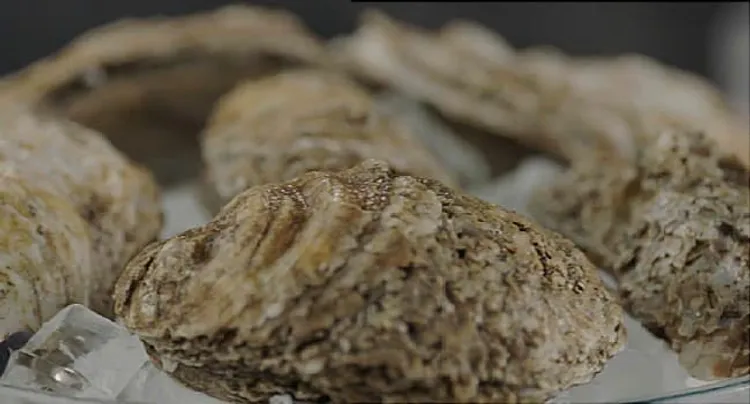

Oysters have one of the strangest public relations careers in food. Depending on who you ask, they are either a luxury delicacy, a slippery dare, an aphrodisiac with suspiciously good branding, or a salty little miracle from the sea. The truth is even more interesting. Oysters are packed with nutrients, surprisingly low in calories, and connected to some wonderfully odd biological facts that sound made up until you realize nature has been freelancing without supervision for millions of years.
In one shell, you get lean protein, standout levels of zinc, a generous dose of vitamin B12, useful iron, selenium, and iodine, plus a creature that can help filter water, build reef habitat, and occasionally switch sex during its lifetime. That is not a seafood item. That is an overachiever.
This guide breaks down the real health benefits of oysters, the biggest safety cautions, and the kind of weird oyster trivia that makes dinner conversation way more fun than arguing about whose phone should be face-down on the table.
Why Oysters Deserve More Credit
When people talk about healthy seafood, salmon tends to grab the spotlight like the class valedictorian who also plays guitar. Oysters, meanwhile, sit in the corner being quietly impressive. They are nutrient-dense, rich in minerals many people do not get enough of, and they deliver plenty of nutritional value without loading your plate with a ton of calories.
That matters because a food does not need to be trendy, green, or photographed on a handmade ceramic plate to be good for you. Sometimes nutrition shows up in a rough, asymmetrical shell that looks like a rock with commitment issues. Oysters are a great example of that.
Health Perks of Oysters
1. They pack serious nutrition into a small serving
Oysters are one of those foods that make dietitians nod approvingly. A modest serving can deliver quality protein along with a long list of essential vitamins and minerals. That means oysters offer a lot of nutritional return without requiring a giant portion.
For people who want nutrient-dense foods, oysters check a lot of boxes. They fit into high-protein eating plans, lower-calorie meal patterns, and seafood-forward diets that aim to increase mineral intake without leaning on supplements for everything. In other words, oysters can do real work on your plate.
2. Oysters are famously rich in zinc
If oysters had a personal brand, zinc would be the logo. This shellfish is one of the most concentrated food sources of zinc you can eat. That matters because zinc helps support immune function, wound healing, and normal cell growth. It also plays a role in taste and smell, which is nice, because food is a lot more fun when it tastes like something.
Zinc is especially important for people who do not eat a wide variety of animal foods or who rely heavily on plant-based staples that contain phytates, compounds that can reduce zinc absorption. Oysters are practically the honor student of the zinc world, which is why they often come up in nutrition conversations about immunity and recovery.
3. They are loaded with vitamin B12
Vitamin B12 is essential for red blood cell formation, DNA synthesis, and proper nerve function. Oysters happen to be excellent at supplying it. That makes them a smart choice for people who want to support energy metabolism and nervous system health through food.
Now, to be clear, eating oysters does not turn you into a human battery pack. But if your diet needs stronger B12 sources, oysters can help fill that gap in a very efficient way. That is one reason they are often recommended as part of a varied seafood intake.
4. Oysters provide iron without requiring a steakhouse reservation
Iron helps carry oxygen through the body, which is a pretty important job for something you never see but absolutely want working on schedule. Oysters provide iron, making them a useful food for people trying to diversify where they get this mineral.
That does not mean oysters replace every other iron-rich food. It means they are a valuable addition, especially for eaters who want more variety than the standard beef-beans-spinach routine. If your usual meal plan feels repetitive, oysters bring iron to the party with a little more coastal swagger.
5. They also contain selenium and iodine
Oysters offer selenium, a mineral that helps protect cells from oxidative stress and supports normal thyroid and immune function. They also provide iodine, which the body uses to make thyroid hormones that help regulate metabolism. That combination gives oysters a quiet but meaningful role in overall wellness.
These nutrients do not get as much social media attention as protein, but they matter. A lot. The body runs on more than macros, and oysters are a reminder that micronutrients deserve their moment too.
6. They are high in protein and relatively light in calories
Oysters can be a smart choice for people who want satisfying foods without a huge calorie load. They provide protein, which helps with fullness and muscle maintenance, while staying lean compared with many heavier restaurant entrées.
That said, preparation matters. A tray of fresh oysters or simply cooked oysters is nutritionally very different from oysters drowned in butter, cream, breadcrumbs, and enough cheese to start a small dairy committee. Oysters Rockefeller may be delicious, but it is not exactly the minimalist version of shellfish nutrition.
7. They may help round out a heart-healthy seafood pattern
Like other seafood, oysters can fit into an eating pattern built around lean proteins and nutrient-rich foods. They also provide some omega-3 fatty acids, though they are not the same omega-3 superstar as fatty fish like salmon or sardines. Still, oysters add variety, and variety is one of the least glamorous but most useful ideas in nutrition.
Eating well is rarely about one magic food. It is usually about building a smart rotation of foods that bring different strengths. Oysters earn a spot in that lineup.
The Important Catch: Raw Oysters Are Not Risk-Free
Here is where the glamour gets a reality check. Oysters can be healthy, but raw oysters are not safe for everyone. Because oysters are filter feeders, they can pick up harmful bacteria and viruses from their environment. One of the best-known concerns is Vibrio, a bacteria group linked to serious foodborne illness.
For many healthy adults, a raw oyster may mean nothing more dramatic than a memorable appetizer. But for some people, the risk is much more serious. Individuals with liver disease, diabetes, weakened immune systems, cancer, certain blood disorders, or reduced stomach acid can face severe complications from Vibrio infection. Pregnancy is also a time to be extra cautious with raw or undercooked shellfish.
This is one of those situations where the old food cliché is true: you cannot judge safety by smell, taste, or looks. A contaminated oyster does not announce itself like a villain in a cartoon. It can look perfectly normal and still be dangerous.
How to enjoy oysters more safely
- Choose oysters from reputable sellers and restaurants with good handling practices.
- Keep oysters cold and treat them like perishable seafood, because that is exactly what they are.
- Cook oysters thoroughly if you are in a high-risk group or simply prefer to play offense with food safety.
- Avoid cross-contamination by keeping raw shellfish and ready-to-eat foods separate.
- Do not assume hot sauce, lemon juice, or alcohol can “kill the germs.” They cannot. If only cocktail sauce had that kind of power.
The best oyster habit is a simple one: if you are not sure whether raw oysters are a good idea for your health status, skip the gamble and eat them cooked.
Weird Facts About Oysters That Sound Fake but Are Real
1. Some oysters can change sex
Yes, really. Certain oysters can change sex during their lifetime. Biology did not ask for your approval, and frankly, it does not need it. This trait helps oysters reproduce under changing environmental conditions and population patterns. It is one of the reasons oyster life cycles are far more fascinating than most people realize.
2. Baby oysters are called “spat”
That sounds like a minor argument between siblings, but in oyster biology, spat refers to young oysters that have settled onto a hard surface. And they are picky about real estate. Oyster larvae often prefer attaching to old shells, which means an oyster reef is partly an apartment complex and partly a family reunion.
3. Oysters are tiny water filters
As filter feeders, oysters pull water over their gills and extract algae and food particles. In the right conditions, a single oyster can filter a surprising amount of water in a day. That makes oyster reefs valuable not just as seafood sources but as living infrastructure in coastal ecosystems.
Translation: oysters are doing environmental chores while we are still debating whether to rinse a reusable coffee cup.
4. Oyster reefs are ecological multitaskers
Oyster reefs help create habitat for fish, crabs, and other marine life. They can also improve water quality and help reduce wave impacts along shorelines. So when people restore oyster reefs, they are not just helping oysters. They are supporting a wider coastal system that benefits wildlife and communities alike.
5. Not every oyster is secretly making a pearl
Oysters and pearls are linked in the popular imagination, but the story is more complicated than movies make it seem. Many pearls come from specific pearl oyster species, and natural pearls are rare. Your dinner oyster is not basically a jewelry box with mood swings. It is an edible bivalve with other priorities.
6. Oyster shells have a second life
Old oyster shells are more than leftovers. In restoration work, shells can be reused to provide a place for new oyster larvae to settle. That means yesterday’s oyster shell can help build tomorrow’s oyster reef. Nature loves a sequel.
7. Some historic oyster reefs were enormous
In parts of the United States, oyster reefs were once so extensive that they significantly shaped local waterways and navigation. Today, many populations are much smaller than they were historically because of overharvesting, disease, habitat loss, and poor water quality. It is a reminder that oysters are not just food culture. They are also conservation stories.
How to Add Oysters to Your Diet Without Making It Weird
There are more ways to eat oysters than slurping them raw while pretending you can identify “notes of sea breeze and limestone.” If you like them, great. If you do not, that does not mean oysters are off the table forever. Texture and preparation change everything.
Easy ways to try oysters
- Grilled oysters: smoky, briny, and a little easier for newcomers.
- Broiled oysters: simple and satisfying, especially with herbs and a small amount of butter.
- Oyster stew: comforting and a good entry point for people unsure about texture.
- Fried oysters: delicious, though less “health halo” and more “county fair charm.”
- Oyster stuffing or casseroles: old-school, but still beloved in some American kitchens.
If you are mostly interested in the nutrition benefits of oysters, simpler cooking methods usually make the most sense. Let the shellfish do the talking instead of burying it under a mountain of toppings.
Who Should Be Cautious With Oysters?
Oysters are not for everyone, at least not in raw form. You should be especially cautious if you are pregnant, immunocompromised, have chronic liver disease, diabetes, or other health conditions that raise the risk of severe foodborne illness. Anyone with a shellfish allergy should obviously avoid them altogether, no matter how convincing the menu description is.
It is also smart to be realistic about freshness, sourcing, and handling. Oysters are not the kind of food that gets better because someone had a “good feeling” about the seafood counter. Buy smart. Store cold. Cook when appropriate. Your digestive system likes professionalism.
Real-Life Oyster Experiences: What This Shellfish Feels Like Beyond the Nutrition Label
The first time many people try oysters, the experience is less “culinary enlightenment” and more “well, that happened.” You look at the shell, look at the person who recommended it, add lemon like it might provide emotional support, and hope your face stays polite. Then the oyster hits: cold, briny, soft, a little sweet, a little mineral, almost like tasting the idea of the ocean rather than a simple piece of food. It is not always love at first bite. Sometimes it is confusion at first slurp, followed by a second oyster because your brain wants to run the experiment again.
That is one of the odd joys of oysters. They are memorable. Even people who do not love them tend to remember the exact context of their first try: a beach trip, a raw bar, a holiday seafood tower, a fancy date, or a friend insisting, “No, no, these are the good ones.” Oysters turn eating into an event. They are tiny, but they have the dramatic energy of a Broadway lead.
For people who do enjoy them, oysters often become tied to place. East Coast oysters can taste different from Gulf oysters, and different again from Pacific varieties. Enthusiasts talk about salinity, sweetness, minerality, cucumber notes, melon notes, and other flavor details that make newcomers wonder whether they accidentally walked into a wine seminar. But there is something genuinely fun about how oysters reflect where they came from. They are one of the clearest food examples of terroir from the sea.
Cooking oysters creates a completely different experience. Raw oysters are all about texture, freshness, and brine. Cooked oysters become warmer, richer, and more savory. Grilled oysters feel festive. Oyster stew feels nostalgic. Fried oysters feel like the comfort-food cousin who shows up in a golden jacket and steals the party. Each version attracts a different kind of eater, which is probably why oysters have survived every food trend from low-fat to keto to whatever people are arguing about this week.
There is also the emotional side of oysters that rarely shows up in nutrition articles. Eating oysters can make people slow down. You cannot really inhale them the way you destroy a bag of chips during a streaming binge. Oysters require a little attention. You notice the shell. You notice temperature. You notice the smell of the sea. You become annoyingly present for a moment, which is honestly not the worst thing a food can do.
Then there is the experience beyond the plate: seeing oyster shells recycled for reef restoration, reading about coastal communities that depend on shellfish harvesting, or learning how reefs protect shorelines and shelter marine life. Suddenly, oysters stop being just a restaurant item and start looking like a link between food, ecology, culture, and local economies. That makes the whole subject richer. You are not just eating seafood. You are brushing up against a bigger coastal story.
So yes, oysters can be delicious. They can also be divisive, slippery, luxurious, intimidating, humble, restorative, and surprisingly emotional for a thing that lives in a shell and does not care about your dinner plans. Very few foods manage all that. Oysters do, which is probably why people keep coming back for another round, even after the first one made them question everything.
Final Thoughts
Oysters are more than a fancy appetizer with good marketing. They are a nutrient-rich shellfish with real health perks, including high levels of zinc, vitamin B12, iron, selenium, and iodine, plus useful protein in a relatively light package. They are also biologically bizarre in the best possible way, with a life cycle and ecological role that make them much more than “that thing served on crushed ice.”
At the same time, oysters deserve respect. Raw oysters can pose serious food safety risks, especially for people with certain health conditions. So the smartest oyster strategy is simple: enjoy them from reliable sources, cook them when safety calls for it, and appreciate them for both what they do in your body and what they do in coastal ecosystems.
Not bad for a shellfish that looks like a rock and somehow became a legend.


