
Every home has a drama zone. For some people, it is the junk drawer. For others, it is the mysterious chair where “not dirty, not clean” clothes go to hold a committee meeting. But for many households, the real villain is the entryway: shoes leaning like dominoes, tote bags collapsing into scarves, dog leashes performing interpretive dance, and keys hiding with the confidence of a magician.
That is where the Open Spaces Entryway Rack earned its loyal following. It is a clean-lined, three-tier metal storage rack designed for shoes, bags, books, baskets, plants, and all the little things that try to ambush you at the front door. It looks less like a basic shoe rack and more like a piece of modern entryway furniture that accidentally became very useful. A happy accident, really.
In this in-depth guide, we will look at what makes the Open Spaces Entryway Rack popular, how it works in real homes, where it fits best, what to store on it, how to style it, and whether it is worth considering for your own entryway, mudroom, hallway, apartment, or small-space drop zone.
What Is the Open Spaces Entryway Rack?
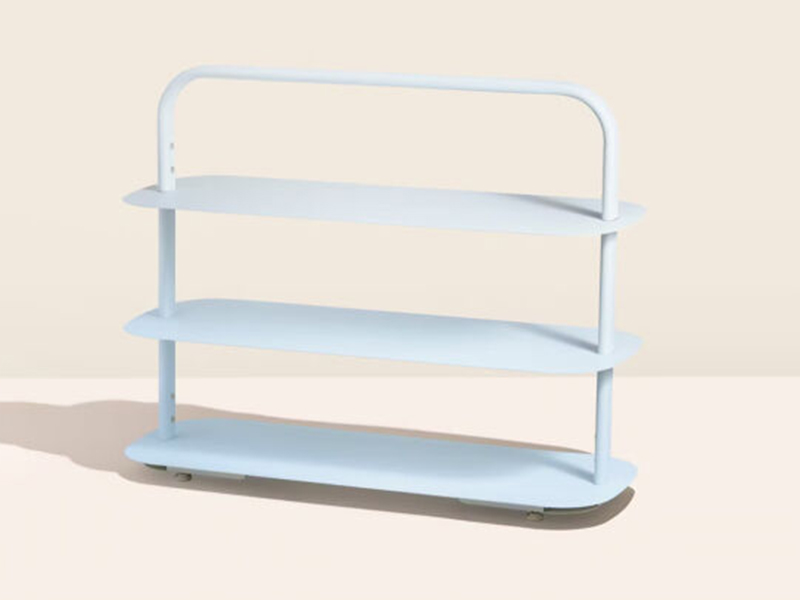
The Open Spaces Entryway Rack is a minimalist, multi-use storage rack originally designed for entryway organization. It typically features three open shelves, a curved top handle, and a sturdy steel construction. The design is simple, but not boring: rounded edges, soft color options, and an architectural silhouette give it the kind of “I have my life together” energy that most of us are trying to fake before guests arrive.
Its commonly listed dimensions are about 33.8 inches long, 12.5 inches wide, and 26.1 inches high, with roughly 7.6 inches between shelves. Each shelf has often been listed with a 22-pound weight capacity, making the rack suitable for shoes, baskets, books, folded accessories, small plants, and everyday essentials. It is usually described as steel, easy to wipe clean, and assembled with included screws and an Allen wrench.
That size is one of the big reasons it became so popular. It is long enough to hold several pairs of shoes, but shallow enough to sit against a wall without turning your hallway into an obstacle course. In other words, it respects the sacred law of entryways: people should be able to walk through them without performing parkour.
Why the Open Spaces Entryway Rack Became So Popular
It Turns Clutter Into a Display
The best thing about the Open Spaces Entryway Rack is that it understands a modern truth: open storage only works when it looks intentional. A pile of sneakers on the floor says, “We have given up.” Sneakers lined neatly on a sleek rack say, “We are organized people who own matching socks.” The difference is theatrical, but powerful.
Because the rack has open shelves, everything is visible and easy to grab. That is useful for busy mornings when you are already late, holding coffee, and trying to remember whether your sunglasses are on your face, in your bag, or living a new life somewhere under the couch.
It Fits Small Entryways
Many entryway storage pieces are secretly enormous. Benches, hall trees, cabinets, and console tables can be beautiful, but in a small apartment or narrow hallway, they may dominate the space. The Open Spaces Entryway Rack has a relatively compact depth, so it works well in apartment foyers, mudroom corners, closet-adjacent spaces, and narrow front-door zones.
For small spaces, visual lightness matters. Since this rack is open rather than closed, it does not create the heavy blocky feeling of a cabinet. The floor remains visible beneath and around it, which can make a tight area feel more breathable.
It Looks More Finished Than a Basic Shoe Rack
Many shoe racks are built like temporary solutions: thin rods, black plastic corners, and the emotional energy of a college dorm. The Open Spaces Entryway Rack leans more design-forward. Its rounded steel form and powder-coated look make it feel like furniture rather than emergency clutter control.
That matters because the entryway is the first area guests see. A polished rack can make a home feel calmer before anyone even reaches the living room. It is a small upgrade, but small upgrades at the front door have a way of changing the mood of the whole house.
Best Uses for the Open Spaces Entryway Rack
1. A Shoe Rack for Everyday Pairs
The most obvious use is shoe storage. The rack can hold sneakers, flats, loafers, sandals, slippers, and other frequently worn shoes. Because the shelves are open, shoes can air out more easily than they would inside a closed cabinet. That is especially helpful if your household includes gym shoes, rain shoes, or one mysterious pair that always smells like it has been hiking without permission.
For the cleanest look, limit the rack to daily-use footwear. Store seasonal, formal, or rarely worn shoes elsewhere. A good entryway rule is simple: the rack is not a shoe museum. It is a practical landing pad.
2. A Drop Zone for Keys, Wallets, and Mail
Pair the rack with small baskets or trays, and it becomes a smart drop zone. Use one container for keys, another for sunglasses, one for mail, and perhaps one for dog-walking supplies. This keeps small items from scattering across the home like confetti after a very boring parade.
If you use the top shelf for baskets, keep shoes on the lower shelves. This creates a nice hierarchy: clean, touchable items up high; footwear down low. Your future self will appreciate the logic.
3. A Plant and Book Display
One reason design lovers like this rack is its versatility. It can hold more than shoes. In a living room, it can work as a low plant stand. In a bedroom, it can store books, baskets, and folded throws. In a kitchen, it can become a mini pantry shelf, cookbook station, or coffee-corner organizer.
The open structure makes it easy to style. A trailing plant on top, a stack of books in the middle, and woven baskets below can turn the rack into a decorative storage piece rather than a strictly utilitarian one.
4. A Mudroom Helper
For homes with a back door, garage entrance, or laundry-room drop zone, the Open Spaces Entryway Rack can organize shoes, reusable shopping bags, gardening clogs, pet leashes, umbrellas, and outdoor accessories. Add a washable mat underneath for wet weather, and the rack becomes a tidy command center for real life.
This is where open storage shines. In a mudroom, people are more likely to put things away when the system is obvious. A shelf says, “Place shoes here.” A closed cabinet says, “Open me, make a decision, close me, repeat forever.” Guess which one wins on a busy Tuesday?
How to Style the Open Spaces Entryway Rack
Keep the Color Palette Tight
Because entryway racks display everyday items, the styling can get messy fast. One simple trick is to limit the color palette. If the rack is cream, pair it with neutral baskets, white sneakers, natural-fiber rugs, and warm wood accents. If the rack is dark, try black hooks, charcoal trays, and a patterned runner for contrast.
The goal is not perfection. The goal is visual calm. You still live there. Your shoes still exist. The rack just helps them exist with better manners.
Add Baskets for Small Items
Open shelves are great for visibility, but small accessories need boundaries. Baskets, bins, or trays prevent clutter from spreading. Use metal baskets for a modern look, woven baskets for warmth, or clear containers if you want to see what is inside.
A smart setup might include shoes on the bottom shelf, bags or baskets on the middle shelf, and keys, mail, or decor on the top shelf. This arrangement looks tidy and supports how people actually move through the door.
Use the Wall Above It
The rack becomes even more useful when paired with wall storage. Add hooks above it for jackets, hats, dog leashes, or tote bags. Install a small mirror above the rack for last-second checks before leaving. A floating shelf or narrow wall file can handle mail and paperwork.
Think of the rack as the base layer of an entryway system. The shelves handle shoes and baskets; the wall handles vertical storage. Together, they create a practical zone without taking over the entire room.
Open Spaces Entryway Rack vs. Traditional Shoe Cabinets
A shoe cabinet hides clutter, which is wonderful if you love a clean, closed look. However, cabinets can feel bulky in small spaces, and they may trap odors if shoes are stored immediately after wear. They also require opening and closing doors, which sounds easy until you meet a household member who believes “near the cabinet” is the same as “inside the cabinet.”
The Open Spaces Entryway Rack offers a different approach. It keeps shoes visible and accessible. It is better for people who want grab-and-go storage, like to rotate everyday shoes, or prefer a lighter design. The tradeoff is that you must keep the shelves reasonably curated. Open storage rewards discipline. It does not forgive a mountain of mismatched flip-flops.
Who Should Consider the Open Spaces Entryway Rack?
Apartment Dwellers
If you live in an apartment with a small entryway, this rack can help create a defined landing zone without requiring built-ins or wall damage. It is compact, movable, and useful in more than one room, which is important when every square foot has to earn its keep.
Design-Conscious Organizers
This rack is a strong fit for people who want organization tools that look good in plain sight. It is not the cheapest shoe storage option, but it offers a more polished look than many budget racks.
Families With Daily Clutter
Families can use the rack to assign shelves by person, shoe type, or activity. Kids’ shoes on the bottom, adult shoes in the middle, bags and school accessories on topsuddenly the morning routine has fewer scavenger hunts.
People Who Rearrange Often
Because the rack can work in an entryway, living room, kitchen, closet, bedroom, or office, it appeals to people who like flexible furniture. Today it is a shoe rack. Tomorrow it is a plant stand. Next month it might be holding cookbooks and sparkling water. It has range.
Possible Downsides to Know Before Buying
No product is perfect, not even one with internet-favorite energy. The first potential downside is price. The Open Spaces Entryway Rack has often been priced higher than basic shoe racks, so buyers are paying partly for design, finish, and brand appeal.
The second consideration is open storage. If your entryway tends to collect muddy boots, sports gear, and ten pairs of “just in case” shoes, the rack may look cluttered unless you edit what goes on it. It is best for curated daily storage, not full household shoe overflow.
Third, availability may vary. Open Spaces products have appeared through the brand, partner retailers, resale platforms, and design marketplaces at different times. Before planning a whole entryway around a specific color, check current availability and measurements carefully.
How to Make the Most of the Open Spaces Entryway Rack
Measure Before You Commit
Measure the wall, walkway clearance, door swing, and nearby furniture. A rack that looks compact online can feel different once it is living next to a door, rug, umbrella stand, and someone’s backpack. Leave enough room for people to pass comfortably.
Set a Shoe Limit
Decide how many pairs belong on the rack. A good rule is two to three pairs per person, depending on household size. Anything beyond that should go to a closet, bedroom, or seasonal storage area. The rack should support your routine, not become a footwear convention center.
Clean It Regularly
Since the rack is usually made from steel or coated metal, it is easy to wipe clean. Use a soft cloth for dust and a damp cloth for everyday dirt. Avoid harsh abrasives that could damage the finish. If you store wet shoes on it, use a mat below or let shoes dry first to protect both the rack and the floor.
Real-Life Experience: Living With an Open Spaces Entryway Rack
Using an Open Spaces Entryway Rack changes the entryway in a surprisingly immediate way. The first experience many people notice is visual relief. Before the rack, the entryway often feels like a small battlefield: sneakers by the door, sandals halfway under a console, a tote bag slumped like it had a difficult day, and mail sitting wherever gravity allowed. After adding the rack, everything suddenly has a destination. It is not magic, but it feels close enough to deserve applause.
The top shelf becomes the most valuable real estate. In daily life, it works beautifully for a small tray, a basket, or a decorative bowl. Keys go there. Wallets go there. Sunglasses go there. The tiny objects that usually disappear five minutes before leaving the house finally get a permanent address. This is especially useful in homes where the phrase “Has anyone seen my keys?” has become part of the morning soundtrack.
The middle shelf often becomes the practical zone. It can hold everyday sneakers, a compact basket of reusable bags, or a folded scarf during colder months. The open design makes it easy to see what is missing. If the dog leash is not in its basket, someone probably left it in the car. If the running shoes are not on the shelf, they are likely under the bed, plotting.
The bottom shelf is perfect for shoes that can handle being lower to the floor: rain boots, house slippers, sandals, or kids’ shoes. For households with children, the low shelf is a quiet parenting victory. Kids are more likely to put shoes away when the shelf is within reach and the system is obvious. No lecture required. Well, fewer lectures. Let’s not promise miracles.
Another pleasant surprise is how movable the rack feels in real use. The handle-like top edge makes it easier to shift when cleaning, rearranging, or vacuuming underneath. That matters because entryways collect dust, leaves, crumbs, and tiny outdoor mysteries. A rack that can be moved without a full furniture-moving ceremony is a gift.
Styling the rack also becomes part of the fun. A small plant on top softens the metal frame. A woven basket adds warmth. A framed print or mirror above it makes the area feel finished. The rack does not need much decoration because its shape already brings personality. In a minimalist home, it can stay spare and clean. In a colorful home, it can support cheerful accessories without looking fussy.
The biggest lesson from living with this kind of rack is that open storage requires honesty. If you own twenty pairs of shoes and want all of them by the door, this rack will not hide that truth from you. It will display the truth in three tidy tiers. The best approach is to rotate: keep daily shoes on the rack and move everything else to a closet. Once that habit sticks, the entryway feels calmer every time you walk in.
Overall, the Open Spaces Entryway Rack works because it solves a boring problem in a beautiful way. It does not remodel your home. It does not give you a mudroom where one does not exist. But it creates a small, reliable system at the exact spot where clutter usually begins. And sometimes, that is enough to make the whole house feel more organized.
Conclusion
The Open Spaces Entryway Rack is more than a stylish shoe rack. It is a compact entryway organizer, a flexible storage shelf, and a design-friendly solution for homes that need order without sacrificing personality. Its three-tier steel structure, shallow footprint, and clean modern look make it especially useful for small entryways, apartments, mudrooms, and multifunctional spaces.
It is best for people who appreciate visible, easy-access storage and are willing to keep the shelves edited. If you need hidden storage for a large shoe collection, a cabinet may be better. But if you want a rack that can hold shoes today, plants tomorrow, and baskets whenever life gets messy, the Open Spaces Entryway Rack deserves its popularity.
Note: Product availability, colors, pricing, and retailer listings may change over time. Always confirm current specifications before purchasing.


