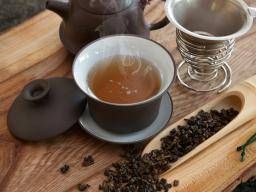

Oolong tea occupies the delicious middle ground between green tea and black tea. It can be pale, floral, and almost creamy, or dark, roasted, and bold enough to make your morning coffee look over its shoulder. That range comes from how the leaves of the Camellia sinensis plant are processed and partially oxidized.
Beyond its flavor, oolong tea attracts attention for its polyphenols, caffeine, and possible effects on heart health, blood sugar, metabolism, and alertness. Some findings are encouraging, but the science is considerably less dramatic than advertisements promising that one cup will melt fat, detox your liver, and reorganize your garage.
For most healthy adults, unsweetened oolong tea can be an enjoyable part of a balanced diet. It is not, however, a medication or a guaranteed shortcut to better health. Here is what current evidence suggests about oolong tea benefits, possible risks, and the safest ways to enjoy it.
What is oolong tea?
Green, oolong, and black teas all come from the same plant. Their differences arise mainly from processing. Green tea is heated relatively quickly to limit oxidation, while black tea is allowed to oxidize more extensively. Oolong tea is partially oxidized, although the degree varies widely among styles. This explains why one oolong may smell like orchids and fresh grass while another tastes of toasted nuts, honey, or wood.
Tea naturally contains polyphenols, caffeine, amino acids, minerals, and aromatic compounds. Processing changes the amount and form of these substances, so oolong does not have one fixed chemical profile. The cultivar, growing region, harvest, roasting method, storage, water temperature, and steeping time can all affect the finished drink.
Potential health benefits of oolong tea
1. It provides plant compounds with antioxidant activity
Oolong tea contains polyphenols, including catechins and compounds formed as the leaves oxidize. In laboratory research, these substances can interact with pathways related to oxidative stress and inflammation. Oxidative stress occurs when reactive molecules outnumber the body’s antioxidant defenses and begin damaging cells.
That biochemical activity is interesting, but the word “antioxidant” should not be mistaken for “proven disease cure.” Laboratory experiments may use concentrated extracts or doses that are difficult to obtain from an ordinary cup of tea. Human health also depends on sleep, diet, physical activity, genetics, medical care, and dozens of other factors that refuse to fit neatly inside a teapot.
2. Oolong tea may support cardiovascular health
Population studies frequently associate regular tea consumption with lower rates of cardiovascular disease, stroke, and premature death. Tea polyphenols may influence blood-vessel function, inflammation, blood pressure, and cholesterol metabolism. Some small trials have also reported improvements in selected cardiovascular markers.
Oolong-specific evidence is more limited than research on green or black tea. One randomized study involving people with coronary artery disease reported changes in adiponectin and LDL particle size after oolong consumption, but a single small study cannot establish that oolong prevents heart attacks. Reviews of tea research generally describe the findings as promising while emphasizing the need for larger, longer, well-controlled trials.
The heart-health value of tea may also depend on what it replaces. Unsweetened oolong used instead of soda, a sugary coffee drink, or an oversized milk tea can reduce added-sugar intake. Oolong accompanied by a pastry the size of a throw pillow is a different nutritional arrangement.
3. It can improve alertness and concentration
Oolong tea naturally contains caffeine, a stimulant that reduces perceived fatigue and promotes wakefulness. Many people experience a gentler lift from tea than from a strong cup of coffee, although the response depends on the dose and the individual. Tea also contains amino acids, and the combination may contribute to the calm-but-awake feeling tea drinkers often describe.
The amount of caffeine in a cup is not standardized. It varies with the type and quantity of leaves, water temperature, steeping time, serving size, and number of infusions. A lightly brewed cup may contain a modest amount, while a large serving made with many leaves and a long steep can deliver considerably more.
4. It may have modest effects on energy expenditure and fat oxidation
Oolong tea is frequently promoted as a weight-loss drink. There is a small kernel of science behind the marketing: caffeine and tea polyphenols may temporarily increase energy expenditure or fat oxidation. In a controlled study, oolong consumption increased fat oxidation over a short period, and some earlier research reported changes in body weight or fat metabolism.
However, a temporary metabolic shift does not automatically produce meaningful long-term weight loss. Studies are often small, short, or based on extracts rather than typical tea-drinking habits. Health authorities caution that caffeine and tea provide, at most, a minor metabolic boostnot enough to overcome excess calorie intake or replace sustainable eating and exercise habits. Oolong can join a weight-management plan, but it cannot run the plan while everyone else takes the afternoon off.
5. Oolong tea may influence blood sugar regulation
Tea polyphenols have been studied for possible effects on insulin sensitivity, carbohydrate digestion, inflammation, and glucose metabolism. Experimental studies and some observational research suggest that regular tea consumption may be associated with a lower risk of type 2 diabetes.
The results are not consistent enough to recommend oolong tea as a diabetes treatment. Studies differ in tea type, dose, population, and duration, and positive associations do not prove that tea caused the improvement. People with diabetes should continue following their prescribed nutrition, activity, monitoring, and medication plans. Sweetened bottled oolong or oolong milk tea may contain enough sugar to push the conversation in precisely the wrong direction.
6. It may contribute to oral health
Tea supplies fluoride and polyphenols that may affect oral bacteria and tooth enamel. Drinking unsweetened tea instead of sugary beverages also reduces how often teeth are exposed to added sugars. These features may support oral health when combined with brushing, flossing, dental visits, and the heroic daily decision not to chew ice.
More is not necessarily better. Extremely high, long-term tea intake can increase exposure to fluoride, and the amount varies with the leaves, soil, water, and brewing method. Normal dietary consumption is unlikely to be a concern for most adults, but drinking exceptionally concentrated tea throughout the day deserves more caution.
7. Unsweetened oolong can be a low-calorie beverage
Plain brewed oolong contains very few calories. It can add flavor and variety without the added sugar found in soda, sweet tea, flavored coffee, and many bottled beverages. Although caffeine has a mild diuretic effect, ordinary tea consumption still contributes fluid to the diet.
This benefit changes when the drink is loaded with syrup, sweetened condensed milk, whipped topping, or tapioca pearls. Those ingredients are not forbidden, but they turn tea from a nearly calorie-free beverage into a dessert. The tea leaves should not be blamed for what happened after they left the kettle.
Oolong tea risks and side effects
Caffeine-related symptoms
The most common oolong tea side effects come from caffeine. Too much may cause restlessness, tremors, anxiety, headache, nausea, frequent urination, a rapid heartbeat, or trouble sleeping. Regular users can also develop tolerance and experience headaches, irritability, or fatigue when they suddenly stop consuming caffeine.
The U.S. Food and Drug Administration states that up to 400 milligrams of caffeine per day is not generally associated with negative effects for most healthy adults. That is a total from every source, including tea, coffee, soda, energy drinks, chocolate, supplements, and certain medications. Individual sensitivity varies considerably, so a lower amount may be appropriate if one cup leaves you feeling as though your thoughts have started speed-dating.
Sleep disruption
Caffeine can remain active for hours, and its effects may be stronger in people who metabolize it slowly. Afternoon or evening oolong may delay sleep, reduce sleep quality, or make nighttime awakenings more likely. Anyone with insomnia should consider moving caffeinated tea earlier in the day, shortening the steep, choosing a smaller serving, or switching to a caffeine-free herbal infusion later on.
Pregnancy and breastfeeding considerations
The American College of Obstetricians and Gynecologists advises keeping caffeine intake below 200 milligrams per day during pregnancy. That limit includes caffeine from all foods, drinks, and medications. Moderate intake during breastfeeding is also generally considered unlikely to affect most infants, but newborns and premature babies may clear caffeine more slowly.
Because the caffeine content of loose-leaf tea can vary, pregnant or breastfeeding people may want to prepare smaller or weaker servings and discuss their routine with a clinician, especially when combining tea with coffee or other caffeinated products.
Reduced iron absorption
Tea polyphenols can interfere with the absorption of nonheme iron, the form found mainly in plant foods and supplements. This matters most for people with iron-deficiency anemia, low iron stores, heavy menstrual bleeding, pregnancy-related iron needs, or plant-based diets.
People at risk do not necessarily need to abandon oolong. A practical strategy is to drink it between meals rather than with iron-rich foods and to avoid swallowing an iron supplement with tea. Vitamin C-rich foods can help improve nonheme iron absorption. A clinician can provide individualized advice based on laboratory results and dietary habits.
Medication interactions
Caffeine can add to the effects of stimulant medicines and may worsen jitteriness, insomnia, or a rapid heartbeat. Large amounts of caffeinated foods and drinks can also increase side effects associated with theophylline. Certain medications must be taken with plain water rather than tea because beverages can alter absorption or interfere with dosing instructions.
People taking prescription drugs should ask a pharmacist whether caffeine, tea polyphenols, or mineral content could matter for their specific treatment. This is especially sensible for anyone using heart medicines, stimulants, anticoagulants, osteoporosis drugs, or medications with strict food-and-drink instructions.
Stomach discomfort and acid reflux
Strong oolong may cause nausea or stomach irritation, particularly when consumed on an empty stomach. Caffeine can also aggravate reflux symptoms in some individuals. Using fewer leaves, shortening the infusion, drinking tea with food, or reducing serving size may help. Persistent abdominal pain, vomiting, swallowing difficulty, or worsening reflux deserves medical evaluation rather than another experimental steep.
Problems with concentrated extracts
A brewed cup of oolong is not equivalent to a concentrated tea extract. Supplements may deliver substantially larger quantities of caffeine or polyphenols, sometimes in combinations that have not been thoroughly tested. Dietary supplements are regulated differently from medications in the United States and are not routinely reviewed for effectiveness before sale.
Products advertised as “fat burners,” “detox teas,” or metabolism accelerators may contain additional stimulants or laxative ingredients. The risks can therefore come from the complete formula rather than from oolong itself. Check labels carefully and consult a qualified health professional before using concentrated tea supplements.
Drinking tea while it is extremely hot
The temperature of the drink may matter independently of the type of tea. Observational research has associated frequent consumption of very hot beverages with a higher risk of injury to the esophagus and certain cancers. Let freshly brewed tea cool to a comfortable temperature instead of treating every cup like a competitive test of pain tolerance.
How much oolong tea should you drink?
There is no universal medically required serving of oolong tea. For many adults, one to three cups spread through the day is a reasonable starting range, provided total caffeine intake remains comfortable and below relevant limits. Some people can tolerate more, while others notice insomnia or palpitations after a single strong serving.
Begin with one moderately brewed cup and observe your sleep, digestion, heart rate, and anxiety level. Count caffeine from other sources and remember that cup size matters. A delicate six-ounce teacup and a 24-ounce tumbler are both called “one cup” in casual conversation, which is how caffeine arithmetic occasionally becomes performance art.
How to brew oolong tea for flavor and comfort
Use an appropriate leaf-to-water ratio
Start with approximately one teaspoon of rolled leaves or one to two teaspoons of looser leaves per eight ounces of water. Because oolong styles differ, follow the seller’s instructions when available. Rolled leaves expand dramatically, so give them enough room to unfurl.
Adjust the water temperature
Lighter floral oolongs often taste best with water below a full boil, while darker roasted varieties generally tolerate hotter water. Water that is too hot can make delicate tea harsh; water that is too cool may produce a thin cup. The goal is flavor, not laboratory obedience, so adjust according to taste.
Control the steeping time
Try two to four minutes for a Western-style infusion, then modify the next cup. Longer steeping generally increases bitterness, astringency, and caffeine extraction. Many high-quality oolongs can be infused several times, with the aroma and flavor changing from one steep to the next.
Keep additions modest
Lemon, a small amount of milk, or a touch of honey can be enjoyable. The health profile changes when several tablespoons of sugar or flavored creamer are added. People choosing oolong for a low-calorie beverage should check bottled products carefully because “tea” on the front label does not guarantee restraint on the nutrition panel.
A practical oolong tea experience: what people may notice
A useful way to explore oolong is to treat the first week as a tasting experiment rather than a health transformation challenge. Choose a reputable loose-leaf tea or an unsweetened bagged product, brew a moderate serving in the morning, and pay attention to flavor, alertness, digestion, and sleep. This creates more useful information than immediately drinking five cups because a wellness video used the phrase “ancient secret.”
On the first day, many newcomers notice that oolong does not have one predictable taste. A lightly oxidized variety may be floral, fresh, buttery, or slightly vegetal. A roasted oolong may offer caramel, toast, mineral, nut, or dried-fruit notes. Drinking it without sugar for the first few tastings makes these differences easier to detect. Once the palate adjusts, sweetness may appear naturally in the aroma and aftertaste.
The second common observation is the energy level. A morning cup may improve alertness without producing the immediate intensity associated with a large coffee. That experience is not universal. People who are highly caffeine-sensitive may still feel shaky or anxious, particularly after a long infusion or a serving prepared with several grams of leaves. Recording the leaf quantity and steeping time helps identify whether the problem is oolong itself or simply an ambitious brew.
By the middle of the week, timing becomes important. Someone who sleeps well after a 9 a.m. cup may discover that a 4 p.m. refill leads to an unwanted midnight reunion with the ceiling. Moving the final caffeinated serving earlier often solves the issue without requiring a complete breakup with tea. Re-steeping the same leaves can also produce a lighter cup, although caffeine extraction remains variable.
Digestion provides another practical signal. Some people find warm tea soothing after a meal, while others experience nausea when strong oolong is consumed before breakfast. Pairing it with food, reducing the amount of leaf, or shortening the infusion usually makes the drink gentler. People with reflux may prefer smaller servings and should avoid drinking a large mug immediately before lying down.
A week of unsweetened oolong may also reveal an indirect benefit: it can make sugary drinks less automatic. Keeping a chilled pitcher in the refrigerator provides a flavorful alternative to soda or sweetened coffee. This substitution is more likely to support weight management than any tiny increase in fat oxidation. The helpful habit is not that oolong attacks body fat with martial-arts precision; it is that an appealing low-calorie drink can replace a higher-calorie one.
Tea preparation itself can become part of the experience. Waiting for the leaves to open, noticing the aroma, and taking a few quiet minutes to drink can create a pause in a busy day. That pause is not a medical treatment, but it may support a more deliberate routine. The ritual works best when it remains flexible rather than becoming another wellness rule to fail at before breakfast.
At the end of the week, evaluate outcomes realistically. Did oolong taste good? Did it replace a sugary beverage? Was concentration better? Did sleep remain normal? Were there headaches, palpitations, stomach discomfort, or increased anxiety? The answers are more relevant than a generalized claim that everyone should drink a specific number of cups. A beverage can be nutritious and well studied yet still be a poor personal match.
Who should be especially cautious?
Extra caution is sensible for children, pregnant or breastfeeding people, individuals with severe anxiety or insomnia, people with heart-rhythm problems, and anyone with iron deficiency or significant reflux. Those taking prescription medications or considering concentrated oolong extracts should consult a clinician or pharmacist.
Stop drinking the tea and seek medical guidance if it repeatedly causes a racing or irregular heartbeat, severe dizziness, fainting, persistent vomiting, chest pain, or other concerning symptoms. These reactions are not expected from an ordinary serving and should not be dismissed as evidence that a “detox” is working.
Conclusion
Oolong tea is a flavorful, low-calorie drink that supplies caffeine and diverse plant compounds. Research suggests possible benefits involving alertness, cardiovascular health, glucose metabolism, and fat oxidation, but most oolong-specific evidence is preliminary or modest. It should be viewed as an enjoyable component of a healthy lifestylenot as a treatment for obesity, diabetes, heart disease, or any other medical condition.
The main risks involve excessive caffeine, sleep disruption, reduced iron absorption, medication interactions, stomach irritation, very hot serving temperatures, and concentrated supplements. Most healthy adults can enjoy oolong safely by brewing moderate portions, watching total caffeine intake, limiting added sugar, and paying attention to individual reactions.
Note: This article provides general educational information and is not a substitute for diagnosis or individualized medical advice. Consult a qualified health professional regarding pregnancy, anemia, chronic medical conditions, medication interactions, or unexpected symptoms.


