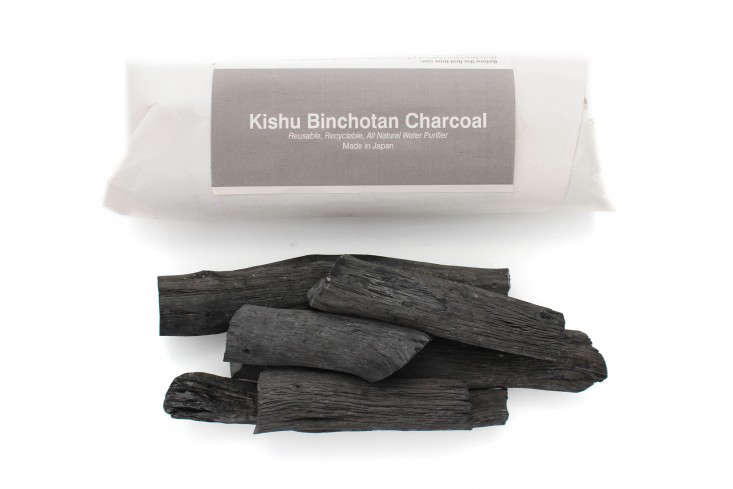

If ordinary household products are the cast of a sitcom, Morihata’s Kishu Binchotan Charcoal is the quiet character who walks in, says one smart thing, and somehow steals the whole scene. It is not flashy. It does not beep. It does not require an app, a charging dock, or a four-page booklet that sounds like it was translated by an exhausted toaster. Instead, it offers something more old-school and oddly luxurious: a simple piece of Japanese charcoal that people use to freshen water, tame odors, and bring a little ritual into everyday life.
That combination of practicality and poetry explains why this product has earned a loyal following. Morihata, a U.S.-based company known for curating thoughtfully made Japanese goods, presents Kishu binchotan not as a gimmick but as a design-forward household essential. The appeal is easy to understand. You drop it into a carafe, wait, and suddenly your kitchen feels a little calmer, your water tastes a little cleaner, and your countertop looks like it has better taste than most of us do before coffee.
But what exactly is Morihata’s Kishu Binchotan Charcoal, and is it actually worth the attention? The answer is more interesting than a simple yes or no. To understand the product, you need to understand the material, the tradition behind it, and the real-world experience of using it in an American home that contains all the usual suspects: tap water, lingering smells, and one refrigerator shelf that always seems to smell vaguely like an onion’s autobiography.
What Is Morihata’s Kishu Binchotan Charcoal?
At its core, Morihata’s Kishu Binchotan Charcoal is a traditional Japanese charcoal made from ubame oak in the Kishu region of Wakayama Prefecture. That provenance matters. Kishu binchotan is not generic charcoal wearing a fancy passport. It is part of a long craft tradition, and Morihata emphasizes that its version is made through established methods in the birthplace of binchotan itself.
The production process is one reason the material has such a strong reputation. Binchotan is fired slowly in specialized kilns, then finished at very high temperatures and cooled with ash, earth, and sand. The result is a dense, hard charcoal with a distinctive pale surface, which is why binchotan is often called “white charcoal.” It is the kind of product that makes modern single-use plastic filters look a little embarrassed.
Morihata positions this charcoal as a natural air and water purifier, and that is the everyday use most shoppers care about. The product is meant to sit in drinking water or live in odor-prone spaces around the home. In other words, it is less “campfire accessory” and more “minimalist home hero with excellent manners.”
Why Kishu Binchotan Has Such a Strong Reputation
It carries real heritage
One major reason people are drawn to Morihata’s charcoal is that binchotan is not a newly invented wellness trend wearing neutral-colored packaging. It has historical roots in Japan going back centuries, and it remains associated with meticulous craftsmanship. In a retail landscape full of products that loudly promise to “transform your life” by Tuesday, there is something refreshing about an item whose main selling point is that skilled artisans have been doing this properly for a very long time.
It is admired far beyond the water pitcher crowd
Binchotan is also famous in the food world. American food publications and chefs have praised it for grilling because it burns hot, burns long, and produces less intrusive smoke than many standard charcoals. That matters here even if you never plan to light a grill. It tells you something about the material itself: this is a dense, high-performing charcoal that has earned respect in more than one setting. When a product can impress both tea lovers and chefs, it is doing something right.
It turns utility into ritual
Morihata’s version benefits from another kind of reputation too: aesthetic credibility. This is the sort of object people leave visible on purpose. A water filter pitcher often looks like it belongs in a utility closet. A stick of Kishu binchotan in a glass carafe looks like a lifestyle choice. That visual difference should not be dismissed as shallow. Products that are pleasant to use and pleasant to look at tend to stay in rotation longer, which is how habits actually stick.
How People Actually Use Morihata’s Kishu Binchotan Charcoal
1. For tap water that tastes better
The most common use is simple: place the charcoal in potable tap water and let it sit. Many shoppers are drawn to binchotan because they want their water to taste fresher without constantly buying replacement cartridges or plastic bottles. In American coverage of carbon-based filtration, the core benefit is consistent: carbon helps reduce taste and odor issues, especially the chlorine note that can make tap water taste like it just finished a few laps at the community pool.
This is where Morihata’s product shines as a lifestyle object. It offers a low-tech, low-fuss approach that feels elegant instead of industrial. Morihata has even highlighted how charcoal-filtered water can help tea taste cleaner and more expressive. If you drink green tea, herbal tea, or lightly flavored infusions, you may notice that the water’s background flavor stops barging into the conversation.
2. For fighting odors around the house
Activated charcoal is widely used in American home-care advice because it absorbs odors rather than merely covering them up with a scent that smells like “Mountain Rain” or “Citrus Thunder” or whatever marketing teams are naming air fresheners now. This makes charcoal useful in closets, bathrooms, near trash areas, and inside refrigerators.
That broader household usefulness adds value to Morihata’s Kishu Binchotan Charcoal. Even after its best days in water are behind it, many people repurpose charcoal in odor-prone spaces. It is one of the rare home goods that can retire gracefully instead of going straight to the junk drawer with old charging cables and mystery keys.
3. For a calmer kitchen rhythm
There is also a less measurable use that matters more than people admit: atmosphere. Filling a carafe, adding the charcoal, and waiting for the water to settle creates a small daily ritual. It slows things down in a good way. This is not a medical claim, not a miracle, and definitely not a replacement for real water testing or proper filtration when needed. It is simply one of those objects that nudges a daily habit into something more intentional.
What Morihata’s Charcoal Can Do, and What It Cannot
Here is the honest part, because every good product deserves an honest article. Morihata’s Kishu Binchotan Charcoal can be a smart and beautiful tool for improving the taste and smell of drinking water and for helping with odor control around the home. It aligns with the broader role of activated carbon in many consumer filtration products.
What it should not be sold as is a one-size-fits-all answer for water safety. U.S. public health guidance is clear that carbon filtration products are often used mainly to improve taste and odor, and specific contaminant reduction depends on the product and certification. So if your concern is bacteria, nitrates, PFAS, lead, or another defined contaminant, you need a properly tested and certified filtration system for that job. Binchotan is refined and useful, but it is not a magician in a black tuxedo.
This distinction actually makes Morihata’s product easier to appreciate. When you stop asking it to be everything, you can value what it does well: it is an elegant, reusable, low-waste way to elevate everyday water and make certain corners of your home smell less like last week’s leftovers and more like a place a functioning adult might live.
How to Get the Best Experience From It
If you buy Morihata’s Kishu Binchotan Charcoal, the best approach is to use it thoughtfully. Start with clean, drinkable tap water rather than untreated water from an unknown source. Give the charcoal the prep and care recommended by the brand or seller. Use a clean glass container if you want the full visual appeal, because yes, half the fun is looking like the kind of person who casually has a sculptural water ritual in the kitchen.
Beyond water, think about second-life uses. Once the charcoal is no longer doing its best work in a pitcher, move it to the refrigerator, a shoe cabinet, a linen closet, or another small area that collects odors. Activated charcoal products are commonly used this way in the United States because they help neutralize smells without adding fragrance. That makes them especially appealing to people who like their home to smell clean rather than “passionfruit thunderstorm.”
And if you are comparing it with standard filter pitchers, the choice depends on your priority. If you want strict contaminant claims and replaceable certified cartridges, go with a tested filtration system. If you want a lower-tech, reusable, beautiful object that improves taste and supports a more intentional routine, Morihata’s charcoal is an unusually charming option.
Is Morihata’s Kishu Binchotan Charcoal Worth Buying?
For the right person, absolutely. Morihata’s Kishu Binchotan Charcoal is worth buying if you care about design, enjoy simple daily rituals, dislike single-use plastic waste, and mainly want to improve the taste and odor of your water. It is also a great fit for people who appreciate products with a real craft story behind them. The Kishu origin, the traditional production, and the material performance all give it more substance than the average trendy home accessory.
It may be less ideal for shoppers who want hard, broad-spectrum contaminant-reduction claims or who need a high-capacity system for a household with complex water-quality issues. In that case, a certified filtration setup is the smarter move. No shame there. Not every object needs to do every job.
Still, what makes Morihata’s Kishu Binchotan Charcoal memorable is that it succeeds on two levels at once. It is practical, and it is pleasurable. That combination is rarer than it should be. Plenty of products are useful but ugly. Plenty are pretty but pointless. This one manages to land in the sweet spot between function and feeling, which is exactly why it continues to attract attention.
A Longer Experience With Morihata’s Kishu Binchotan Charcoal
The experience of living with Morihata’s Kishu Binchotan Charcoal is not dramatic, and that is precisely why people end up liking it so much. It does not burst into your life with a major reveal. There is no movie trailer voice announcing that your kitchen is about to change forever. Instead, the appeal shows up quietly, in small moments that stack together over time.
At first, most people notice the look. A clear carafe with a dark piece of charcoal inside has a calm, sculptural quality that feels intentional without trying too hard. It does not scream “wellness,” and it does not look like a lab experiment either. It just sits there looking competent. That may sound like a minor detail, but it changes behavior. You are more likely to refill the carafe, keep it on the counter, and actually drink the water when the setup feels inviting. In a strange way, Morihata’s charcoal becomes part filter, part design object, part silent lifestyle coach.
Then comes the taste experience. Not everyone will describe it in the same way, but many people find the water feels cleaner, softer, or less harsh, especially if their tap water carries a noticeable chlorine note. The difference is not always theatrical. It is more like the water stops shouting. Tea drinkers tend to appreciate this most. A delicate green tea or a cold herbal infusion can taste muddled when the water has too much personality of its own. With charcoal-filtered water, the tea gets to be the main character again, as it should.
Another surprisingly satisfying part of the experience is the sense of routine. You fill the vessel, place the charcoal inside, and let time do some of the work. That pause creates a rhythm that feels different from pushing a lever on a plastic pitcher. It is a slower interaction, but not an inconvenient one. It makes hydration feel slightly less like a task and slightly more like an act of care. And in a world where half of modern life feels optimized to death, a slower object can be weirdly refreshing.
The second chapter of the experience often begins when the charcoal moves beyond water duty. Instead of tossing it out immediately, many users repurpose it in the fridge, pantry, shoe area, or bathroom. This is where the product starts to feel especially clever. It keeps working in a different role, absorbing odors in places where scented products would just make the problem smell more complicated. A charcoal-based odor solution is not glamorous, but it is satisfying in the way all good practical solutions are satisfying: it solves a problem quietly and then minds its own business.
There is also a subtle emotional reward to using something rooted in craftsmanship. Morihata’s Kishu Binchotan Charcoal does not feel disposable, and that changes how people relate to it. You handle it more carefully. You think about where it came from. You are reminded that even a basic household item can have history, technique, and intention behind it. That may sound lofty for a piece of charcoal, but good design often works exactly this way. It makes ordinary habits feel more considered.
In the end, the lived experience is not about chasing a miracle. It is about enjoying a product that makes water taste better, helps tame household odors, reduces reliance on throwaway plastic solutions, and adds a little quiet dignity to the kitchen. That is a pretty strong resume for something that looks, at first glance, like a very stylish stick.
Final Thoughts
Morihata’s Kishu Binchotan Charcoal stands out because it joins tradition, function, and beauty in a way that feels genuinely useful. It is rooted in Kishu craftsmanship, loved for its clean, minimalist practicality, and versatile enough to move from water purification to odor control without feeling gimmicky. It will not replace a certified system when health-specific water concerns are on the table, but that is not its real job. Its real job is to make the everyday feel a little cleaner, a little calmer, and a lot less plastic-heavy.
For many American households, that is more than enough. Sometimes the best home upgrade is not a smarter gadget. Sometimes it is just a smarter object.


