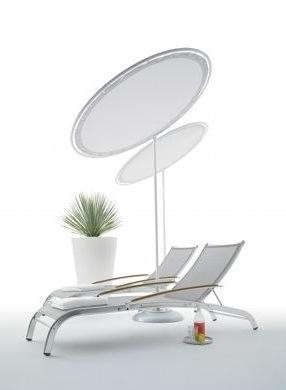

A mid-century sunshade is not just a polite little hat for your window. It is one of the smartest, coolest, and most stylish design ideas to come out of mid-century modern architecture. Long before “passive cooling” became a phrase that sounded expensive in a sustainability meeting, architects were already using deep roof overhangs, breeze blocks, slatted screens, awnings, louvers, and brise-soleil to tame sunlight, reduce heat, and make homes look effortlessly handsome.
The beauty of the mid-century sunshade is that it solves a practical problem with visual charm. It says, “Yes, I would like natural light,” but also, “No, I do not want my living room to feel like a toaster oven wearing sunglasses.” Whether attached to a Palm Springs ranch house, a California modern home, a carport, a patio, or a renovated suburban exterior, the mid-century sunshade brings together clean lines, indoor-outdoor living, comfort, and architectural personality.
Today, homeowners are rediscovering this classic feature because it works. Exterior shading can help block direct sun before it enters the glass, which is far more effective than letting heat sneak inside and then asking your air conditioner to wrestle it into submission. A well-designed sunshade can reduce glare, protect furniture from fading, create outdoor comfort, and give a plain facade the kind of curb appeal that makes neighbors slow down just a little.
What Is a Mid-Century Sunshade?
A mid-century sunshade is an exterior architectural element designed to filter or block sunlight while complementing mid-century modern design. It may appear as a projecting roof overhang, a fixed awning, a wooden slat screen, an aluminum louver, a patterned concrete breeze-block wall, or a brise-soleil system. The form can be simple or sculptural, but the goal is usually the same: control sun, preserve views, improve comfort, and look fantastic doing it.
Mid-century modern design, popular in the United States after World War II, favored low horizontal lines, open floor plans, glass walls, flat or low-pitched roofs, natural materials, and a strong relationship between indoors and outdoors. That generous use of glass made homes brighter and more connected to nature, but it also created a very obvious issue: sunlight is wonderful until it turns your sofa into a grilled cheese sandwich.
Sunshades became the elegant answer. Instead of hiding behind heavy curtains, mid-century homes often used the building itself to manage light. Deep eaves shaded windows. Carports extended rooflines. Breezeblock walls filtered desert sun. Slatted screens offered privacy without shutting out the world. These elements gave homes rhythm, shadow, texture, and climate intelligence.
Why Mid-Century Homes Needed Smart Shade
Many mid-century homes were designed around openness. Picture floor-to-ceiling windows, sliding glass doors, clerestory windows, patios, courtyards, and living rooms that practically shake hands with the backyard. This design language made interiors feel spacious, optimistic, and relaxed. It also invited a lot of solar heat gain.
In hot and sunny climates, especially places like Southern California, Arizona, Florida, Nevada, and parts of Texas, unmanaged sun can quickly make a home uncomfortable. Large west-facing windows are especially notorious because afternoon sun arrives with the subtlety of a brass band. South-facing windows can also collect significant heat, depending on location, season, and roof design.
Mid-century architects understood that shade should be planned, not improvised. A good sunshade could block high summer sun while still allowing winter light when the sun sits lower in the sky. This is the quiet genius behind many roof overhangs and horizontal shading devices. They are not random decorative eyebrows; they are geometry with better hair.
Popular Types of Mid-Century Sunshades
1. Deep Roof Overhangs
Deep roof overhangs are one of the signature features of mid-century modern architecture. They extend beyond the wall plane to shade windows, patios, and entryways. On a low-slung home, a long overhang reinforces the horizontal profile while making the structure feel calm and grounded.
Functionally, overhangs are excellent for shading south-facing glass in many parts of the United States. When properly sized, they can reduce harsh summer sunlight while still allowing softer daylight to enter. Visually, they create dramatic shadow lines that make even a simple exterior look more intentional.
2. Brise-Soleil
Brise-soleil means “sun breaker,” and frankly, that sounds like a superhero who carries graph paper. In architecture, it refers to a fixed system of fins, louvers, blocks, or screens that breaks up sunlight before it reaches the building interior. Mid-century brise-soleil designs often used concrete, metal, wood, or masonry to create repeating patterns.
This technique became popular in modern architecture because it offered both performance and style. A brise-soleil can reduce glare, protect privacy, and add sculptural interest to a facade. When designed well, it turns sunlight into pattern, which is much nicer than turning your indoor plants into crispy salad.
3. Breeze Blocks
Breeze blocks are patterned concrete blocks commonly associated with mid-century homes, motels, commercial buildings, and desert modern design. They allow air and partial light to pass through while creating shade and privacy. In Palm Springs and other warm-weather regions, breeze blocks became almost iconic.
Their appeal is easy to understand. They are practical, graphic, affordable, durable, and playful. A breeze-block screen can define a patio, hide a utility area, frame an entry, or soften a large blank wall. It brings texture without clutter and nostalgia without looking like a museum exhibit.
4. Slatted Wood Screens
Wood slat screens are another classic mid-century sunshade idea. They can be installed vertically or horizontally, depending on the orientation of the sun and the desired visual effect. Cedar, redwood, teak, and thermally modified woods are common choices for modern interpretations.
Slats work beautifully because they provide partial shade without completely closing off a space. They also add warmth to homes with stucco, concrete, glass, or metal. A slatted screen can make an entryway feel private, shade a balcony, or bring a little architectural drama to a basic patio. It is basically sunscreen with better grain.
5. Metal Louvers
Metal louvers suit mid-century design because they are clean, precise, and durable. Aluminum is especially popular because it resists rust, can be powder-coated, and works well with modern exterior palettes. Louvers may be fixed or adjustable, and they are often used above windows, along patios, or as vertical fins on sun-exposed walls.
For homes with a sharper modernist look, metal louvers can feel more authentic than fabric awnings. They pair well with flat roofs, steel posts, glass doors, and minimalist landscaping. They also do not flap dramatically in the wind like a patio umbrella auditioning for community theater.
6. Canvas and Retractable Awnings
Although many people associate awnings with traditional storefronts, they also have a place in mid-century-inspired design when chosen carefully. Simple shed-style awnings, striped fabrics, or clean retractable systems can shade windows and outdoor seating areas while adding color and personality.
The trick is restraint. Choose simple profiles, crisp lines, and colors that complement the home rather than shouting at it. A well-selected awning can feel cheerful and period-friendly. A poorly selected one can make a sleek ranch house look like it is trying to sell hot dogs at a county fair.
The Design Principles Behind a Great Mid-Century Sunshade
Start With Sun Orientation
The best sunshade begins with the path of the sun. A south-facing window usually benefits from horizontal shading such as overhangs or awnings. East- and west-facing windows are more difficult because the sun is lower in the sky during morning and afternoon. For those areas, vertical fins, side screens, dense landscaping, or adjustable louvers often perform better.
Before building anything, watch how light hits your home at different times of day. Notice which rooms overheat, which windows produce glare, and where outdoor seating becomes unusable. The sun gives free design advice every day; unfortunately, it delivers the message by bleaching your rug.
Respect the Home’s Architecture
A mid-century sunshade should look like it belongs to the house. If the home has long horizontal lines, echo them with a flat canopy or horizontal slats. If the exterior includes masonry, consider breeze blocks or concrete screens. If the house has wood siding or exposed beams, a timber shade structure may feel natural.
A good rule is to repeat existing shapes, colors, or materials. Mid-century design is not about adding random decoration. It is about clarity, rhythm, proportion, and function. When the sunshade matches those principles, it looks original even if it was installed last Tuesday.
Use Shadow as a Design Feature
One reason mid-century sunshades are so visually satisfying is that they create shadow patterns. Slats cast stripes. Breeze blocks create geometric shapes. Louvers produce clean bands of light. These changing shadows give walls, patios, and interiors a sense of movement throughout the day.
This is especially valuable on simple facades. A plain stucco wall can feel flat, but add a patterned screen and suddenly the surface has depth. The sunshade becomes both climate control and artwork. It is like hanging a painting, except the painting changes every hour and does not require a tiny museum label.
Best Materials for a Mid-Century Sunshade
Wood
Wood brings warmth and authenticity to mid-century design. It works well for slats, pergolas, privacy screens, and patio covers. Cedar and redwood are naturally resistant to decay, while teak and ipe offer durability with a richer appearance. However, wood requires maintenance. Sun, rain, and temperature swings can cause fading, checking, or warping if the material is not properly sealed.
Aluminum
Aluminum is lightweight, clean-looking, and low maintenance. Powder-coated aluminum louvers or panels can provide a crisp modern appearance while resisting corrosion. It is a strong choice for homeowners who want a long-lasting sunshade without constant refinishing.
Steel
Steel offers strength and a slim profile, making it useful for frames, posts, and custom architectural screens. It must be protected from rust, especially in humid or coastal climates. When detailed well, steel can give a sunshade a refined modernist edge.
Concrete and Masonry
Concrete breeze blocks are among the most recognizable mid-century shading materials. They provide texture, privacy, airflow, and a timeless retro-modern look. Masonry screens are durable, but they require proper structural support and installation. This is not the place to “just stack a few blocks and hope gravity is feeling generous.”
Fabric
Outdoor fabrics are useful for awnings, shade sails, and retractable systems. They offer flexibility and color but may need replacement over time due to fading or weather exposure. For a mid-century look, choose simple shapes and avoid overly ornate valances.
Where to Use a Mid-Century Sunshade
Front Entry
A sunshade over the front door improves comfort and curb appeal. It creates a welcoming transition between outside and inside, which is very mid-century in spirit. A flat canopy, slatted screen, or breeze-block side wall can make the entrance feel more architectural without overwhelming the facade.
Living Room Windows
Large living room windows are beautiful but often need protection from glare and heat. A horizontal overhang, exterior louver, or wood screen can preserve the view while making the room more comfortable. This is especially helpful for homes with original single-pane glass, where solar heat can be more noticeable.
Patios and Courtyards
Mid-century homes often blur the line between indoor and outdoor living. A patio sunshade extends that idea by making outdoor spaces usable during bright or hot weather. Pergolas, slatted roofs, and metal shade structures can create comfortable outdoor rooms for dining, lounging, or pretending you are about to read the design book on your coffee table.
Carports
The carport is a classic mid-century feature, and it can double as a sun-control element. A well-designed carport canopy may shade nearby windows, frame the entry, and strengthen the home’s horizontal architecture. Add a breeze-block wall or slatted privacy panel, and the carport becomes more than a parking spot. It becomes part of the composition.
Mid-Century Sunshade Ideas for Modern Homes
If your home is not a textbook mid-century modern property, you can still borrow the idea. The key is to adapt the proportions and materials. A 1970s ranch house may look fantastic with a clean wood-slat screen. A stucco bungalow may benefit from a small aluminum awning. A newer home with large windows may gain character from a brise-soleil inspired facade panel.
For a budget-friendly update, consider adding a simple slatted privacy screen near a patio or entry. For a bigger project, design a continuous shade canopy across the front elevation. For a dramatic statement, use breeze blocks to create a freestanding courtyard wall. The result can be subtle or bold, but it should always feel purposeful.
Color also matters. Mid-century palettes often include warm neutrals, white, charcoal, olive, rust, mustard, turquoise, and natural wood tones. A sunshade can either blend in with the house or become a controlled accent. The word “controlled” is doing important work here. One orange door is charming. Seven competing accent colors may look like your house lost a fight with a paint fan deck.
Energy and Comfort Benefits
A mid-century sunshade can improve comfort by reducing direct solar gain and glare. Exterior shading is especially effective because it blocks sunlight before it passes through glass. Once sunlight enters a room, surfaces absorb that energy and release it as heat. Interior blinds can help with glare and privacy, but exterior shading often does more to prevent overheating.
Sunshades can also protect interior finishes. Ultraviolet light and strong sunlight can fade wood floors, textiles, artwork, and furniture. By filtering light, a shade structure helps preserve the materials inside the home. Your vintage walnut credenza will thank you silently, as furniture does.
Comfort is not only about temperature. It is also about the quality of light. Harsh glare makes rooms unpleasant, especially when working, reading, cooking, or watching television. A good shade device softens daylight so interiors remain bright without feeling blinding. That is the difference between “sun-filled living room” and “interrogation chamber with throw pillows.”
Common Mistakes to Avoid
Ignoring the Direction of the Sun
A beautiful shade structure in the wrong place is basically outdoor jewelry. It may look nice, but it will not solve the problem. Always match the shading strategy to the window orientation and local climate.
Making the Shade Too Heavy
Mid-century design depends on balance. A sunshade should not make the house feel dark, bulky, or gloomy. The goal is filtered light, not cave living with a mortgage.
Choosing the Wrong Material
Wood looks beautiful but needs care. Metal is durable but can feel cold if poorly detailed. Fabric is flexible but less permanent. Concrete blocks are iconic but require proper installation. Choose materials based on climate, maintenance expectations, budget, and architectural fit.
Forgetting Drainage and Structure
Any attached canopy, awning, or screen must be safely supported and properly flashed. Water should drain away from the home, not sneak into walls. When in doubt, involve a qualified contractor, architect, or structural professional. Mid-century style is wonderful; mid-century-inspired water damage is less charming.
Experience-Based Tips for Living With a Mid-Century Sunshade
Living with a mid-century sunshade teaches you that shade is not simply the absence of sun. It is an atmosphere. The first thing many homeowners notice after adding an exterior shade is that the room feels calmer. The light becomes softer. The floor is not scorching by late afternoon. The couch no longer has one cushion that feels like it has been training for a desert survival show.
One practical experience is that the best sunshade often changes how you use the house. A patio that was once abandoned after 2 p.m. can become a favorite dinner spot. A front entry that felt exposed can suddenly feel private and welcoming. A living room that needed closed curtains all day can stay bright without glare. These are small changes, but they affect daily life in a surprisingly big way.
Another lesson is that shadows become part of the design. A slatted screen may cast crisp stripes in the morning and softer patterns in the evening. Breeze blocks can create playful geometry across a walkway. Even a simple overhang can make the exterior feel deeper and more refined. Over time, you start noticing the house in different hours, almost like it has moods. Morning house: fresh and optimistic. Afternoon house: dramatic and cinematic. Evening house: ready for a cocktail and a jazz record.
Maintenance is also part of the experience. Wood sunshades need cleaning and resealing. Metal louvers may need occasional washing, especially in dusty or coastal areas. Fabric awnings should be checked for mildew, fading, and tension. Concrete breeze blocks are durable but may collect dirt in their patterns. None of this is difficult, but it should be expected. A sunshade is architectural, not magical. It still lives outside, where weather has opinions.
Homeowners also learn that small design decisions matter. The spacing between slats affects privacy and light. The depth of an overhang changes how much sun reaches the glass. The color of a shade structure can make it feel light or heavy. A black metal frame may look sharp and graphic, while natural wood feels warmer and more relaxed. White or light-colored materials can reflect heat, but they may show dirt faster. Every choice has a personality.
One of the best experiences is how a sunshade can make an older home feel cared for without erasing its character. Many mid-century houses have been remodeled in ways that flatten their original charm. Adding a thoughtful shade element can restore some of that architectural rhythm. It does not have to be a perfect historic reproduction. It simply needs to understand the language: clean lines, honest materials, useful form, and a little optimism.
For people renovating on a budget, the most satisfying approach is often phased. Start with the hottest or most uncomfortable window. Add a small screen near the entry. Replace a tired fabric awning with a cleaner profile. Plant shade trees where appropriate. Later, connect those improvements into a larger exterior plan. The best mid-century homes rarely feel overdecorated. They feel edited. That is good news for your wallet and your sanity.
Finally, a mid-century sunshade reminds us that good design can be sensible and beautiful at the same time. It is not just decoration pasted onto a building. It is a response to climate, light, privacy, comfort, and daily routines. It lets the sun in politely, with boundaries. And honestly, who among us does not need better boundaries with the sun?
Conclusion
The mid-century sunshade remains one of the most useful and attractive ideas in residential design. It captures everything people love about mid-century modern style: simplicity, function, connection to nature, and visual confidence. Whether expressed as a deep roof overhang, a breeze-block wall, a wood slat screen, a metal louver, or a brise-soleil facade, the sunshade proves that practical design does not have to be boring.
For today’s homeowners, it offers a smart way to improve comfort, reduce glare, protect interiors, and add curb appeal. More importantly, it brings back the climate-aware thinking that made many mid-century homes so livable in the first place. A well-designed sunshade does not fight the sun; it negotiates with it. And when the negotiation goes well, everyone wins: the house, the people inside it, the energy bill, and that poor sofa that just wanted a break.
Note: This article is original, written in standard American English, and prepared for web publishing without source-link clutter or autogenerated citation placeholders.


