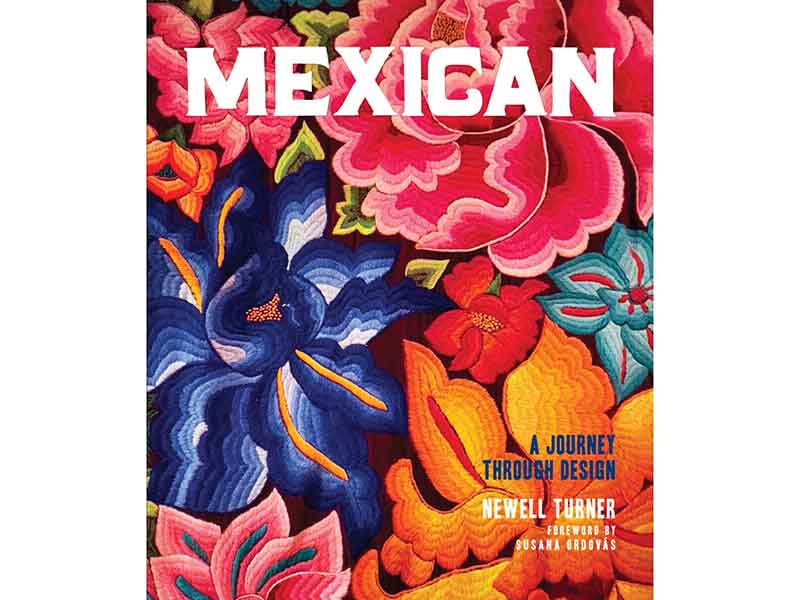

Mexican design is not a single look, a paint swatch, or a decorative shortcut involving one cactus and a suspiciously cheerful sombrero. It is a living visual language shaped by Indigenous knowledge, Spanish colonial influence, regional craftsmanship, modern architecture, public art, and a fearless relationship with color. It can be earthy and minimal, loud and festive, sacred and domestic, handcrafted and cutting-edgesometimes all before lunch.
To understand Mexican design, you have to follow it across courtyards, markets, tiled kitchens, mural-covered public buildings, sun-drenched plazas, modernist houses, and family tables where a ceramic bowl is never just a bowl. It carries memory. It carries place. It might also carry salsa, which is an equally important cultural function.
This journey through Mexican design explores how history, materials, color, architecture, interiors, and everyday craft come together to create one of the world’s most expressive design traditions. Whether you are studying Mexican interior design, planning a home refresh, or simply trying to understand why Talavera tiles make a plain wall look like it suddenly developed a personality, this guide will walk you through the big ideas with warmth, clarity, and just enough humor to keep the furniture awake.
The Roots of Mexican Design: A Layered Visual Story
Mexican design begins long before the modern design world had mood boards, showroom launches, or people saying “organic modern” while pointing at beige pillows. Pre-Columbian civilizations such as the Maya, Mexica, Zapotec, Mixtec, and others created sophisticated systems of architecture, textiles, ceramics, stone carving, symbolism, and urban planning. Their work was not decorative in the shallow sense; it connected daily life with ritual, astronomy, agriculture, social order, and spiritual meaning.
Geometric motifs, stepped forms, animal symbols, woven patterns, and natural pigments became part of a deep design vocabulary. These ideas did not disappear after Spanish colonization. Instead, they collided, merged, resisted, and transformed. Spanish Baroque churches, Moorish-influenced tilework, Catholic iconography, wrought iron, carved wood, and courtyard architecture entered the picture. Mexican design became a conversation between worldssometimes harmonious, sometimes complicated, always visually powerful.
This is why Mexican style often feels layered rather than “matched.” A room might include rustic wood, hand-painted tile, embroidered textiles, clay pottery, religious folk art, and modern lighting without looking confused. The secret is not perfection. It is rhythm, memory, and confidence.
Color: The Beating Heart of Mexican Design
If Scandinavian minimalism whispers, Mexican design sings from the balcony. Color is one of its most recognizable features, but it is not random. Mexican color palettes often draw from landscape, celebration, food, flowers, minerals, and architecture: bougainvillea pink, marigold orange, cobalt blue, lime green, terracotta, deep red, cactus green, sunbaked ocher, and volcanic black.
In traditional and modern Mexican interiors, color is used to create emotion and movement. A blue wall can feel cool and spiritual. A yellow kitchen can feel like breakfast has been personally blessed by the sun. A hot pink courtyard wall can turn shadow into theater. This is especially visible in the work of architect Luis Barragán, whose modernist spaces used color, light, walls, water, and silence as architectural materials. In his world, pink was not “accent color.” It was atmosphere.
Why Mexican Color Works So Well
Mexican design balances bold color with grounding textures. Bright walls are often paired with clay floors, rough plaster, carved wood, leather, iron, stone, or woven fibers. This prevents the palette from becoming visual confetti. The result feels vibrant but human. It has drama, but it does not need to shout every second. Think of it as a mariachi band that also understands negative space.
Talavera Tiles: Small Squares With Big Personality
Few elements say “Mexican design” as clearly as Talavera tile. Traditionally associated with Puebla, Talavera is a type of tin-glazed ceramic known for its milky white base and hand-painted patterns. Its history reflects a blend of Spanish ceramic techniques, Indigenous craftsmanship, local clay traditions, and global trade influences. Over time, it became a signature feature in Mexican kitchens, bathrooms, stair risers, fountains, patios, and façades.
Talavera tiles are charming because they are not machine-perfect. Slight variations in color, line, and glaze give each piece life. When used in interiors, they add pattern without feeling flat. A backsplash becomes a story. A stairway becomes a parade. A bathroom suddenly behaves as if it has been on vacation and returned with better taste.
How Talavera Fits Modern Homes
Modern Mexican interior design often uses Talavera in selective ways. Instead of covering every available surface, designers may use it as a focal point: behind a stove, around a fireplace, on an outdoor fountain, or along stair risers. This keeps the look fresh rather than theme-park-ish. The goal is not to turn your house into a souvenir shop. The goal is to let craft bring warmth, pattern, and authenticity into daily life.
Textiles: Weaving Identity Into Space
Mexican textiles are among the most expressive elements of the country’s design heritage. Regional weaving traditions vary widely, from the richly patterned rugs of Oaxaca to embroidered garments, rebozos, blankets, table runners, and handwoven baskets. Materials may include wool, cotton, agave fiber, palm, and natural dyes. Patterns often carry regional identity, family knowledge, and symbolic meaning.
In interior design, textiles soften the strong architectural and material elements of Mexican style. A woven rug can warm a tile floor. Embroidered pillows can bring color to a neutral sofa. A rebozo or woven throw can introduce texture without requiring a complete room makeover. Textiles also prevent Mexican design from becoming only about walls and ceramics. They remind us that design lives close to the body: worn, folded, slept under, carried, and passed down.
Mexican Folk Art: Design With a Smile, a Soul, and Occasionally a Skeleton
Mexican folk art, or arte popular, is central to the country’s design identity. It includes ceramics, masks, carved animals, lacquerware, papel picado, alebrijes, tin art, retablos, woodwork, beadwork, and many other regional traditions. These objects are often colorful, symbolic, humorous, devotional, and deeply skilled.
Papel picado, the delicate cut-paper banners often seen during Día de Muertos and other celebrations, shows how simple materials can create atmosphere. Alebrijes, fantastical carved and painted creatures associated especially with Oaxaca and Mexico City traditions, turn imagination into sculpture. Clay figures, painted bowls, and hand-carved masks bring storytelling into the home.
What makes Mexican folk art so compelling is its refusal to separate beauty from life. It belongs at festivals, altars, kitchens, markets, and family gatherings. It is not design sealed behind glass, although museums rightly preserve and celebrate it. It is design with fingerprints.
Architecture: Courtyards, Walls, Light, and the Art of Arrival
Mexican architecture has a remarkable ability to choreograph experience. Traditional homes often focus on courtyards, thick walls, shaded corridors, fountains, gardens, and indoor-outdoor living. These features are practical responses to climate, but they are also emotional. A courtyard creates privacy. A fountain cools the air. A covered walkway slows the body down. A heavy wooden door turns entry into ceremony.
Spanish colonial architecture contributed arches, courtyards, tilework, iron details, and carved doors. Indigenous and regional building traditions contributed local materials, climate intelligence, and symbolic forms. In the 20th century, Mexican modernism reinterpreted these influences through clean lines, bold volumes, and new ideas about public life and national identity.
Luis Barragán and Emotional Modernism
Luis Barragán remains one of the most influential figures in Mexican modern architecture. His work is often described through color, silence, water, walls, gardens, and spiritual calm. Unlike cold modernism that sometimes seems designed for people who never spill coffee, Barragán’s modernism feels contemplative and human. His spaces use proportion and restraint, but they also embrace mystery and emotion.
His influence can still be seen in contemporary Mexican architecture: sculptural walls, carefully controlled light, indoor-outdoor transitions, vivid color planes, and a strong connection to landscape. Barragán showed that modern design did not have to erase local identity. It could sharpen it.
Mexican Modernism: Tradition Meets Reinvention
Mexican modernism emerged strongly after the Mexican Revolution, when artists, architects, and designers explored national identity, social change, public education, and cultural pride. The Mexican muralist movementassociated with artists such as Diego Rivera, José Clemente Orozco, and David Alfaro Siqueirosturned walls into public storytelling platforms. Design was not only for private homes. It belonged to plazas, schools, government buildings, and the people.
Modern Mexican design also extended into furniture, graphics, ceramics, and interiors. Designers such as Clara Porset helped shape conversations about craft, industry, comfort, and modern living. Her belief that design existed in everything feels especially relevant today, when the line between handmade and industrial, local and global, traditional and modern continues to blur.
The best Mexican modernism does not treat tradition like a museum label. It treats tradition as a living tool. A modern chair can echo a woven seat. A concrete wall can frame a garden like an ancient courtyard. A graphic poster can borrow from folk color while speaking in a modern visual language.
Mexican Interior Design: Warm, Personal, and Wonderfully Unafraid
Mexican interior design is often misunderstood as simply “bright colors plus rustic furniture.” That is like describing a great meal as “food plus plate.” The real power lies in balance: handmade objects, natural materials, expressive color, layered pattern, meaningful art, and spaces designed for gathering.
A Mexican-inspired living room may include plaster walls, a carved wood coffee table, leather equipale chairs, woven textiles, potted plants, folk art, and a few contemporary pieces. A kitchen may feature open shelving, Talavera tile, clay cookware, copper accents, and a large table that understands it will be asked to host everything from breakfast to family drama. A patio may use terracotta pots, iron lanterns, bougainvillea, and a fountain to create an outdoor room that feels relaxed but intentional.
Key Elements of Mexican Interior Design
Natural materials are essential. Wood, clay, stone, leather, iron, cotton, wool, and plaster create tactile depth. Pattern appears through tile, textiles, baskets, and painted ceramics. Art is personal and often symbolic. Plants bring life and soften strong architectural lines. Lighting tends to be warm, whether from lanterns, sconces, candles, or sunlight bouncing off colored walls.
The best spaces do not look copied. They look collected. Mexican design rewards patience. A hand-painted plate from Puebla, a wool rug from Oaxaca, a carved chair, a small devotional painting, a contemporary Mexican print, and a simple clay vase can work together because each object has presence.
Common Mistakes to Avoid With Mexican-Inspired Design
The first mistake is turning culture into costume. Mexican design is rich, regional, and complex. Reducing it to clichés does not honor the tradition, and frankly, it usually looks like a restaurant lobby designed in a hurry.
The second mistake is overloading every surface. Mexican design can be maximal, but it still needs rhythm. If the tiles are bold, let the surrounding surfaces breathe. If the textiles are colorful, ground them with wood or plaster. If the wall is bright pink, maybe the sofa does not also need to audition for a parade.
The third mistake is buying imitation craft while ignoring actual artisans. Whenever possible, choose handmade or ethically sourced pieces. Authenticity is not only about appearance. It is about process, respect, and the people behind the work.
How to Bring Mexican Design Into Your Home
You do not need a full renovation to bring Mexican design principles into your space. Start with one strong element. Add a Talavera tile panel behind a stove. Place a woven runner on a dining table. Use terracotta planters on a balcony. Hang a piece of Mexican folk art where it can start conversations. Paint one wall in a warm, saturated color and let it become the room’s heartbeat.
For a subtle approach, use earthy neutrals with handcrafted accents: clay pottery, natural wood, woven baskets, leather seating, and a few bright textiles. For a bolder look, combine saturated walls with patterned tile and folk art, but keep furniture shapes simple. Mexican design loves character, but even character appreciates a little breathing room.
Why Mexican Design Still Feels So Modern
Mexican design remains relevant because it solves problems that contemporary design often struggles with. It makes homes feel personal instead of staged. It values craft in an age of mass production. It connects interiors to climate and landscape. It respects history without becoming trapped in nostalgia. It also understands that joy is not frivolous; joy is a design function.
In a world where many interiors are polished into beige silence, Mexican design reminds us that homes can be colorful, emotional, imperfect, and deeply alive. It proves that modernity does not require cultural amnesia. A room can hold memory and still feel fresh. A chair can be functional and poetic. A wall can be pink and still be serious. Very serious, actually. Pink has range.
Experiences Related to “Mexican – A Journey Through Design”
Experiencing Mexican design is different from simply looking at it on a screen. Online, you see the colors first. In person, you feel the temperature of the wall, the uneven coolness of the tile, the softness of woven wool, the slight wobble of handmade pottery, and the way sunlight turns a courtyard into a slow-moving painting. Mexican design is sensory before it is intellectual. It asks you to notice.
One of the most memorable experiences connected to Mexican design is walking through a traditional market. The first impression is abundance: baskets stacked like sculpture, clay pots in warm red and brown tones, embroidered blouses arranged like flower fields, painted wooden animals staring at you with the confidence of tiny mythical bosses. Nothing feels sterile. Every object seems to have traveled through human hands, and that changes how you value it. A bowl is not just a bowl when you can imagine the clay being shaped, fired, painted, packed, sold, carried home, and placed at the center of dinner.
Another powerful design experience is entering a courtyard house. From the street, the exterior may seem modest, even quiet. Then a door opens and suddenly there is color, greenery, water, shadow, and sky. The transition feels almost cinematic. Mexican architecture understands surprise. It does not reveal everything at once. It lets you move from public to private, from heat to shade, from noise to calm. That sense of arrival is something many modern homes could learn from. A hallway does not have to be dead space. A doorway can be a pause. A patio can be the emotional center of a home.
Talavera tile offers another lesson: imperfection can be beautiful when it comes from the hand. In a world obsessed with flawless surfaces, handmade tile feels refreshingly human. The blue may be slightly deeper in one square. A line may curve with personality. The glaze may catch light differently from piece to piece. Instead of looking defective, these variations create movement. They remind you that design does not always need to be corrected. Sometimes it needs to be allowed to breathe.
Mexican-inspired interiors also change the way people gather. A room with warm color, textured materials, plants, ceramics, and art tends to invite conversation. It feels less like a display and more like a welcome. You can imagine someone cooking, laughing, telling stories, setting down keys, watering plants, or pulling an extra chair to the table. That may be the real genius of Mexican design: it is not afraid of life. It expects life. It makes room for it.
For anyone designing a home, brand, restaurant, hotel, or creative space, the Mexican design journey offers a practical lesson: beauty becomes stronger when it is connected to place, craft, and memory. Do not begin with “How do I copy this look?” Begin with “What feeling should this space hold?” Mexican design teaches that color can be emotional, materials can be honest, craft can be modern, and tradition can keep moving forward. It is not a style frozen in the past. It is a living journeyone tile, textile, courtyard, mural, and sunlit wall at a time.
Conclusion: Mexican Design as Living Culture
Mexican design is a journey through history, craft, architecture, identity, and emotion. It carries Indigenous roots, colonial layers, regional traditions, modernist innovation, and contemporary creativity. From Talavera tiles and woven textiles to Barragán’s colored walls and the public power of muralism, Mexican design shows how beauty can be both functional and meaningful.
Its greatest lesson is simple: design should feel alive. It should hold stories, welcome people, respect materials, and make room for joy. Whether you add one hand-painted tile, redesign a courtyard, collect artisan textiles, or simply study the way color behaves in Mexican architecture, you are participating in a much larger conversationone that has been unfolding for centuries and still has plenty to say.
Note: This article synthesizes real information from reputable cultural, museum, architecture, and design references, written in original language for web publication.


