
Note: This article is educational and is not a substitute for medical care. Anyone with new thigh numbness, worsening pain, leg weakness, back pain, bowel or bladder changes, fever, unexplained weight loss, or symptoms after an injury should speak with a qualified healthcare professional.
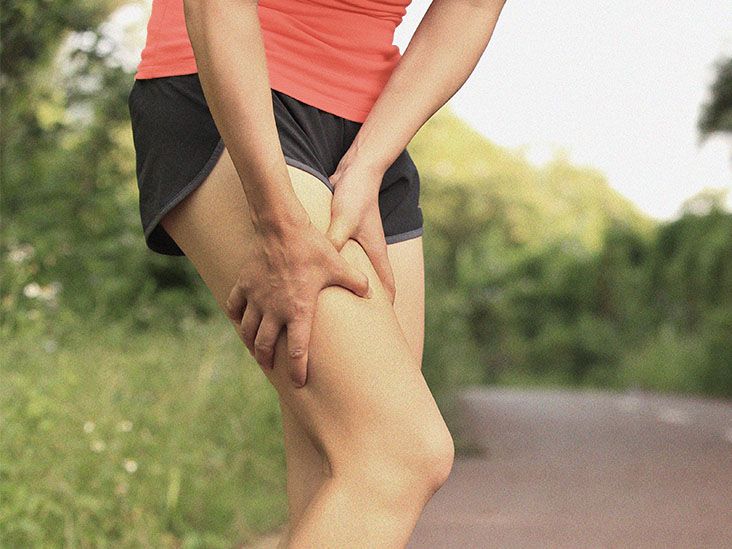
Meralgia paresthetica sounds like a spell a wizard would mutter after sitting too long in skinny jeans, but it is a real nerve-compression condition that can make the outside of the thigh burn, tingle, ache, buzz, or go oddly numb. The good news: it often improves with conservative care, especially when you reduce pressure around the hip and groin area and rebuild comfortable mobility.
Exercises for meralgia paresthetica are not about heroic stretching or trying to “beat” the nerve into submission. Nerves are dramatic little electrical cables. When irritated, they prefer space, calm movement, and a gradual return to normal activity. The right routine can help loosen tight hip tissues, improve pelvic positioning, strengthen glutes and core muscles, and make standing, walking, and daily movement less cranky.
This guide explains what meralgia paresthetica is, why exercises may help, which movements are safest to start with, and how to build a simple routine for pain relief and mobility without accidentally turning your thigh into a fireworks show.
What is meralgia paresthetica?
Meralgia paresthetica is caused by irritation or compression of the lateral femoral cutaneous nerve. This nerve travels from the lower spine through the pelvis and near the inguinal ligament before supplying sensation to the front and outer thigh. The important word here is sensation. The lateral femoral cutaneous nerve does not control leg strength, so classic meralgia paresthetica usually causes burning, tingling, numbness, or sensitivity rather than true muscle weakness.
Common triggers include tight clothing, belts, tool belts, weight gain, pregnancy, diabetes, prolonged standing, repetitive hip movement, direct pressure near the front of the hip, and certain surgeries or injuries. Symptoms are often one-sided and may get worse after walking or standing for a long time. Some people feel better when sitting because sitting can reduce tension on the irritated nerve, though sitting in tight waistbands can also do the opposite. The human body enjoys keeping us humble.
Why exercise can help meralgia paresthetica
Exercise does not “cure” every case of meralgia paresthetica, and research on physical therapy for this exact condition is still limited. However, gentle stretching and strengthening may help by reducing mechanical pressure around the nerve pathway. If tight hip flexors, stiff quadriceps, weak glutes, poor pelvic control, or irritated soft tissue near the groin are contributing to symptoms, a thoughtful mobility plan can make daily life more comfortable.
The goal is not to stretch the nerve aggressively. The goal is to improve the environment around the nerve. Think of it like giving a grumpy houseguest a bigger room, softer lighting, and fewer reasons to complain.
Before you start: exercise rules for nerve pain
Use the “quiet nerve” rule
Mild stretching or muscle effort is fine. Sharp pain, electric zaps, spreading numbness, or a burning sensation that keeps increasing is your signal to stop. A good meralgia paresthetica exercise should feel easy to moderate and should not leave symptoms flared for hours afterward.
Skip tight waistbands during workouts
Compression from belts, leggings, shapewear, or snug gym shorts can irritate the lateral femoral cutaneous nerve. Choose loose, soft clothing around the waist and front of the hip. Yes, this is your official permission to wear the least fashionable but most comfortable outfit in the room.
Start small
Begin with 5 to 10 minutes of gentle movement. If symptoms stay calm, slowly add time or repetitions. Nerves often respond better to consistency than intensity.
Best exercises for meralgia paresthetica pain relief and mobility
1. Diaphragmatic breathing with pelvic relaxation
This is a simple way to reduce guarding around the hips, abdomen, and pelvis.
- Lie on your back with knees bent and feet flat.
- Place one hand on your chest and one hand on your belly.
- Breathe in through your nose and let your belly rise gently.
- Exhale slowly and allow your hips, abdomen, and thighs to soften.
- Repeat for 1 to 2 minutes.
Tip: If lying flat increases symptoms, place a pillow under your knees or try this seated.
2. Pelvic tilts
Pelvic tilts improve low-back and hip mobility without aggressive stretching.
- Lie on your back with knees bent.
- Gently flatten your lower back toward the floor by tightening your lower belly.
- Then relax and let a small arch return.
- Move slowly through a comfortable range.
- Do 10 to 15 repetitions.
3. Half-kneeling hip flexor stretch
Tight hip flexors may increase tension near the front of the pelvis, where the lateral femoral cutaneous nerve travels.
- Kneel on one knee with the other foot in front, as if proposing to better posture.
- Keep your torso tall and gently tuck your pelvis under.
- Shift forward slightly until you feel a stretch in the front of the hip on the kneeling side.
- Hold for 15 to 30 seconds.
- Repeat 2 times per side.
Avoid: Arching your lower back or forcing the stretch. More stretch is not always more benefit.
4. Standing quadriceps stretch
This stretch targets the front thigh muscles. Keep it gentle because pulling too hard can irritate the front hip area.
- Stand near a wall or chair for balance.
- Bend one knee and bring your heel toward your buttock.
- Hold your ankle or use a towel around the foot if reaching is difficult.
- Keep knees close together and pelvis relaxed.
- Hold for 15 to 20 seconds, then switch sides.
5. Glute bridge
Strong glutes support the pelvis and may reduce overwork in the hip flexors and front thigh.
- Lie on your back with knees bent and feet hip-width apart.
- Gently tighten your buttocks.
- Lift your hips until your body forms a straight line from shoulders to knees.
- Pause for 2 seconds.
- Lower slowly and repeat 8 to 12 times.
Modify: Lift only halfway if a full bridge increases thigh symptoms.
6. Clamshells
Clamshells strengthen the side hip muscles, which help stabilize the pelvis during walking.
- Lie on your side with knees bent and feet stacked.
- Keep your hips stacked and your feet together.
- Lift the top knee slightly without rolling backward.
- Lower slowly.
- Do 8 to 12 repetitions per side.
Tip: This should feel like side-butt work, not front-thigh fireworks.
7. Standing hip abduction
This exercise improves hip strength while keeping the movement simple and upright.
- Stand tall and hold a chair or counter.
- Shift weight onto one leg.
- Move the other leg out to the side without leaning your trunk.
- Return slowly.
- Do 8 to 10 repetitions per side.
8. Bird dog
Bird dog builds core control and hip stability without loading the front of the thigh too heavily.
- Start on hands and knees.
- Gently tighten your abdomen.
- Extend one leg behind you while keeping hips level.
- If comfortable, extend the opposite arm forward.
- Hold for 2 to 3 seconds, then switch sides.
- Do 6 to 8 repetitions per side.
9. Short walking intervals
Walking can be helpful, but long walks may aggravate symptoms in some people. Use intervals instead.
- Walk for 3 to 5 minutes at an easy pace.
- Rest or sit for 1 to 2 minutes.
- Repeat 2 to 4 rounds if symptoms stay calm.
Increase total time gradually. If burning increases as you walk, shorten the interval and focus more on hip mobility and glute strengthening for a few days.
A simple 15-minute meralgia paresthetica routine
Try this routine 4 to 5 days per week if it feels comfortable:
- Diaphragmatic breathing: 1 minute
- Pelvic tilts: 10 repetitions
- Half-kneeling hip flexor stretch: 2 rounds per side
- Glute bridges: 8 to 12 repetitions
- Clamshells: 8 to 12 repetitions per side
- Standing hip abduction: 8 to 10 repetitions per side
- Easy walking: 3 to 5 minutes
After the routine, check your symptoms. If your thigh feels calmer or unchanged, you are probably in a good range. If symptoms flare, reduce the number of exercises, avoid the most irritating movement, and consider seeing a physical therapist for a personalized plan.
Exercises and habits to avoid during a flare
During a painful flare, avoid aggressive hip extension, deep lunges, heavy squats, long uphill walks, high-resistance cycling, and core exercises that press hard into the front of the hip. Also avoid lying on hard surfaces that put direct pressure near the outer hip or pelvis.
Some people notice cycling worsens symptoms because of hip position, repetitive motion, or pressure from clothing and posture. Others tolerate a stationary bike well at low resistance. The key is individual response. Your thigh gets a vote, and unfortunately it votes loudly.
Other ways to reduce nerve pressure
Choose looser clothing
Loose pants, soft waistbands, and avoiding tight belts can reduce direct compression. If you wear a tool belt, consider a toolbox, suspenders, or a different load-carrying setup.
Adjust sleep and sitting positions
Side sleepers may feel better with a pillow between the knees. Back sleepers can place a pillow under the knees. When sitting, avoid pressure from tight waistbands and try not to slump into a position that pinches the front of the hips.
Use cold or heat wisely
Cold packs may calm irritated symptoms for some people, especially after activity. Heat may help if surrounding muscles feel tight. Use either for short periods and protect your skin, particularly if numbness reduces your ability to sense temperature.
Manage contributing health factors
If weight gain, pregnancy, diabetes, or recent surgery is involved, exercise is only one piece of the puzzle. A clinician can help identify the main driver and recommend treatment options such as medication, topical pain relief, nerve blocks, or other interventions when conservative care is not enough.
When to see a healthcare provider
Make an appointment if symptoms last more than a few weeks, interfere with walking or sleep, keep returning, or do not improve after reducing pressure and trying gentle exercise. Seek prompt medical advice if you have leg weakness, significant back pain, numbness spreading below the knee, unexplained swelling, fever, recent trauma, or bowel or bladder changes. These symptoms may point to something other than meralgia paresthetica, such as lumbar radiculopathy, hip disease, vascular problems, or another nerve condition.
Experience-based insights: what living with meralgia paresthetica can feel like
People with meralgia paresthetica often describe a strangely specific discomfort. It is not always “leg pain” in the ordinary sense. It may feel like a hot patch on the outer thigh, a cell phone vibrating in a pocket that is not there, pins and needles under the skin, or a sunburn sensation from clothing that never bothered them before. One of the most frustrating parts is that the pain can seem out of proportion to what is happening. A person may be able to climb stairs, lift groceries, and move the leg normally, yet still feel as if the thigh has joined a tiny protest march.
A common experience is the “wardrobe detective” phase. Someone may realize symptoms spike after wearing tight jeans, a heavy belt, shapewear, cycling shorts, or work gear. At first, this can feel almost too simple to matter. But reducing pressure at the waist and front hip can be surprisingly helpful. Many people do not need a dramatic lifestyle overhaul; they need fewer hours of compression and more chances for the irritated nerve to calm down.
Another common pattern is activity confusion. Walking may help one day and irritate symptoms the next. Stretching may feel great in the moment but cause burning later if it is too intense. This is why a symptom journal can be useful. Write down what you wore, how long you stood or walked, which exercises you did, and how the thigh felt later that day. After a week or two, patterns often appear. Maybe long grocery trips trigger symptoms. Maybe bridges feel good but deep lunges do not. Maybe sitting is fine until the waistband gets tight. The journal turns mystery into data, and data is much less annoying than guessing.
People who improve often learn to treat exercise like a conversation, not a battle. They start with gentle mobility, add glute and core work, and stop before symptoms shout. Progress may look boring: fewer burning episodes, longer comfortable walks, better sleep, less clothing sensitivity, and more confidence moving around. Boring progress is still progress. In fact, with nerve irritation, boring is beautiful.
The emotional side matters too. Chronic tingling or burning can make people anxious, especially when symptoms appear in a precise patch of skin. Understanding that meralgia paresthetica involves a sensory nerve can be reassuring. It explains why the thigh may feel dramatic without the leg becoming weak. Still, reassurance should not replace evaluation when symptoms change. The best approach is practical: reduce compression, move gently, build strength slowly, and ask for medical help if the nerve refuses to behave.
Conclusion
Meralgia paresthetica can be uncomfortable, distracting, and oddly specific, but many cases improve with conservative steps. Gentle exercises for pain relief and mobility may help by reducing tension around the hip and pelvis, improving glute and core support, and making daily movement less irritating to the lateral femoral cutaneous nerve. Start with easy stretches, light strengthening, loose clothing, and short walking intervals. Avoid forcing painful movements, and get professional guidance if symptoms persist or worsen.


