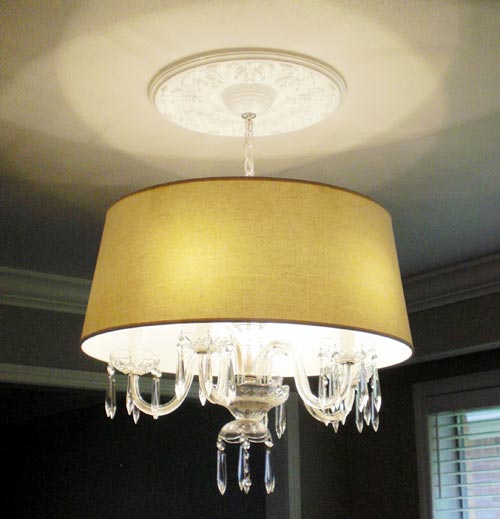

A chandelier can be the crown jewel of a roomor the awkward relic hanging over the dining table like it still thinks beige wallpaper is a personality trait. The good news? You do not always need to replace the entire fixture to make it feel fresh. Sometimes, the smartest update is also the simplest: adding a shade.
Making a chandelier more modern by adding a shade is one of those design tricks that feels almost too easy. A shade can soften harsh bulbs, hide dated details, add texture, introduce a cleaner silhouette, and make an old chandelier look intentionally layered instead of accidentally inherited. Whether you have a brass candle-style chandelier, a crystal fixture that feels a little too “formal banquet hall,” or a builder-grade light that needs a glow-up, the right shade can shift the whole mood of the room.
This guide explains how chandelier shades work, which styles look modern, how to choose the right size, what materials to consider, and how to avoid the common mistakes that make a fixture look clunky instead of chic.
Why Adding a Shade Can Instantly Modernize a Chandelier
A chandelier without shades often exposes every bulb, socket, arm, and decorative flourish. That can be beautiful when the fixture is sculptural and intentional. But if the chandelier has dated curves, overly shiny metal, fake candle sleeves, or bright bare bulbs, all that visibility can make it feel stuck in another decade.
A shade changes the story. It creates a cleaner outline, reduces visual clutter, and gives the chandelier a more finished appearance. Think of it like putting a tailored blazer over a loud shirt. The shirt is still there, but suddenly it looks like it has a plan.
Modern interiors often rely on balance: soft light, simple shapes, layered textures, and fewer fussy details. A shade helps achieve all four. It can turn scattered points of light into a warm glow, reduce glare over a dining table, and connect the chandelier to other materials in the room, such as linen curtains, black cabinet hardware, rattan chairs, or matte metal accents.
The Two Main Ways to Add a Shade to a Chandelier
Before buying anything, decide whether you want to shade each bulb individually or cover the whole chandelier with one larger shade. Both methods can look modern, but they create very different effects.
1. Add Mini Clip-On Shades to Each Bulb
Mini chandelier shades are small shades that attach directly to candelabra bulbs. They are common on candle-style chandeliers and wall sconces. This option is easy, affordable, and usually does not require rewiring. You simply choose shades with the right clip fitter, attach them to the bulbs, and enjoy the strange but satisfying feeling of upgrading a room in less time than it takes to find the TV remote.
Mini shades work especially well if your chandelier has several arms and you still like its general shape. They soften the light while keeping the fixture’s original structure visible. For a modern look, skip overly ornate bell shades and choose simple drum, cylinder, or tapered linen shades.
2. Add One Large Drum Shade Around the Fixture
A large drum shade creates a bolder transformation. Instead of highlighting each arm, it wraps the chandelier in one clean shape. This is ideal when the fixture’s frame is too busy, too shiny, or simply not your style anymore.
Drum shades are popular in modern and transitional homes because they create a crisp silhouette. They can make a traditional chandelier feel more architectural and less fussy. This approach is especially useful in dining rooms, bedrooms, and entryways where you want the fixture to look intentional from a distance.
Some homeowners use chandelier shade conversion kits, while others choose a fixture-specific shade designed to fit over an existing chandelier. If the project requires modifying hardware, changing wiring, or supporting extra weight, call a licensed electrician. A shade should upgrade your chandelier, not turn it into a suspense scene.
Best Shade Styles for a Modern Chandelier Update
The word “modern” does not mean cold, empty, or allergic to personality. A modern chandelier shade can be warm, textured, bold, or minimal. The key is choosing a shape and material that simplifies the fixture rather than adding more visual noise.
Drum Shades
Drum shades are the safest bet for a clean, updated look. Their straight sides feel crisp and contemporary, and they work with many chandelier styles. A white or off-white linen drum shade can brighten the room, while a black drum shade can make the fixture feel dramatic and tailored.
Cylinder Shades
Cylinder shades are slightly narrower and more vertical than drum shades. They are excellent for small chandeliers, sconces, and compact dining rooms. Their streamlined shape pairs well with modern farmhouse, midcentury, and minimalist spaces.
Tapered Shades
Tapered shades are narrower at the top and wider at the bottom. They feel softer than drum shades and can bridge the gap between traditional and modern. If your home leans transitional, a simple tapered linen shade may be the sweet spot.
Pleated Shades
Pleated lighting has made a stylish comeback, especially in rooms that mix vintage charm with modern restraint. The trick is to choose pleats that look crisp rather than frilly. A small pleated shade in cream, taupe, or muted green can make a chandelier feel collected and current.
Woven or Rattan Shades
Natural woven shades add warmth and texture. They work beautifully in coastal, organic modern, boho, and relaxed traditional homes. Because woven shades can cast patterned shadows, test the effect before committing in rooms where you need smooth, even light.
How to Choose the Right Shade Color
Color affects both the appearance of the chandelier and the quality of light in the room. A white shade gives the brightest, cleanest glow. Off-white, ivory, and oatmeal shades feel warmer and more forgiving. Black shades look sleek but direct light more dramatically, often pushing light upward and downward rather than through the sides.
If your chandelier already has a lot going on, choose a quiet shade color. White linen, warm cream, soft gray, or natural burlap can calm the fixture down. If the chandelier is simple and the room needs contrast, a black, navy, charcoal, or patterned shade can become the statement.
For modern interiors, avoid shades that are too shiny unless the rest of the room supports the glam factor. A glossy shade on a dated chandelier can look less “designer update” and more “formalwear at a barbecue.” Matte and textured finishes usually feel more current.
How to Get the Size Right
Scale is everything. A shade that is too small can look like a hat borrowed from a toddler. A shade that is too large can swallow the chandelier and make the room feel heavy. Start by measuring the chandelier’s width, height, bulb spacing, and distance from nearby surfaces.
For Dining Rooms
A dining room chandelier should usually feel proportional to the table. Many lighting guides recommend a chandelier width around one-half to two-thirds the width of the table, or at least several inches narrower than the table on each side. When adding a large shade, remember that the shade becomes part of the fixture’s visual width.
Height matters too. Over a dining table, chandeliers are commonly hung about 30 to 36 inches above the tabletop. If you add a shade that extends lower than the existing fixture, recheck the clearance. Guests should be able to see each other across the table without peering around a fabric cylinder like they are negotiating through a tunnel.
For Entryways and Living Rooms
In open walking areas, leave enough headroom. A common rule is to keep the bottom of the fixture at least 7 feet above the floor when people pass beneath it. If your ceiling is low, use a shallow shade, a compact drum, or individual mini shades rather than a deep oversized shade.
Choosing the Right Material
Shade material determines the mood of the light. Linen is the most versatile choice because it diffuses light softly and suits modern, traditional, and casual spaces. Cotton is clean and simple. Silk feels dressier, though it can look formal depending on the chandelier. Paper shades are lightweight and stylish but must be used carefully with appropriate bulbs. Metal shades are modern and directional, but they create stronger contrast and less ambient glow.
Glass shades can also modernize a chandelier, especially if you choose opal, smoked, fluted, or clear globe styles. Glass gives a cleaner architectural look, while fabric gives a softer residential feel. If your room already has many hard surfacesstone counters, wood floors, metal chairs, glass tablesa fabric shade can prevent the space from feeling too sharp.
Bulbs Matter More Than You Think
Adding a shade changes how light moves through the room, so bulbs deserve attention. LED bulbs are usually the best choice because they are energy efficient, available in many shapes, and produce less heat than traditional incandescent bulbs. Look for bulbs that fit properly inside the shade and do not touch the fabric, paper, or clip hardware.
For a warm modern glow, try bulbs around 2700K. This color temperature feels cozy and flattering in dining rooms, bedrooms, and living spaces. Cooler bulbs can make a shaded chandelier look stark, especially at night. If the room needs flexibility, install dimmable LED bulbs and a compatible dimmer switch.
Always check the chandelier’s maximum wattage and the shade manufacturer’s recommendations. Never use a bulb that exceeds the fixture rating. Heat buildup is not charming. It is a problem with paperwork.
Modern Design Ideas for Different Chandelier Types
Traditional Brass Chandelier
If you have a traditional brass chandelier with candle arms, add white or oatmeal mini drum shades. Then consider swapping old plastic candle sleeves for clean white or matte black sleeves. This keeps the classic shape but makes it feel fresh.
Crystal Chandelier
A crystal chandelier can look modern if you reduce the sparkle overload. Try a translucent drum shade around the fixture to soften the shine while letting the crystals shimmer through. This works well in bedrooms, powder rooms, and dining rooms where you want elegance without full ballroom energy.
Black Iron Chandelier
A black iron chandelier can become warmer with linen or woven shades. This is a great choice for farmhouse spaces that are moving toward a softer modern look. The shade keeps the drama but removes the harshness of bare bulbs.
Builder-Grade Chandelier
For a basic chandelier, shades can make the fixture look custom. Choose simple clip-on shades, upgrade the bulbs, and add a dimmer. If the metal finish feels dated, consider painting the frame matte black, warm brass, or soft bronze before adding the shades.
Common Mistakes to Avoid
The first mistake is choosing shades that are too ornate. If the goal is modern, avoid heavy fringe, shiny gold lining, excessive pattern, or bell shapes with dramatic curves unless the room has a strong vintage concept.
The second mistake is ignoring the bulb shape. Clip-on shades need bulbs that can hold the clips securely. Many chandelier shades are designed for candelabra bulbs, so check the fitter size before ordering.
The third mistake is blocking too much light. A dark shade may look stunning during the day but make the room feel dim at night. If your chandelier is the main light source, choose a lighter shade or add supporting lamps and sconces.
The fourth mistake is forgetting maintenance. Fabric shades collect dust, especially in dining rooms and kitchens. Choose wipeable or easy-to-vacuum materials if the fixture hangs near cooking areas, open windows, or a table where birthday candles regularly wage war.
Step-by-Step: How to Add Shades to a Chandelier
- Turn off the light and let bulbs cool. Safety first, style second.
- Measure the bulbs and arms. Note the bulb type, spacing, and shade clearance.
- Choose the shade style. Decide between mini clip-on shades or one larger drum shade.
- Check fitter compatibility. Clip-on shades must match the bulb size.
- Test one shade first. Order a sample if possible before buying a full set.
- Install matching bulbs. Use LEDs with the right brightness and color temperature.
- Attach the shades evenly. Make sure each shade sits straight and does not touch neighboring parts.
- Turn the light on at night. Judge the look when the chandelier is actually doing its job.
- Add a dimmer if needed. A dimmer gives the fixture more flexibility and a more polished feel.
Real-Life Experience: What Happens When You Actually Try It
The first time I helped update an older chandelier with shades, the fixture was hanging in a dining room that had clearly been trying its best since the early 2000s. It had five curved arms, shiny brass, plastic candle sleeves, and bulbs bright enough to interrogate a sandwich. Replacing the whole chandelier was an option, but the homeowner liked the general shape and did not want to spend money on electrical work. So we tried the shade route.
We started with small white clip-on drum shades. At first, the change looked almost too subtle in daylight. The chandelier still had the same arms, the same ceiling canopy, and the same slightly dramatic personality. But when evening came, the room changed completely. The glare disappeared. The table looked warmer. The brass looked less yellow because the shade fabric softened the reflection. Even the wall color looked better, which felt unfair but delightful.
The biggest surprise was how much the shades helped the chandelier feel connected to the rest of the room. The dining chairs had light upholstery, the curtains were linen, and the rug had a soft neutral pattern. Before the update, the chandelier looked like it had wandered in from another house. After the shades were added, it finally joined the conversation.
Another useful lesson: not all shades that look modern online look modern in the room. We tested a pleated shade that looked charming in photos, but in this particular dining room it leaned too cottage. A black shade looked dramatic but made the fixture feel top-heavy. The simple white drum shade won because it did not fight with anything. Sometimes the most modern choice is the one that knows when to stop talking.
Bulbs were another turning point. The original bulbs were too cool and too bright. Once we switched to warm dimmable LED candelabra bulbs, the chandelier became far more flattering. The shade softened the light, but the bulb color created the mood. That combination mattered more than expected.
The project also proved that small updates can buy time. The homeowner did not have to commit to a new chandelier immediately. The shades made the existing fixture feel current enough to enjoy for several more years. That is the practical beauty of this upgrade: it is flexible. You can use it as a permanent design solution or as a stylish bridge until you find the perfect fixture.
If there is one experience-based tip worth remembering, it is this: install the shade, then evaluate the chandelier at night. Daylight tells you about shape. Evening tells you about atmosphere. Since chandeliers are mostly hired for their nighttime performance, judge them when they are on the clock.
Conclusion
Making a chandelier more modern by adding a shade is a smart, stylish, and often budget-friendly way to refresh a room without replacing the entire fixture. The right shade can soften harsh light, simplify a dated silhouette, add texture, and help your chandelier feel more connected to the rest of your decor. For the most modern result, focus on clean shapes, warm LED bulbs, proper scale, and materials that match the mood of the room.
Whether you choose mini clip-on shades or one large drum shade, the goal is not to disguise the chandelier completely. The goal is to make it look intentional. And if your old fixture suddenly starts receiving compliments, let it enjoy the attention. It has been hanging there patiently for years.


