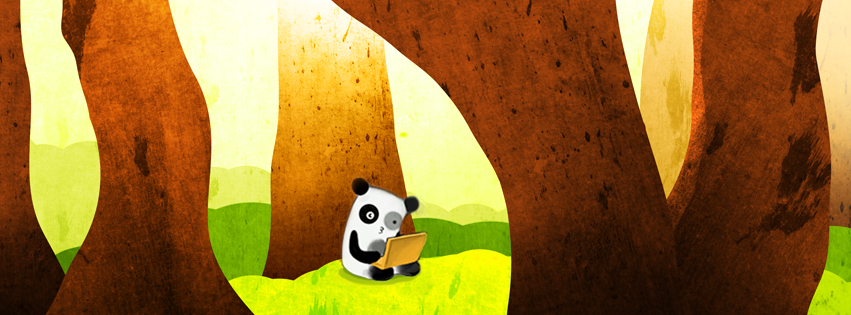

Lim Heng Swee, also known by his creative name ilovedoodle, is the kind of artist who can turn a cat, a cloud, a leaf, or a cup of coffee into a tiny emotional weather report. Based in Kuala Lumpur, Malaysia, he has built a global following through minimalist illustrations, playful visual puns, and feel-good artwork that often looks simple at first glanceuntil your brain catches the joke and quietly applauds.
His art does not shout. It smiles politely, offers you tea, and then makes you feel unexpectedly lighter. That is the magic of Lim Heng Swee’s work: clean lines, gentle humor, soft colors, and ideas that land with the warmth of a small cartoon hug. In a digital world where every image seems to be competing for your eyeballs with a tiny megaphone, his illustrations choose a slower rhythm. They invite people to pause, notice, and grin.
This article explores Lim Heng Swee’s background, artistic style, popular series, creative philosophy, commercial success, and the reasons his illustrations continue to resonate with art lovers, cat people, design fans, and anyone who has ever needed a little reminder that life is still full of tiny, delightful things.
Who Is Lim Heng Swee?
Lim Heng Swee is a Malaysian illustrator and visual artist best known online as ilovedoodle. His creative identity is built around a charming mission: to “doodle a smile” into everyday life. That phrase is more than a cute tagline. It explains the emotional engine behind his art. Whether he is drawing animals, landscapes, plants, food, or clever visual metaphors, his work is usually designed to make people feel calmer, happier, or at least less likely to throw their laptop into a decorative pond.
Before becoming a full-time artist, Lim studied mechanical engineering. That background may seem far from illustration, but it makes sense when looking closely at his work. His images often rely on structure, balance, proportion, and visual problem-solving. A cat becomes a mountain. A plant becomes a resting place. A shape becomes a joke. Like good engineering, good illustration often requires removing what is unnecessary until only the essential parts remain.
After briefly entering the engineering world, Lim chose art instead. It was a bold move, but one that shaped his career. He became a self-taught illustrator and gradually developed a recognizable style that blends simplicity, humor, and emotional clarity. Today, his work appears across prints, apparel, stationery, online shops, social media, and collaborations with international brands.
The Meaning Behind “ilovedoodle”
The name ilovedoodle sounds casual, almost like something scribbled in the margin of a notebook during a very long meeting. But that relaxed quality is part of its charm. It signals that Lim Heng Swee’s art is not trying to be intimidating. It is accessible. It welcomes beginners, casual viewers, design professionals, and people who only came for the cats.
Doodling is often treated as a small, absent-minded activity. Lim flips that idea upside down. In his hands, doodling becomes a serious creative practice disguised as play. His illustrations prove that simple drawings can carry emotion, humor, and meaning without needing heavy visual effects. A few lines can say a lot. A round sun and a sleepy cat can do the emotional labor of an entire motivational seminar, minus the awkward icebreaker activity.
Lim Heng Swee’s Artistic Style
Minimalism With a Warm Personality
One of the most recognizable features of Lim Heng Swee’s artwork is minimalism. His illustrations often use clean shapes, uncluttered compositions, and limited color palettes. Yet they never feel cold or sterile. Instead, they feel soft, friendly, and human. The simplicity gives viewers space to breathe.
Many minimalist artists focus on abstraction or formal design. Lim’s minimalism is different because it is deeply approachable. His work often begins with familiar subjects: animals, everyday objects, nature, food, music, and feelings. Then he adds a clever twist. The result is art that feels both modern and emotionally familiar.
Visual Puns and Gentle Humor
Lim Heng Swee is especially good at visual puns. His illustrations often turn ordinary objects into characters or emotional scenes. A cloud might become a sheep. A mountain might become a cat. A lonely object might suddenly appear to have thoughts, dreams, or mild social anxiety. The humor is rarely loud. It is more like a small wink from the corner of the page.
This playful approach helps his work spread online. People enjoy sharing images that are quick to understand but still clever enough to feel personal. In SEO terms, his art has strong “shareability.” In human terms, it makes people say, “Wait, that’s adorable,” which is basically the internet’s unofficial currency.
Emotion Without Drama
Another key part of Lim’s style is emotional restraint. His work often explores calmness, sadness, rest, love, anxiety, curiosity, and joy, but it does so without overexplaining. He uses posture, shape, spacing, and metaphor to suggest feeling. A resting cat can represent peace. A tiny figure facing a large landscape can suggest reflection. A moody animal can make sadness feel less lonely.
That emotional subtlety is one reason his art appeals to a wide audience. It is cute, but not shallow. It is cheerful, but not aggressively cheerful. It understands that people are complicated, and sometimes the best encouragement is not “Be positive!” but “It is okay to feel weird today; here is a tiny animal who gets it.”
Popular Themes in Lim Heng Swee’s Work
Cat Landscape Series
One of Lim Heng Swee’s most beloved series is his Cat Landscape artwork. In these minimalist illustrations, cats are blended into natural scenery such as hills, mountains, oceans, sunsets, and valleys. The curves of a sleeping cat become the curves of a landscape. The result is peaceful, surreal, and wonderfully strange in the best possible way.
The genius of the Cat Landscape series lies in how natural the transformation feels. Once you see the cat hidden in the land, you cannot unsee it. It is like discovering that the entire planet has been secretly feline all alongwhich, according to many cat owners, would explain a lot.
These illustrations work because cats already have sculptural silhouettes. Their curled bodies, arched backs, pointed ears, and relaxed poses echo natural forms. Lim recognizes that visual connection and turns it into poetic design. The series appeals to cat lovers, but it also speaks to people who enjoy quiet, meditative artwork.
Cat and Plant Illustrations
Another well-known theme in Lim’s work is the relationship between cats and plants. His Cat and Plant illustrations often show cats lounging on leaves, blending into foliage, or interacting with botanical shapes. The images combine two internet-approved sources of happiness: houseplants and cats. The only missing element is coffee, and honestly, that may already be implied.
These works feel especially suited to modern interiors. Their calm colors and clean compositions make them popular as wall art. They fit naturally into homes, studios, reading corners, and creative spaces. A Lim Heng Swee cat print can make a blank wall feel less like a landlord’s afterthought and more like a place where peaceful thoughts might happen.
Moody Animals
Lim Heng Swee’s Moody Animals series shows another side of his creativity. Instead of forcing constant positivity, these illustrations acknowledge that people have difficult emotions. Animals become visual stand-ins for frustration, boredom, sadness, and quiet exhaustion. The tone remains gentle and humorous, but the message is deeper: not every day has to be sparkling.
This is one of the reasons Lim’s art feels authentic. His work is not just cute decoration. It often reflects emotional truth. The Moody Animals series reminds viewers that low-energy days are part of being alive. Sometimes the best thing you can do is rest, breathe, and not make major life decisions while hungry.
Music, Love, and Everyday Objects
Lim has also created illustrations inspired by music, relationships, food, self-love, and common household objects. His creative method often involves looking at ordinary things from a slightly tilted angle. A musical note becomes a story. A cup becomes a character. A simple object becomes a tiny stage for emotion.
This approach is valuable because it trains viewers to notice the world differently. His illustrations suggest that creativity is not always about inventing something from nothing. Sometimes it is about seeing what was already there, waiting patiently for your imagination to put glasses on.
Why Lim Heng Swee’s Art Works So Well Online
Lim Heng Swee’s art is highly compatible with digital culture, but not because it follows cheap trends. It works online because it is visually clear, emotionally immediate, and easy to understand across languages. A viewer does not need a long explanation to enjoy a cat-shaped mountain or a pun about feelings. The idea arrives quickly, but the charm lingers.
His compositions also reproduce well on screens. The use of simple forms and strong silhouettes means the artwork remains readable even as a small social media image. This matters in a world where people often encounter art while scrolling at high speed, half-awake, with one thumb and questionable posture.
At the same time, his work has enough depth to function beyond the scroll. Many pieces translate beautifully into prints, shirts, cards, and home decor. That versatility has helped Lim build a sustainable creative brand around his illustrations.
Commercial Success and Collaborations
Lim Heng Swee’s career shows how independent artists can use online platforms to reach global audiences. His work has appeared through art shops, print platforms, apparel communities, and licensed collaborations. He has been associated with major creative marketplaces and has received recognition from the T-shirt design community, including notable awards from Threadless.
His illustrations have also connected with brands across fashion, stationery, lifestyle products, and pop culture merchandise. This kind of commercial reach makes sense because his work is adaptable. A simple, clever illustration can live on a poster, a shirt, a greeting card, a phone case, or a tote bag without losing its personality.
For artists, Lim’s path offers an important lesson: a clear voice matters. His work is instantly recognizable not because every piece is identical, but because the emotional tone is consistent. Viewers know what they are getting from ilovedoodle: warmth, wit, calmness, and a small chance of being emotionally ambushed by a very round cat.
The Creative Philosophy of Lim Heng Swee
At the heart of Lim Heng Swee’s creative philosophy is the belief that art can make daily life better. Not necessarily in a grand, dramatic, “change the universe before lunch” way. More in the quiet way a small drawing can shift your mood, soften your thoughts, or remind you to breathe.
His work often celebrates slowness. In a fast-moving world, his illustrations encourage observation. They ask viewers to look again. Is that a hill, or is it a cat? Is that a plant, or is it a bed? Is that a joke, or is it a tiny emotional support system wearing whiskers?
This philosophy aligns with a broader movement in contemporary illustration: the return to simple, human-centered visuals. As digital tools become more advanced, audiences still crave sincerity. Lim’s work feels handmade in spirit even when created digitally. It has personality. It has timing. It has the confidence to leave blank space alone, which many designs, and several group chats, could learn from.
Lessons Artists Can Learn From Lim Heng Swee
Build a Recognizable Visual Language
Lim Heng Swee’s work demonstrates the power of consistency. His use of minimalist shapes, gentle humor, animals, and emotional concepts creates a visual language that audiences can recognize. For emerging artists, this is a reminder that style is not just how something looks. Style is also how it thinks.
Make Simple Ideas Feel Fresh
Many of Lim’s subjects are familiar: cats, plants, landscapes, love, moods, and music. What makes the work special is the twist. He finds unexpected relationships between shapes and ideas. This proves that originality does not always require bizarre subject matter. Sometimes it requires looking at a normal subject until it reveals its secret second job.
Create With Emotional Honesty
Lim’s art is positive, but it is not fake. His Moody Animals series and reflective illustrations show that he understands sadness, restlessness, and quiet discomfort. That honesty gives his cheerful work more credibility. Audiences can sense the difference between shallow cuteness and genuine emotional warmth.
Think Beyond One Platform
Another lesson from Lim Heng Swee’s career is the importance of adaptability. His art works on social media, but it also works as merchandise, prints, and licensed products. Artists who want long-term sustainability should think about how their work can live in different formats without losing its soul.
Why People Connect With Lim Heng Swee’s Illustrations
People connect with Lim Heng Swee’s illustrations because they are easy to enter and hard to forget. The images do not demand advanced art theory. They welcome viewers immediately. But beneath the charm, they often contain thoughtful observations about emotion, nature, and everyday life.
His cats are not just cats. They are symbols of rest, curiosity, independence, and calm. His landscapes are not just scenery. They are places where feelings can stretch out. His puns are not just jokes. They are reminders that language and images can play together like two kids who found an empty cardboard box and decided it was a spaceship.
This combination of accessibility and depth is rare. It allows his art to appeal to casual fans while still offering design value for serious illustration enthusiasts. In other words, you can enjoy his work because it is cute, or because it is conceptually smart. Ideally, both. Life is short; take the clever cat picture.
Experiences Related to Lim Heng Swee
Experiencing Lim Heng Swee’s art often feels different from simply viewing a typical illustration online. The first reaction is usually immediate pleasure. You see a cat curled into a mountain range or resting on a giant leaf, and your brain recognizes the trick with a tiny burst of joy. It is visual problem-solving, but instead of feeling like homework, it feels like finding a snack you forgot you bought.
One common experience with his work is the “second look” effect. At first, the image appears simple: a landscape, a plant, a small animal, a soft block of color. Then the hidden idea appears. The viewer realizes that the mountain is also a cat, or that the object has been turned into a character. This delayed recognition creates a rewarding moment. It makes the audience feel included in the joke, not merely shown the joke.
Another experience associated with Lim Heng Swee’s work is calmness. Many of his illustrations use soft colors and balanced compositions that create a peaceful mood. Looking at them can feel like stepping away from noise. This is especially true of his Cat Landscape and Cat and Plant pieces. They do not rush the viewer. They sit quietly, like a cat who has already solved inner peace and refuses to share the manual.
For people decorating a personal space, Lim’s art can also become part of a daily routine. A print near a desk may offer a small emotional reset during a busy workday. A cat illustration in a bedroom may make the room feel warmer and more personal. A playful pun on a shirt or card can turn a normal object into a conversation starter. His art functions well in real life because it is friendly without being visually overwhelming.
There is also an experience of emotional permission in his work. Not every illustration insists on happiness. Some pieces acknowledge moodiness, tiredness, uncertainty, or sadness. That matters. In a culture that often treats positivity like a mandatory software update, Lim’s gentler approach feels refreshing. His work suggests that feelings can be observed, softened, and even smiled at without being denied.
Artists and designers may experience Lim Heng Swee’s work as a lesson in restraint. His illustrations show how much can be communicated with very little. A curve, a dot, a small color change, or a carefully placed shape can transform the entire meaning of an image. This can be inspiring for creatives who are tempted to overwork their designs. Lim’s art quietly says, “Maybe remove three things and let the idea breathe.” It is excellent advice, though admittedly difficult for anyone who owns too many fonts.
Fans may also feel a sense of companionship through his recurring themes. Cats, plants, music, love, and quiet emotions are familiar parts of daily life. By reimagining them with humor and tenderness, Lim makes ordinary experiences feel meaningful. His work does not require viewers to escape reality. Instead, it helps them return to reality with softer eyes.
That may be the most valuable experience connected to Lim Heng Swee: the feeling that small things are worth noticing. A curve can become a creature. A plant can become a landscape. A doodle can become a smile. In that sense, his art is not only something to look at. It is a way of practicing attention. And in a world overflowing with distractions, that kind of attention feels quietly powerful.
Conclusion
Lim Heng Swee has built a memorable creative identity by doing something deceptively simple: making art that feels good without feeling empty. As ilovedoodle, he combines minimalist illustration, clever visual puns, emotional honesty, and a deep appreciation for everyday beauty. His cats become landscapes, his objects become characters, and his doodles become small reminders that life can still be playful.
His work matters because it proves that art does not have to be loud to be effective. It can be quiet, funny, thoughtful, and commercially successful all at once. For viewers, Lim Heng Swee offers a refreshing visual world filled with calmness and wit. For artists, he offers a model of consistency, originality, and emotional clarity. For cats, frankly, he offers excellent public relations.
In the end, Lim Heng Swee’s art invites us to slow down and look again. Maybe the mountain is a cat. Maybe the plant is a pillow. Maybe the doodle is not just a doodle. Maybe it is a small smile waiting patiently on the page.
Note: This article is based on publicly available information about Lim Heng Swee, his ilovedoodle art brand, interviews, artist profiles, marketplace biographies, and published features about his illustration series.


