
There are two kinds of home products: the ones you brag about at dinner parties (“We imported the tile from… somewhere expensive”),
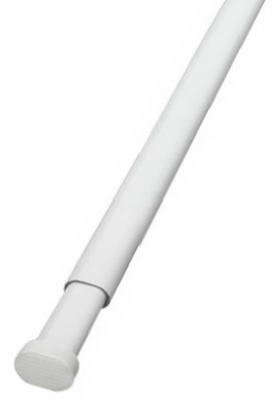
and the ones you quietly install in 90 seconds and then wonder how you lived without them. The Levolor 13341 tension rod
lives proudly in that second categorysmall, simple, and weirdly satisfying when it clicks into place and holds like it pays rent.
If you’re trying to hang cafe curtains, light sheers, or a tidy valance without drilling holes (especially in a rental),
this little spring-tension number has a strong “I’ve got you” energywithout the commitment issues of anchors, screws, and patching drywall later.
Let’s break down what the Levolor 13341 is, what it’s best at, where it struggles, and how to install it so it stays put instead of doing the slow-motion slide of shame.
Quick Specs: What You’re Actually Buying
The Levolor 13341 is a spring tension curtain rod designed for lightweight window treatments. It’s slim, clean,
and intentionally uncomplicatedlike a paperclip for curtains, but with better posture.
- Adjustable length: commonly listed as 18–28 inches (some retailers list 16–28 inches, so measure your opening and check the packaging/listing range before buying).
- Rod diameter: 7/16 inch (a “cafe rod” stylethin and discreet).
- Finish: white.
- Mount type: tension (no brackets, no drilling).
- End caps: soft/rubberized or plastic tips meant to grip without marking surfaces.
- Adjustment style: twist/extend to fit, then compress into place.
- Best for: sheers, lightweight panels, cafe curtains, and small-window applications.
One detail that matters more than people expect: this rod is intentionally slender. That’s great for a light, minimal look
but it also means it’s not pretending to be a heavy-duty drapery system. Think: “cute kitchen curtain,” not “blackout theater drapes.”
What Makes the Levolor 13341 Useful (and What It’s Not)
Why people choose it
The biggest selling point is the no-drill installation. You can hang a curtain in minutes, avoid wall damage,
and remove it later with minimal fuss. That’s why tension rods are popular in apartments, dorms, and temporary setups
and why they’re a go-to for renters who want privacy without losing a security deposit.
What it’s not built for
A thin 7/16-inch tension rod is not the right tool for heavy curtains, long spans, or anything that gets significantly heavier when wet
(yes, I’m looking at you, shower curtains and thick liners). If you need serious holding power, upgrade to a thicker, more robust tension rod
or a wall-mounted curtain rod with brackets.
How a Spring Tension Rod Holds (So You Can Make It Hold Better)
A tension rod works by pressing outward between two surfaces. The spring and telescoping sections create outward force,
while the end caps add friction so it doesn’t slip. That means surface choice matters almost as much as the rod itself.
Best surfaces for reliable grip
- Smooth tile (clean and dry)
- Painted wood trim that’s in good condition
- Metal window frames (as long as they’re not oily or dusty)
- Solid laminate
Surfaces that can cause slipping
- Chalky paint (the end cap slides as the dust acts like powder)
- Textured drywall inside deep recesses
- Uneven brick/stone (inconsistent contact area)
- Humidity + residue (bathrooms can be sneaky)
The main takeaway: if your rod slips, it’s usually not “because tension rods are bad.” It’s because friction is being sabotaged
by dust, moisture, uneven contact, or an imperfect fit length.
Measure Like You Mean It: Getting the Right Fit
Installing a tension rod is easy. Installing a tension rod so it stays up is a tiny bit more strategic.
Most guides recommend choosing a tension rod range that matches your opening and setting it slightly longer than the space
so you get a snug fit when compressed.
Step 1: Measure the inside width where the rod will sit
Use a tape measure and check the width at the exact height you’ll mount the rod. If your window jambs aren’t perfectly square
(many are not), measure in two spots and use the smaller number.
Step 2: Choose the rod size range that comfortably covers your measurement
The Levolor 13341 is commonly listed in the 18–28 inch range. If your window opening is right at the minimum or maximum,
consider whether a neighboring size range would give you more adjustment room. “Barely fits” is the enemy of stability.
Step 3: Plan for preload (the secret sauce)
A common tip is to adjust the rod so it’s slightly longer than the opening, then compress it into place.
That compression is what creates tension and grip. Too little preload = slipping. Too much preload = you risk damaging trim or making it hard to install.
How to Install the Levolor 13341 (No Drill, No Drama)
Installation is tool-free and fast, but do it in the right order and you’ll avoid the classic mistake of “it felt tight…
until the curtain went on and gravity started negotiating.”
- Clean the contact points. Wipe the two surfaces where the rod ends will sit. Dust and moisture are friction killers.
- Thread the curtain first (usually). If you’re using a rod pocket or grommets, put the curtain on nowbefore the rod is in place.
- Twist/extend the rod. Lengthen it to match the opening, then go slightly longer for a snug fit.
- Compress and position. Place one end against one side, compress the rod, then set the other end into the opposite side.
- Center it and level it. Make sure it’s straight. A tiny tilt can encourage slow sliding over time.
- Do a gentle tug test. Pull down lightly in the center. If it moves, re-seat and add a bit more preload.
Pro tip: if you’re installing in a humid bathroom, let the surfaces fully dry first. “Steamy tile” is basically a slip-n-slide for rubber caps.
Choosing the Right Curtain for a 7/16-Inch Cafe Rod
The Levolor 13341 shines with lightweight fabrics. If your curtain feels like a cozy blanket, the rod may feel like it’s doing CrossFit
without a warmup. Here’s what typically pairs well:
Great matches
- Cafe curtains for kitchens (half coverage, bright room, instant charm)
- Sheer panels for privacy without losing sunlight
- Light valances for a clean top-of-window look
- Thin cotton or linen blends that don’t weigh much
Use caution
- Blackout curtains (especially with heavy linings)
- Thermal curtains
- Layered panels unless each layer is very light
- Anything you plan to yank open/closed aggressively (we all have that one morning)
If your goal is privacy in a bathroom window, consider a lightweight cafe curtain or sheer plus a second privacy layer like frosted film
that way the rod isn’t forced to carry the entire privacy mission alone.
Where the Levolor 13341 Works Best (With Real Examples)
Kitchen windows and over-the-sink setups
This is classic cafe-rod territory. A small span, lightweight fabric, and the kind of daily usefulness that makes you feel like you have your life together
even if your “meal prep” is just moving leftovers from one container to a slightly nicer container.
Bathroom privacy windows
For a small bathroom window, the Levolor 13341 can be a quick privacy upgrade. Just keep moisture in mind:
clean the tile, dry it well, and avoid heavy fabrics that soak up humidity.
Rentals, dorms, and temporary spaces
Tension rods are often recommended for no-drill curtain hanging in rentals. The benefit isn’t only avoiding holesit’s speed.
If you move frequently (or redecorate frequently), this rod keeps your windows flexible.
Not Just for Windows: Smart Household Uses
Tension rods have a reputation for being “shower curtain rods,” but that’s like calling a smartphone “a calculator.”
People use them all over the house for quick organization and space hacks.
Under-sink spray bottle hanger
Slide the rod into the cabinet and hang spray bottles by their triggers. This frees up shelf space for bins and keeps cleaning supplies from tipping over.
It’s one of those tricks that makes you open the cabinet just to admire your own competence.
DIY drawer and shelf dividers
Need to keep cutting boards upright? Or stop baking sheets from doing a noisy domino routine? A slim tension rod can act like a quick divider.
The key is using it where items are light and the span is short.
Closet micro-organization
A small tension rod can help separate scarves, belts, or accessory bins in a closet nook.
Think of it as giving your closet a little internal architecture without actually building anything.
Troubleshooting: When a Tension Rod Misbehaves
Problem: The rod slowly slides down
- Fix: Clean the mounting surfaces and end caps.
- Fix: Increase the rod length slightly for more preload.
- Fix: Add a thin strip of rubber shelf liner at the contact points for extra grip.
- Fix: Move the rod slightly higher where trim is flatter and more solid.
Problem: It feels tight but still falls when the curtain goes on
- Fix: Your curtain may be too heavy. Switch to lighter fabric or a shorter panel.
- Fix: Make sure the rod is leveltilt encourages slipping.
- Fix: Check that both ends are making full contact (no gap, no angled placement).
Problem: It’s so tight you’re worried about damaging trim
- Fix: Back off the length slightly. You want “snug,” not “structural engineering experiment.”
- Fix: If your opening is near the max span, consider a sturdier rod built for longer distances.
Should You Upgrade Instead? A Quick Decision Guide
The Levolor 13341 is excellent when the job matches the tool: small window, light curtain, clean surfaces, simple goal.
But if you’re aiming for heavier drapes or wider spans, a thicker tension rod or a bracket-mounted curtain rod will make your life easier.
- Stick with the 13341 if you want a slim cafe rod for light curtains in a small window opening.
- Upgrade to a thicker tension rod if you need more weight support or a longer span.
- Go bracket-mounted if you want to open/close curtains daily, hang heavy panels, or cover a wide window.
Buying and Identification Tips (So You Don’t End Up With the Wrong Thing)
If you’re shopping online or matching an existing rod, these details help:
- Model number: 13341
- Common identifier: often listed as a 7/16-inch spring tension or cafe tension rod
- UPC/GTIN: frequently shown as 070042133417
- Fit range: most commonly listed as 18–28 inches (verify listing; some catalogs show 16–28)
The big practical tip: don’t buy based on “it looks about right.” Buy based on measurementsthen choose a rod range where your window width sits comfortably
in the middle of the adjustment range.
Conclusion: Small Hardware, Big Quality-of-Life Upgrade
The Levolor 13341 tension rod is a simple product done well: a slim, white, no-drill cafe rod that adjusts to fit small windows
and holds lightweight curtains with minimal fuss. It’s the kind of home solution that doesn’t demand attentionbut quietly makes a space feel more finished,
more private, and more intentional.
Measure carefully, keep your surfaces clean, use lightweight fabric, and preload the fit just enough. Do that, and the 13341 will reward you with the rarest
home-improvement luxury: a job that stays done.
Experiences With the Levolor 13341 Tension Rod (What People Usually Learn After Installing One)
Most people’s first experience with the Levolor 13341 is a pleasant surprise: you open the package, twist the rod, pop it into place,
and suddenly your window looks “styled” instead of “barely surviving.” That quick win is exactly why tension rods develop a loyal following
especially for renters, dorm dwellers, and anyone who has ever stared at a drill and thought, “Nope, not today.”
A common “aha” moment is realizing that clean surfaces matter more than muscle. Plenty of users report the same pattern:
the rod holds fine at first, then slides after a day or two. The fix is almost always boring (wipe the tile, remove dust from painted trim,
dry the ends) rather than dramatic (buy a new rod). Once the end caps have solid contact on a clean surface, the rod usually stops
behaving like it’s trying to migrate south for winter.
Kitchens are where the 13341 earns its keep. People put it in a small window over the sink, add cafe curtains, and instantly get that
cozy “someone here owns a cookbook” vibewithout blocking all the light. The rod’s slim diameter helps it disappear behind the fabric,
so the curtain looks like it’s floating neatly in place. The best part is how flexible it feels: swap seasonal curtains, change colors,
wash the fabric, reinstall in seconds. You can redecorate with the same energy you use to change a playlist.
Bathrooms are a little more dramatic (because bathrooms always are). When the rod is mounted on tile, people love the no-drill privacy
upgradeuntil humidity joins the group chat. The “lesson learned” tends to be: install it on fully dry surfaces, and choose a curtain that
doesn’t turn into a wet beach towel. Many users find that a lightweight sheer, a short cafe curtain, or a thin panel works far better than
anything heavy. It’s not that the rod is weak; it’s that wet fabric is basically a weight-training program.
Another popular experience is discovering tension-rod creativity. Someone buys the 13341 for a window… then buys a second one for the cabinet under the sink.
Hanging spray bottles from the triggers feels almost too clever, like you’re getting away with something. The cabinet looks cleaner, the shelf space comes back,
and you stop digging through a pile of half-empty cleaners like you’re on a reality show called “Hoarders: Under the Sink Edition.”
The most consistent “don’t do what I did” story is trying to use a slim cafe rod for heavyweight curtains. It might hold for a while, especially if the window
opening is small and the trim is solidbut the odds of slipping go up fast once you add thick fabric, a liner, or daily tugging. People who love the 13341 tend
to be the ones who match it with what it’s designed for: light curtains, gentle use, and short spans. When they need heavier performance, they upgrade to a thicker
tension rod or a bracket-mounted setup and keep the 13341 for the smaller windows where it shines.
Overall, the lived experience of the Levolor 13341 is pretty simple: it’s a small, renter-friendly tool that works best when you treat it like a cafe rodnot a
structural beam. Measure carefully, preload the tension, keep surfaces clean, and choose lightweight fabric. Do that, and it becomes one of those tiny home upgrades
that quietly improves your day-to-day life… which is really the whole point of home stuff in the first place.


