
There are two kinds of people in the world: the ones who “cook beans,” and the ones who
commit to beans. If you’ve ever tasted a pot of beans that somehow came out creamy, deeply savory,
and suspiciously restaurant-worthy (without you doing anything illegal like adding three sticks of butter),
you already know the secret: slow, gentle heat and a pot that behaves like it actually wants you to succeed.
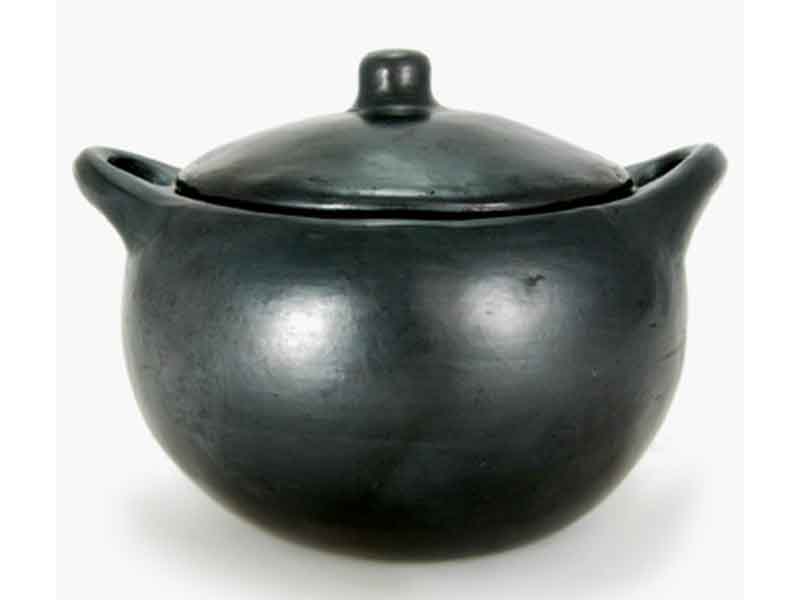
Enter the La Chamba bean potalso lovingly described as a soup/stew pota black clay workhorse
that goes from stovetop to table with the kind of effortless glow-up that makes other cookware jealous.
It’s rustic, elegant, and oddly persuasive: you’ll buy it “for beans,” and two weeks later you’re making
stew, broth, rice pilaf, and something you call “artisan yogurt” while wearing socks that don’t match.
This guide breaks down what a La Chamba bean pot is, why it cooks soups and stews so beautifully,
how to season and care for it without cracking your new favorite pot, and what to cook first
(spoiler: beans… obviously… but also a weeknight soup that tastes like you planned your life).
What Is a La Chamba Bean Pot (and Why Does It Look Like a Bean Hugger)?
A La Chamba bean pot is handmade, unglazed black clay cookware traditionally made in the village of
La Chamba in Colombia. The “bean pot” shape is famously practical: a rounded belly with a smaller opening.
Translation: it encourages gentle simmering, keeps liquid where it belongs, and reduces the “why is my pot
suddenly half empty?” problem that happens when beans get enthusiastic.
Many bean-pot sizes hover around the “feeds real humans” range (often around 3–4 quarts), which is perfect
for a pound of beans, a pot of soup, or a stew that magically becomes tomorrow’s lunchassuming you don’t
stand over the stove “taste-testing” until it’s gone.
Yes, it has a lid. Yes, the lid might fit a little imperfectly. That’s not a defect; that’s the sound of
handmade pottery saying, “Relax. I’m not a mass-produced robot.”
The Story Behind the Black Clay: Why La Chamba Cookware Is Different
La Chamba cookware is made from local clay that contains natural mineral flecks (including mica), shaped by hand,
burnished with stones, and fired to achieve its signature black finish. This isn’t paint and it isn’t glaze.
It’s the result of process and materialkind of like a good barbecue bark, but for pottery.
The village tradition is deeply rooted: families craft pieces in and around their homes, dry them outside,
and fire them locally. It’s functional craft, not “decor that you’re afraid to touch.” And unlike many
decorative ceramics, these pieces are intended to cookdaily, repeatedly, and deliciously.
Another key point: La Chamba pots are typically unglazed. That matters because unglazed clay interacts
with heat and moisture differently than glazed ceramics or metal. In practical terms, that can translate
to gentler cooking, better heat retention, and foodsespecially beans and stewsthat come out moist and
deeply flavored.
Why Beans, Soups, and Stews Love Clay (and Why You’ll Start Cooking Like a Patient Person)
1) Even, gentle heat = fewer “hard bean / mush bean” tragedies
Beans can be dramatic. They want consistent heat so they soften evenly without bursting into starchy chaos.
Clay cookware is prized for steady heat distribution and heat retentionmeaning once it’s warm, it stays warm.
That stability helps beans cook through more uniformly, especially during long simmers.
2) Moisture retention that makes food taste “finished”
Slow-cooked dishesbrothy beans, stews, braisesbenefit from a humid cooking environment. Clay naturally
holds and moderates heat in a way that encourages gentle bubbling rather than aggressive boiling.
The result is often a pot of food that tastes rounder, richer, and more cohesive.
3) Stovetop-to-table serving that stays warm (without a heat lamp)
A La Chamba bean pot is a serving vessel in disguise. Bring it to the table and it holds warmth like it’s
guarding the last slice of pizza. This is a small thing that becomes a big thing when you realize your soup
stays hot through second helpings and long conversations.
Seasoning (Curing) Your La Chamba Bean Pot: The Not-Scary First Step
Because the clay is naturally a bit porous at first, many sellers recommend “seasoning” (also called curing)
before cooking liquids in it. Think of it like breaking in a great pair of bootsless about perfection, more
about getting it ready for real life.
Simple seasoning method (oven + water)
- Set your oven to 400°F.
- Fill the pot about 3/4 full with water.
- Place the pot in the oven for 30 minutes (uncovered is commonly recommended).
- Carefully remove it, discard the water, let it dry completely, and you’re ready to cook.
After a few cooking sessions, the surface typically improves furtherespecially for foods prone to sticking.
This is normal. The pot is basically learning your kitchen’s personality.
How to Cook With a La Chamba Soup/Stew Pot Without Cracking It
Clay cookware is sturdy, but it hates surprise. The big rule is: avoid thermal shocksudden temperature changes
that can stress the clay. If you remember nothing else, remember this: don’t treat your La Chamba pot like a
stainless-steel saucepan you can fling around the kitchen like you’re on a cooking show montage.
Best practices for heat (aka “slow and steady wins dinner”)
- Start low, then go up. Bring heat up gradually, especially on the stovetop.
- Don’t preheat the oven with an empty clay pot inside unless your maker specifically says it’s okay. A common recommendation is placing the pot in a cold oven and letting it warm as the oven heats.
- Avoid cold-to-hot shocks: no fridge-to-oven moves, and don’t set a hot pot on a cold stone counter. Use a trivet or wooden board.
Stovetop compatibility: gas, electric, induction, and open flame
Many La Chamba pieces are used on gas and electric stoves, as well as in the oven and microwave
(yes, microwaveclay is full of surprises). If you have an electric coil or glass-top electric stove,
a heat diffuser is often recommended to buffer direct heat and prevent hot spots.
For induction, clay itself won’t work directly; you typically need an induction interface disk/plate.
And for open flame cooking (including some grill or campfire styles), it’s often considered possible
but the same “no sudden shocks” rule applies, and you’ll want to increase heat gently.
Cleaning and Care: Easy, But Not Dishwasher-Easy
Once seasoned, cleaning is refreshingly low drama: a soak, a gentle wipe with a sponge or soft cloth,
and you’re done. The big “no thanks” list includes dishwashers, abrasive cleaners, and long soaking sessions.
Clay likes being cleaned; it doesn’t like being marinated.
Over time, La Chamba cookware can develop a richer patina. Some cooks occasionally wipe the interior with a
thin film of oil to keep the surface looking smooth and cared-for. It’s like lotion for your pot.
(And unlike humans, the pot will never forget to apply it.)
What to Cook First: Beans, ObviouslyBut Don’t Stop There
The La Chamba bean pot is built for long, gentle cooking. Anything that benefits from steady heat and time
will shine. Here are smart first-cook ideas that show off what the pot does best.
1) A pound of beans that taste like you have your life together
Start with dried beans: black beans, pintos, cannellini, cranberries, chickpeaschoose your team.
The move is simple: sauté aromatics (onion, garlic, maybe peppers) in a little oil, add soaked (or unsoaked,
depending on the bean and your patience) beans, cover with water or stock, and simmer low until creamy.
Add salt thoughtfullymany modern bean methods include salting earlier than old-school rules suggest.
Want an easy win? Make a pot of smoky barbecue-style beans: aromatics, spices, a little sweetness, and a late
splash of acid for balance. Beans love a slow simmer, and clay loves being the calm adult in the room.
2) Soup that stays hot through second helpings
Try a chicken-and-vegetable soup, a lentil soup with rosemary, or a bean-and-greens stew. The pot’s heat retention
keeps soup cozy on the tablegreat for slow dinners, potlucks, and anyone who talks with their hands and forgets
to eat for five minutes at a time.
3) Stews and braises with tender texture
Beef stew, pork chile verde, chicken with potatoesif it’s the kind of dish that tastes better after a gentle
simmer, it’s a match. Clay encourages steady cooking and helps prevent scorching when you keep the heat sensible.
4) Bonus: stock, rice pilaf, and even yogurt experiments
Many people use these pots for stock and broths because the temperature stays stable and the pot can go from oven
to table. Some even use them for yogurt-style projects because clay helps maintain warmth. Your results may vary,
but your kitchen confidence will not.
Choosing the Right La Chamba Soup/Stew Pot Size
If you’re shopping specifically for a La Chamba bean pot, think in three practical tiers:
- Small (about 2–3 quarts): perfect for a couple, small batches, sauces, or reheating soup without using a “spaceship-sized” pot.
- Medium (about 3–4 quarts): the sweet spot for a pound of beans, weeknight stew, and “I want leftovers but not a freezer situation.”
- Large (5–6+ quarts): meal prep, dinner parties, big pots of soup, and anyone who views leftovers as a love language.
Keep in mind: because each pot is handmade, exact dimensions can vary. Lids are also handmade and may not fit
with machine-perfect symmetry. That’s normal. If you want factory precision, buy a factory.
If you want cookware with soul, buy clay.
Troubleshooting: Cracks, Porosity, and Other Clay Pot Plot Twists
“My pot feels porous.”
Normal at first. Season it properly, cook a few batches of soup/beans, and it often improves. Some makers
recommend scalding milk in the pot as a fix for lingering porosity or hairline issues. (It sounds odd; clay cookware
people will nod like this is totally normal because it is in that world.)
“I got a small crackdid I ruin everything?”
Not necessarily. Hairline cracks can sometimes be stabilized depending on where they are and how they formed.
If it leaks, stop using it for liquids until you’ve tried the recommended salvage methods from the seller.
Clay cookware rewards caution.
“The bottom looks different over time.”
Patina is part of the deal. Darkening, slight discoloration, and mineral specks are typical characteristics of
handmade, unglazed clay cookware. Think of it as “seasoned,” not “ruined.”
La Chamba vs. Dutch Oven vs. Slow Cooker: Which One Wins?
This is not a battle. It’s a dinner party. Each tool has strengths:
- La Chamba bean pot: gentle heat, great heat retention, beautiful for serving, excellent for long simmers and dishes that benefit from moisture and steady cooking.
- Dutch oven (cast iron): powerful browning, nearly indestructible, heavy-duty heat retention, fantastic for searing and braising.
- Slow cooker: set-it-and-forget-it convenience, consistent low temps, but less browning and less “stove-to-table wow.”
The La Chamba pot is for cooks who want slow-cooked flavor and a serving piece that looks like it came from a
soulful little kitchen storebecause it basically did. If you love the ritual of cooking and you want your pot
to do more than boil water aggressively, it’s an easy “yes.”
of Real-World Kitchen Experiences With a La Chamba Bean Pot
The first experience most people have with a La Chamba bean pot is surprisingly emotional: you pick it up and
expect it to feel like a brick, because clay cookware has “ancient artifact” vibes. Then you realize it’s not
nearly as heavy as cast iron, and you immediately get brave thoughts like, “I could totally make stew on a Tuesday.”
The second experience is the seasoning stepyour pot’s official initiation ritual. Filling a beautiful black clay
pot with water and putting it in the oven feels a little like you’re babysitting a tiny volcanic lake. You’ll
check on it more than you need to. You’ll be convinced you smell something. You don’t. That’s just your brain
adjusting to the idea that cookware can have a personality.
Once you actually cook in it, the “slow heat” reality kicks in. The pot doesn’t respond to heat like thin metal.
It warms gradually, then holds warmth like it’s guarding a secret. The practical result: you learn patience
without trying. You start the beans on low, do other life tasks, come back, and everything is calm. No scorched
ring, no furious boil, no soup volcano. The pot is basically a therapist with handles.
The biggest “aha” moment tends to happen with beans. In many kitchens, beans are either undercooked (hard centers)
or overcooked (blown-out skins, cloudy mush). With the La Chamba bean pot, the simmer is gentler and more stable,
so beans soften with fewer dramatic texture swings. You still need time, but the process feels less risky.
People often describe the end result as creamiernot because the pot adds cream, but because the cooking feels
more even and controlled.
Then comes the serving experience. You bring the pot to the table, and the meal instantly looks intentional.
The black clay and simple shape make even humble foodlentil soup, pinto beans, chicken stewlook like it belongs
in a cozy restaurant that charges $18 for “heirloom legumes.” Better yet, it stays warm long enough that nobody
has to sprint to the microwave mid-conversation.
Of course, there’s a learning curve. Someone always tries to move the pot from hot oven to a cold counter once.
If you’re lucky, you catch yourself. If you’re not, you learn why trivets were invented. Most owners develop a
little ritual: trivet ready, heat turned down sooner than usual, and a mental note that clay dislikes surprises.
Cleaning is its own experience: it feels almost too easy. A quick soak, a gentle wipe, and you’re done. The pot
doesn’t demand fancy soaps or scrub-brush workouts. It does, however, demand respect: no dishwasher rides, no harsh
abrasives, and no overnight soaking marathons. Treat it like a favorite cutting boardsimple care, consistent habits,
and it gets better with time.
The long-term experience is the best part: the pot “settles in.” The surface smooths out, the patina deepens,
and you start reaching for it automatically when you want something cozy and foolproof. Eventually, you stop calling
it “the La Chamba pot” and start calling it “the bean pot,” as if your kitchen contains exactly one pot worthy of
that title. And honestly? That’s fair.
Conclusion: A Bean Pot That’s Actually a Whole Cooking Lifestyle (In a Good Way)
A La Chamba bean pot is more than a soup/stew potit’s a gentle, steady, stovetop-to-table vessel that
makes slow cooking feel natural instead of intimidating. If you love beans, soups, stews, broths, and cozy meals
that taste like they had a plan, this pot is a beautiful upgrade. Season it once, respect temperature changes,
keep the heat civilized, and it’ll reward you with food that’s moist, flavorful, and remarkably “put together.”


